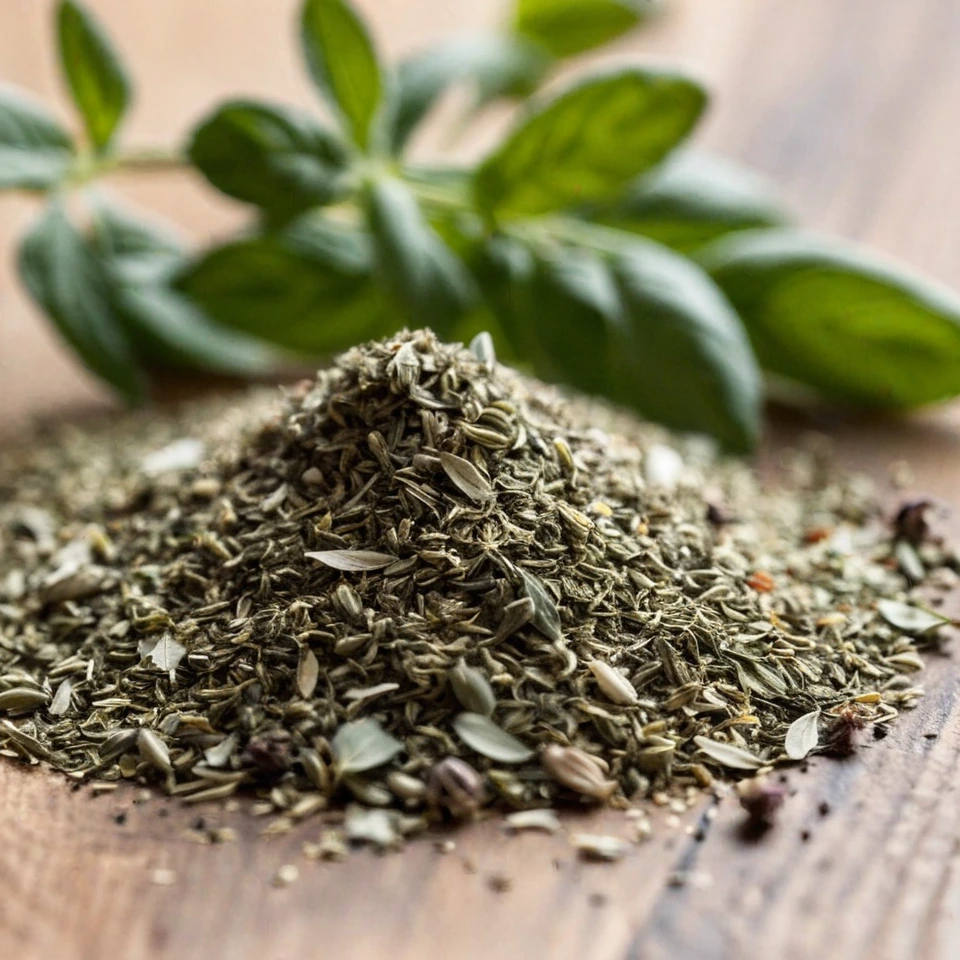
Italian Seasoning
A fragrant blend of dried herbs commonly used in Italian cuisine, typically including basil, oregano, thyme, rosemary, and marjoram.
Notes
Italian seasoning is versatile and can be used both in dry and cooked forms. Adjust quantities to taste, as the intensity of flavors can vary by brand.
Uses
- Sprinkling over roasted vegetables
- Seasoning for homemade pizza and pasta dishes
- Marinating meats like chicken and beef
- Enhancing the flavor of soups and stews
- Adding depth to tomato-based sauces
Replacements
- Herbes de Provence
- A custom blend of dried basil, oregano, and thyme
- Greek seasoning
- Poultry seasoning (for dishes with similar flavor profiles)
You might also like
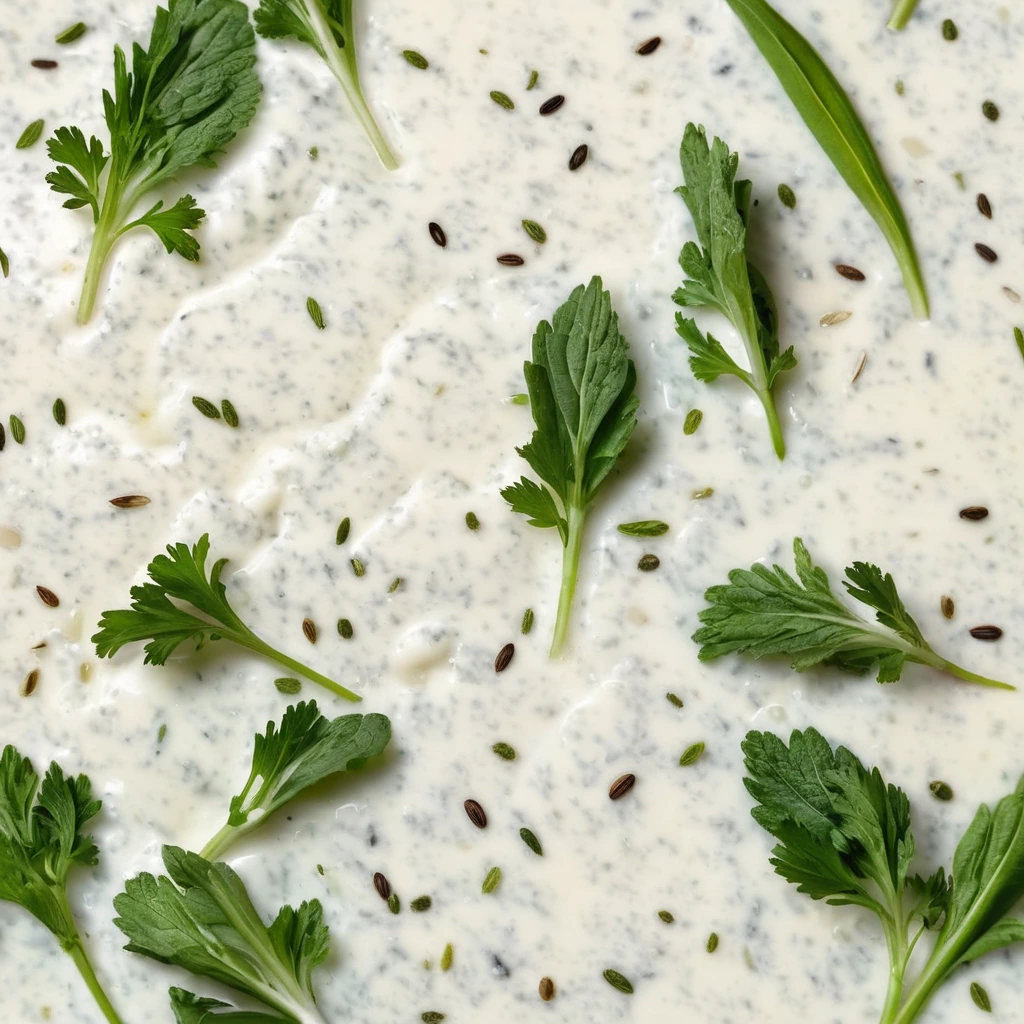
Ranch Dressing
Creamy, tangy, and irresistibly herbaceous, Ranch Dressing is a beloved condiment that brings a burst of flavor to any dish. Its smooth texture and vibrant notes of garlic, dill, and parsley make it a pantry staple for dipping, drizzling, and dressing.
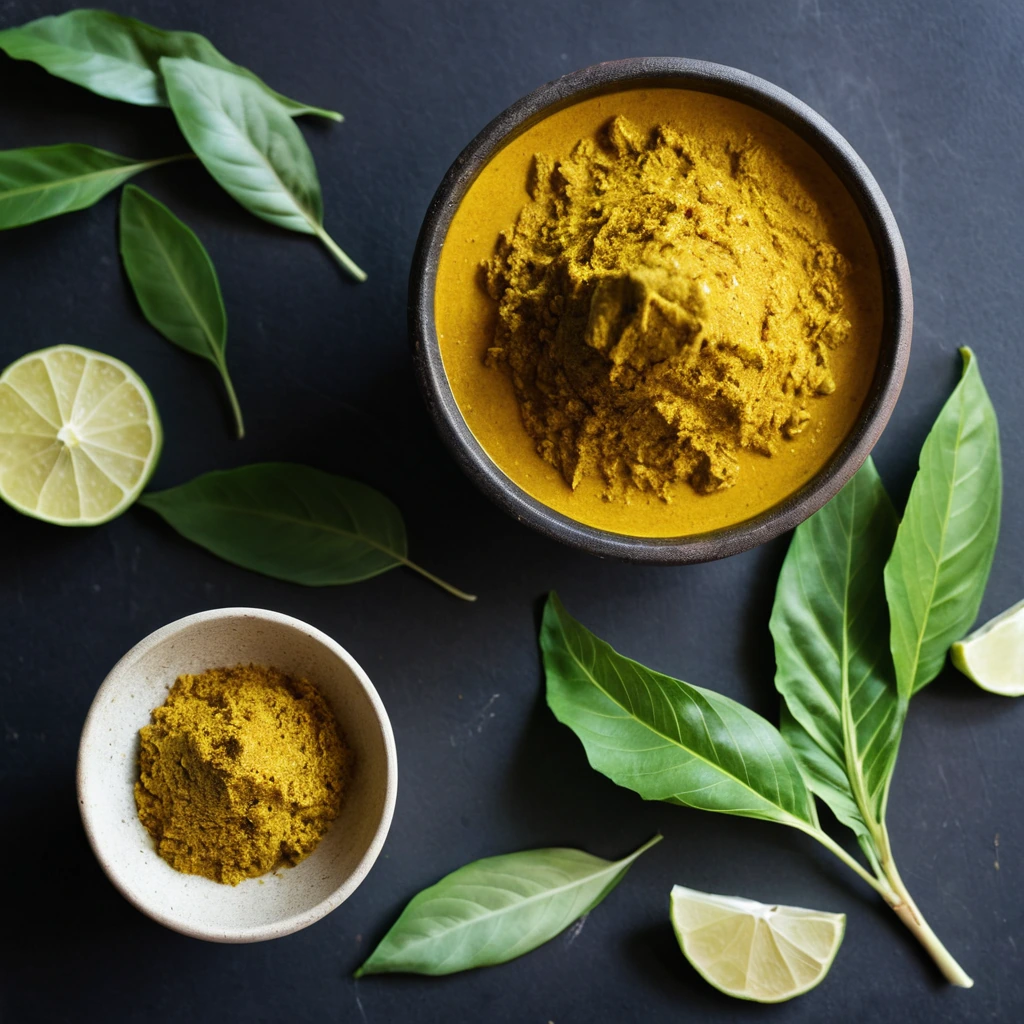
Yellow Curry Paste
Yellow curry paste is a vibrant, aromatic blend of spices and herbs used predominantly in Thai cuisine. Originating from Thailand, it is distinguished by its distinctive yellow hue, derived from turmeric, which is also responsible for its mild earthy flavor. The paste features a harmonious balance of sweet, savory, and spicy notes, thanks to ingredients like lemongrass, galangal, garlic, shallots, and chili peppers. Its texture is smooth and paste-like, making it easy to incorporate into dishes. When cooked, yellow curry paste infuses dishes with warmth and depth, thickening slightly and enhancing the overall richness of curries and stews without overwhelming other ingredients.
Recipes to try
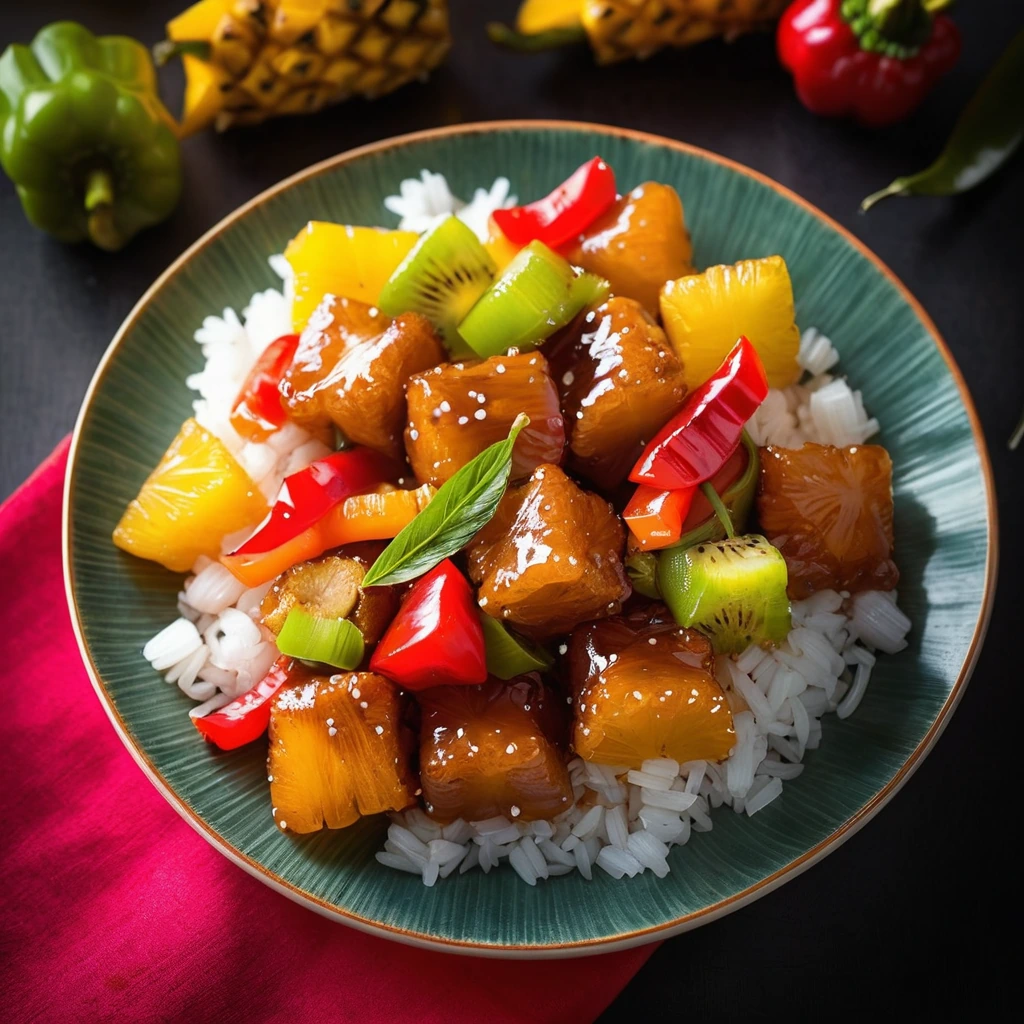
Sweet and Sour Pork with Pineapple and Peppers
Tangy, sweet, and a touch sour, this pork dish is a carnival of flavors with juicy pineapple chunks and crisp bell peppers.

Maple Sausage and Cheddar Breakfast Biscuits
Golden, flaky biscuits stuffed with savory maple sausage and melted sharp cheddar—it's a hearty breakfast hug in every bite.