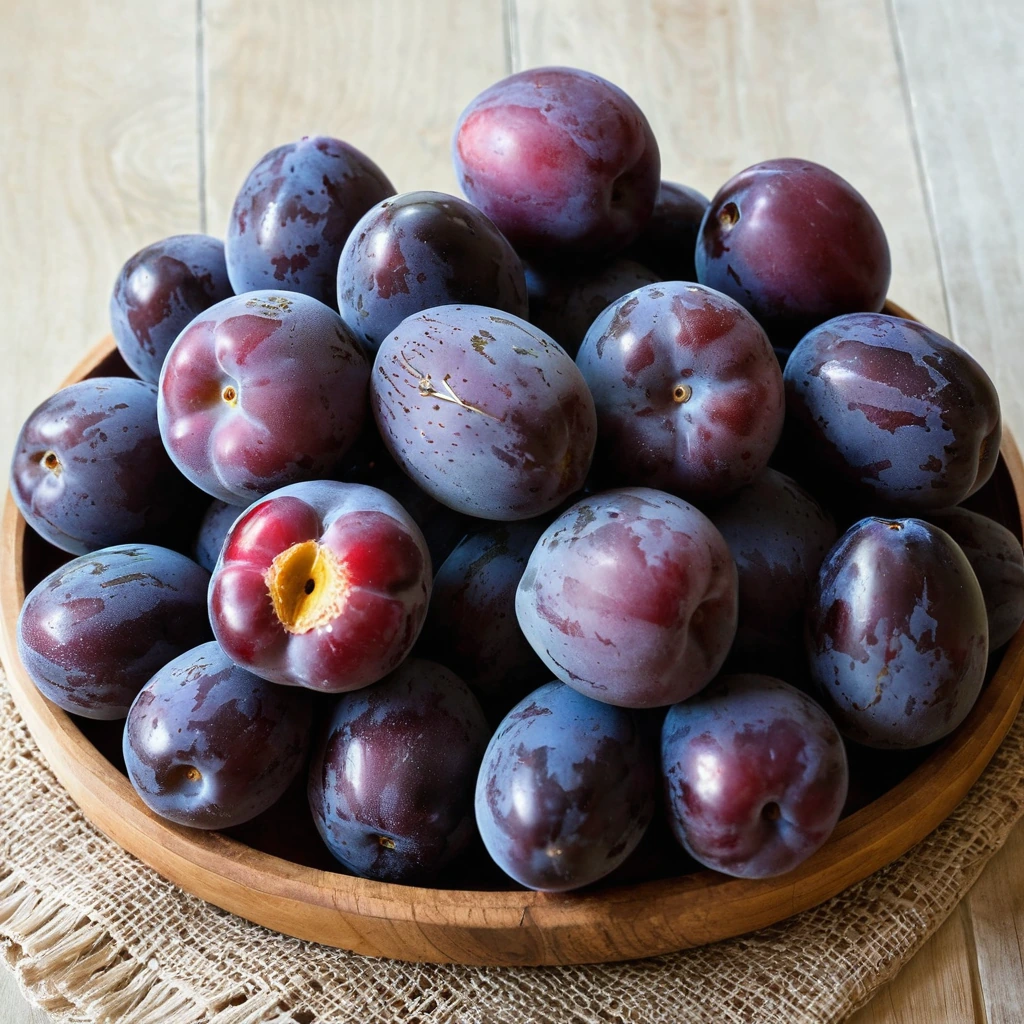
Plums
Plums are a species of fruit belonging to the genus Prunus, which also includes peaches, nectarines, and cherries. Originating in China and cultivated for thousands of years, plums have become a staple in many cuisines worldwide. They boast a flavor profile that is both sweet and tangy, with a subtle floral aroma that enhances their appeal. The texture of a ripe plum is juicy and tender, with a smooth skin and firm flesh that gives way to a central pit. In cooking, plums can be used fresh, dried, or cooked down into preserves. They behave well in both sweet and savory dishes, releasing their juices when cooked to create rich sauces or compotes.
Notes
When selecting plums, look for fruits that yield slightly to gentle pressure and have smooth, unblemished skin. Avoid those with wrinkled skin or soft spots. Store plums at room temperature to ripen, then transfer to the refrigerator to extend their shelf life, typically for about a week. Handle plums gently to avoid bruising. For those with tree nut allergies, while plums themselves are safe, cross-contamination during processing is a concern to note.
Uses
- Fresh fruit salads
- Summer desserts
- Grilled with savory meats
- Homemade jams and jellies
- Baked tarts and crumbles
- Chicken glazes
- Smoothies and juices
Replacements
- Apricots
- Peaches
- Cherries
- Berries (blackberries or raspberries)
- Apples
- Prunes (dried plums)
You might also like
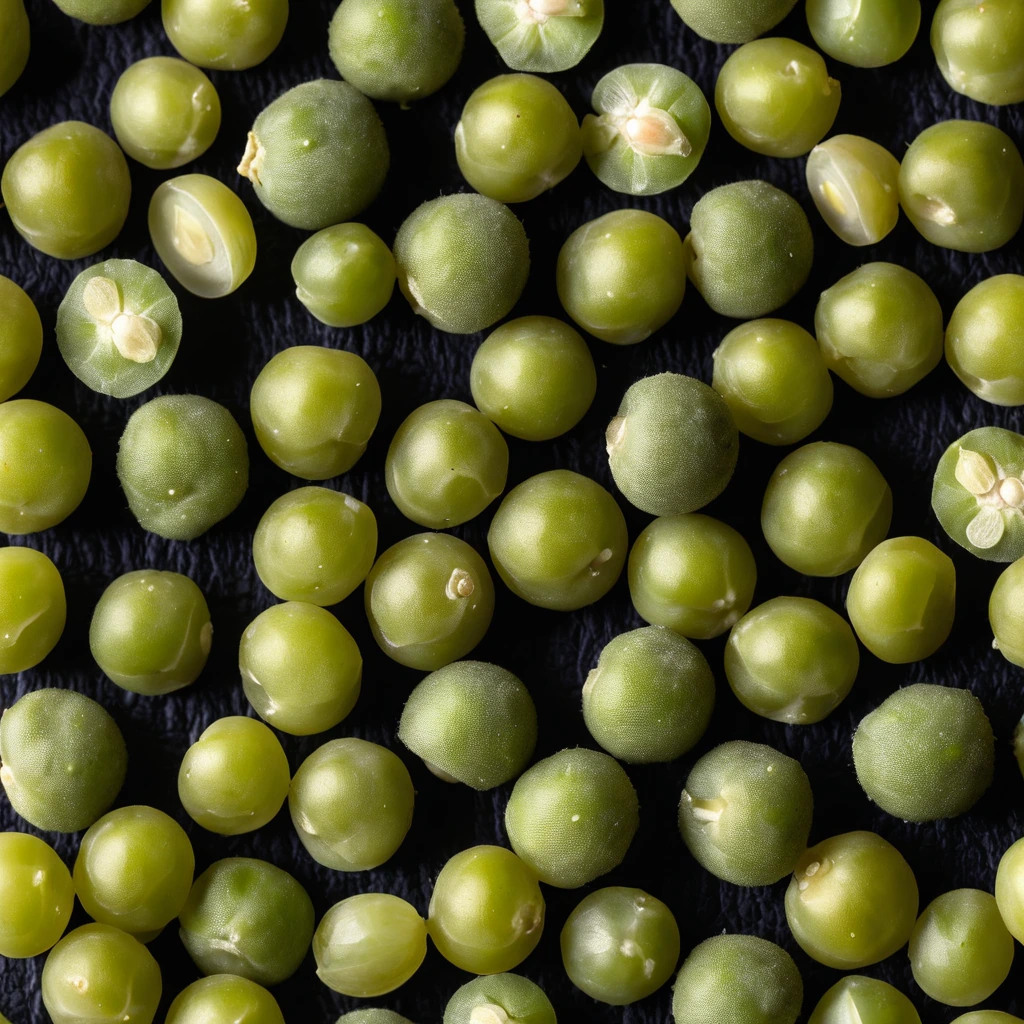
Split Peas
Split peas are the humble yet hearty backbone of countless comforting dishes. These small, lens-shaped legumes boast a mild, nutty flavor and a creamy texture when cooked, making them a pantry staple for soups and stews.
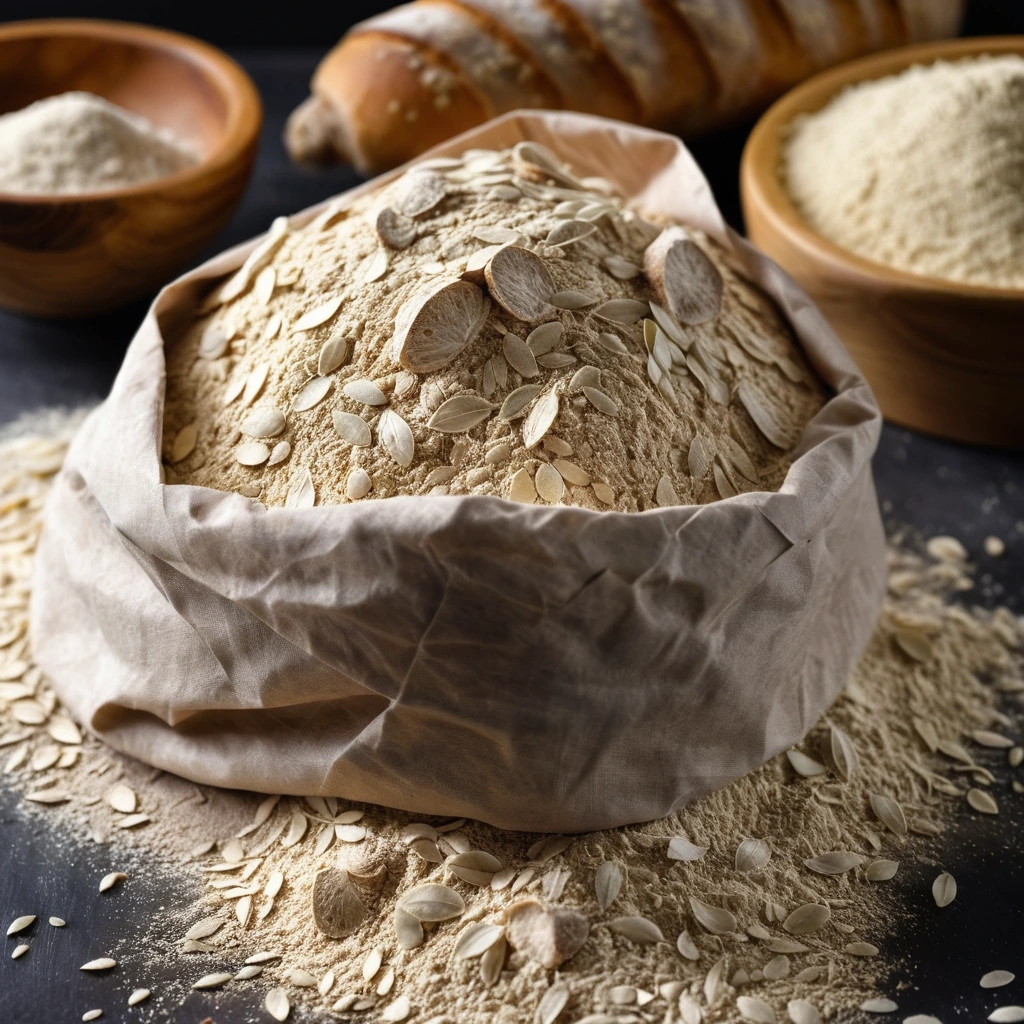
Bread Flour
A robust, high-protein flour that boasts a golden hue, bread flour is the backbone of any hearty loaf. Its texture is finely milled, offering a silky feel that promises elasticity and strength in your dough.
Recipes to try
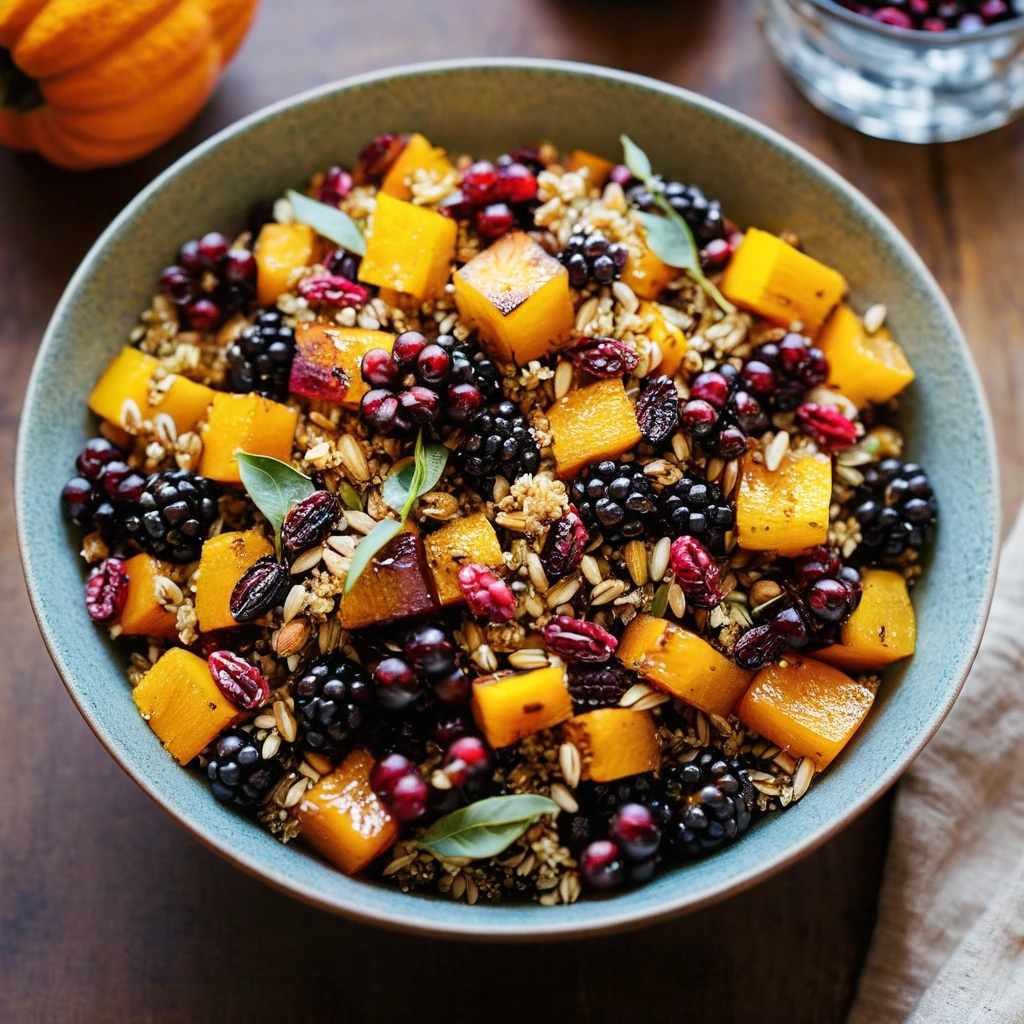
Warm Quinoa Salad with Roasted Squash and Cranberries
A cozy mix of nutty quinoa, tender roasted squash, and sweet cranberries makes this salad a fall favorite.
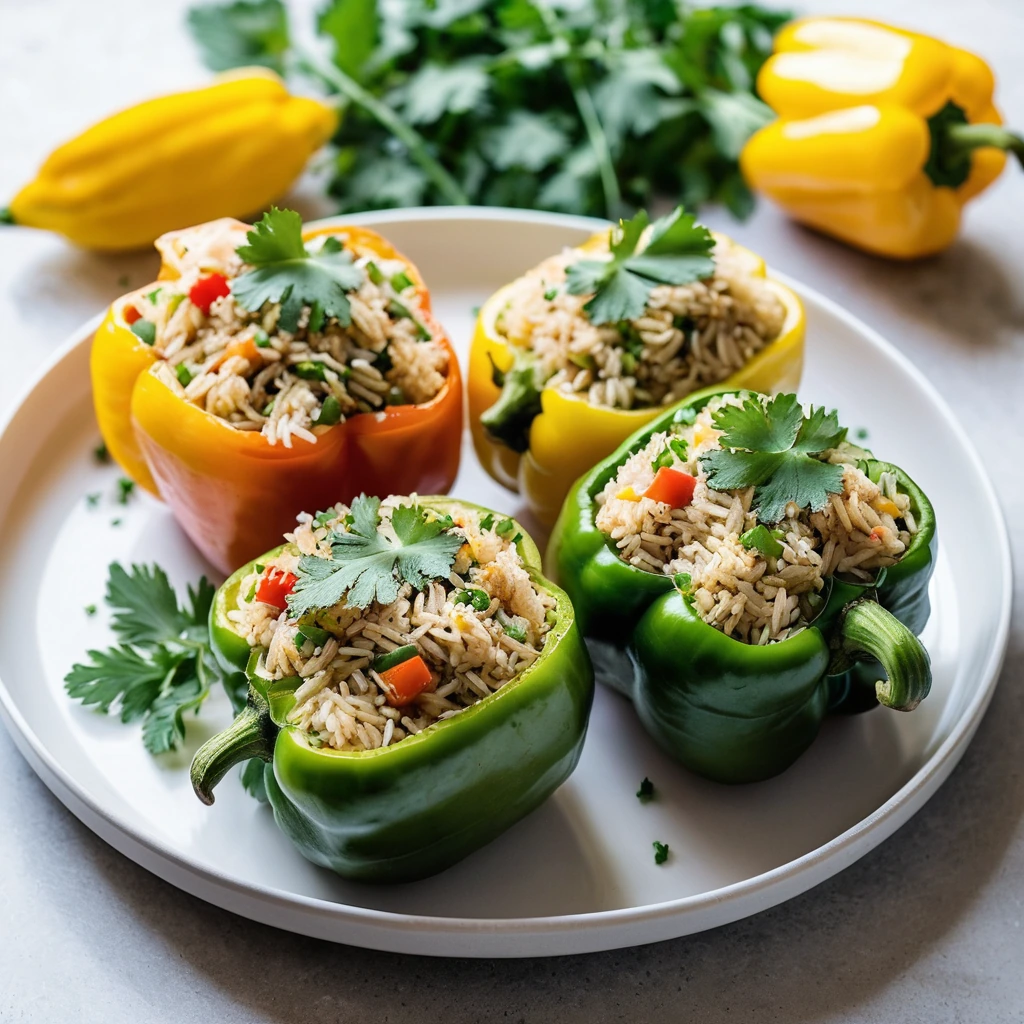
Lemon Garlic Chicken and Rice Stuffed Peppers
Bright and tangy lemon garlic chicken nestled in fluffy rice, all wrapped up in juicy bell peppers for a zesty comfort meal.