Fresh Bay Laurel Leaves
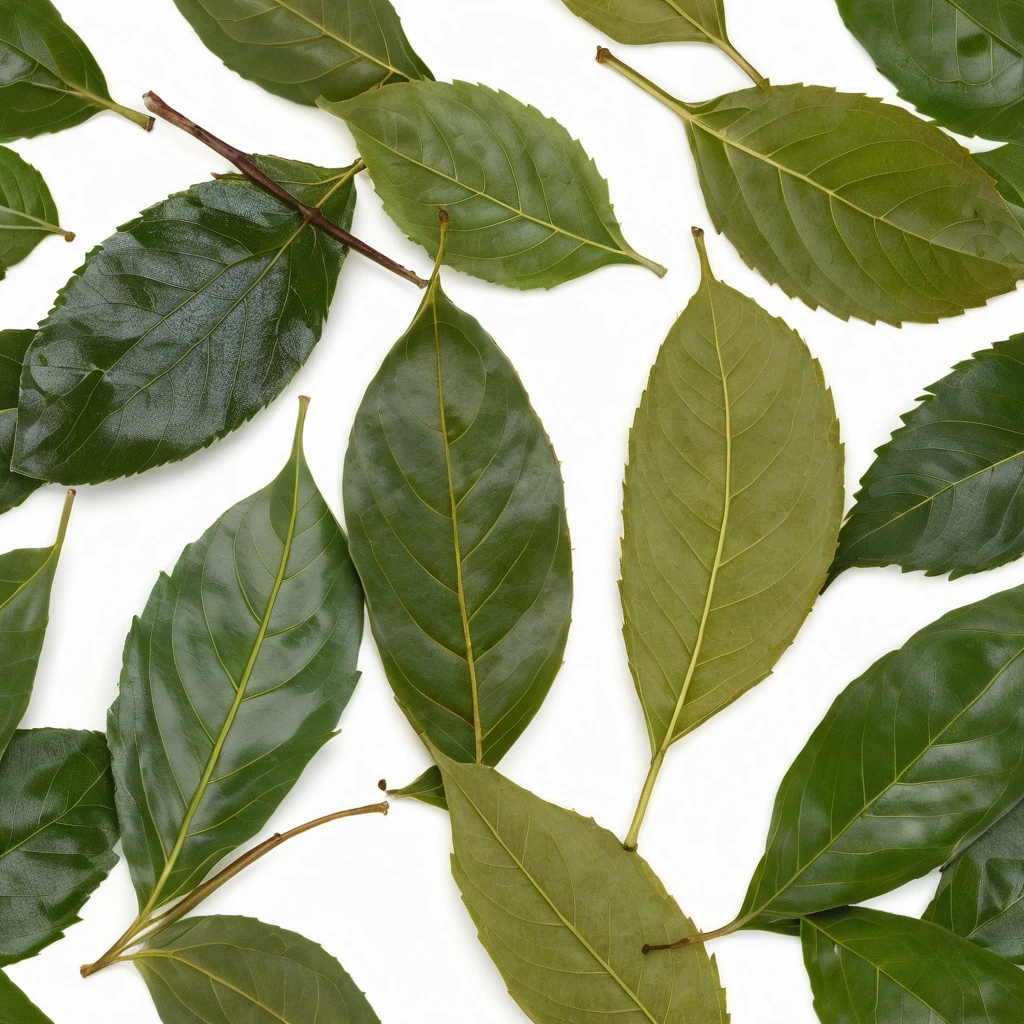
Fresh bay laurel leaves are aromatic foliage harvested from the bay laurel tree, scientifically known as Laurus nobilis. Native to the Mediterranean region, these leaves have been prized for centuries in European and Middle Eastern cuisines for their distinctive flavor. They offer a subtle yet complex taste profile that is often described as warm, herbal, and slightly bitter with hints of floral and citrus notes. The texture of the leaves is leathery and robust, which allows them to withstand long cooking times without disintegrating. In cooking, fresh bay leaves are commonly used to infuse soups, stews, braises, and sauces with their unique aroma. They are typically removed before serving, as they remain firm and are not meant to be eaten. Their presence enhances the depth of flavor in dishes, imparting a subtle earthiness that complements a wide range of ingredients.
Notes
When selecting fresh bay laurel leaves, look for vibrant green, unblemished leaves with no signs of wilting or yellowing. Store them in the refrigerator wrapped in a damp paper towel inside a plastic bag for up to one week. To maximize their flavor, add the leaves early in the cooking process to allow their essential oils to infuse the dish. Note that bay leaves can pose a choking hazard if not removed before serving, and though rare, some individuals may experience allergic reactions.
Uses
- Season soups and stews
- Flavor braised meats
- Enhance tomato sauces
- Infuse pickling brines
- Add to bouquet garni
- Simmer with beans and lentils
Replacements
- Dried bay leaves (less intense)
- Thyme sprigs (for similar herbal notes)
- Rosemary sprigs (for a stronger piney flavor)
- Oregano leaves (for a milder herbaceous taste)
- A blend of dried herbs (to approximate complexity)
You might also like

Dry Shell Pasta
These charming little pasta shells cradle flavors with their tender embrace, offering a delightful texture that’s perfect for capturing sauces and fillings.
Fresh Pineapple Sage
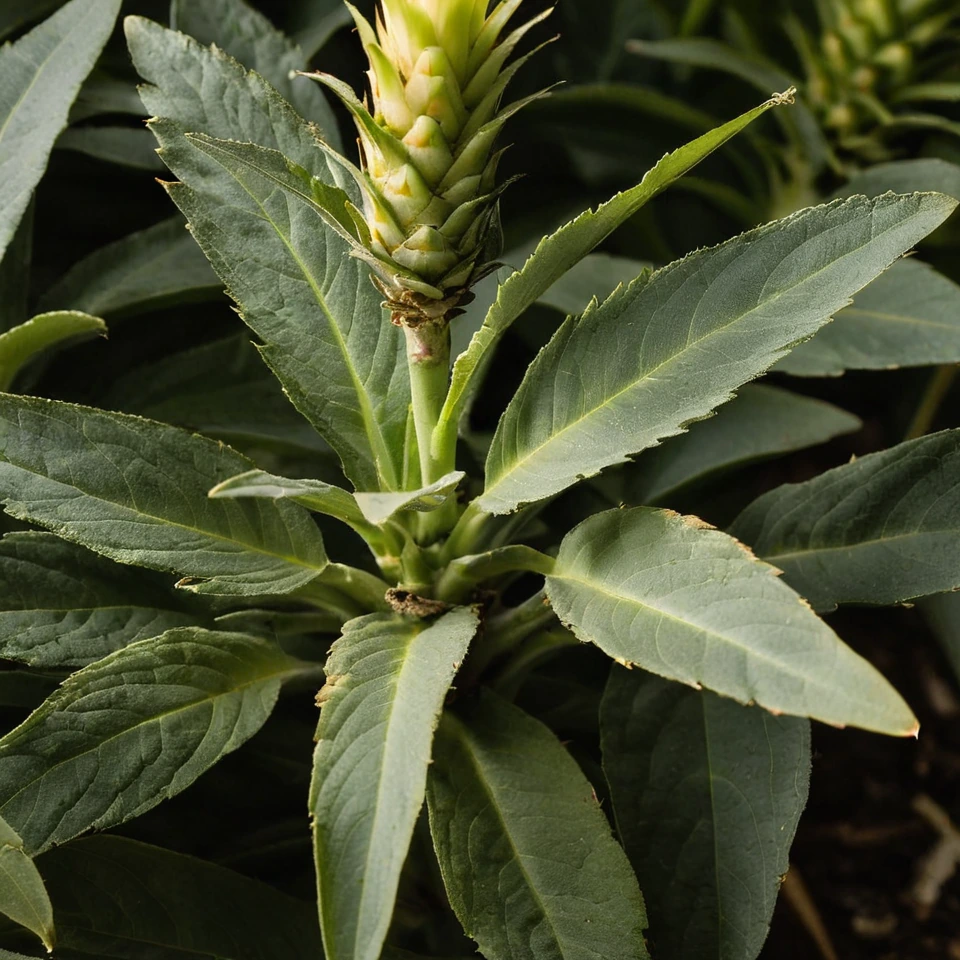
Fresh Pineapple Sage boasts a unique flavor profile that marries the bright tang of pineapple with the earthy, peppery notes of traditional sage. Its aromatic leaves release a tropical fragrance that hints at citrus and mint, making it an intriguing addition to both savory and sweet dishes. Originating from Mexico and parts of Central America, this herb thrives in warm climates and is treasured for its ornamental beauty and culinary versatility. Its tender, velvety leaves add a distinctive zest to dishes, elevating them with a touch of exotic flair.