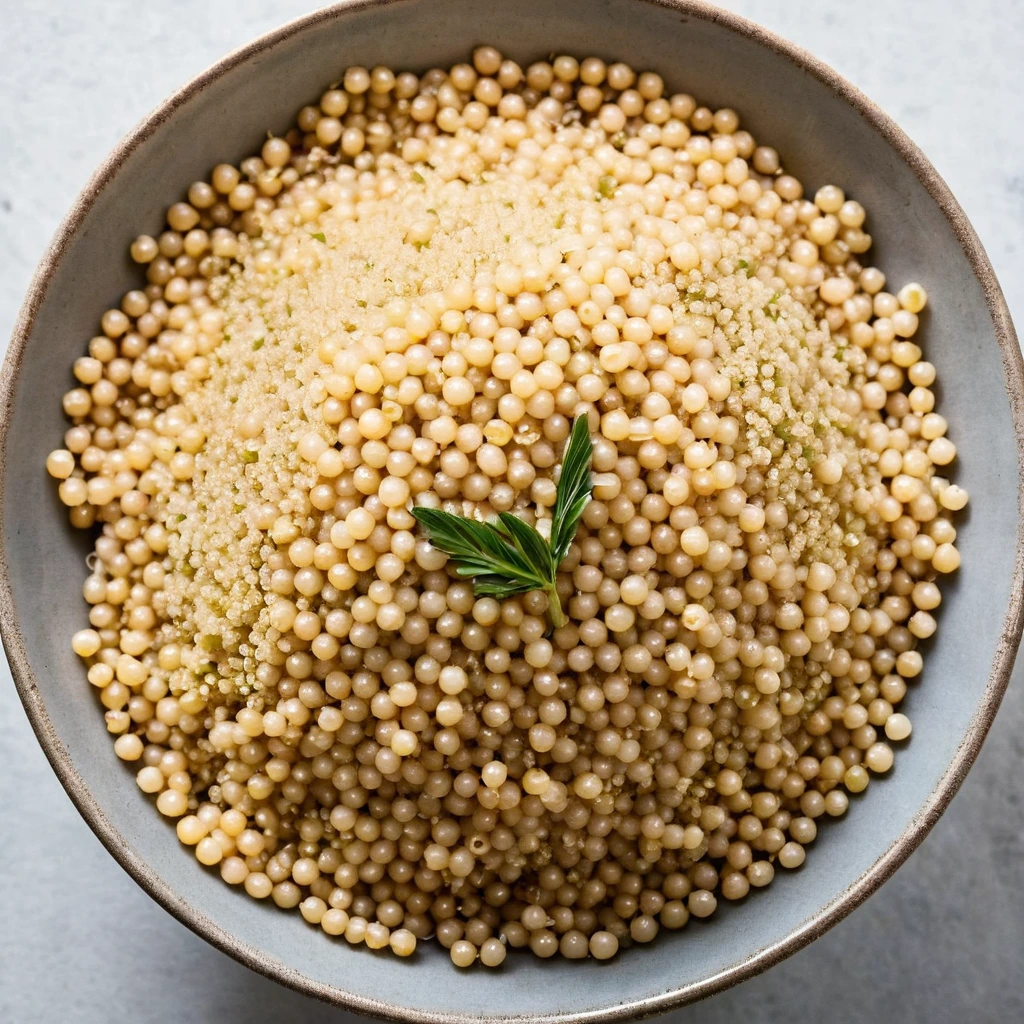
Couscous Pearls (Israeli Couscous)
Couscous pearls, commonly referred to as Israeli couscous, are larger and toasty in comparison to traditional Moroccan couscous. Originating from Israel, these tiny golden spheres are technically a pasta made from semolina wheat, rather than a grain. They boast a nutty flavor and a pleasantly chewy texture when cooked, offering a satisfying mouthfeel. When added to dishes, they absorb flavors well and maintain their shape, making them ideal for salads, stews, and pilafs. Due to their hearty nature, they take a bit longer to cook than their Moroccan counterpart, requiring a gentle simmer to achieve the perfect al dente bite.
Notes
When selecting couscous pearls, opt for ones that are uniform in size and have a vibrant color. Store them in an airtight container in a cool, dark pantry for up to two years. Before cooking, consider toasting them in a dry skillet to enhance their nutty flavor. Couscous pearls are gluten-containing, so they are not suitable for individuals with celiac disease or gluten sensitivity. Ensure they are cooked thoroughly to avoid any uncooked centers.
Uses
- Salad base
- Stews and soups
- Pilaf side dish
- Vegetable medley
- Stuffed peppers
- Baked casseroles
- Grain bowls
You might also like
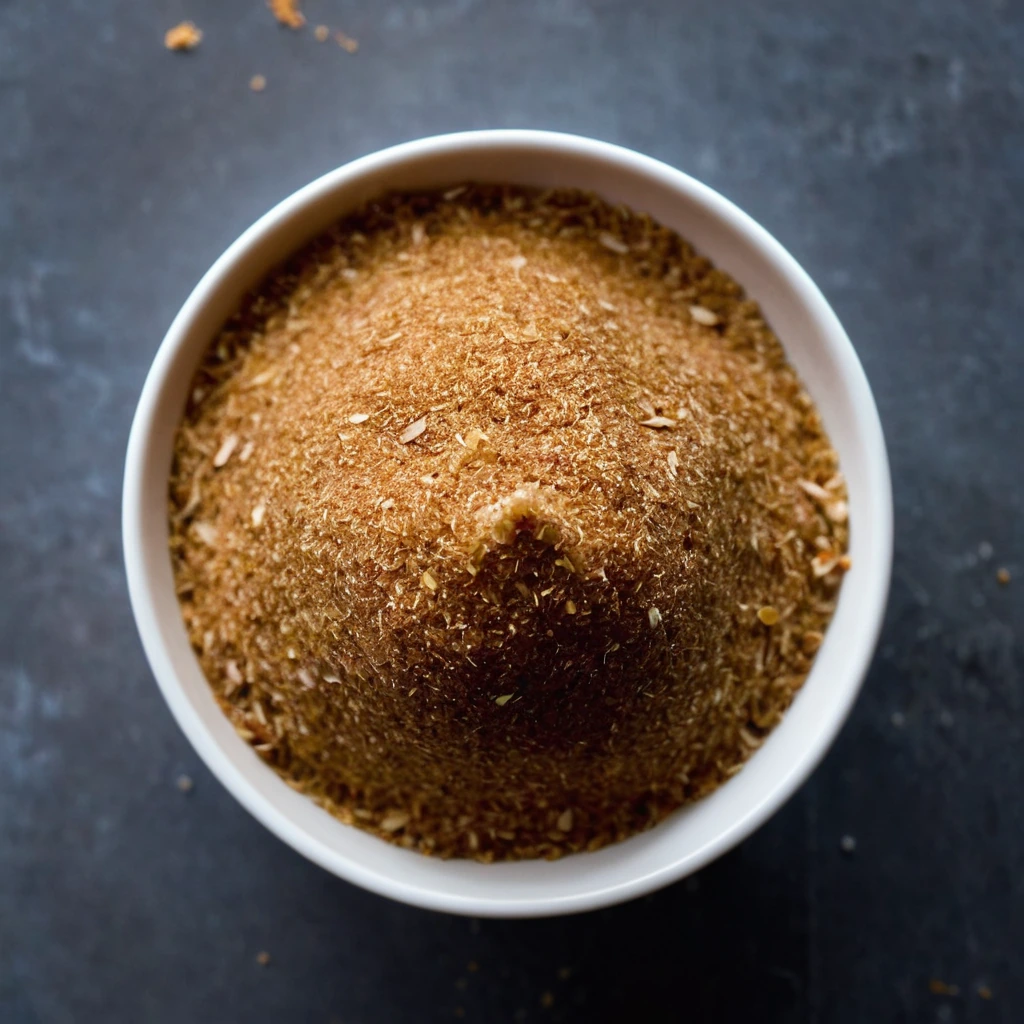
Coconut Sugar
Coconut sugar is a natural sweetener derived from the sap of coconut palm trees. With its rich caramel-like flavor and golden hue, it offers a delightful alternative to traditional sugars. Each granule holds a hint of molasses and warmth, making it a treat for the senses.
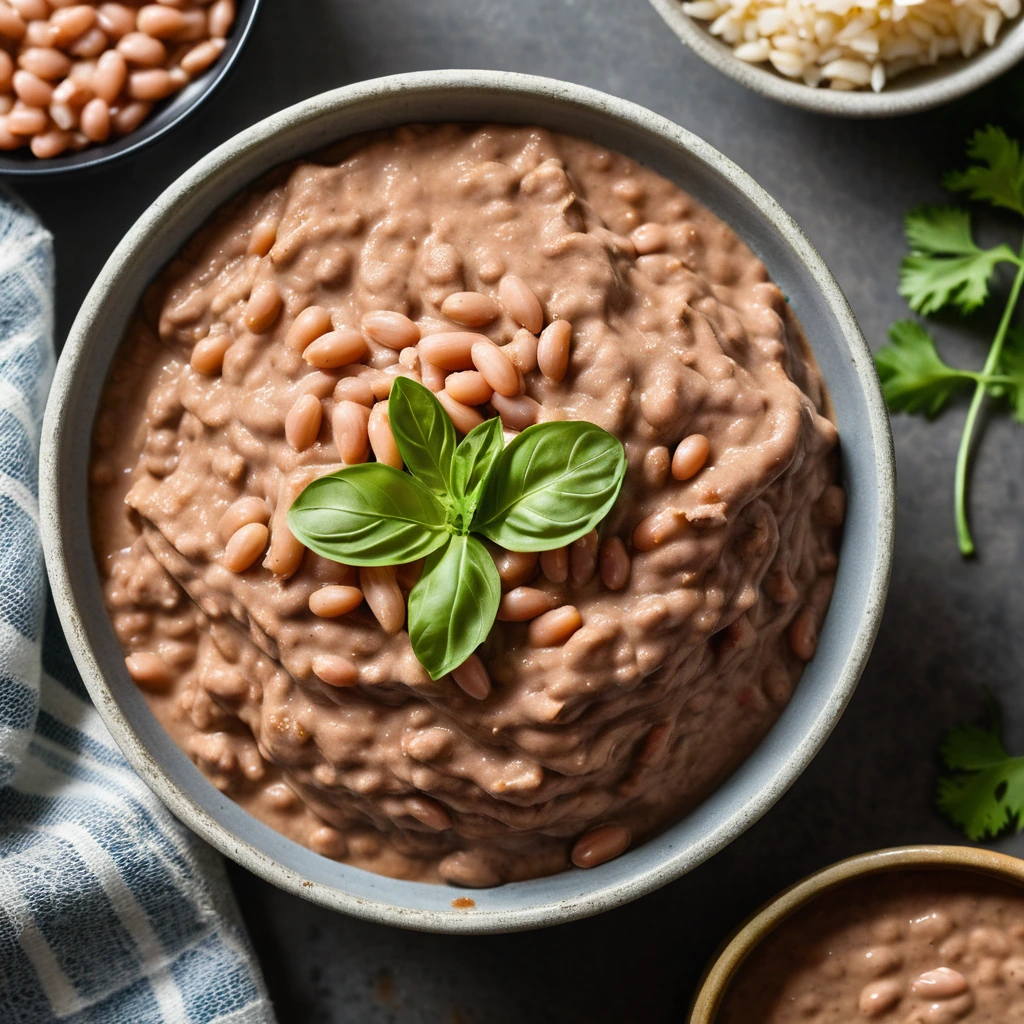
Canned Refried Beans
Creamy and comforting, canned refried beans offer a smooth, savory texture with a hint of earthy richness. Perfectly seasoned and ready to elevate any dish.
Recipes to try
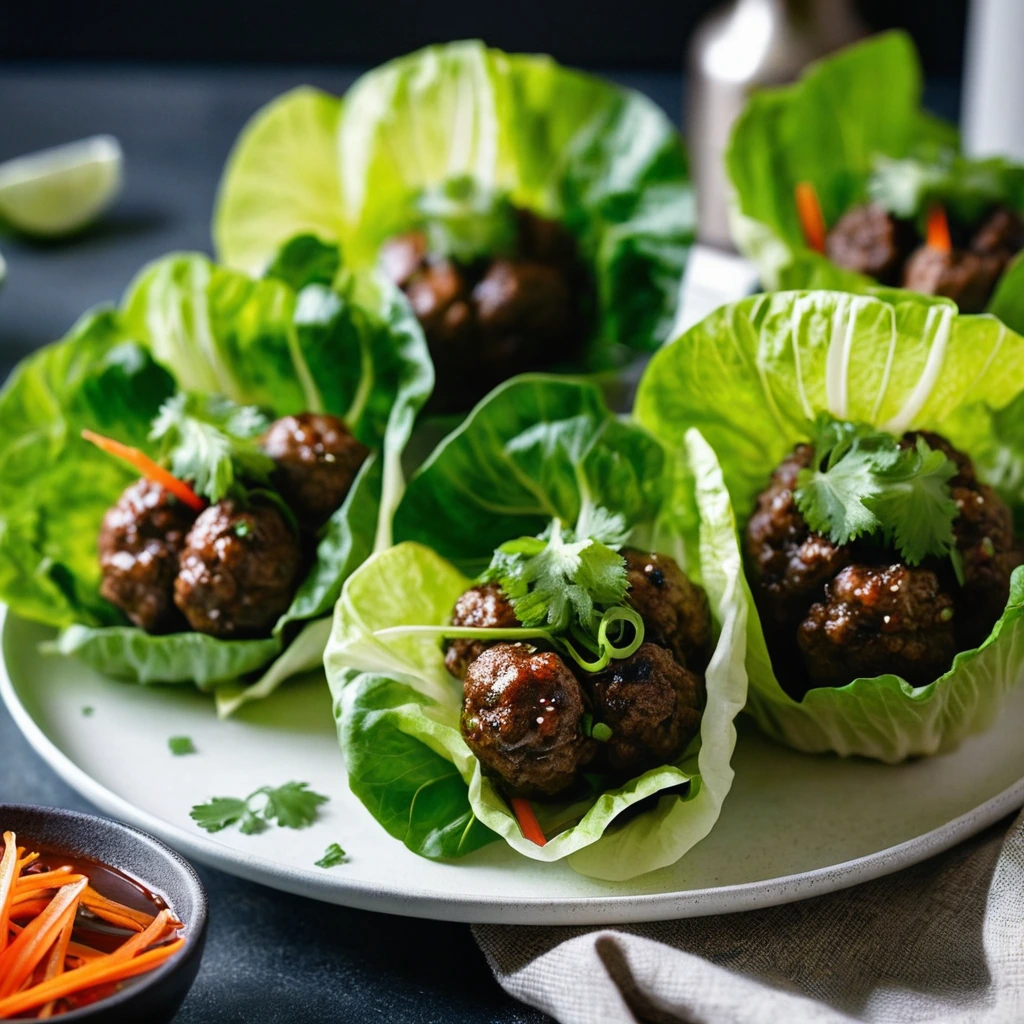
Sweet Chili Glazed Meatball Lettuce Wraps
Juicy meatballs cloaked in a sticky-sweet chili glaze, nestled in crisp lettuce cups for a flavor explosion with every bite.
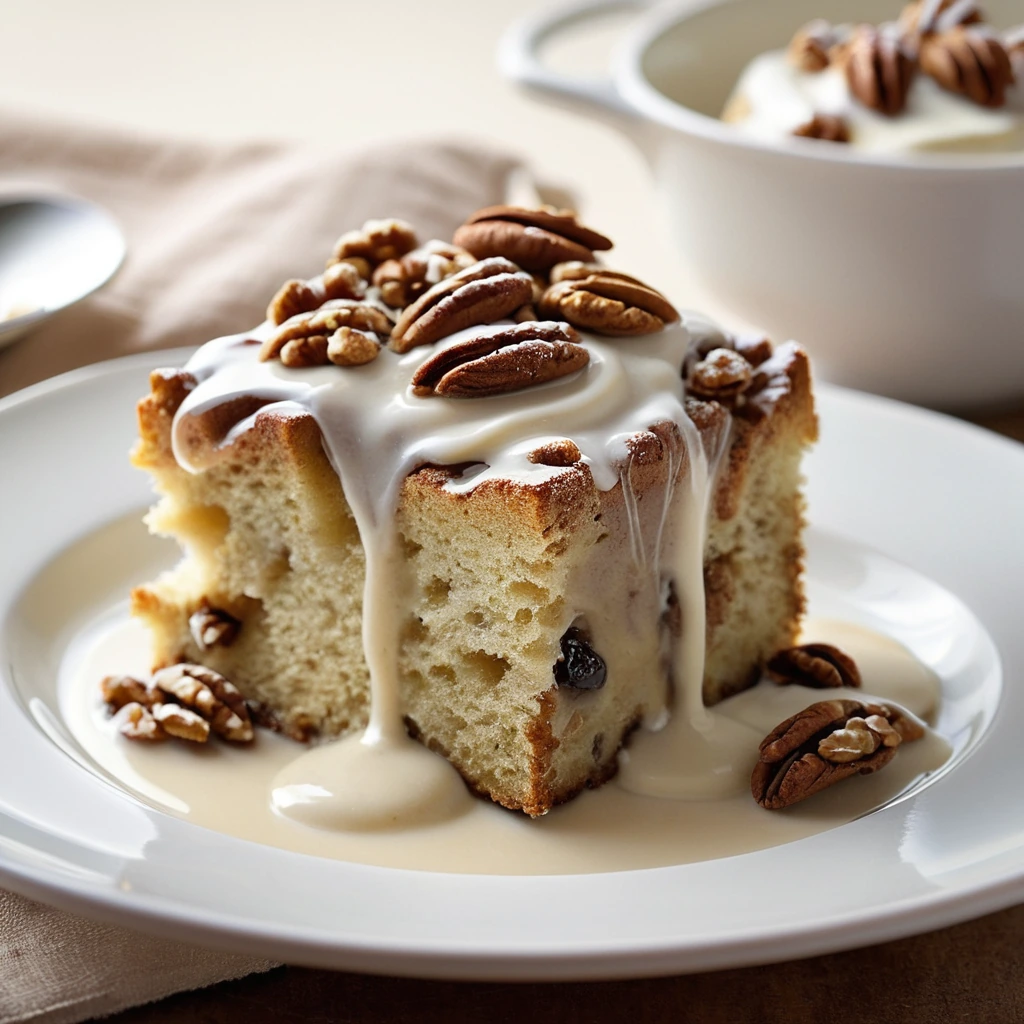
Maple Pecan Bread Pudding with Vanilla Sauce
Warm, spiced bread pudding drizzled with maple syrup and crunchy pecans, served with a silky vanilla sauce.