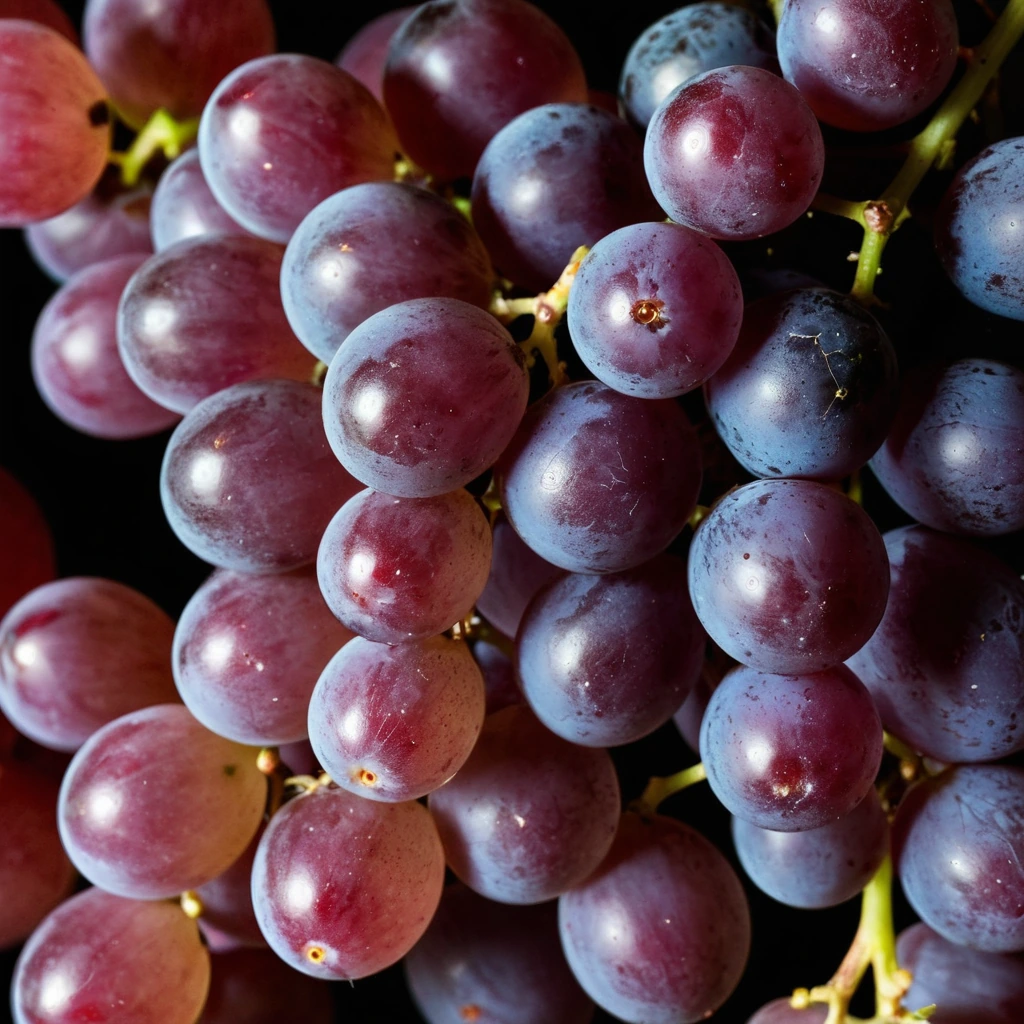
Grapes
Grapes are small, round fruits that grow in clusters on vines, primarily cultivated in temperate zones around the world. Originating from the Near East, they have been cultivated for thousands of years and are integral to many cuisines and cultures, notably in winemaking. Grapes come in a variety of colors including green, red, purple, and black, each offering a unique flavor profile. They are known for their sweet yet slightly tart taste, with a pleasant, fruity aroma. Their texture is firm yet yielding, with a satisfying pop when bitten into, and they house a small, crunchy seed in many varieties, though seedless types are commonly found in markets. In cooking, grapes can be used fresh or dried, and they behave well in both sweet and savory dishes, contributing natural sweetness and vibrant color.
Notes
When selecting grapes, look for plump, firmly attached fruits with no signs of wrinkling or mold. Store grapes in the refrigerator in their original packaging or a perforated bag to maintain freshness for up to a week. Before use, gently rinse them under cold water. For those with sensitivities, note that grapes are a common allergen and are often treated with sulfur dioxide to preserve freshness. Handle with care to avoid crushing, which can lead to quick spoilage.
Uses
- Fresh fruit salads
- Charcuterie boards
- Wine and juice making
- Roasted vegetable medleys
- Grape jelly or jam
- Frozen dessert snacks
Replacements
- Berries like blueberries or raspberries
- Cherries for similar sweetness and texture
- Pomegranate seeds for a burst of flavor
- Raisins or currants when dried grapes are needed
You might also like
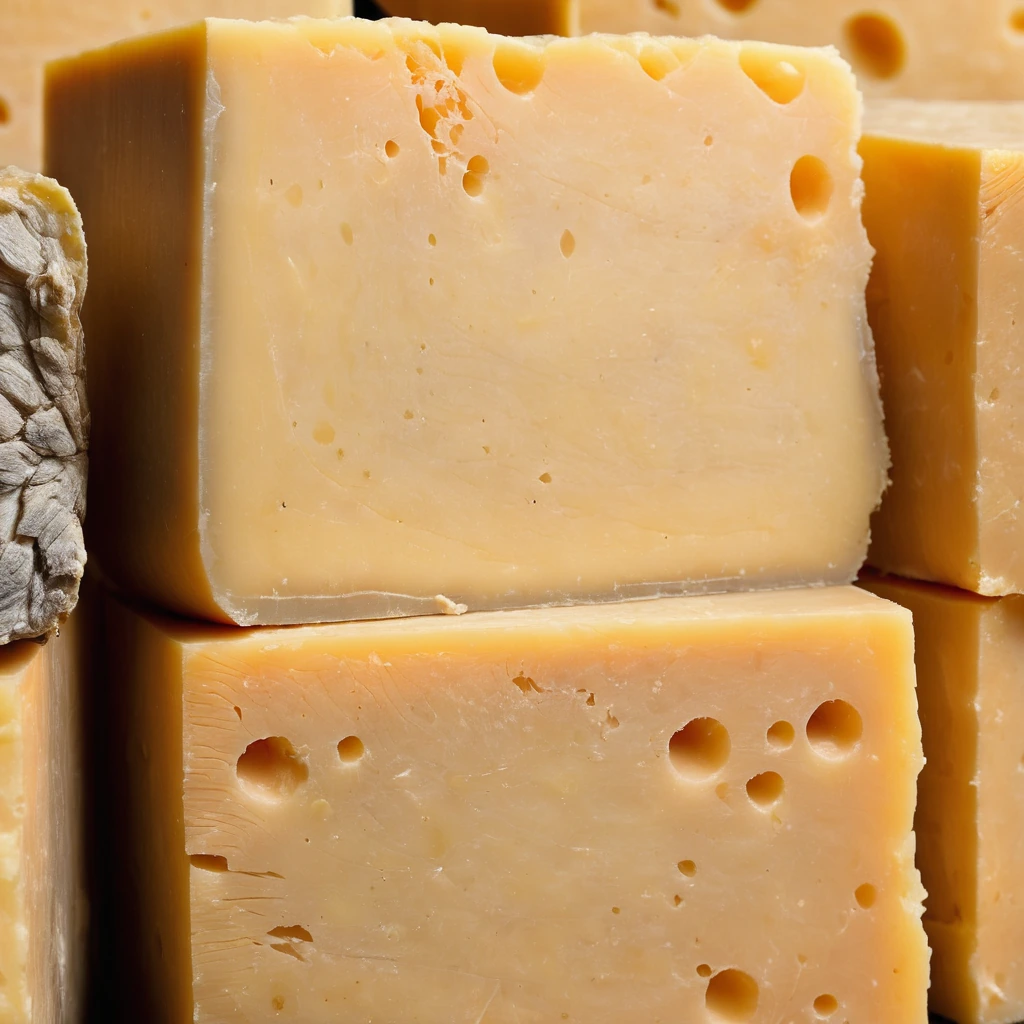
Cheddar Cheese Block
Cheddar cheese block is a firm, natural cheese originating from the village of Cheddar in Somerset, England. It is renowned for its versatility and is available in a wide range of ages, from mild to sharp. The flavor profile can vary from creamy and mild in younger cheddars to intensely sharp and tangy in aged varieties. Its texture is smooth and firm, offering a satisfyingly crumbly bite when eaten raw. In cooking, cheddar melts smoothly, making it ideal for dishes like casseroles, grilled cheese sandwiches, and macaroni and cheese. It browns well under heat and adds a rich, savory depth to both cooked and uncooked dishes.
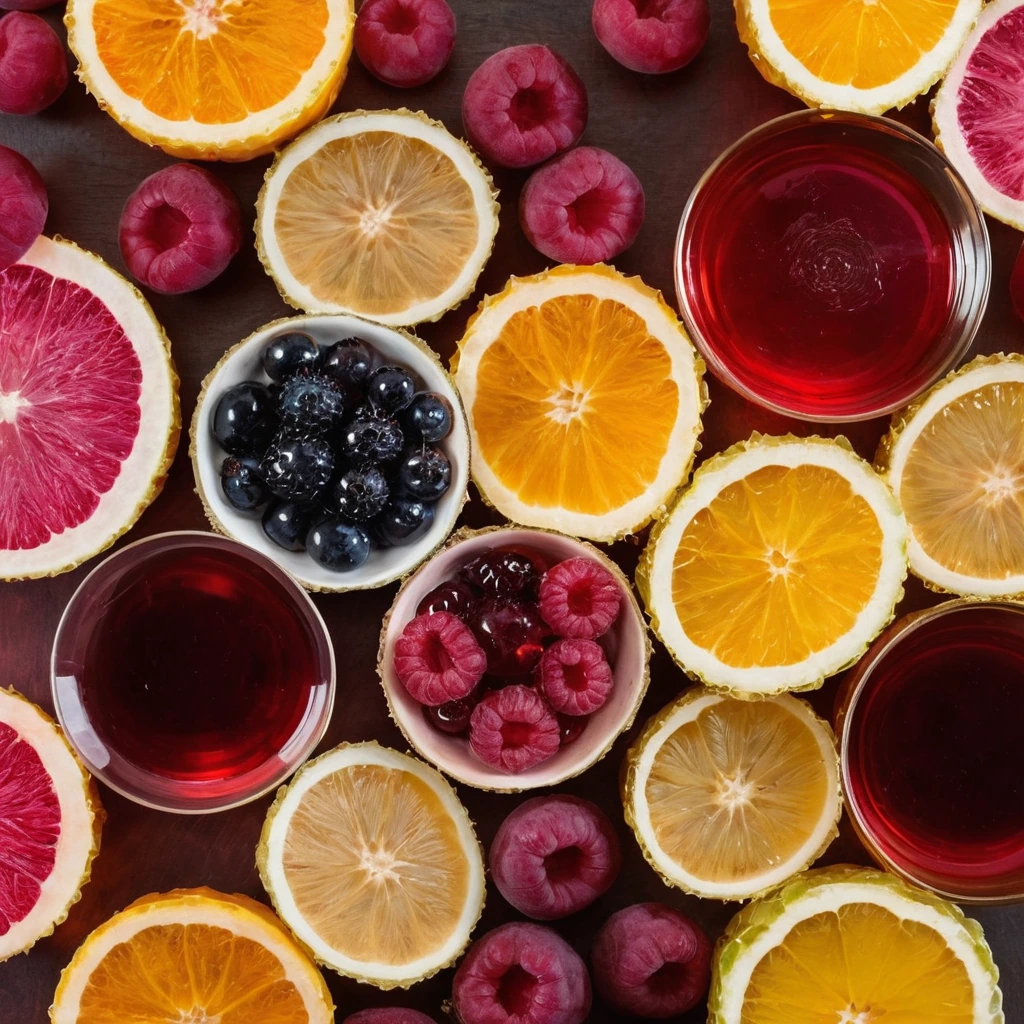
Fruit Jelly
Fruit jelly is a smooth, spreadable confection made primarily from fruit juice, sugar, and pectin. Its origins trace back to ancient culinary traditions, with evidence of its production in Middle Eastern and European cuisines. The flavor profile of fruit jelly is bright and fruity, reflecting the essence of the fruit used, whether it be strawberry, raspberry, or orange. Its texture is firm yet yielding, providing a pleasant chewiness when eaten. In cooking, fruit jelly is known for its ability to add a burst of fruity flavor and a glossy sheen to dishes. It can be melted down to act as a glaze for meats or used to layer desserts for a vibrant, fruity component.
Recipes to try

Savory Breakfast Bowls with Quinoa and Eggs
A hearty bowl brimming with fluffy quinoa, perfectly poached eggs, and a sprinkle of fresh herbs for a zesty morning start.
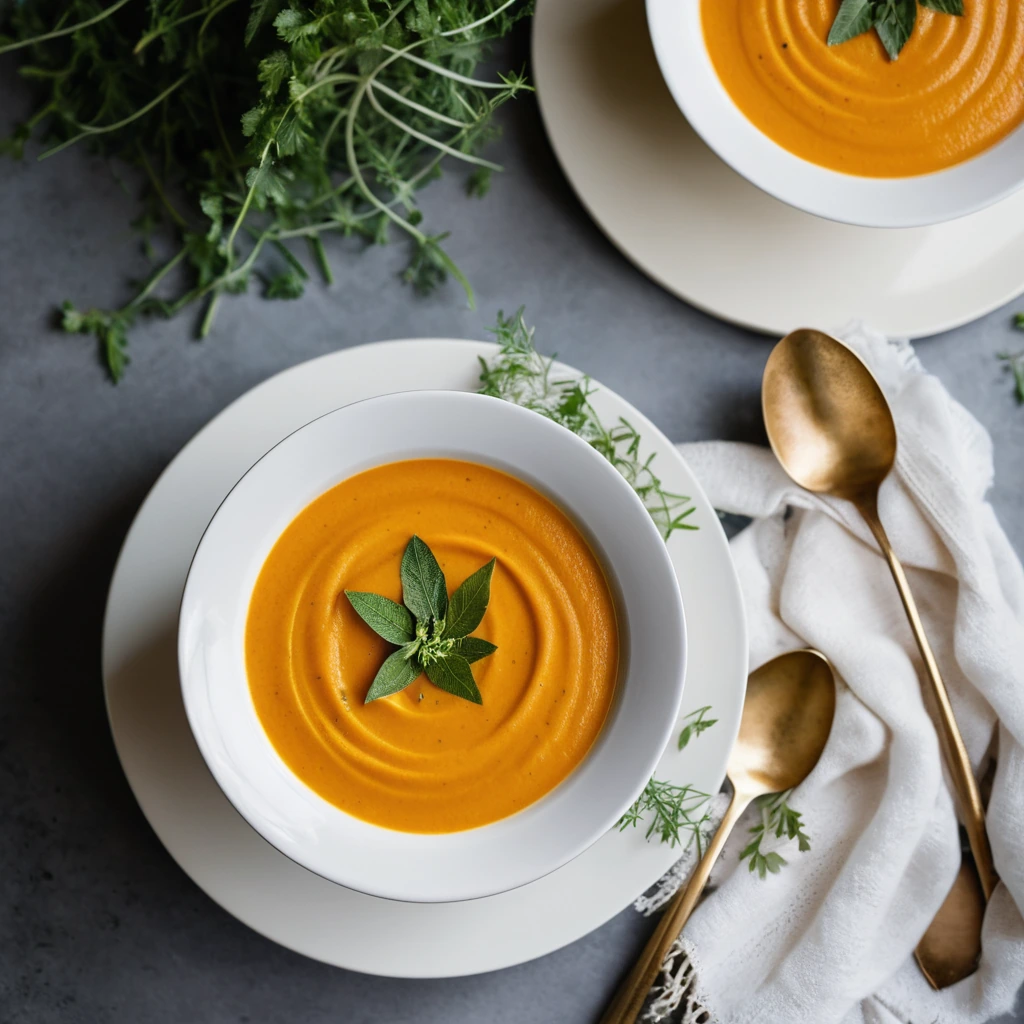
Pumpkin and Sweet Potato Bisque
Creamy and comforting, this bisque marries the earthy sweetness of pumpkin with the subtle nuttiness of sweet potato.