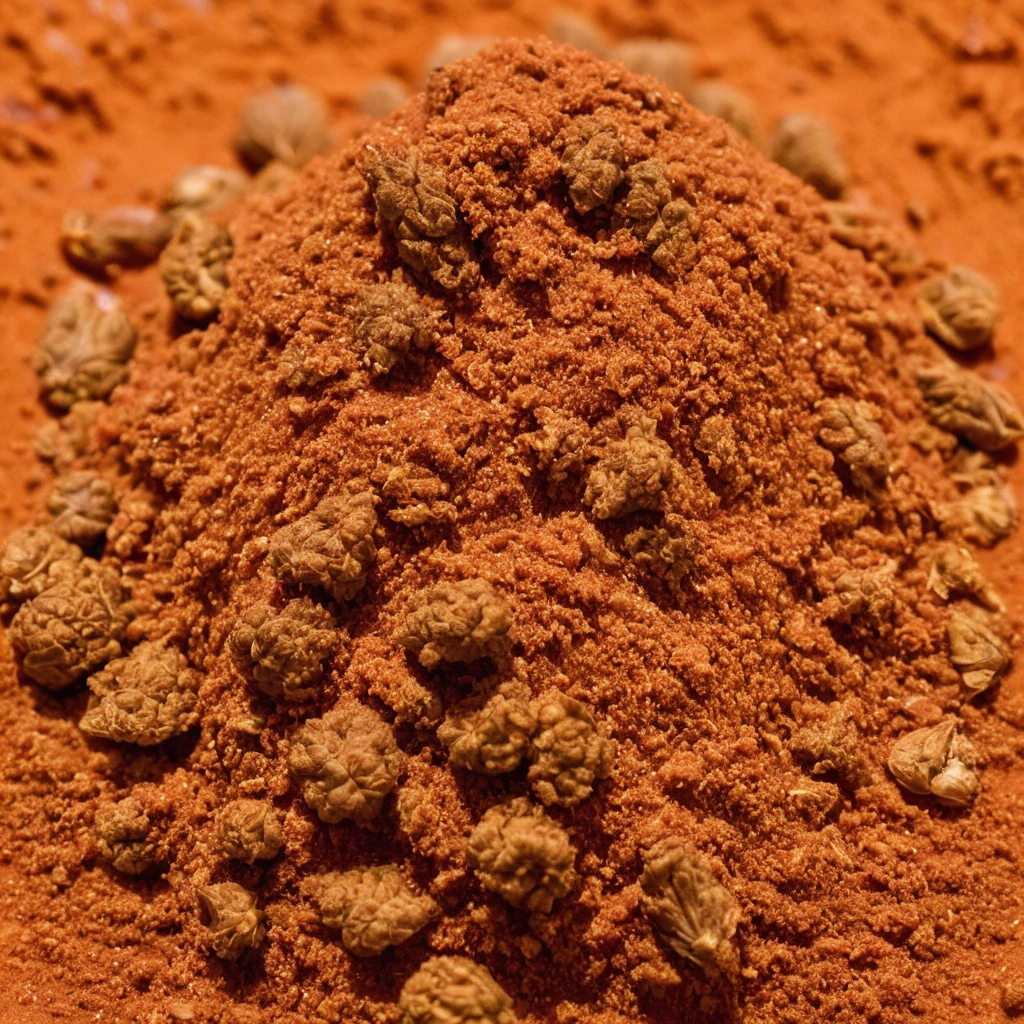
Thai Red Curry Paste
Thai red curry paste is a vibrant, aromatic blend of chilies, herbs, and spices that forms the flavorful base of the beloved Thai red curry. Originating from Thailand, this paste is a staple in many Southeast Asian cuisines, particularly known for its use in the iconic red curry dish. The paste is characterized by its deep red color, which comes from dried red chilies. It offers a complex flavor profile that is intensely spicy, yet balanced by notes of sweetness from palm sugar, tanginess from lime leaves, and earthiness from spices like cumin and coriander. Its texture is smooth and somewhat coarse due to the presence of lemongrass and galangal. When cooked, Thai red curry paste releases its aromatic oils, infusing dishes with rich, warming flavors and a fiery heat. Its robust nature allows it to stand up well to coconut milk, the usual companion in curries, creating a harmonious balance of spice and creaminess.
Notes
When selecting Thai red curry paste, look for a brand that lists fresh ingredients and avoids unnecessary additives. Store it in the refrigerator after opening, where it will keep for several months; if you anticipate longer storage, consider freezing portions for future use. Be cautious when handling, as the chilies can cause a burning sensation on the skin. For those sensitive to spice, start with a small amount to gauge heat tolerance. It is suitable for vegetarian diets, though some versions may contain shrimp paste, so always check labels for allergies or dietary restrictions.
Uses
- Stir-fries
- Red curry dishes
- Marinades for meats
- Soups like tom yum
- Vegetable stews
- Dipping sauces
- Grilled seafood rubs
Replacements
- Green curry paste (milder)
- Massaman curry paste (less spicy)
- Harissa paste (North African alternative)
- Gochujang (Korean chili paste)
- Homemade chili paste (with lemongrass and galangal)
You might also like
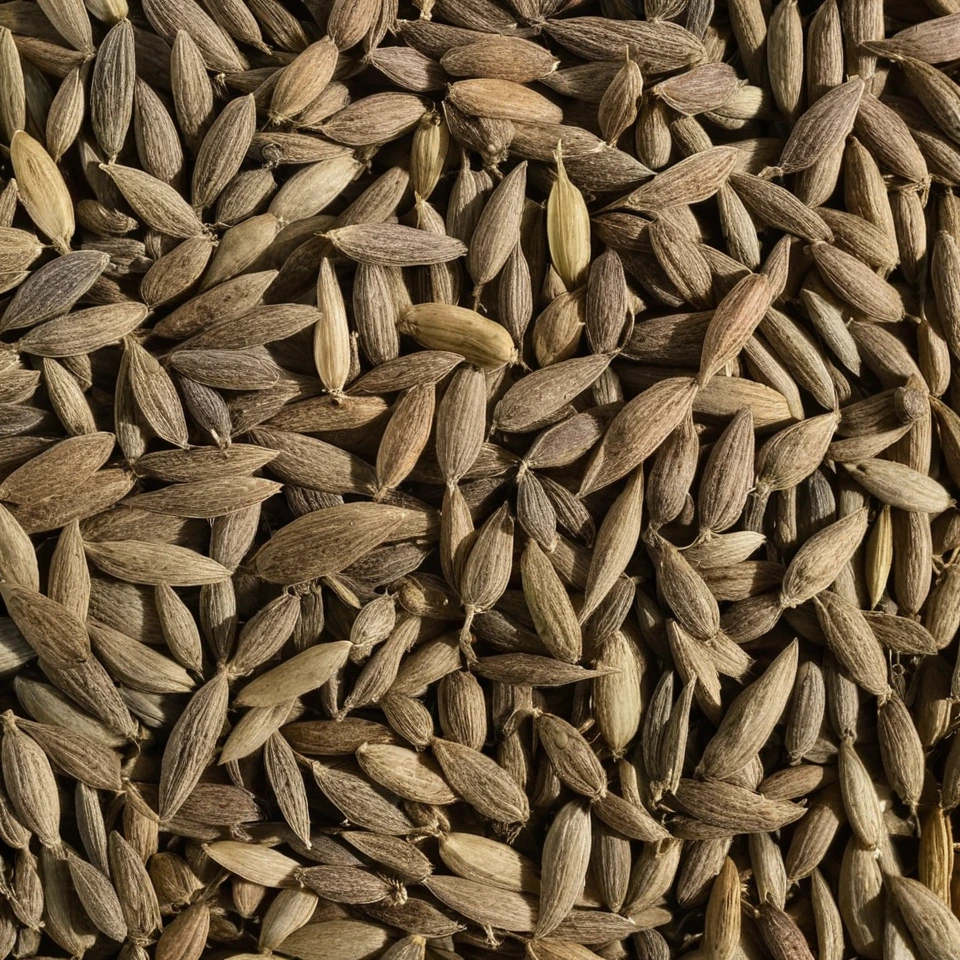
Caraway Seeds
Caraway seeds offer a warm, earthy flavor with a hint of citrus and a touch of anise-like sweetness. Their aroma is both inviting and slightly nutty, while their texture is crunchy and slightly sharp when chewed. Originating from western Asia, North Africa, and Europe, these seeds have been prized for centuries in both culinary and medicinal traditions. They add depth to dishes, enhancing breads, cheeses, and stews with their unique character.
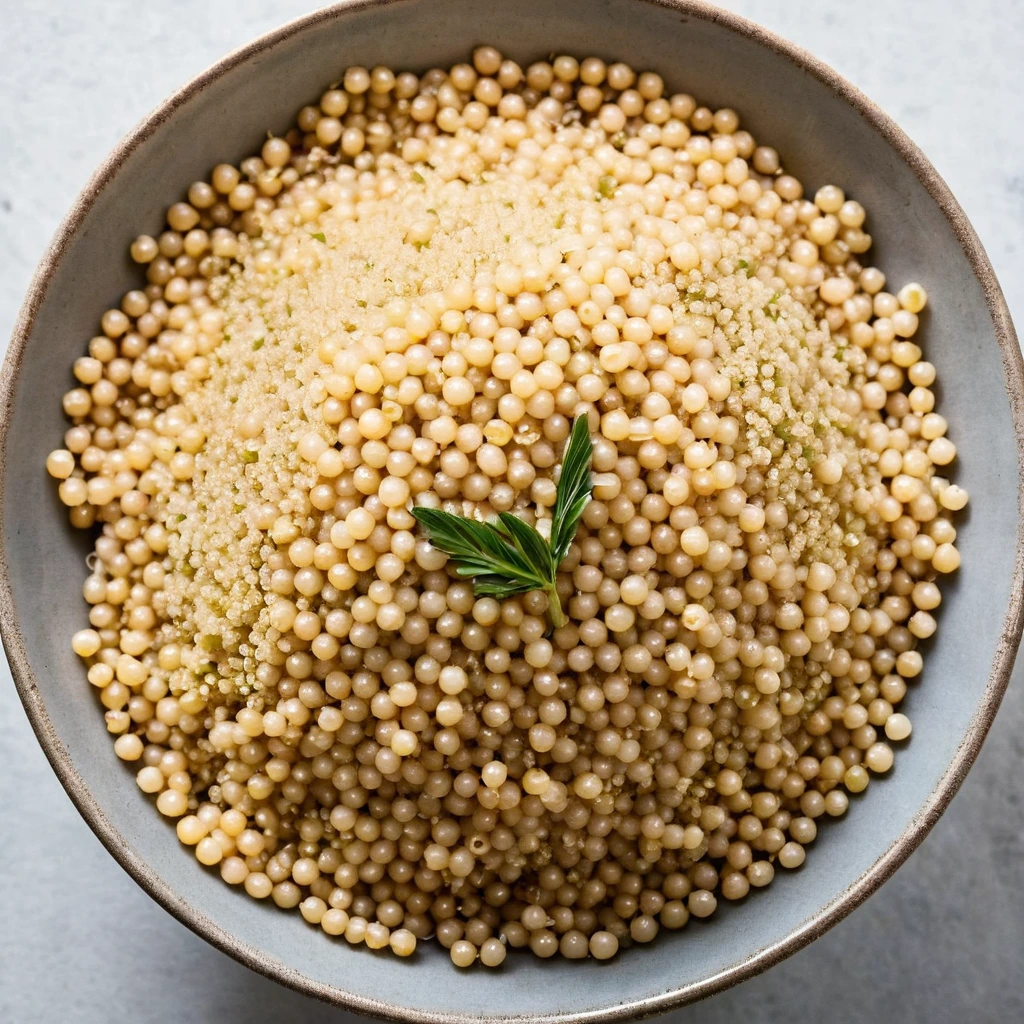
Couscous Pearls (Israeli Couscous)
Couscous pearls, commonly referred to as Israeli couscous, are larger and toasty in comparison to traditional Moroccan couscous. Originating from Israel, these tiny golden spheres are technically a pasta made from semolina wheat, rather than a grain. They boast a nutty flavor and a pleasantly chewy texture when cooked, offering a satisfying mouthfeel. When added to dishes, they absorb flavors well and maintain their shape, making them ideal for salads, stews, and pilafs. Due to their hearty nature, they take a bit longer to cook than their Moroccan counterpart, requiring a gentle simmer to achieve the perfect al dente bite.
Recipes to try
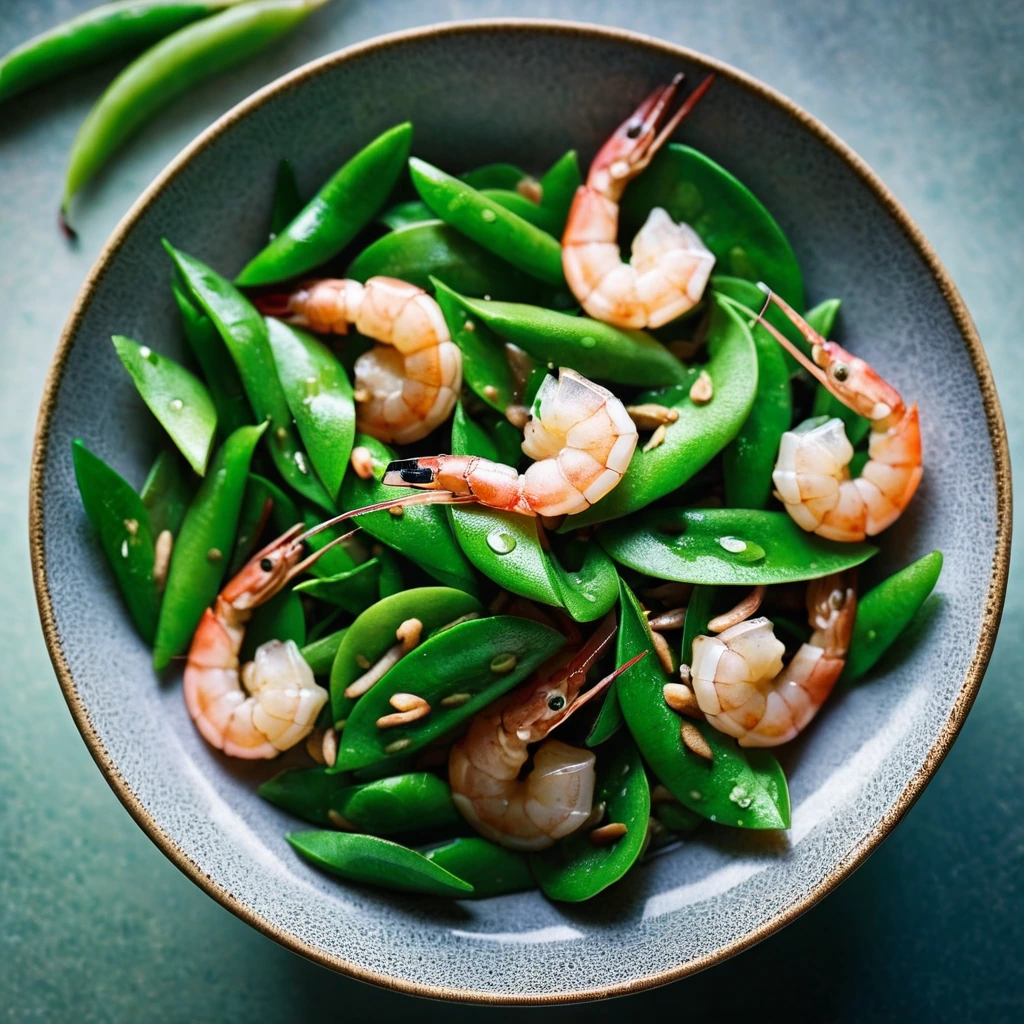
Shrimp and Snow Pea Stir Fry with Ginger
Succulent shrimp and crisp snow peas dance together in a fragrant, ginger-infused stir fry that's quick, zesty, and utterly satisfying.
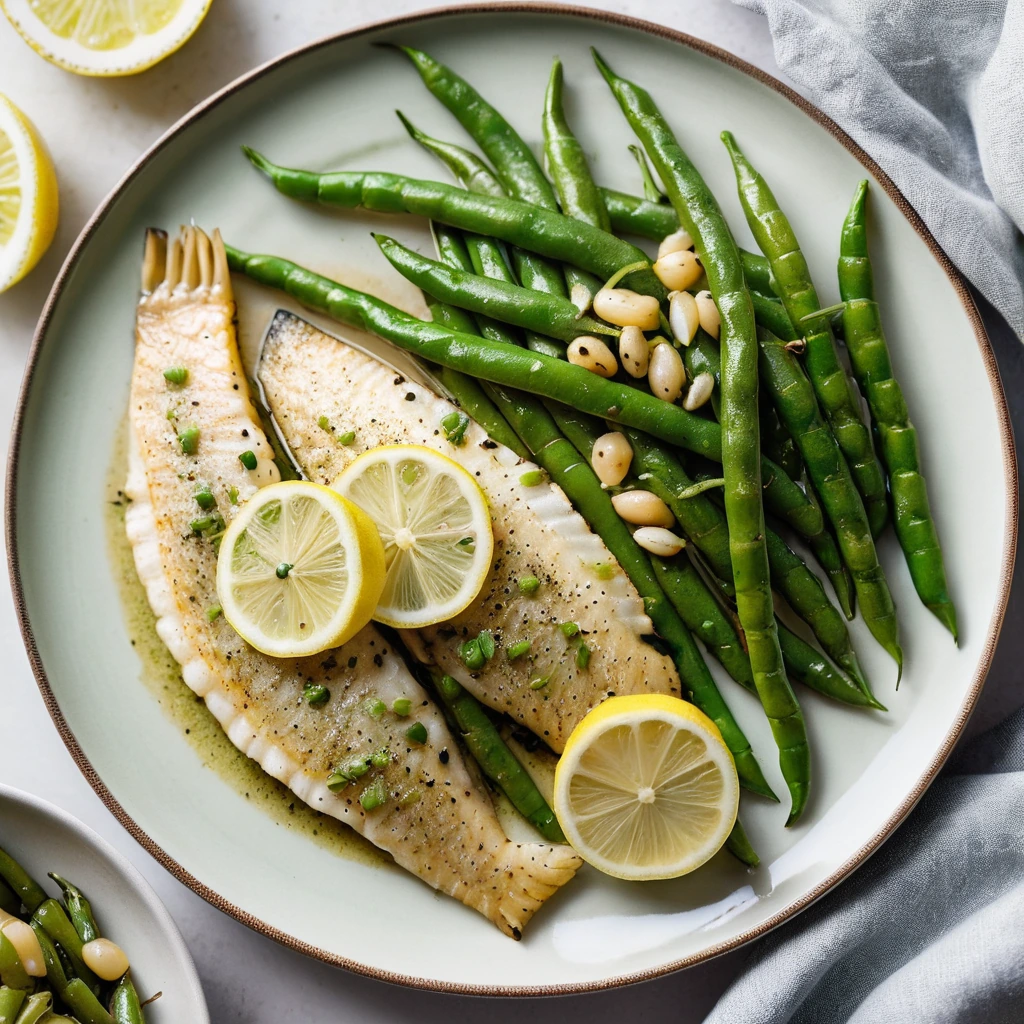
Lemon Pepper Tilapia with Garlic Green Beans
Zesty lemon pepper tilapia fillets served with garlicky, tender-crisp green beans make for a bright and satisfying weeknight meal.