Soba Noodles
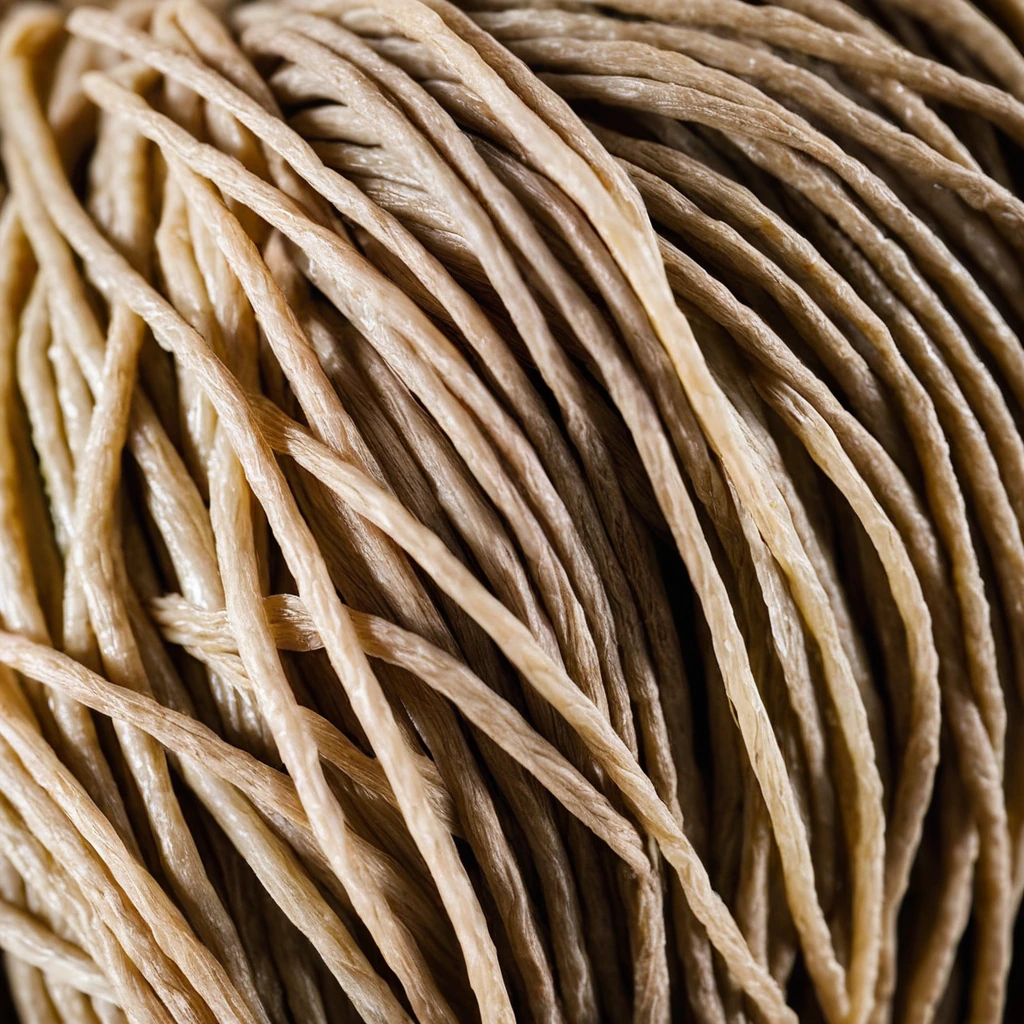
Soba noodles are traditional Japanese buckwheat noodles known for their distinctive earthy flavor and firm texture. Originating in Japan, these noodles have been a staple in Japanese cuisine for centuries, particularly favored during the autumn season. Soba offers a nutty, slightly smoky taste with a satisfying chew that holds up well in both hot and cold dishes. Its grayish-brown hue comes from the buckwheat flour used in its preparation, which also contributes to its nutritious profile, rich in fiber and protein. In cooking, soba noodles are versatile; they can be served chilled with a dipping sauce, in hot broths, or even stir-fried. They cook relatively quickly and do not require rinsing after boiling, unlike some other types of noodles.
Notes
When selecting soba noodles, look for those made with a high percentage of buckwheat flour for the most authentic flavor. Store them in a cool, dry place, where they can last for several months in an airtight container. To prepare, simply boil in salted water until just tender, then drain. Be mindful of any gluten sensitivities, as many commercial soba noodles contain a small amount of wheat flour. For gluten-free options, seek out 100% buckwheat soba.
Uses
- Chilled with dipping sauce
- Hot broth dishes
- Stir-fried with vegetables
- Salads with sesame dressing
- In noodle soups
You might also like
Skim Milk
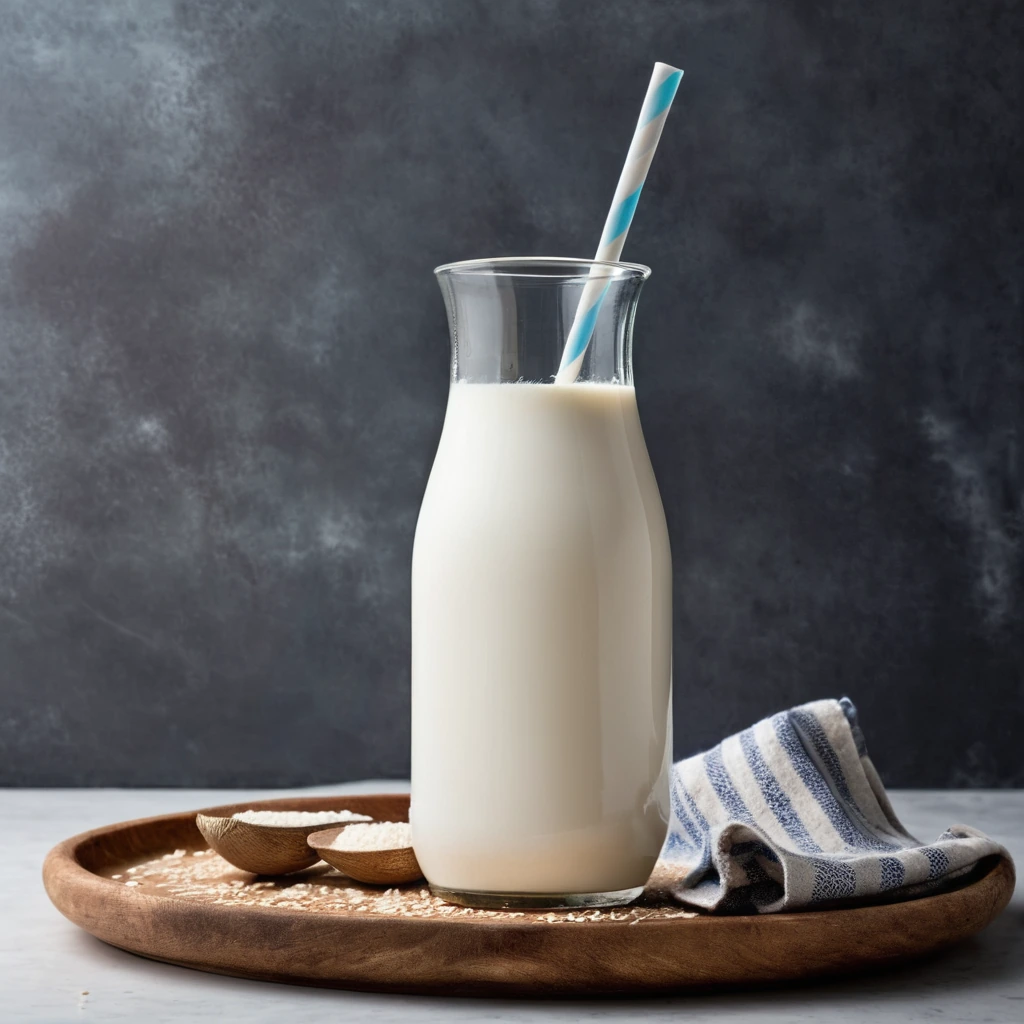
A lean, nutrient-rich liquid with a velvety texture and a mild, slightly sweet flavor. Skim milk is the epitome of purity, offering all the creamy satisfaction without the heavy fat content.
Potato Starch
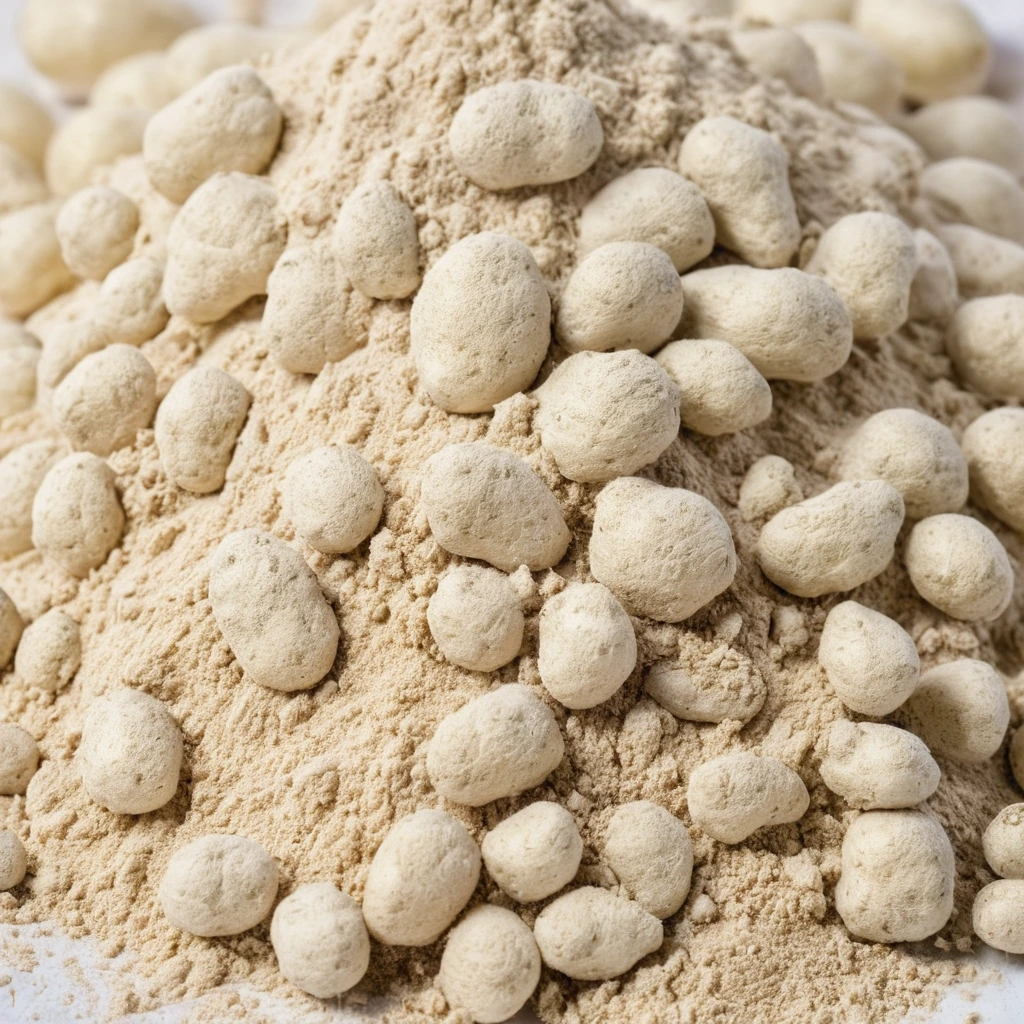
Potato starch is a fine, white powder extracted from the tubers of the potato plant, a staple in many global cuisines. Originating from the Andean region of South America, it has become a widely used thickening agent in kitchens around the world. The flavor is neutral, allowing it to blend seamlessly into dishes without imparting any distinct taste. Its aroma is mild and unobtrusive. When cooked, potato starch creates a glossy, translucent finish, making it ideal for sauces, gravies, and soups. It thickens quickly and efficiently, even at lower temperatures, and can withstand prolonged cooking without breaking down. Its texture is powdery and smooth, and when used in gluten-free baking, it helps create a light and tender crumb.