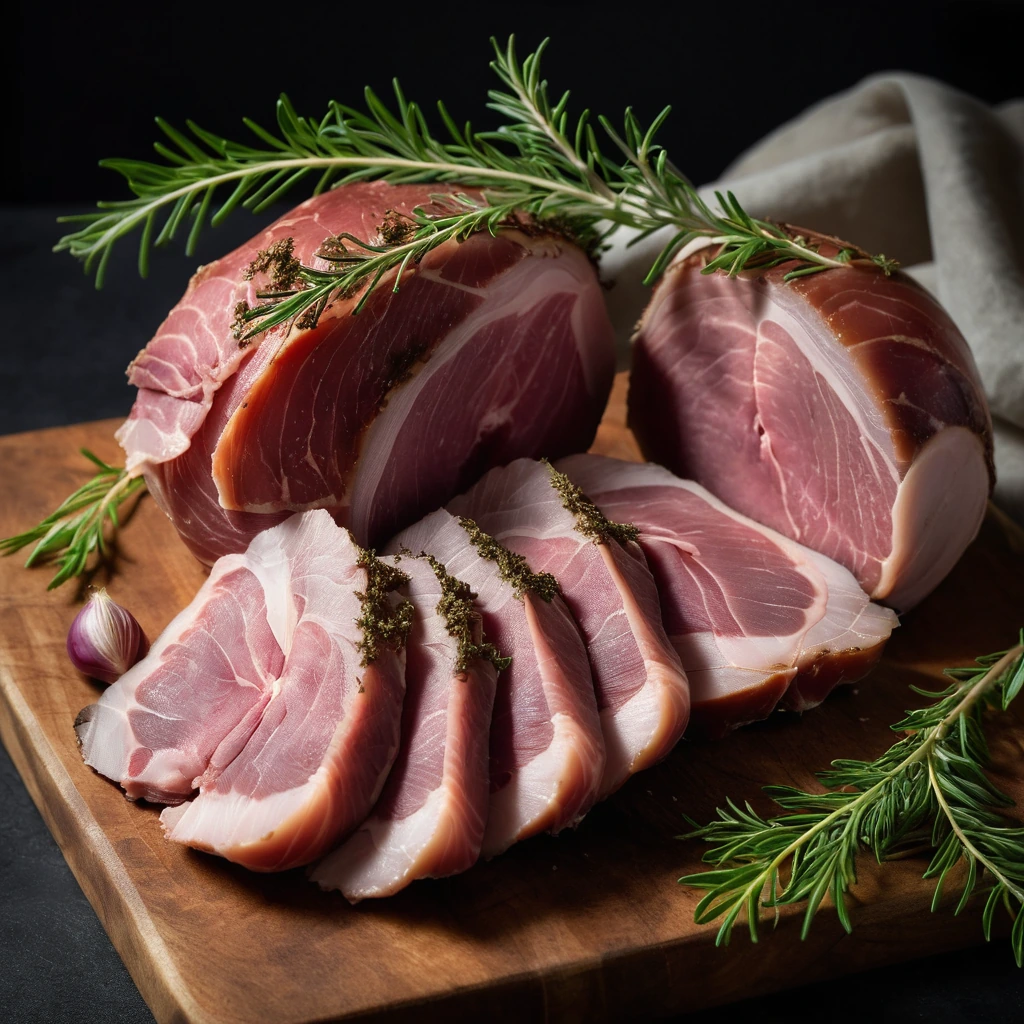
Smoked Ham Hock
A smoked ham hock is the joint where a pig's foot meets its leg, renowned for its rich, savory flavor and tender texture when cooked properly. Originating from traditional European and Southern American cuisines, it is often cured and smoked, imparting a deep, smoky aroma with hints of saltiness. The collagen-rich meat becomes succulent and gelatinous when simmered slowly, making it a prized ingredient for enhancing soups, stews, and beans. Its robust flavor can transform humble dishes into hearty, comforting meals. In cooking, it adds both depth of taste and a silky mouthfeel due to the rendered fat and collagen.
Notes
When selecting a smoked ham hock, look for one with a deep, rich color and a pleasant smoky scent. Avoid any with an overly salty or sour smell. Store ham hocks in the refrigerator for up to one week or in the freezer for several months. Before cooking, rinse the hock under cold water to remove excess salt. Be aware that ham hocks are high in sodium and fat, and consider portion sizes accordingly. They are not suitable for those following a kosher diet or with pork allergies.
Uses
- Slow-cooked beans
- Hearty soups
- Split pea soup
- Collard greens
- Braised cabbage
- Homemade stock
You might also like

Pink Peppercorns
Pink peppercorns, though not true peppercorns, offer a delicate, sweet, and slightly floral flavor with a gentle heat that lingers. Their aroma is fresh and fruity, reminiscent of rose petals and citrus. The texture is firm yet yields a satisfying crunch when bitten into. Originating from the dried berries of the Baies roses tree in South America, they add a vibrant pop of color and a nuanced taste to dishes. Valued for their visual appeal and unique flavor profile, they elevate both sweet and savory dishes with a touch of sophistication.
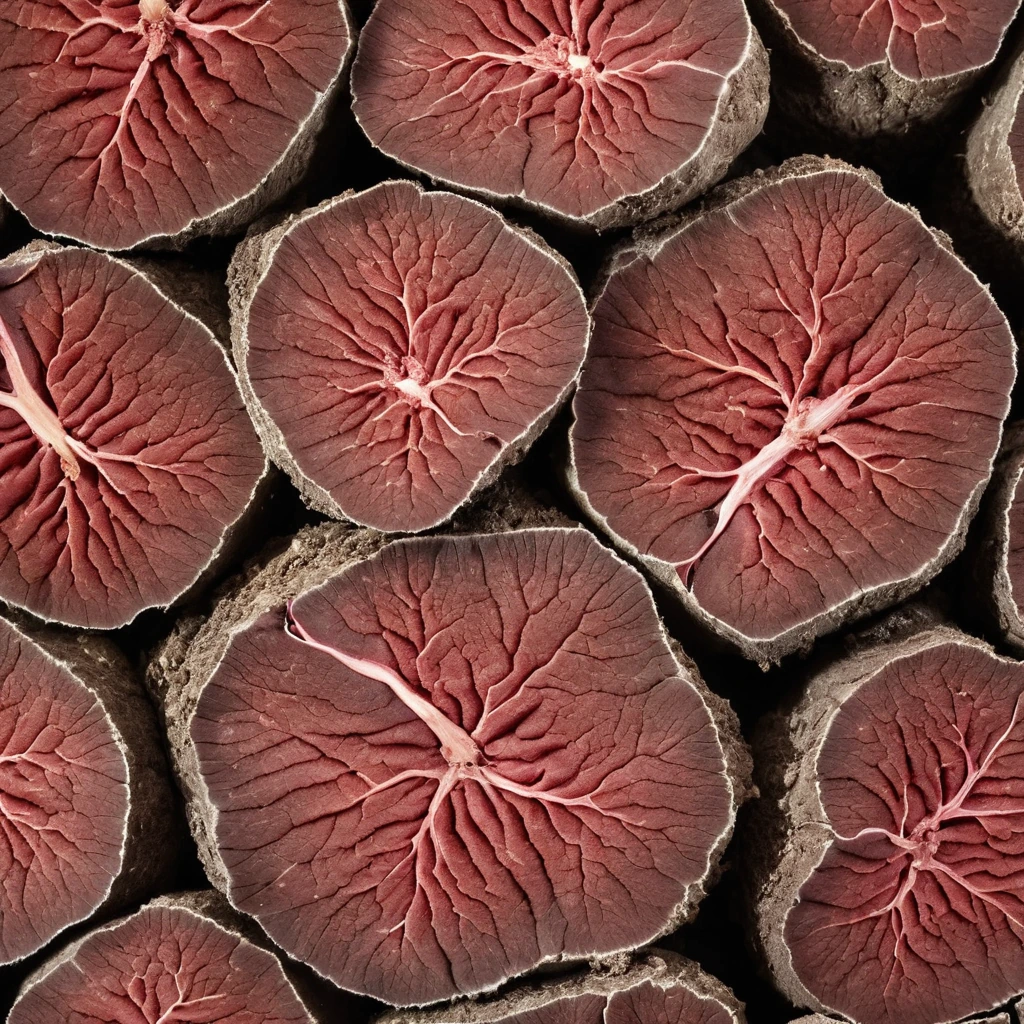
Ground Bison
Ground bison is a lean, nutrient-rich alternative to traditional ground beef, derived from the American bison, a species native to North America. Bison meat has a distinctive flavor profile that is slightly sweeter and richer than beef, with a hint of minerality that reflects its natural grazing habits. Its texture is firm yet tender, with less fat content than beef, which can lead to a denser patty if not handled properly. In cooking, ground bison benefits from gentle handling and additional fat or moisture to prevent dryness, as it can brown quickly and has a tendency to overcook due to its lower fat content.