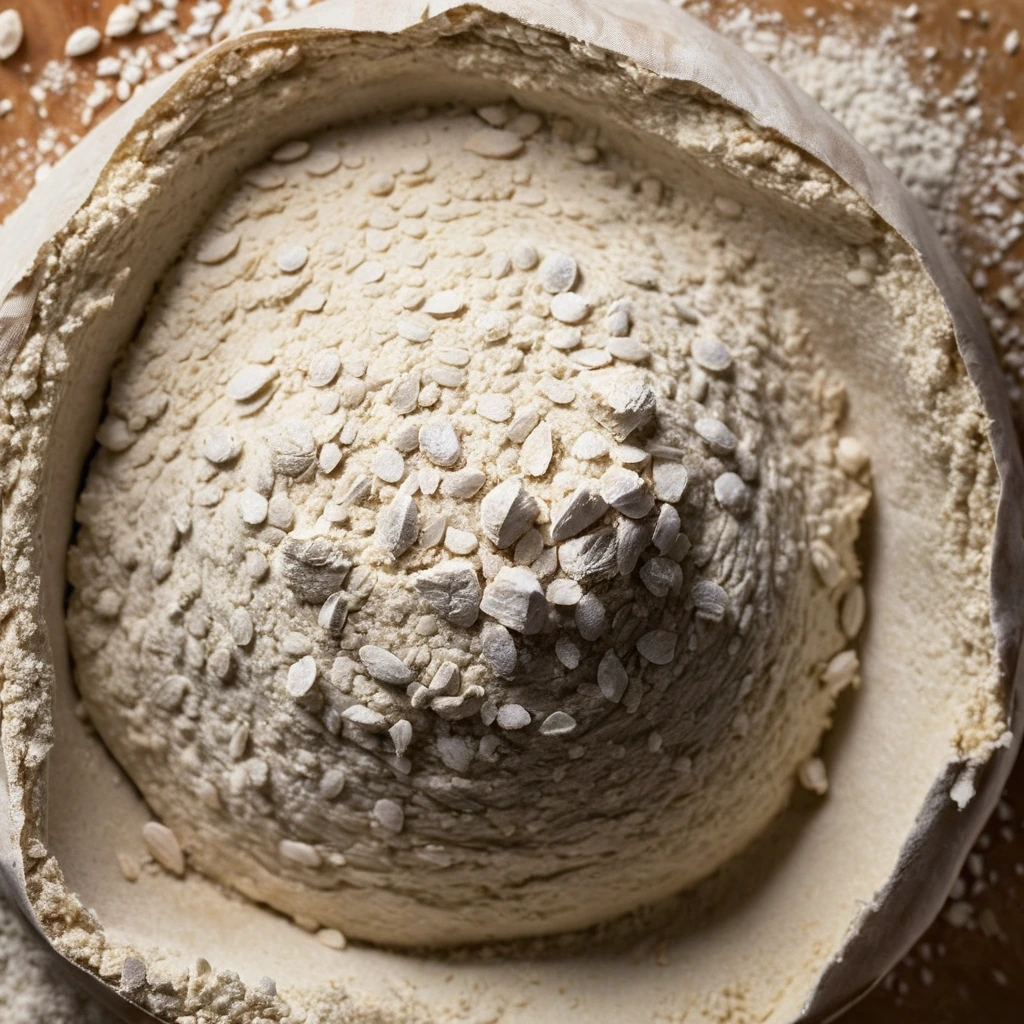
Pastry Flour
Pastry flour is a type of wheat flour milled to a fine consistency with a moderate protein content, typically ranging from 8 to 9.5%. Its origins are tied to the baking traditions of North America, where it is favored for its versatility in creating tender yet flaky pastries. This flour offers a mild, slightly sweet flavor and a fine, smooth texture that contributes to delicate baked goods. When used in cooking, pastry flour strikes a balance between cake flour's softness and all-purpose flour's robustness, allowing dough to hold its shape while remaining tender. It excels in recipes where a fine crumb is desired without the heaviness that higher protein flours can impart.
Notes
When selecting pastry flour, look for a fresh, unexpired product with a consistent texture. Store it in an airtight container in a cool, dark place for up to six months or in the freezer for extended storage. For optimal results, sift the flour before measuring to ensure an airy consistency. Though uncommon, those with gluten sensitivities should use caution, as pastry flour contains gluten. Consider measuring flour by weight for precision.
Uses
- Pie crusts
- Tarts
- Shortbread
- Biscuits
- Scones
- Cream puffs
Replacements
- All-purpose flour
- Cake flour blended with all-purpose flour
- Whole wheat pastry flour for whole grain options
- Self-rising flour (omit added leavening)
- Bread flour (for a chewier texture)
You might also like
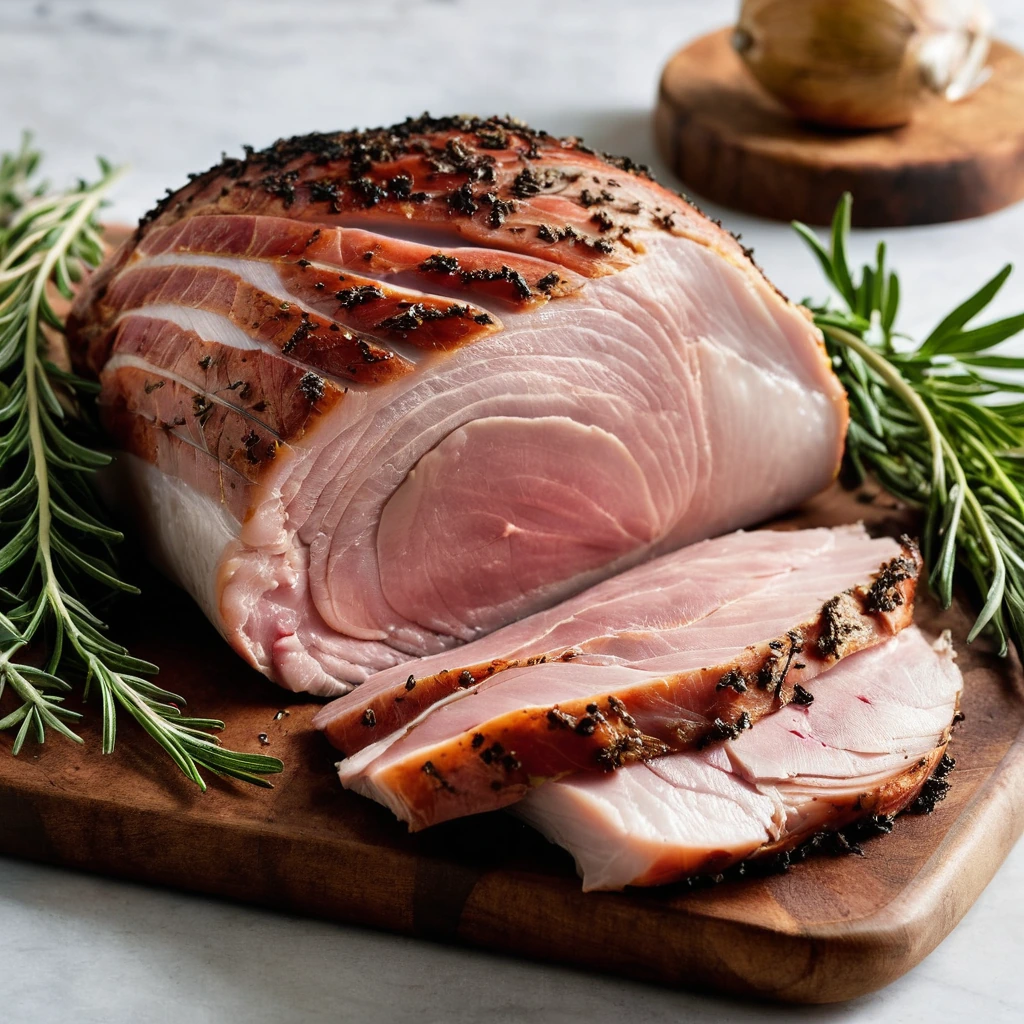
Smoked Turkey Breast
Smoked turkey breast is a lean and flavorful cut of meat derived from the breast of a turkey, traditionally prepared through a smoking process that infuses it with a rich, smoky aroma and taste. Originating from American culinary traditions, particularly in regions with a strong barbecue culture, smoked turkey breast is celebrated for its robust, savory flavor profile, which is simultaneously smoky and subtly sweet. Its texture is moist and tender when properly cooked, making it a satisfying addition to various dishes. In cooking, smoked turkey breast is versatile, holding its shape well in sandwiches and salads while also complementing hearty casseroles and grain bowls. Its inherent smokiness can elevate soups and stews, providing depth without the need for additional seasoning.
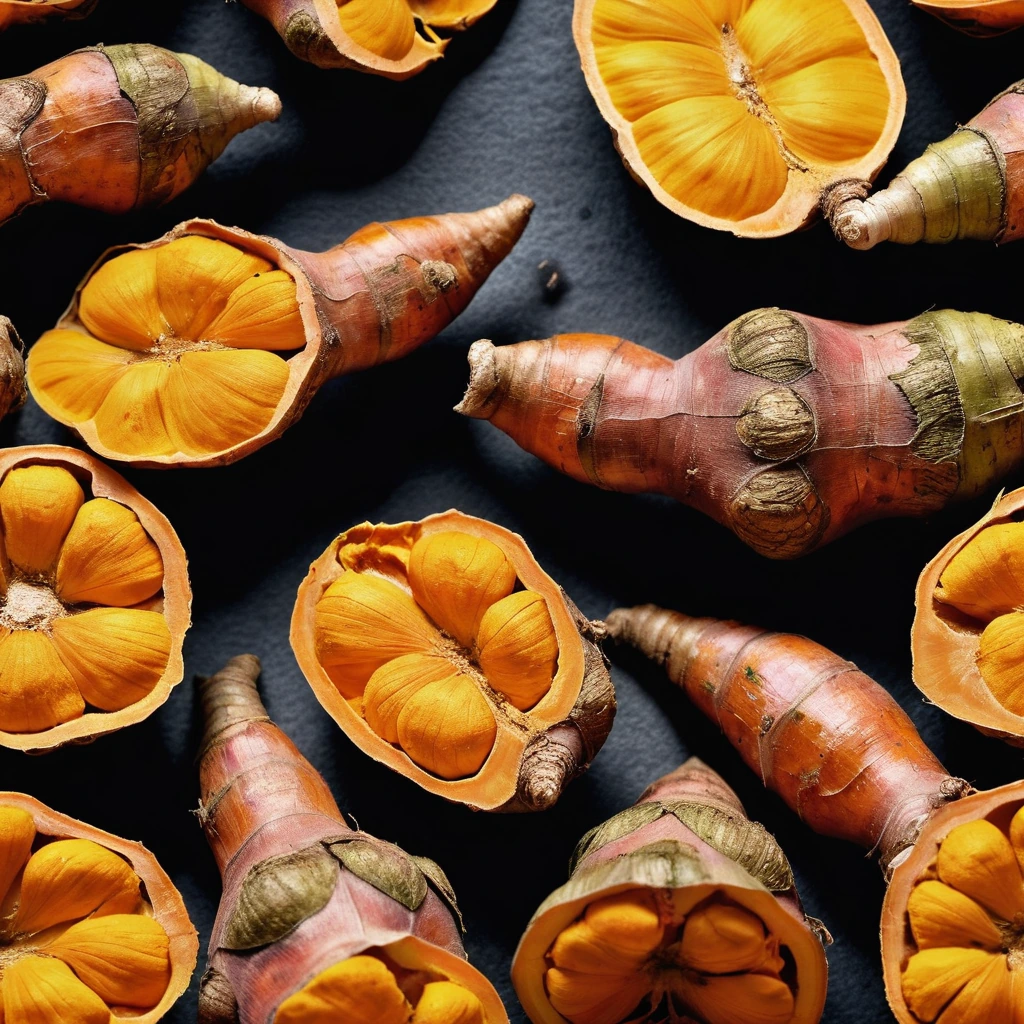
Fresh Turmeric Root
Fresh turmeric root is the unprocessed rhizome of the Curcuma longa plant, a member of the ginger family. Originating in Southeast Asia and South India, turmeric has been used for millennia in both culinary and medicinal traditions. Its flavor is earthy and slightly peppery with a subtle sweetness, reminiscent of mustard but milder. The aroma is warm and musky. When eaten raw, its texture is firm and waxy, but it softens considerably when cooked. Fresh turmeric behaves well in cooking, infusing dishes with its vibrant yellow color and distinctive taste. It is often grated or minced before use and is known to release its full flavor when gently simmered or roasted.
Recipes to try

Shrimp Tacos with Cilantro Lime Slaw
Juicy grilled shrimp nestled in warm tortillas, topped with a vibrant cilantro lime slaw that's as refreshing as a sea breeze.
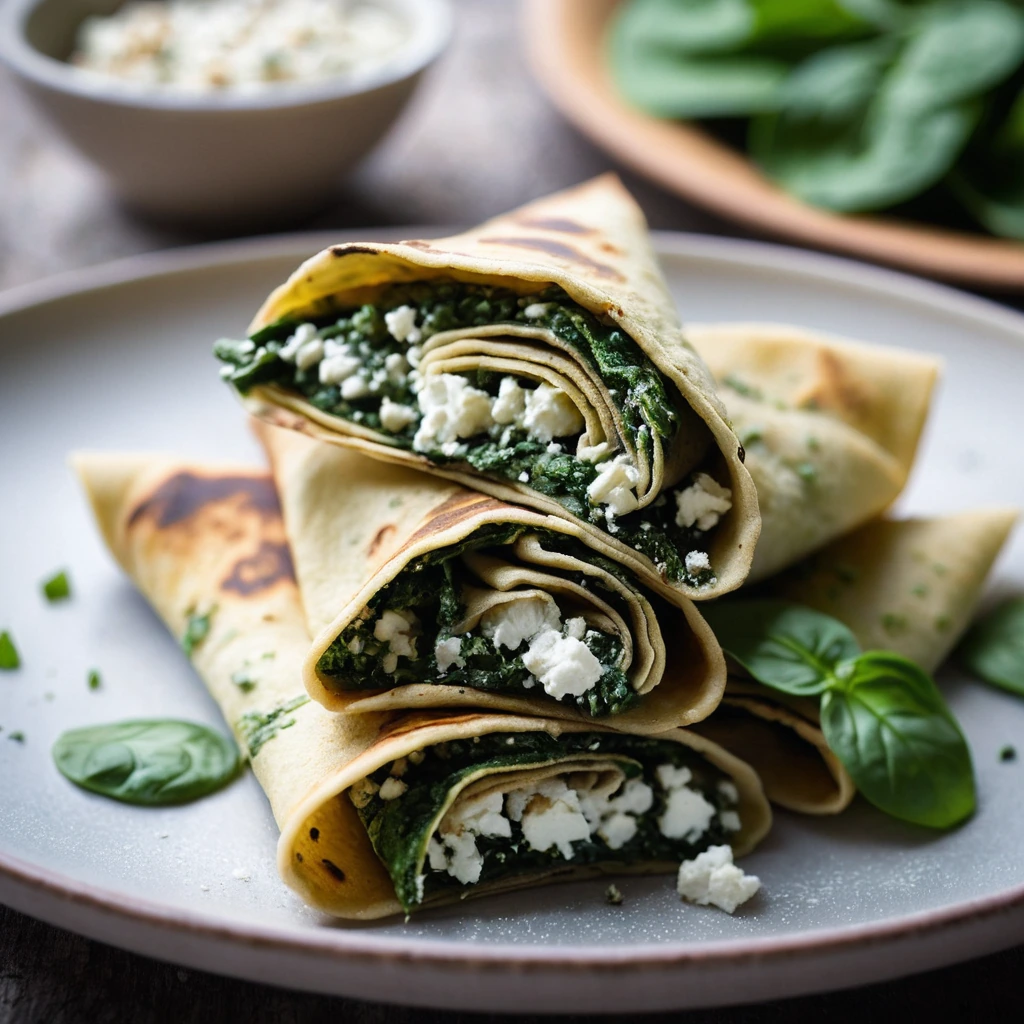
Spinach, Mushroom, and Feta Stuffed Crepes
Golden crepes envelop a savory blend of earthy mushrooms, tender spinach, and tangy feta for a satisfying vegetarian treat.