Medjool Dates
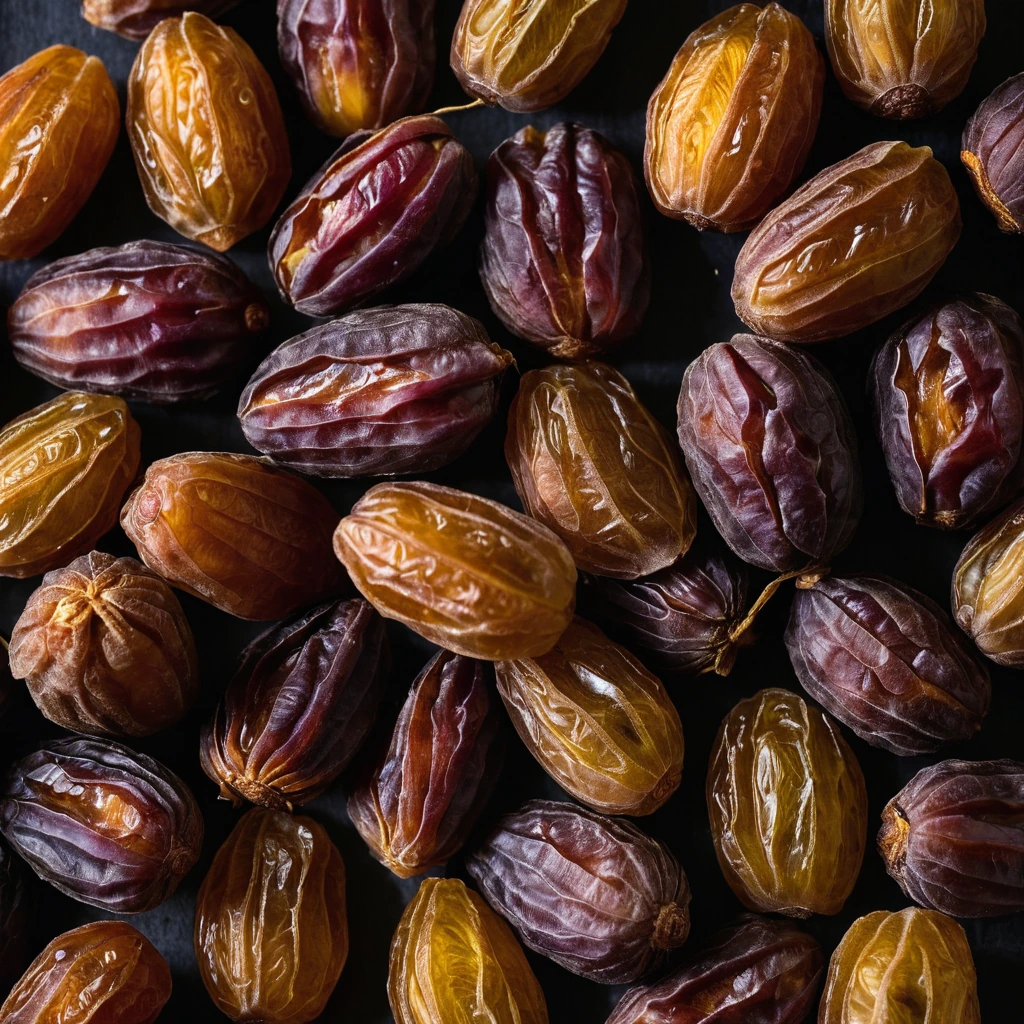
Medjool dates are large, golden-brown fruits known for their exceptional sweetness and soft, chewy texture. Originating from the Middle East, particularly regions like Iraq and Morocco, these dates have been cultivated for thousands of years and are now grown in places like California and the Middle Eastern countries. They offer a rich, caramel-like sweetness with hints of butterscotch and a hint of floral notes. The flesh is tender and plumps when ripe, making them almost melt-in-your-mouth enjoyable. In cooking, Medjool dates behave wonderfully as natural sweeteners, softening further when cooked and infusing dishes with their distinctive flavor. They can also absorb other flavors well, making them versatile in both sweet and savory dishes.
Notes
When choosing Medjool dates, look for plump, shiny skins without any cracks or stickiness, which can indicate overripeness. Store them in an airtight container in a cool, dark place for up to a month, or refrigerate for longer shelf life. For extended storage, they can be frozen. Medjool dates are naturally gluten-free but caution is advised for those with pit allergies. To pit dates easily, slice them open and remove the pit with a small paring knife.
Uses
- Smoothie sweetener
- Date paste
- Stuffed with nuts
- Salad garnish
- Tagine ingredient
Replacements
You might also like

Fresh Lemon Balm
Fresh lemon balm boasts a bright, citrusy aroma reminiscent of lemon zest with subtle mint undertones. Its tender, heart-shaped leaves are velvety to the touch and offer a refreshingly tangy flavor with a hint of sweetness. Originating from the Mediterranean region, this herb has been cherished for centuries for its calming properties and culinary versatility. Its unique ability to enhance both savory and sweet dishes makes it a prized addition to any kitchen garden.
Dutch-Process Cocoa Powder
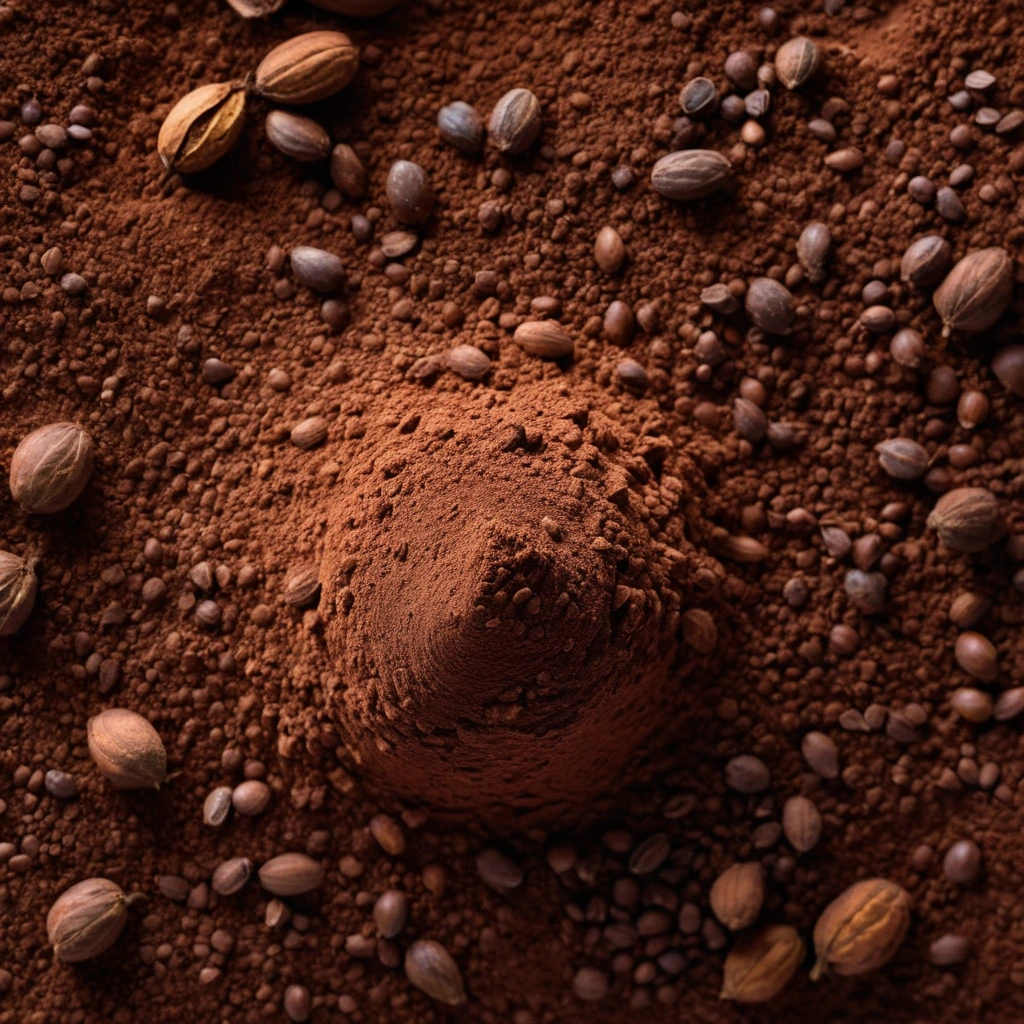
Dutch-process cocoa powder is a type of cocoa powder that has been treated with an alkalizing agent to neutralize its natural acidity. Originating in the early 19th century in the Netherlands, this cocoa variant is known for its deep, rich color and milder, slightly earthy flavor compared to natural cocoa powder. The alkalization process also enhances its solubility in water. Dutch-process cocoa powder offers a smooth, almost velvety texture that melts seamlessly into both hot and cold liquids. In cooking and baking, it behaves differently than natural cocoa powder, as its pH level affects chemical leaveners like baking soda, resulting in a more tender crumb in cakes and brownies.