
Dutch-Process Cocoa Powder
Dutch-process cocoa powder is a type of cocoa powder that has been treated with an alkalizing agent to neutralize its natural acidity. Originating in the early 19th century in the Netherlands, this cocoa variant is known for its deep, rich color and milder, slightly earthy flavor compared to natural cocoa powder. The alkalization process also enhances its solubility in water. Dutch-process cocoa powder offers a smooth, almost velvety texture that melts seamlessly into both hot and cold liquids. In cooking and baking, it behaves differently than natural cocoa powder, as its pH level affects chemical leaveners like baking soda, resulting in a more tender crumb in cakes and brownies.
Notes
When selecting Dutch-process cocoa powder, look for a brand that is well-reviewed and has a deep, dark color indicative of its alkalized nature. Store it in an airtight container in a cool, dark place for up to two years to preserve its flavor. When using in recipes, note that it does not react with baking soda in the same way natural cocoa does, so recipes are often balanced with baking powder instead. Those with chocolate allergies should consult a doctor before use.
Uses
- Baking chocolate cakes
- Enhancing chili flavor
- Making hot cocoa
- Creating chocolate mousse
- Dusting pastries
- Brownie recipes
- Cocoa-rubbed meats
Replacements
- Natural cocoa powder (adjust recipe leaveners)
- Unsweetened chocolate (melted and adjusted for liquid)
- Carob powder (different flavor profile)
- Dark chocolate (melted and adjusted for liquid)
- Instant coffee (for depth, not chocolate flavor)
You might also like

Walnuts
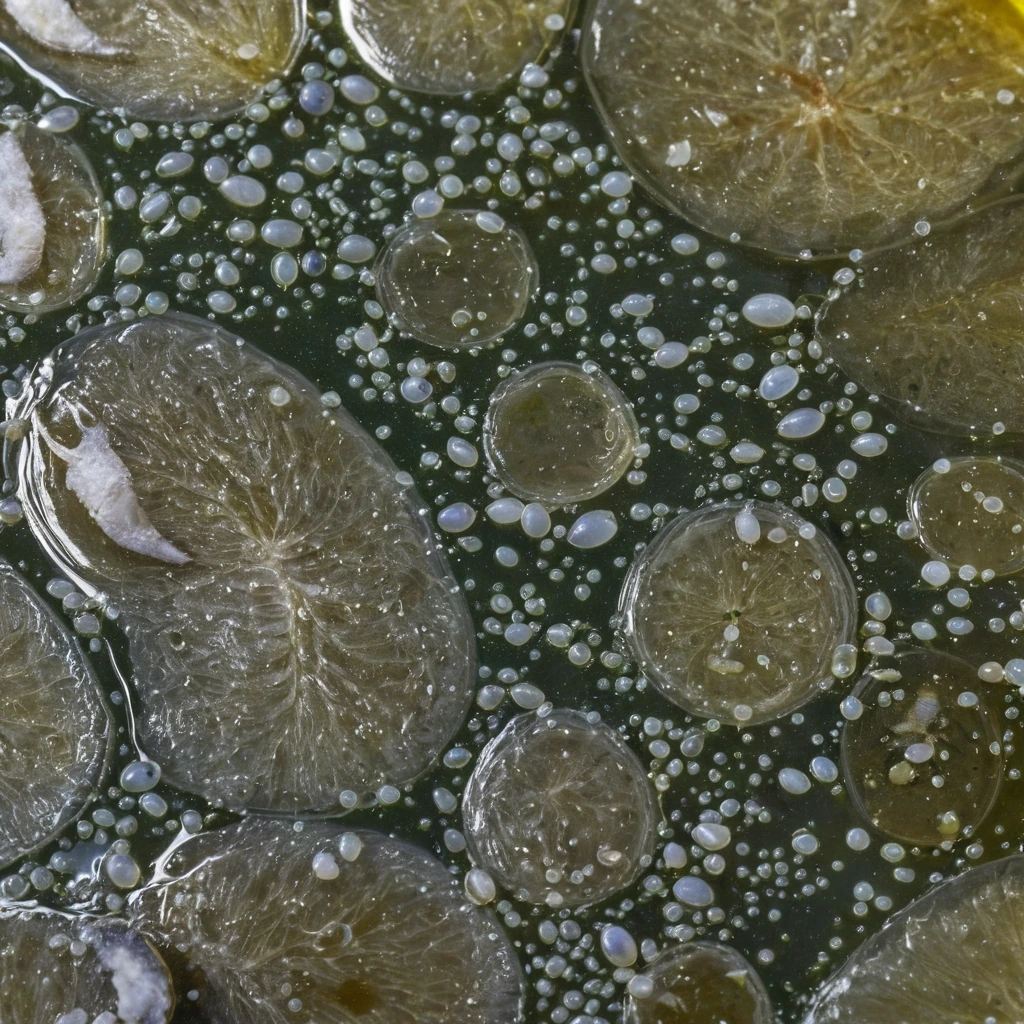
With their rich, buttery flavor and satisfying crunch, walnuts are a delightful addition to both sweet and savory dishes. Their unique brain-like shape is not just visually intriguing but also a nod to their brain-boosting nutrients.
Fish Stock Concentrate
Fish stock concentrate is a potent, reduced form of fish stock, capturing the essence of seafood in a compact form. Traditionally used in coastal cuisines around the world, it is a staple in regions where seafood is abundant, such as Japan, France, and parts of Southeast Asia. Its flavor profile is deeply savory, with a briny complexity that hints at the sweetness of shellfish and the umami-rich depth of fish bones. The texture is smooth and viscous, making it easy to measure and incorporate into dishes. When used in cooking, fish stock concentrate adds intense flavor without the bulk of a full stock, making it ideal for intensifying soups, sauces, and risottos. Its concentrated nature means a little goes a long way, enhancing dishes with a rich, oceanic essence.
Recipes to try
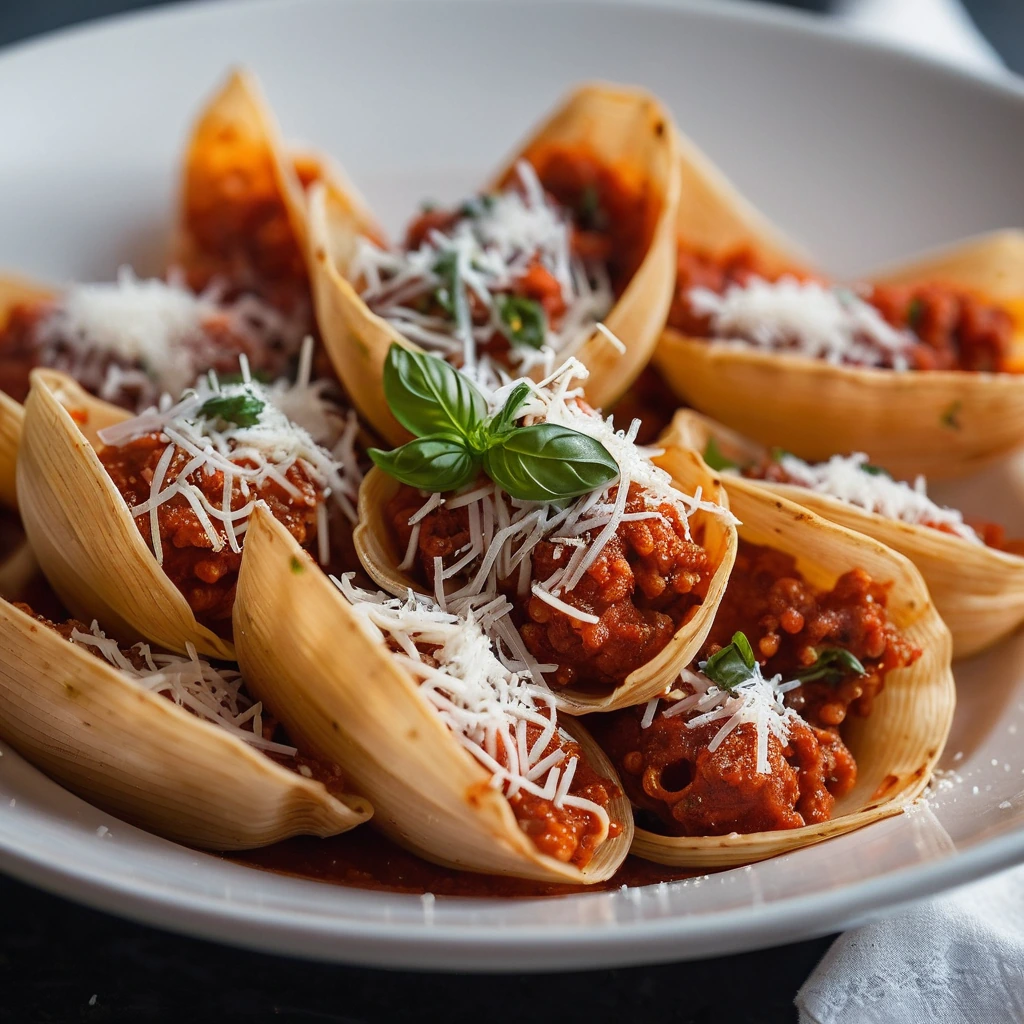
Spicy Arrabbiata Shells with Parmesan
Fiery and fresh, these pasta shells are smothered in a spicy tomato sauce and crowned with nutty Parmesan.
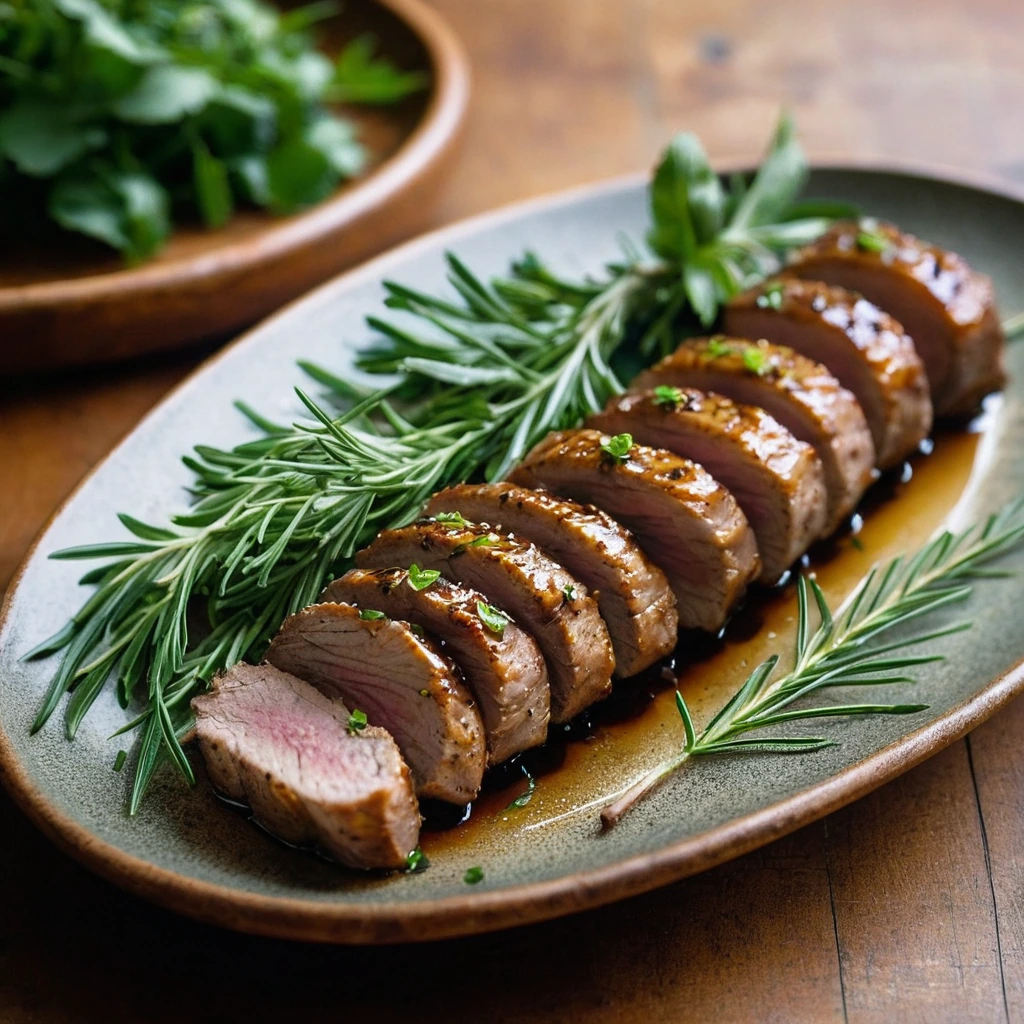
Pork Tenderloin with Garlic Honey Glaze
Succulent pork tenderloin kissed with a sweet, sticky glaze of garlic and honey for a flavor punch that'll have everyone coming back for seconds.