Galangal Root
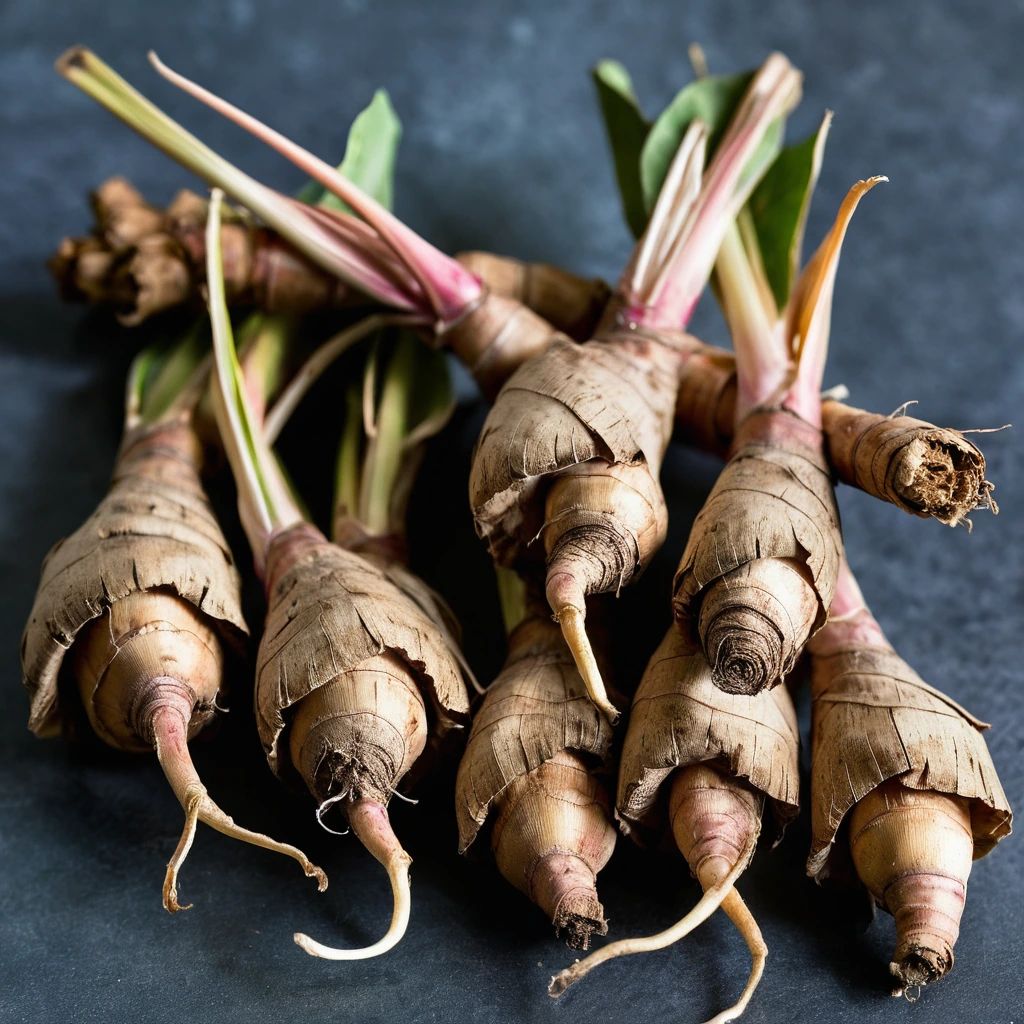
Galangal root is a rhizome closely related to ginger, originating from Indonesia but widely used in Southeast Asian cuisines, particularly Thai and Indonesian cooking. It offers a sharp, citrusy flavor with hints of pine and pepper, distinct from the sweeter taste of ginger. The texture is fibrous and somewhat tough, requiring peeling and slicing before use. In cooking, galangal is often used fresh or ground, and it infuses dishes with its unique aroma and taste, though it is typically removed before serving. Galangal is a key component in curry pastes and soups, where it adds depth and complexity without overwhelming other flavors.
Notes
When selecting galangal root, look for firm rhizomes with smooth skin and avoid any that are wrinkled or soft. Store fresh galangal in the refrigerator for up to two weeks, or freeze for longer storage. To prepare, peel the skin with a spoon or knife and slice or mince as needed. Note that galangal is part of the ginger family and may cause allergic reactions in individuals sensitive to ginger. Handling it fresh can sometimes be challenging due to its fibrous texture.
Uses
- Thai curry pastes
- Tom yum soup
- Indonesian rendang
- Pickled galangal slices
- Stir-fries with coconut milk
- Infused teas or broths
Replacements
You might also like
Dried Thyme
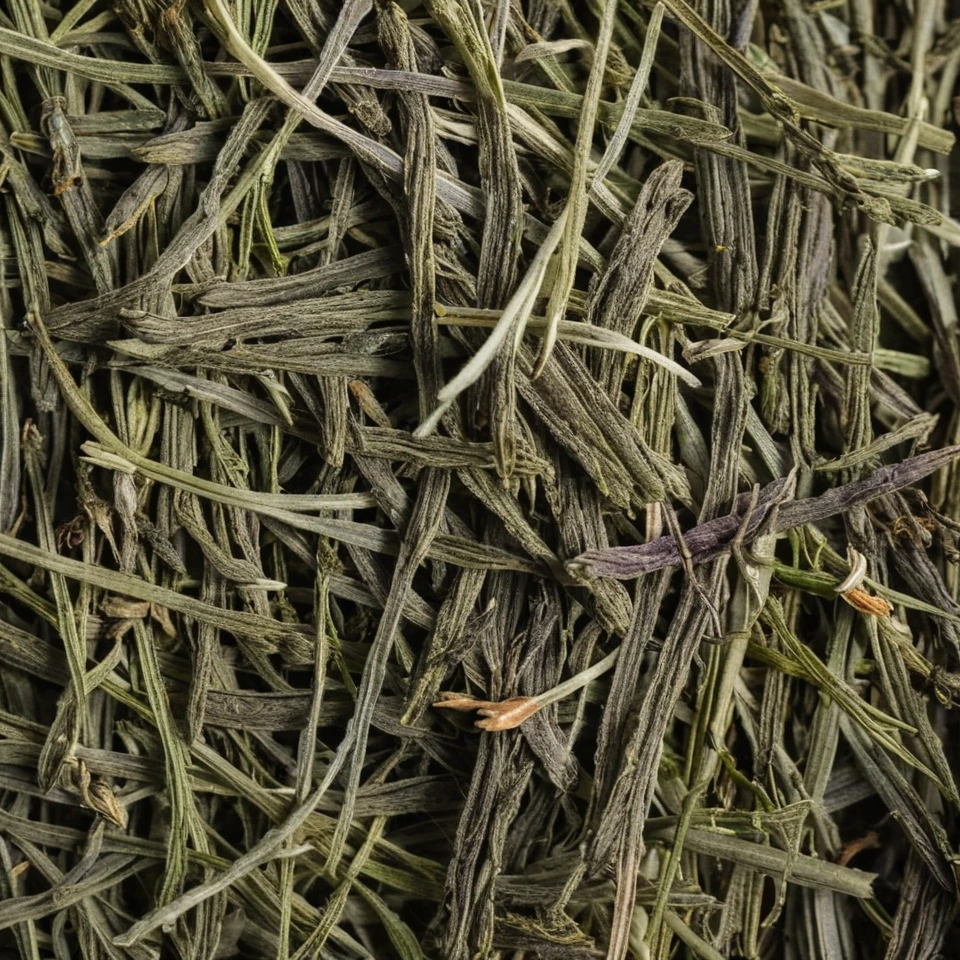
Dried thyme is a fragrant herb known for its earthy, slightly minty flavor. It's a staple in many cuisines, offering a robust aroma that enhances a variety of dishes.

Whole Milk
Creamy and rich, whole milk is a pantry staple that brings a luxurious texture and depth of flavor to any dish. Its velvety mouthfeel and subtle sweetness make it a beloved choice for both sipping and cooking.