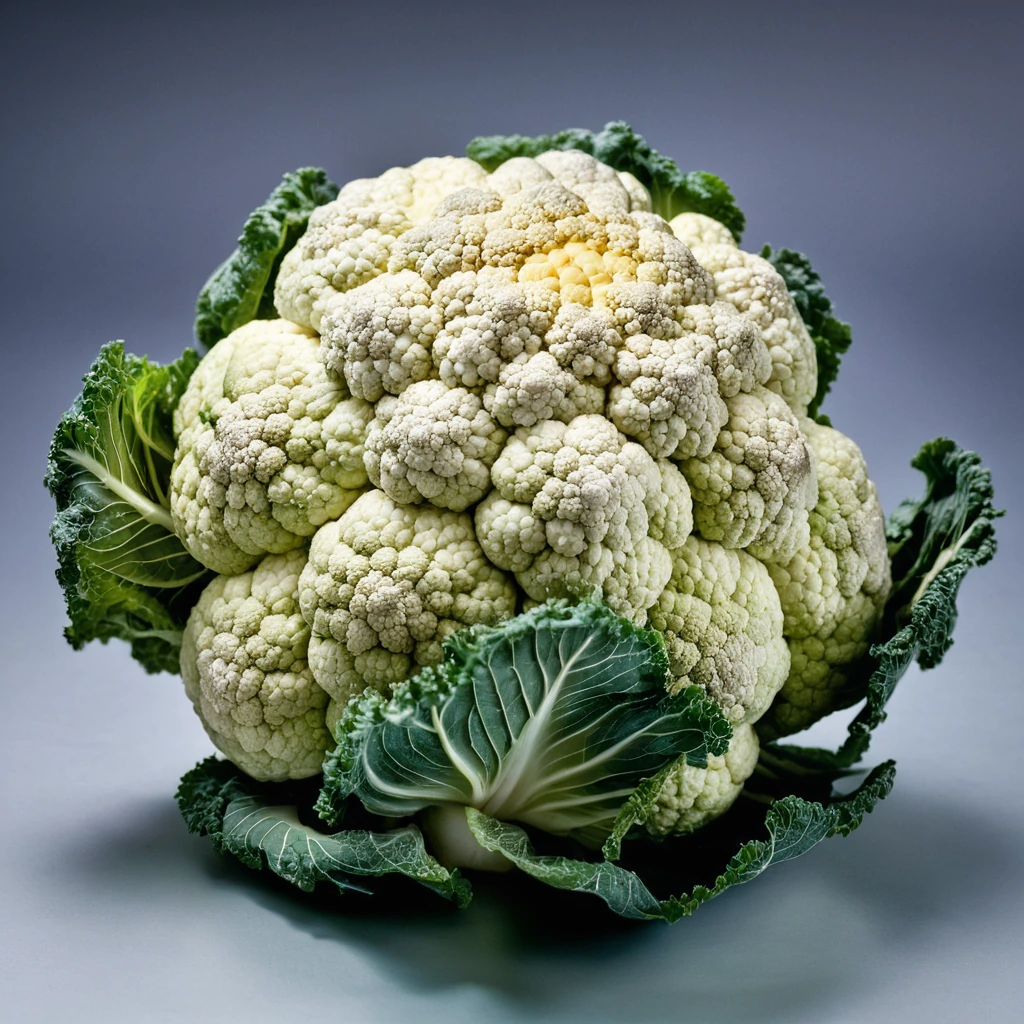
Cauliflower
Cauliflower is a versatile cruciferous vegetable that belongs to the Brassicaceae family, which also includes broccoli and kale. Originating in the Mediterranean and Asia Minor, it has been cultivated for centuries and is now enjoyed globally. Its flavor is mild and slightly nutty, with a subtle sweetness that becomes more pronounced when cooked. The texture is firm and compact when raw, but it softens considerably when cooked, becoming tender and even creamy when puréed. In cooking, cauliflower is remarkably adaptable; it can be roasted, steamed, mashed, or even used raw in salads. Its ability to absorb flavors makes it a chameleon in the kitchen, while its structure allows it to stand in for ingredients like rice or potatoes in creative dishes.
Notes
When selecting cauliflower, look for heads that are firm, compact, and free from brown spots or excessive moisture. Store it in the refrigerator crisper drawer for up to a week, unwashed and wrapped in a plastic bag. To prepare, trim off the leaves and cut into florets or slices as needed. Cauliflower is part of the brassica family, which some people may find difficult to digest, so cooking it thoroughly can aid in digestion. It is also gluten-free and suitable for many dietary preferences, including vegan and low-carb diets.
Uses
- Roasted with olive oil and spices
- Steamed as a side dish
- Mashed as a potato substitute
- Grilled with a tangy marinade
- Raw in crunchy slaws
- Baked into cauliflower crust pizza
- Blended into creamy soups
Replacements
You might also like
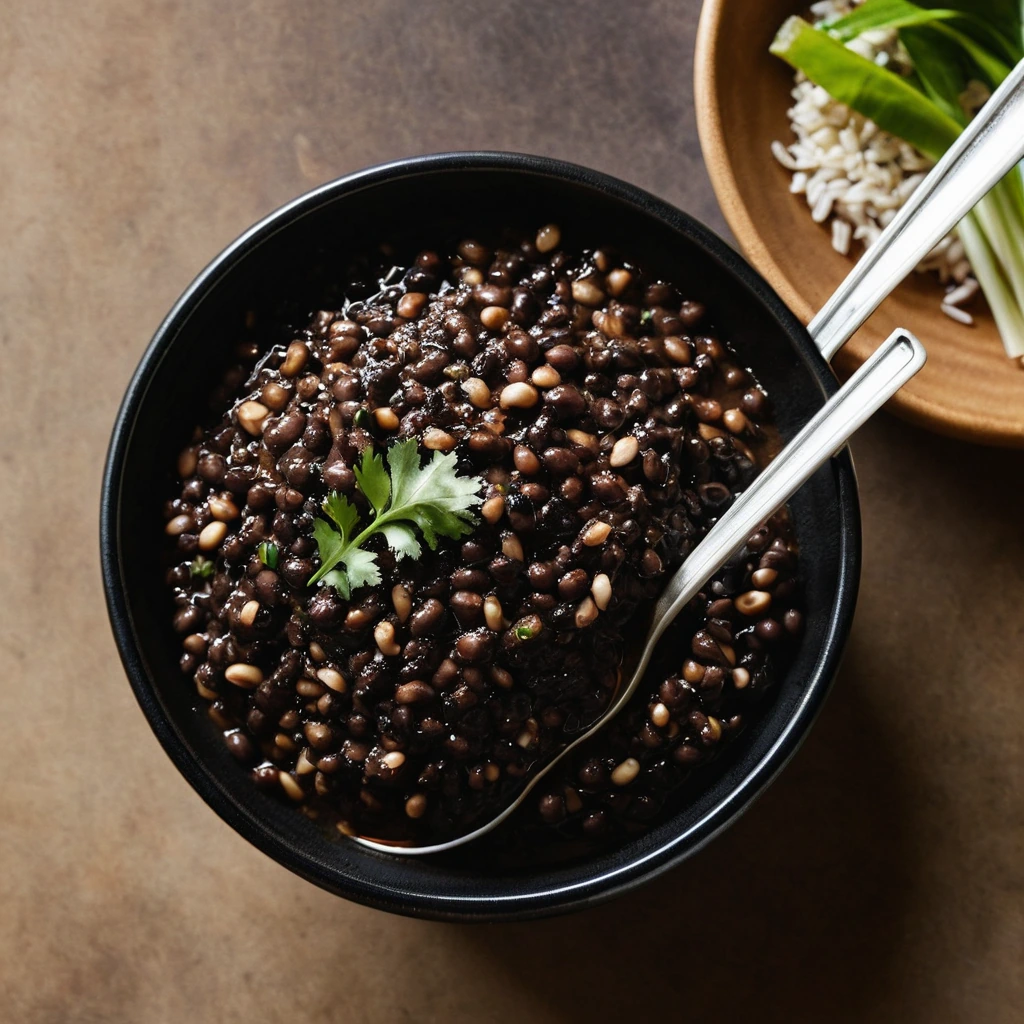
Black Bean Garlic Sauce
Black bean garlic sauce is a savory condiment originating from Chinese cuisine, known for its robust and complex flavor profile. This sauce is traditionally made from fermented black soybeans, garlic, salt, and sometimes chili peppers, offering a pungent, salty, and slightly spicy taste with a deep umami character. Its texture is thick and paste-like, which clings well to proteins and vegetables alike. When used in cooking, black bean garlic sauce adds depth and richness to dishes, enhancing the overall taste without overpowering other ingredients. It browns quickly when sautéed, releasing its aromatic compounds and infusing dishes with its distinctive flavor. Commonly used in stir-fries, marinades, and dipping sauces, it is a versatile pantry staple that brings a gourmet touch to everyday meals.
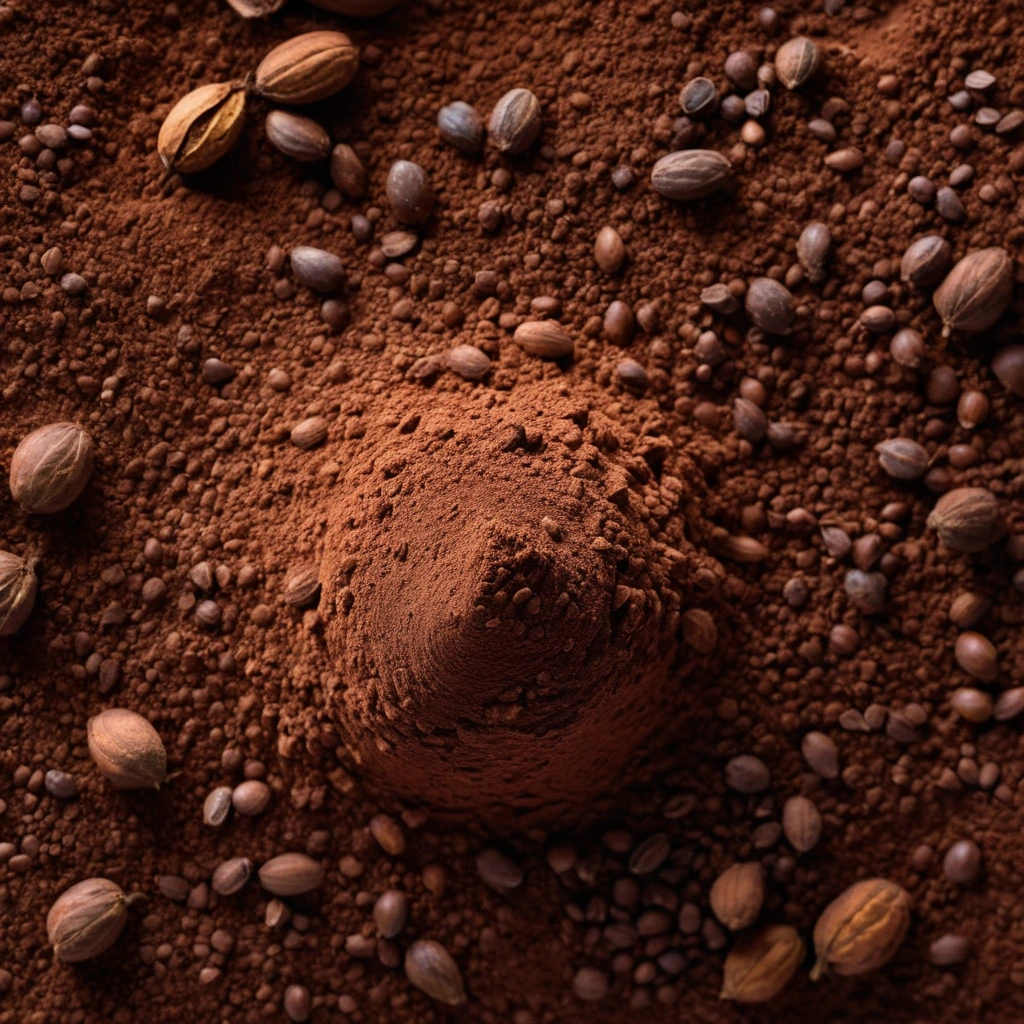
Dutch-Process Cocoa Powder
Dutch-process cocoa powder is a type of cocoa powder that has been treated with an alkalizing agent to neutralize its natural acidity. Originating in the early 19th century in the Netherlands, this cocoa variant is known for its deep, rich color and milder, slightly earthy flavor compared to natural cocoa powder. The alkalization process also enhances its solubility in water. Dutch-process cocoa powder offers a smooth, almost velvety texture that melts seamlessly into both hot and cold liquids. In cooking and baking, it behaves differently than natural cocoa powder, as its pH level affects chemical leaveners like baking soda, resulting in a more tender crumb in cakes and brownies.
Recipes to try
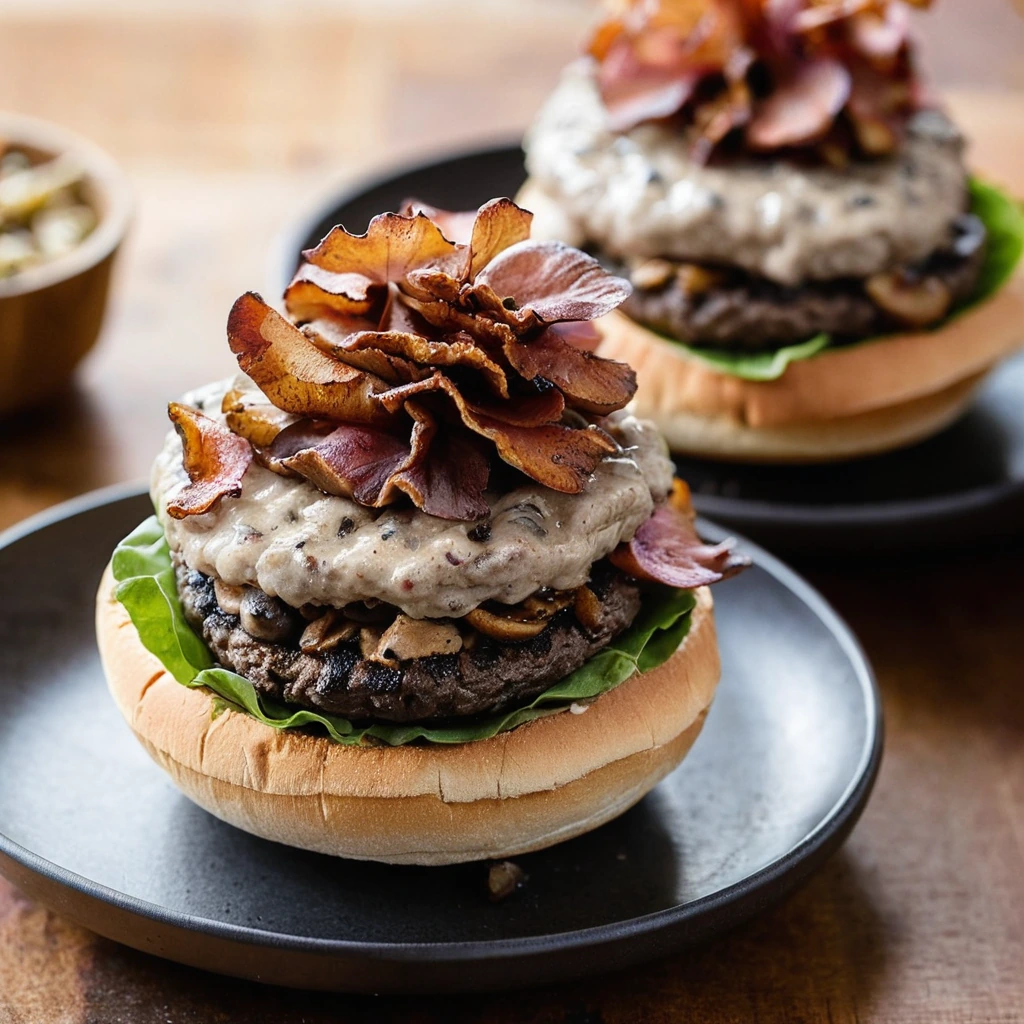
Maple Bacon Mushroom Burger Bowls
Sweet, smoky, and savory come together in these hearty bowls, where juicy burger patties meet crispy bacon and earthy mushrooms.
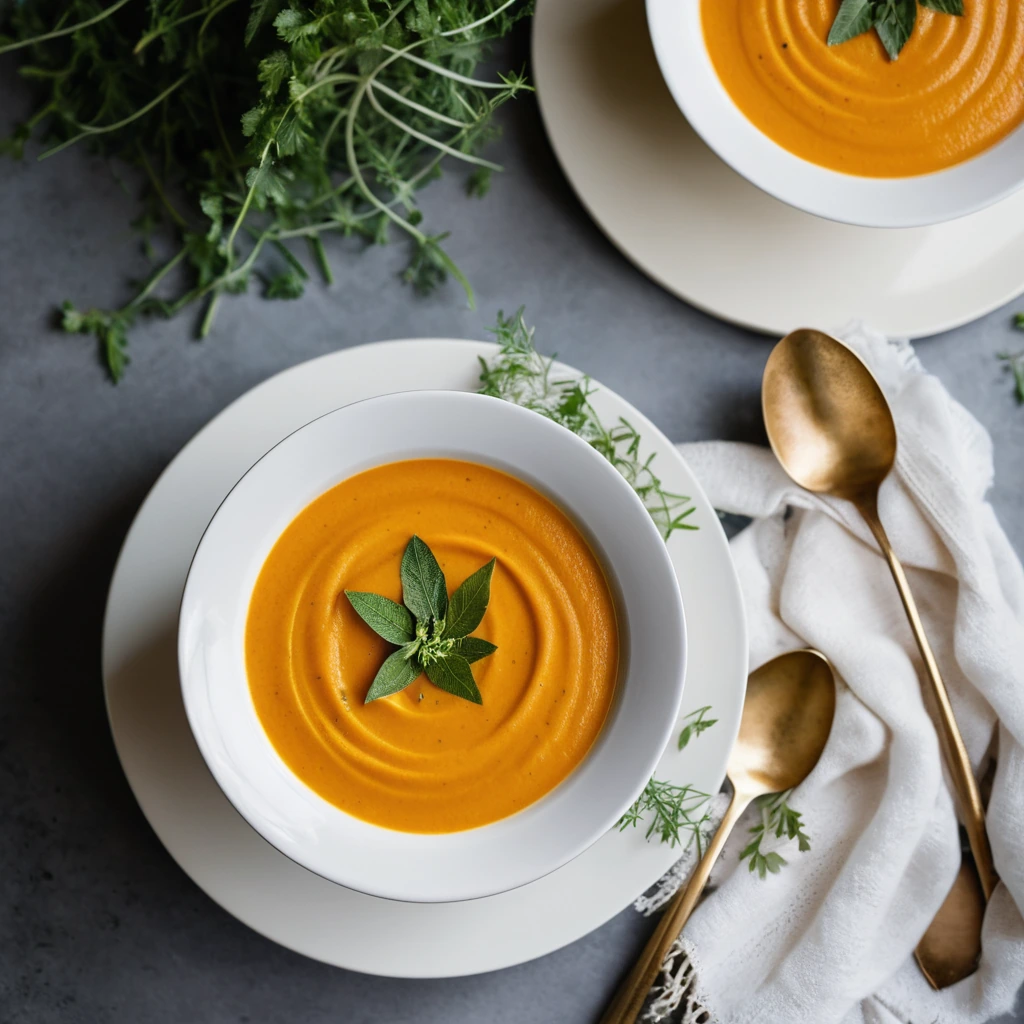
Pumpkin and Sweet Potato Bisque
Creamy and comforting, this bisque marries the earthy sweetness of pumpkin with the subtle nuttiness of sweet potato.