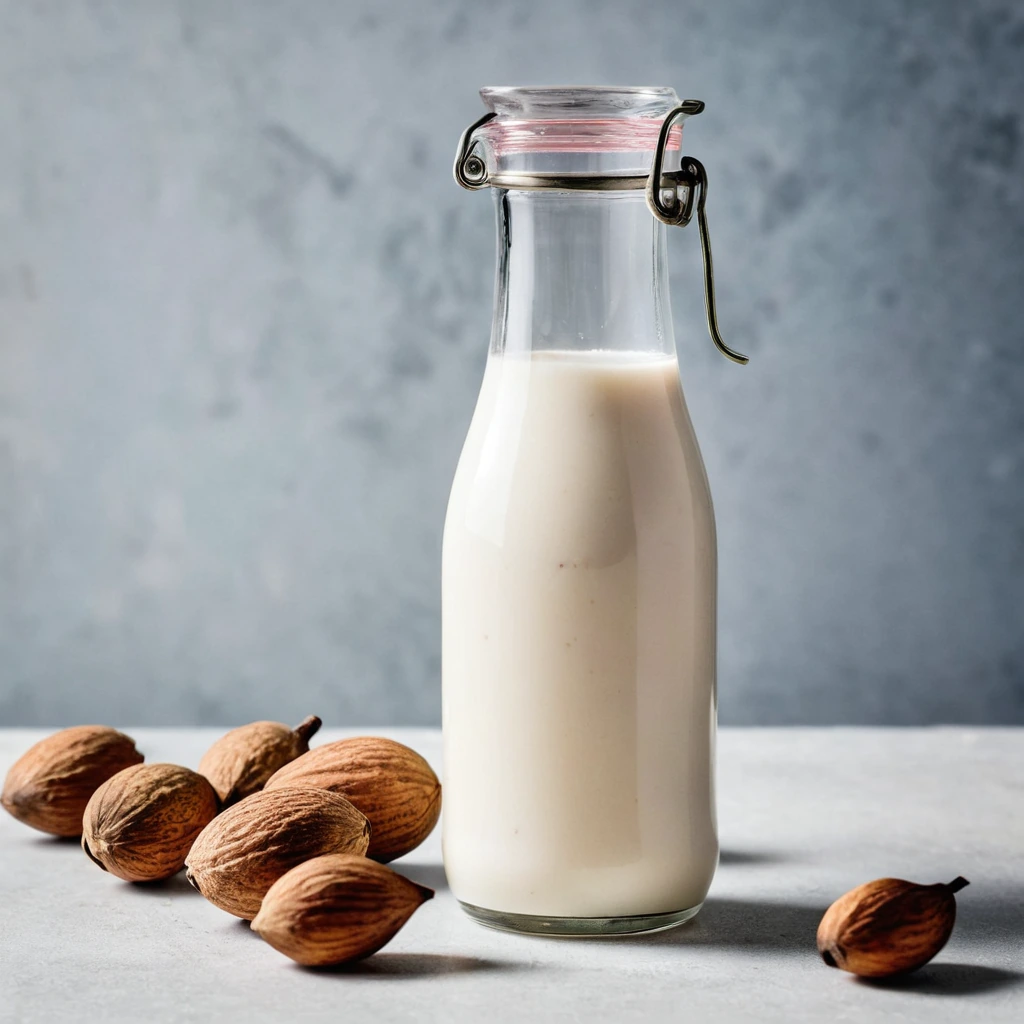
Almond Milk
Almond milk is a plant-based milk alternative made from ground almonds and water. Originating from traditional recipes in medieval Europe and the Middle East, it has gained widespread popularity in modern times as a dairy-free option. Almond milk has a subtly nutty flavor with a mild sweetness, and its aroma is reminiscent of fresh almonds. Its texture is smooth and creamy, though typically lighter than dairy milk. In cooking, almond milk behaves well in both savory and sweet applications, though it does not brown or caramelize like dairy milk. It is often used in cereals, smoothies, and baking, where its delicate flavor complements rather than overpowers other ingredients.
Notes
When selecting almond milk, look for unsweetened varieties to control the sweetness in your dishes. Shake well before use to ensure even consistency, as separation is common. Store almond milk in the refrigerator and use it within 7 to 10 days after opening; unopened cartons can last until the date on the package. Note that almond milk is naturally nut-free, but those with tree nut allergies should avoid it. Consider fortified versions for added vitamins and minerals.
Uses
- Smoothies
- Coffee creamer
- Cereal milk
- Baking substitute
- Soup base
You might also like
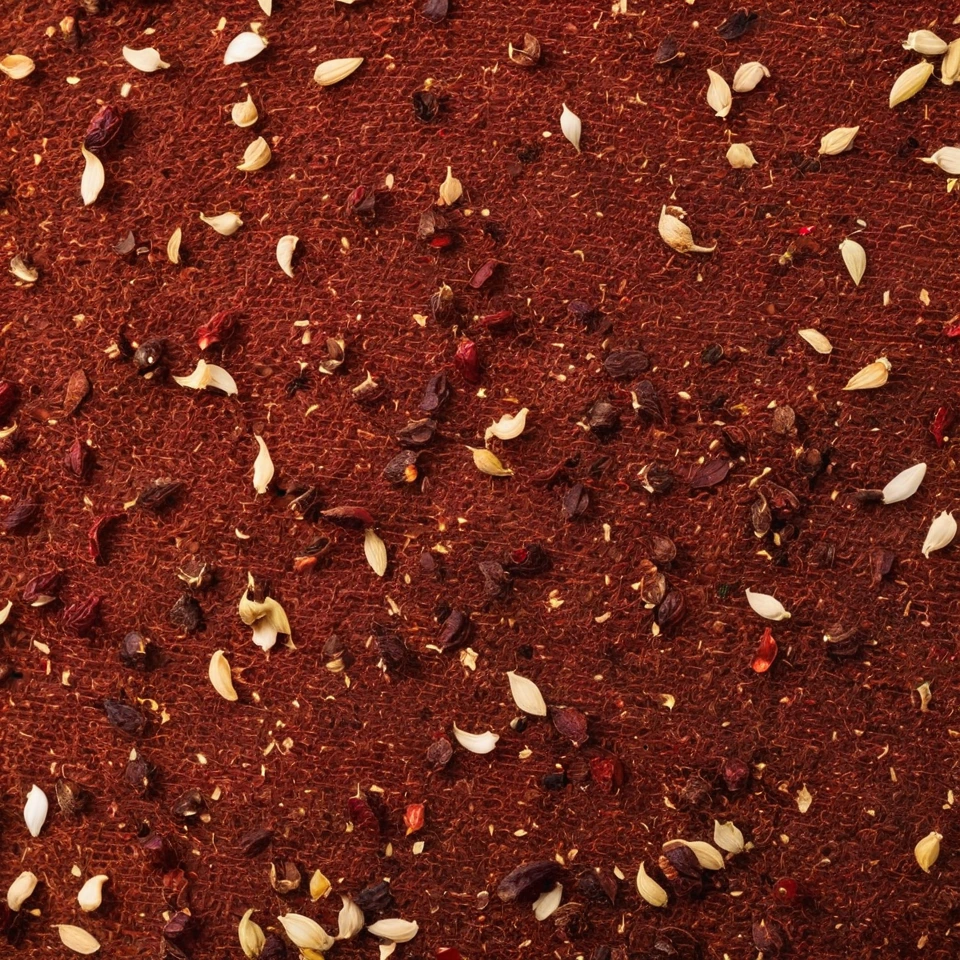
Crushed Red Pepper Flakes
Crushed red pepper flakes are made from dried, pulverized red chili peppers. They add a vibrant color and a spicy kick to dishes, making them a staple in many cuisines.
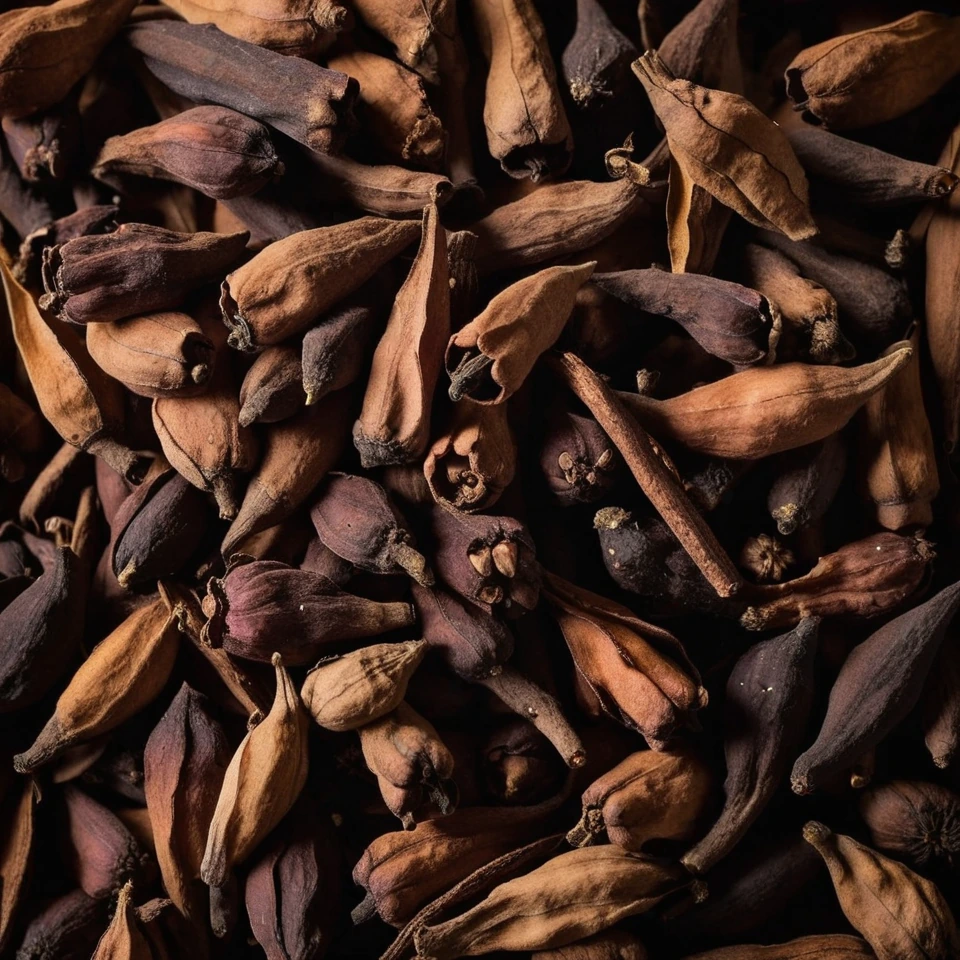
Whole Cloves
Whole cloves are the dried unopened flower buds of the clove tree, known for their strong, warm, and aromatic flavor. They are a popular spice used in both sweet and savory dishes.
Recipes to try

Roasted Cauliflower and Garlic Soup with Parmesan
This velvety soup is a symphony of roasted cauliflower and garlic, kissed with nutty Parmesan for a cozy, crave-worthy bowl.
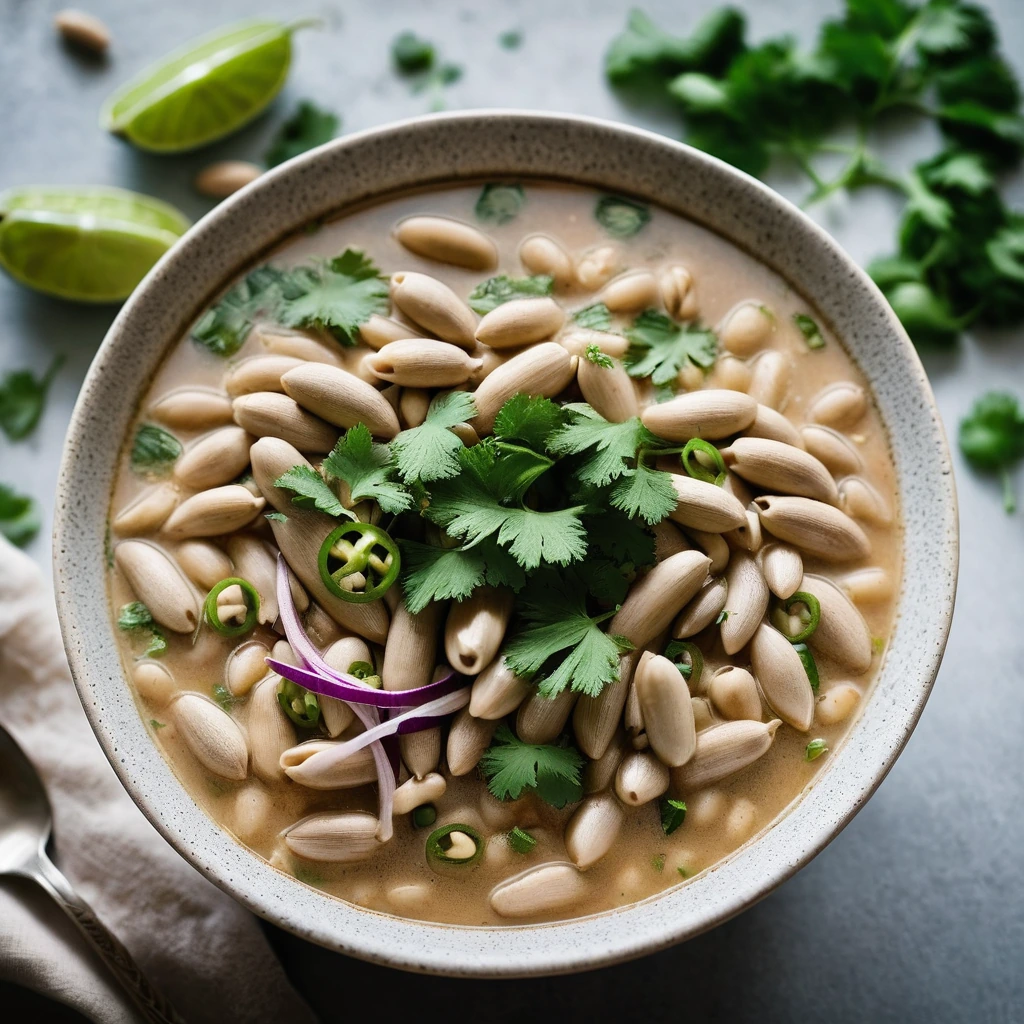
White Bean Chicken Chili with Green Chiles
A hearty, creamy chili brimming with tender chicken, buttery white beans, and a kick of smoky green chiles.