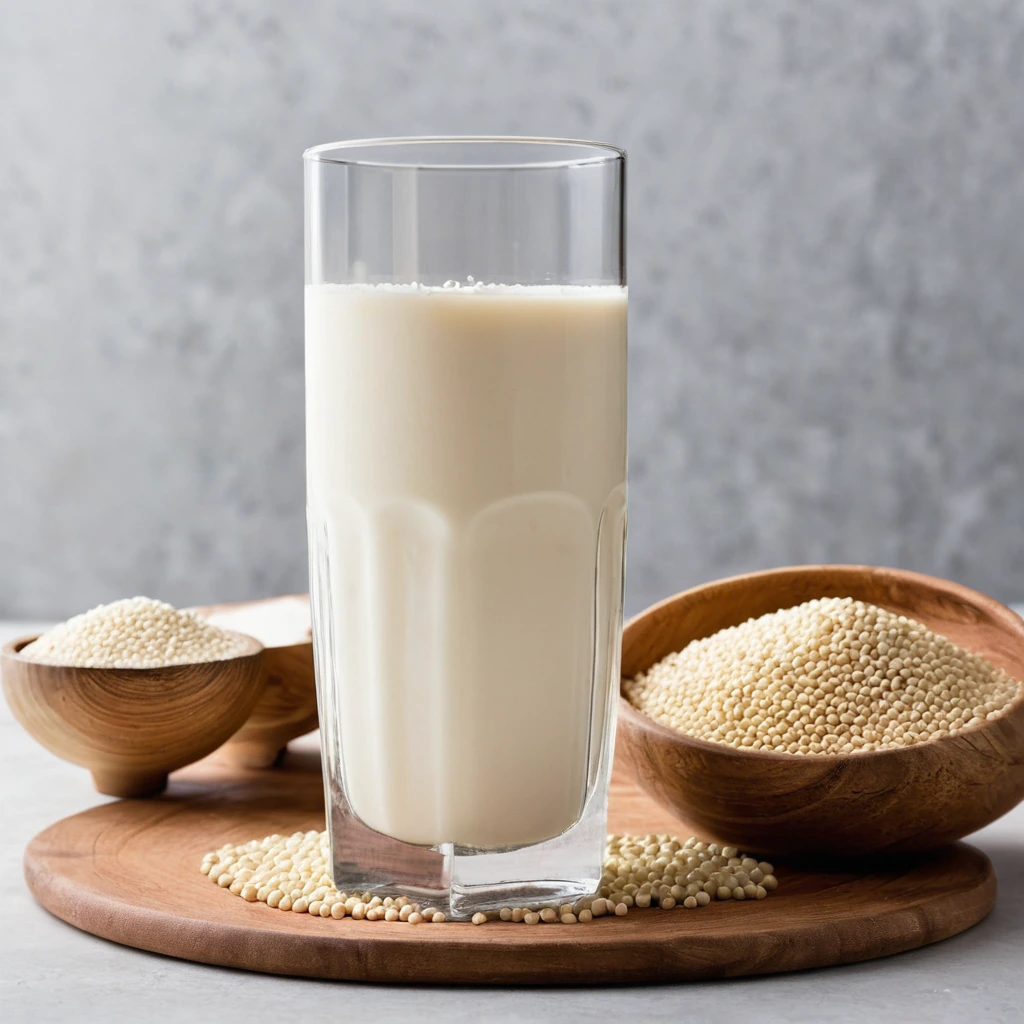
Soy Milk
Soy milk is a plant-based beverage made from soaking, grinding, and boiling soybeans. Originating in East Asia, it has been consumed for centuries, particularly in China. Its flavor is mild and slightly nutty, with a subtle sweetness that varies depending on the brand and whether it is sweetened. The texture is smooth and creamy, often comparable to dairy milk, though it can sometimes have a slightly grainy or beany aftertaste if not processed well. Soy milk performs well in cooking and baking, as it can froth like dairy milk for lattes, and its high protein content helps provide structure in recipes. It is a versatile ingredient that can be used in everything from smoothies to soups.
Notes
When selecting soy milk, look for cartons with minimal additives and a fresh, unopened seal. Refrigerate after opening and consume within 7 to 10 days for best quality. Unopened, soy milk can last for several weeks in the pantry. For long-term storage, freezing is an option, though separation may occur upon thawing. Soy milk is a common allergen, so care should be taken when preparing dishes for those with soy sensitivities.
Uses
- Smoothies
- Coffee creamer
- Baking recipes
- Vegan soups
- Hot cereal
Replacements
You might also like
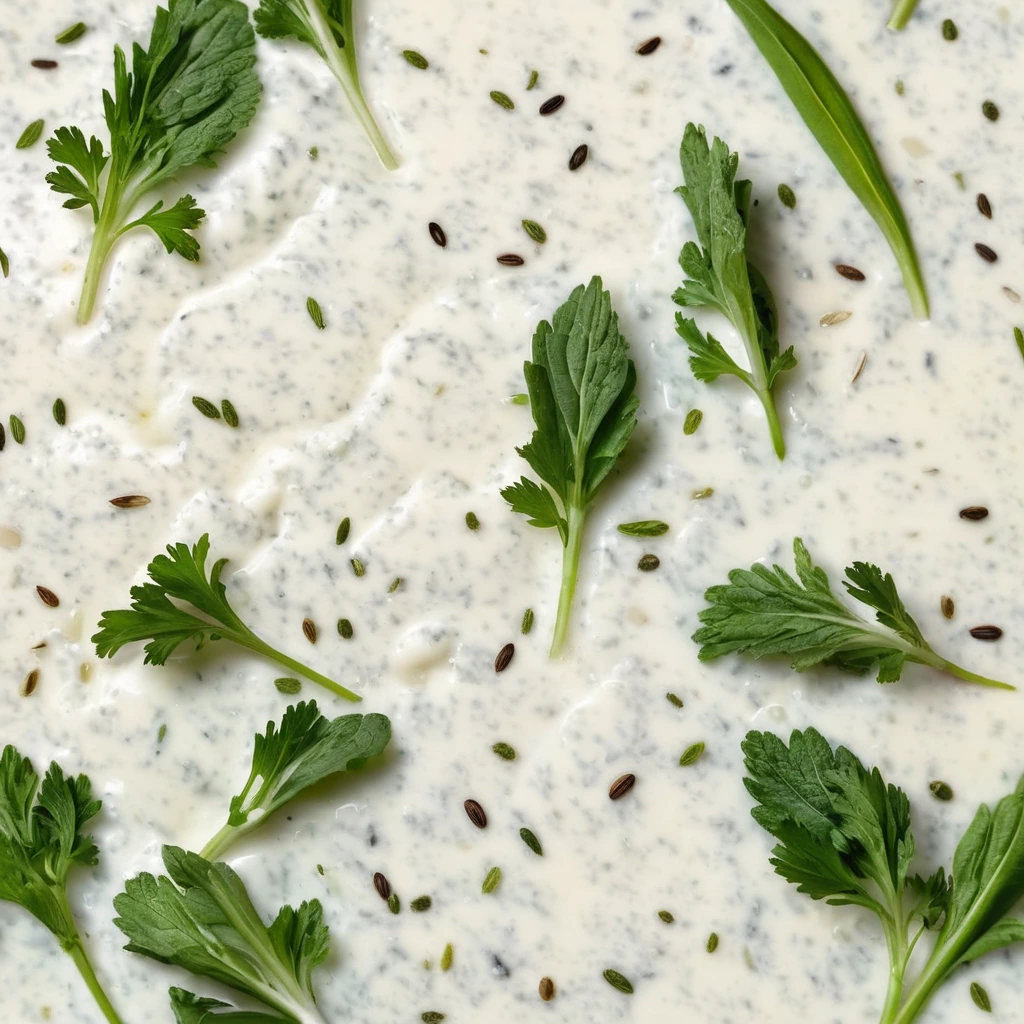
Ranch Dressing
Creamy, tangy, and irresistibly herbaceous, Ranch Dressing is a beloved condiment that brings a burst of flavor to any dish. Its smooth texture and vibrant notes of garlic, dill, and parsley make it a pantry staple for dipping, drizzling, and dressing.
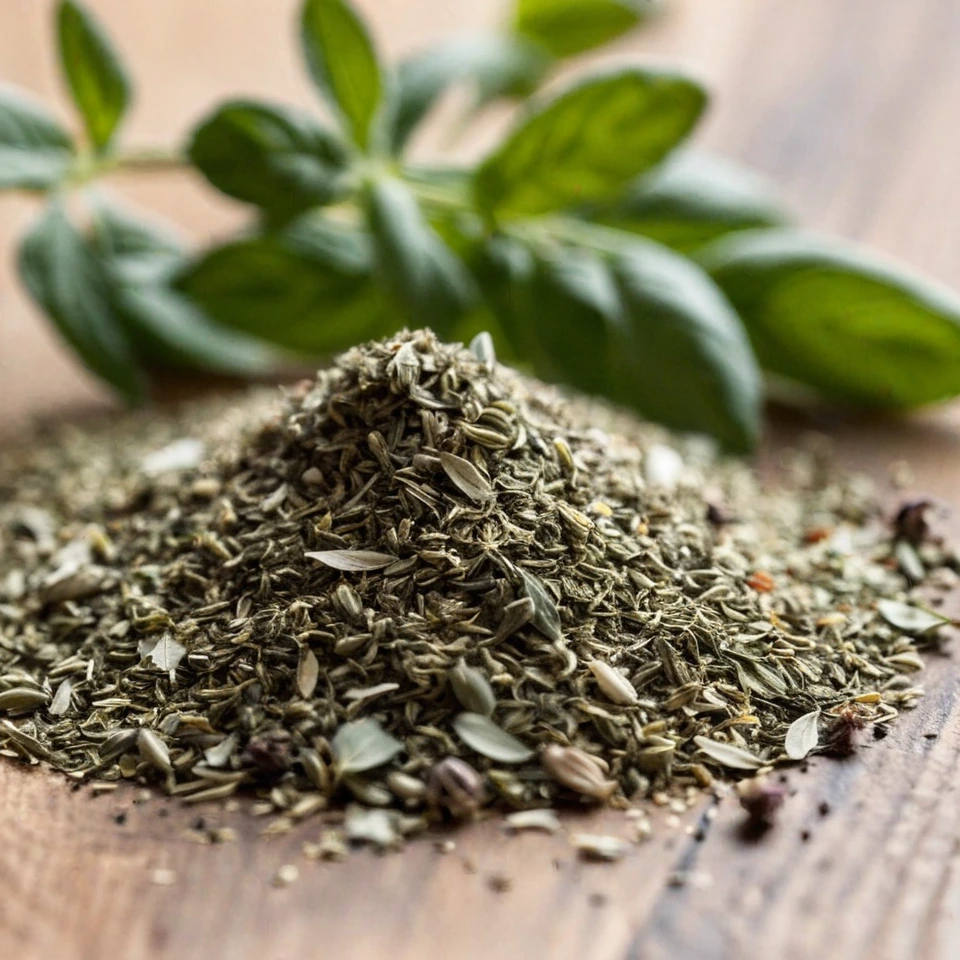
Italian Seasoning
A fragrant blend of dried herbs commonly used in Italian cuisine, typically including basil, oregano, thyme, rosemary, and marjoram.
Recipes to try
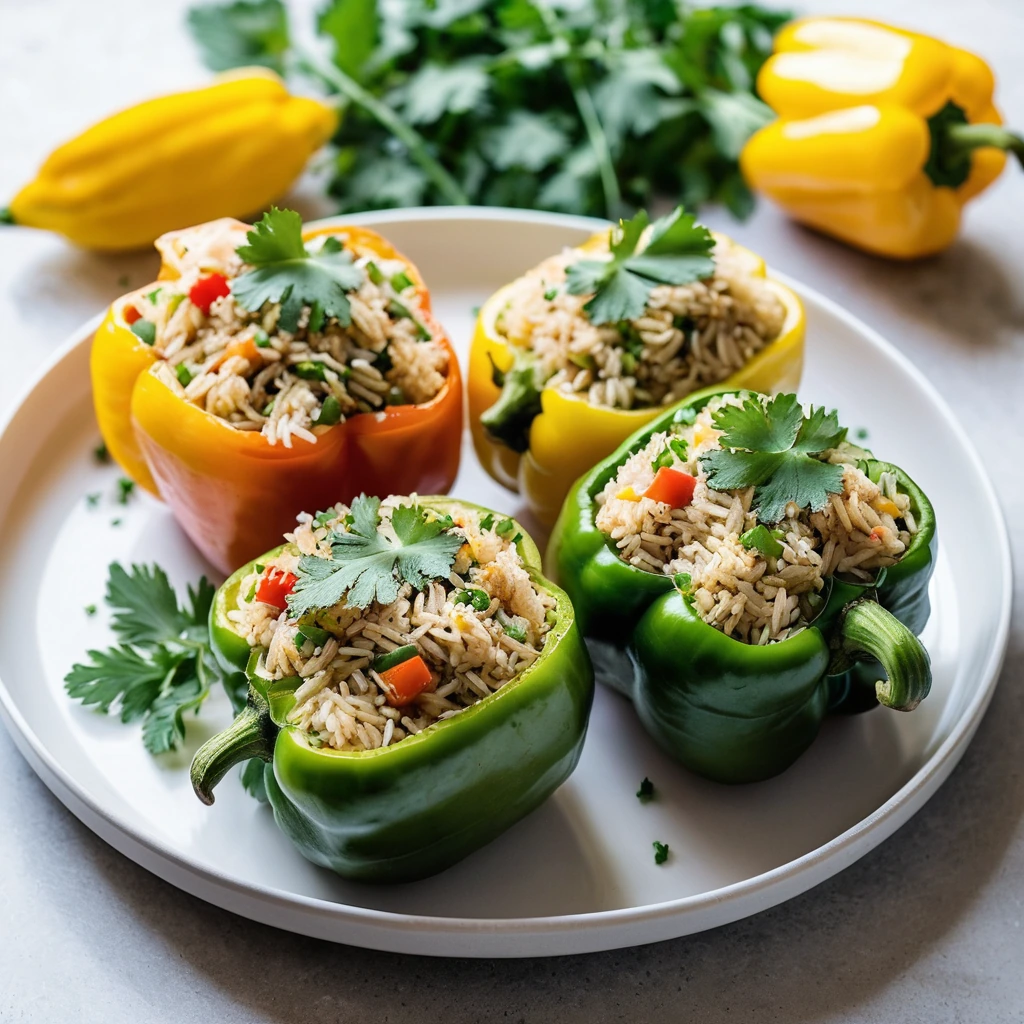
Lemon Garlic Chicken and Rice Stuffed Peppers
Bright and tangy lemon garlic chicken nestled in fluffy rice, all wrapped up in juicy bell peppers for a zesty comfort meal.
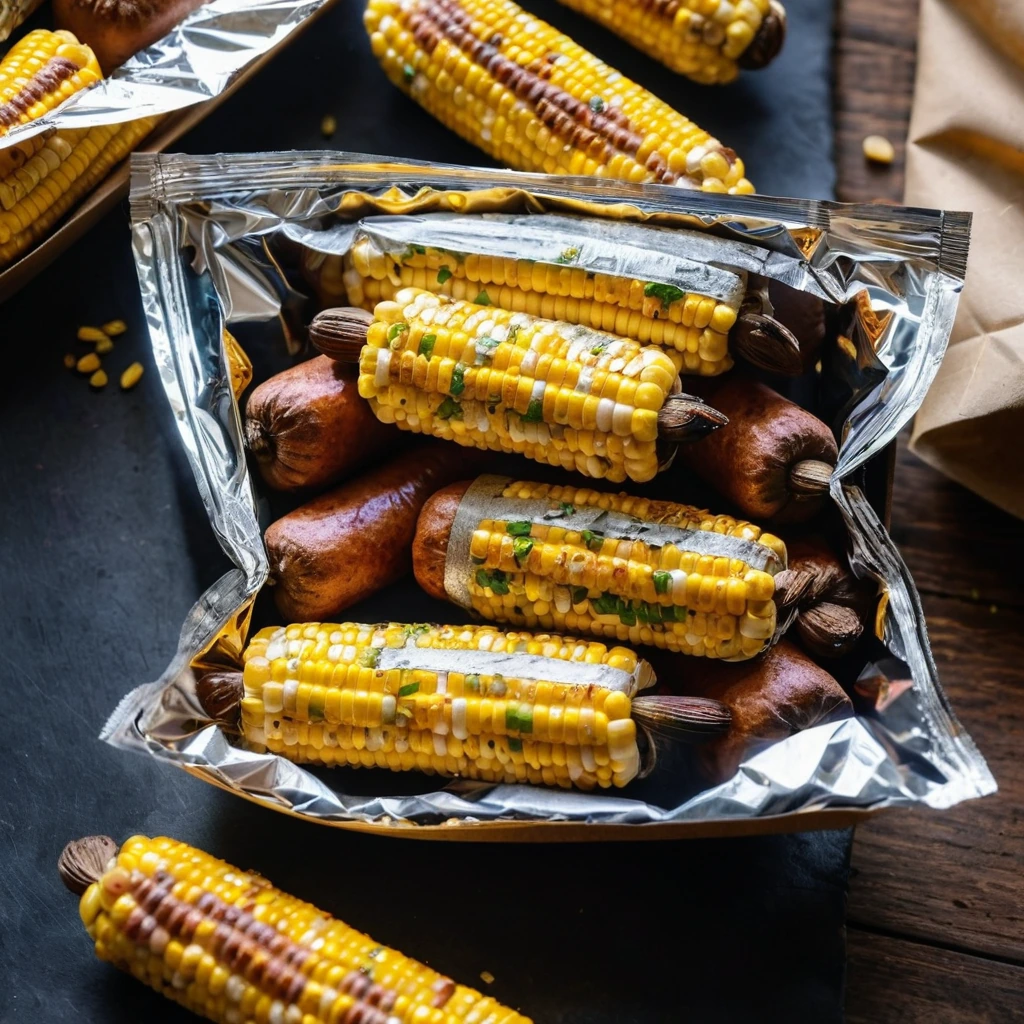
Smoky Sausage, Corn, and Potato Foil Packets
Imagine the smoky aroma of grilled sausage mingling with sweet corn and tender potatoes, all wrapped up in a neat foil packet.