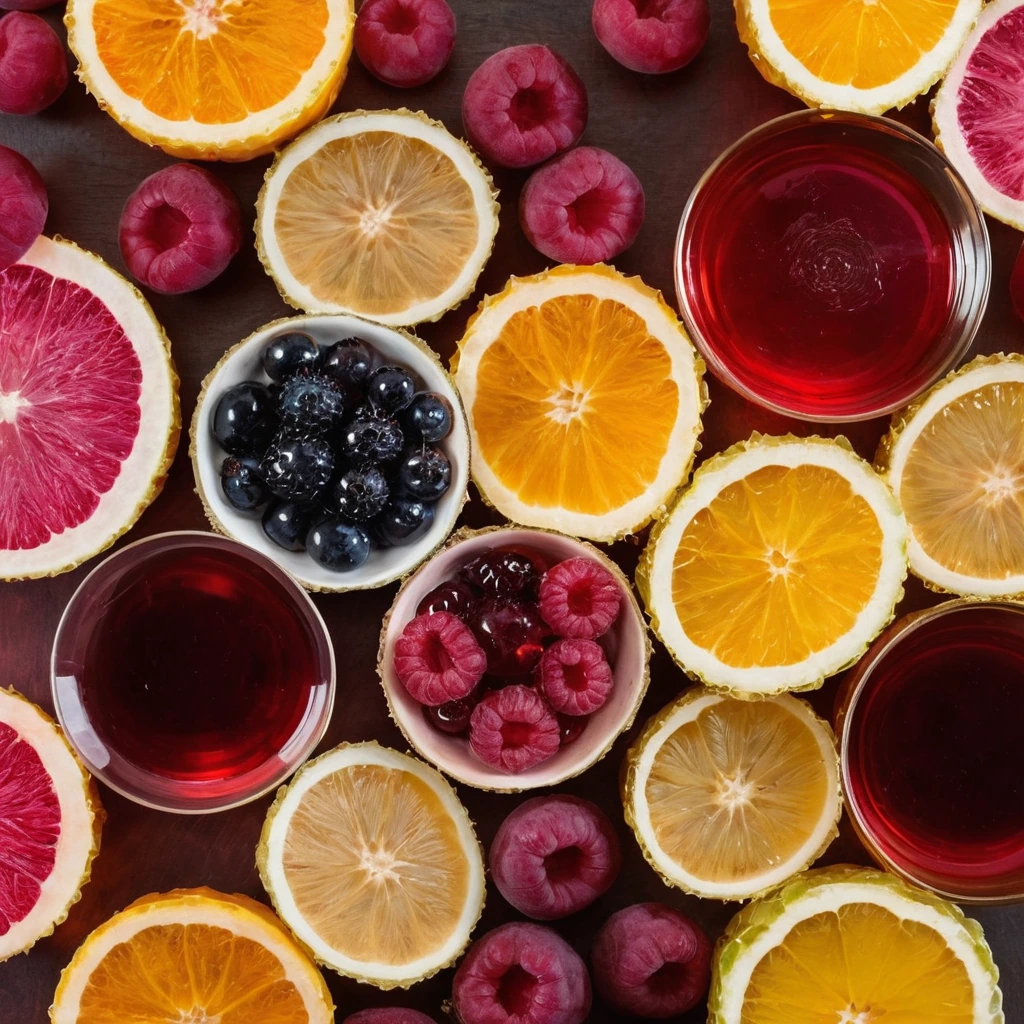
Fruit Jelly
Fruit jelly is a smooth, spreadable confection made primarily from fruit juice, sugar, and pectin. Its origins trace back to ancient culinary traditions, with evidence of its production in Middle Eastern and European cuisines. The flavor profile of fruit jelly is bright and fruity, reflecting the essence of the fruit used, whether it be strawberry, raspberry, or orange. Its texture is firm yet yielding, providing a pleasant chewiness when eaten. In cooking, fruit jelly is known for its ability to add a burst of fruity flavor and a glossy sheen to dishes. It can be melted down to act as a glaze for meats or used to layer desserts for a vibrant, fruity component.
Notes
When selecting fruit jelly, look for brands with minimal additives and a high fruit content for better flavor. Store unopened jars in a cool, dark pantry for up to a year. Once opened, refrigeration is necessary, and it can last for several months. For handling, fruit jelly can be warmed gently to ease spreading. It is generally suitable for vegetarians but always check for gelatin in some varieties, which would make it unsuitable for vegetarians or vegans.
Uses
- Sandwich spread
- Dessert layer
- Meat glaze
- Cake filling
- Pastry topping
- Tart base
You might also like
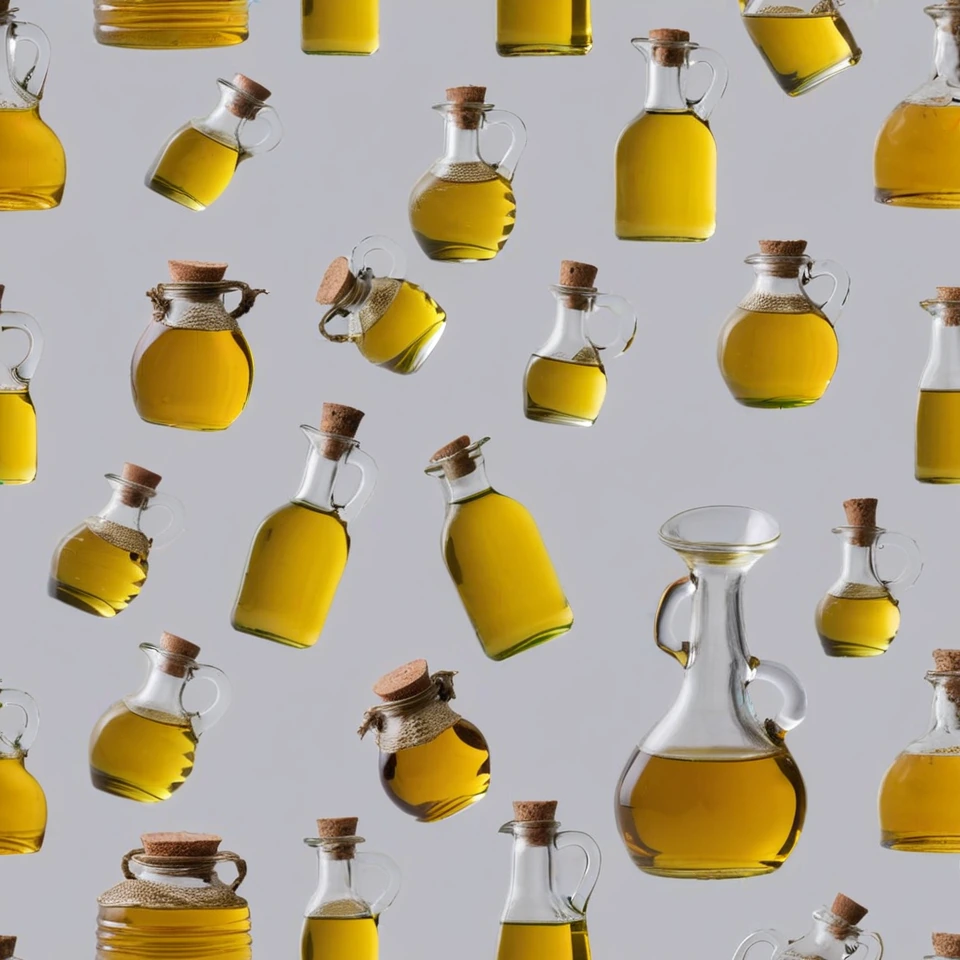
Vegetable Oil
Vegetable oil is a versatile, neutral-flavored oil derived from plant sources such as soybean, canola, or sunflower seeds. It is prized for its high smoke point and ability to enhance the texture of dishes without overpowering other flavors.
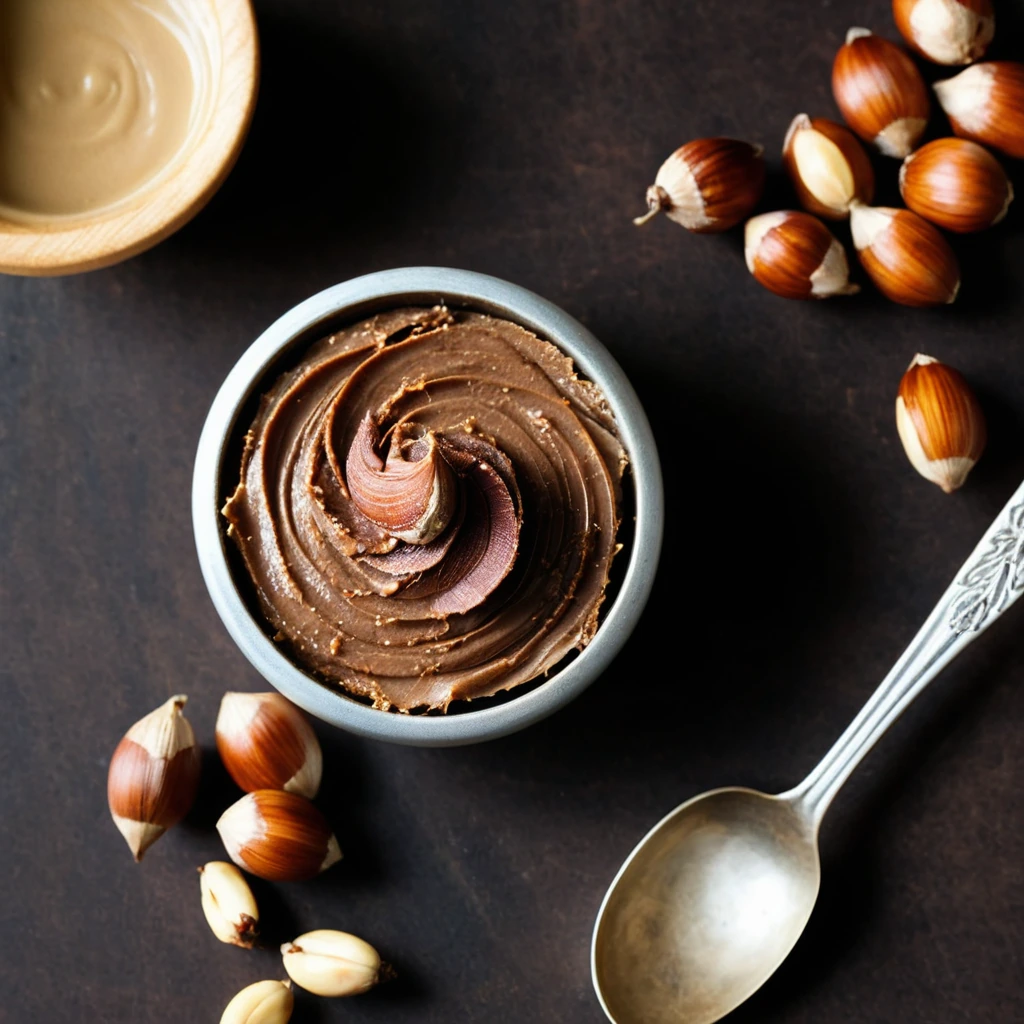
Hazelnut Spread
A luscious, velvety spread made from roasted hazelnuts, sweetened with a touch of sugar, and often enriched with a hint of cocoa for a rich, chocolatey undertone.
Recipes to try
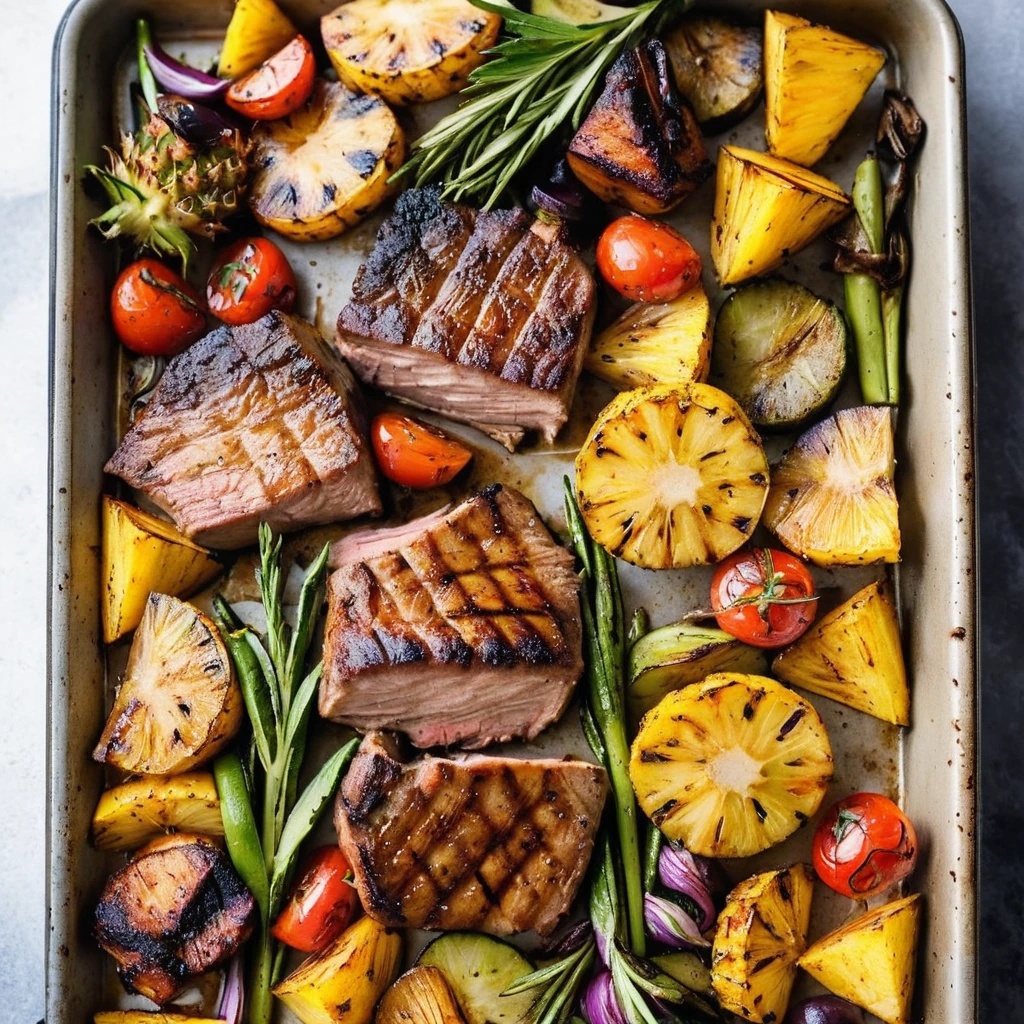
Pork and Pineapple BBQ Sheet Pan Supper
Sweet, tangy, and smoky flavors mingle in this fuss-free sheet pan supper that'll have you licking your plate clean.
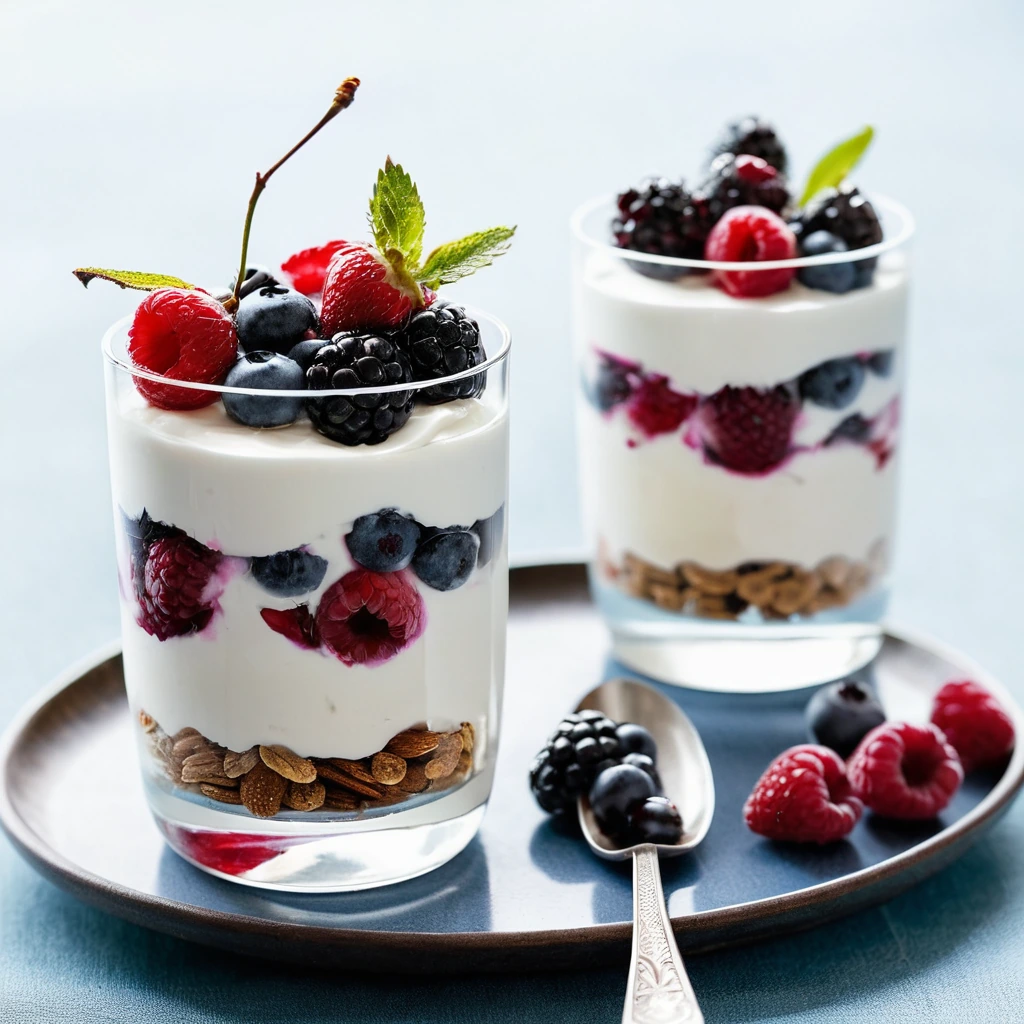
Vanilla Yogurt Parfaits with Roasted Berries
Creamy vanilla yogurt layers kissed by sweet, smoky roasted berries create a parfait that's both comforting and refreshing.