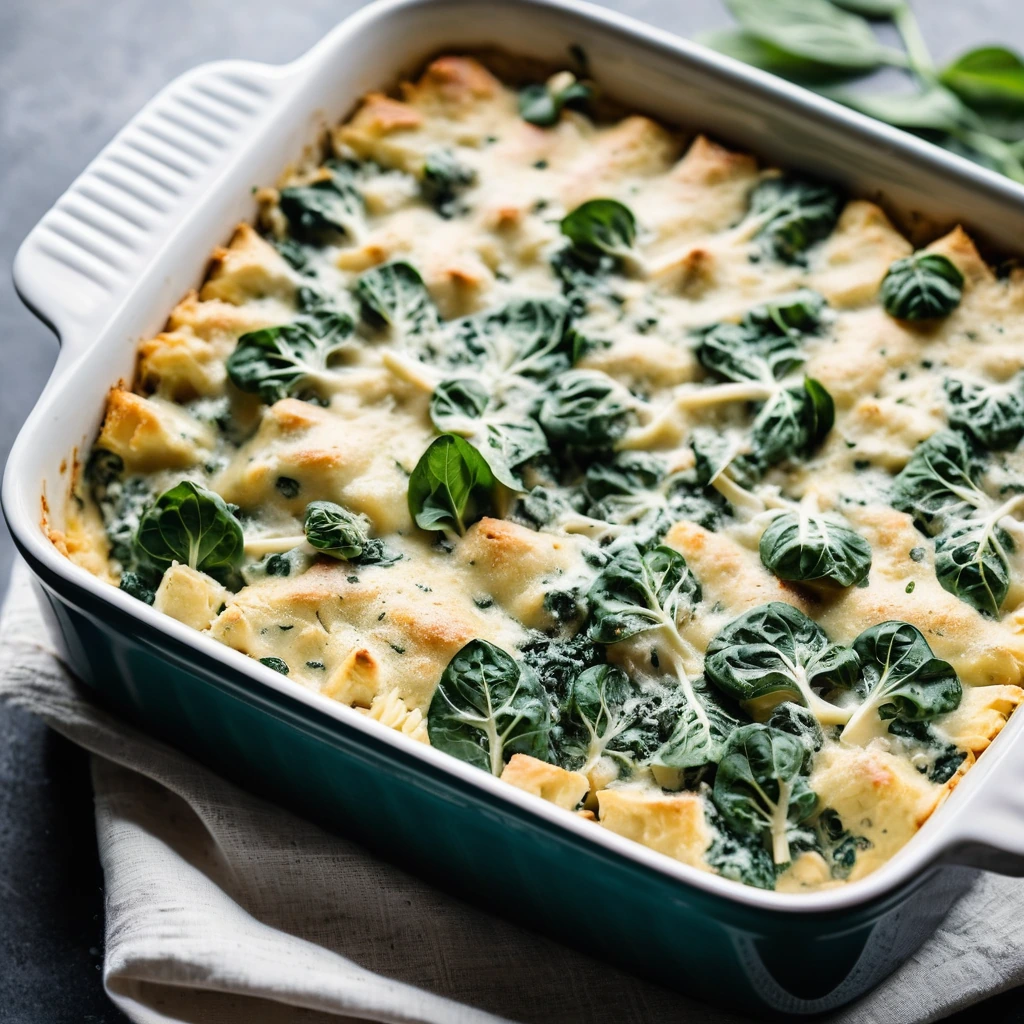
Starch Technique: Pressure-Cooking Beans from Dry
The starch technique is a game-changer for cooking beans in a pressure cooker. This method not only ensures tender, flavorful beans but also eliminates the need for presoaking, saving you time and effort. The secret lies in adding a small amount of starch to the cooking liquid, which helps break down the beans' tough outer skins. Whether you're making pintos, black beans, or chickpeas, this technique guarantees consistently perfect results. The pressure cooker's high heat and steam work wonders, reducing cooking times from hours to mere minutes. We'll dive into how starch acts as a natural tenderizer, the best types of starches to use, and how to adjust your pressure cooker settings for optimal performance. Additionally, we'll explore how to avoid common pitfalls like overcooking or underseasoning, ensuring your beans turn out creamy and delicious every time.
Notes
The starch acts as a gentle abrasive, helping to break down the beans' skins and release their natural pectin, resulting in creamier beans. For troubleshooting, if beans are still hard after cooking, they may need additional time; simply add water and repressurize. Avoid adding acidic ingredients like tomatoes until after cooking, as they can interfere with softening. Always ensure your pressure cooker is in good working order to prevent accidents. Beans can be stored in the refrigerator for up to 5 days or frozen for longer storage. This technique is perfect for busy home cooks looking to streamline their cooking process without sacrificing flavor or texture.
Steps
- 1 Rinse 1 pound of dry beans under cold water.
- 2 Add beans to the pressure cooker.
- 3 Measure out 4 cups of water and add to the cooker.
- 4 Stir in 1 tablespoon of cornstarch or potato starch.
- 5 Secure the pressure cooker lid and set the valve to sealing.
- 6 Cook on high pressure for 22 minutes for smaller beans or 25 minutes for larger beans.
- 7 Quick-release the pressure using the natural release method for 10 minutes, then carefully move the valve to venting.
- 8 Open the lid away from your face to avoid steam burns.
- 9 Check the beans for doneness; they should be tender but not mushy.
- 10 If needed, add more water and re-pressurize for 2-3 additional minutes.
- 11 Season with salt and any desired aromatics like garlic or onion.
- 12 Simmer on the stovetop for 5-10 minutes to adjust consistency if necessary.
- 13 Serve or store in an airtight container.
Ingredients to explore
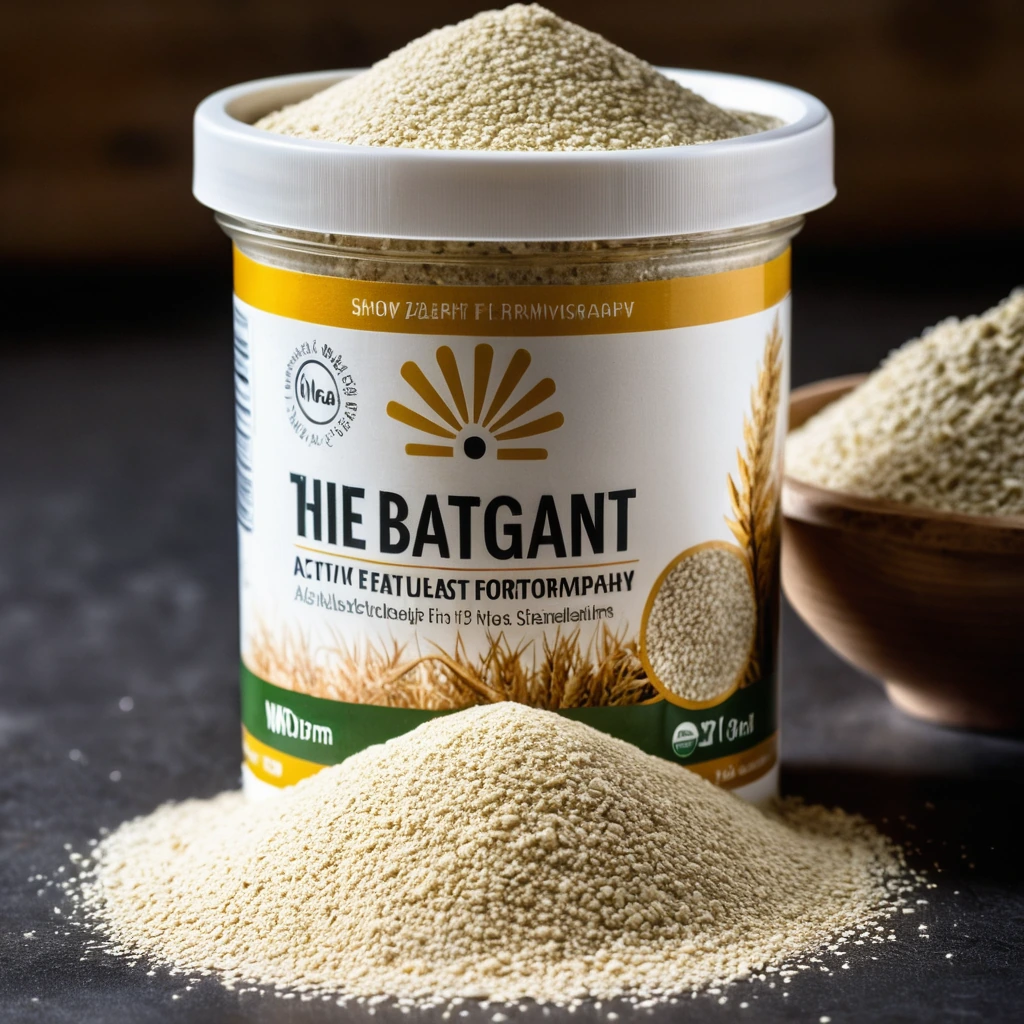
Active Dry Yeast
A fine, granulated leavening agent that brings baked goods to life with its gentle fermentation magic.
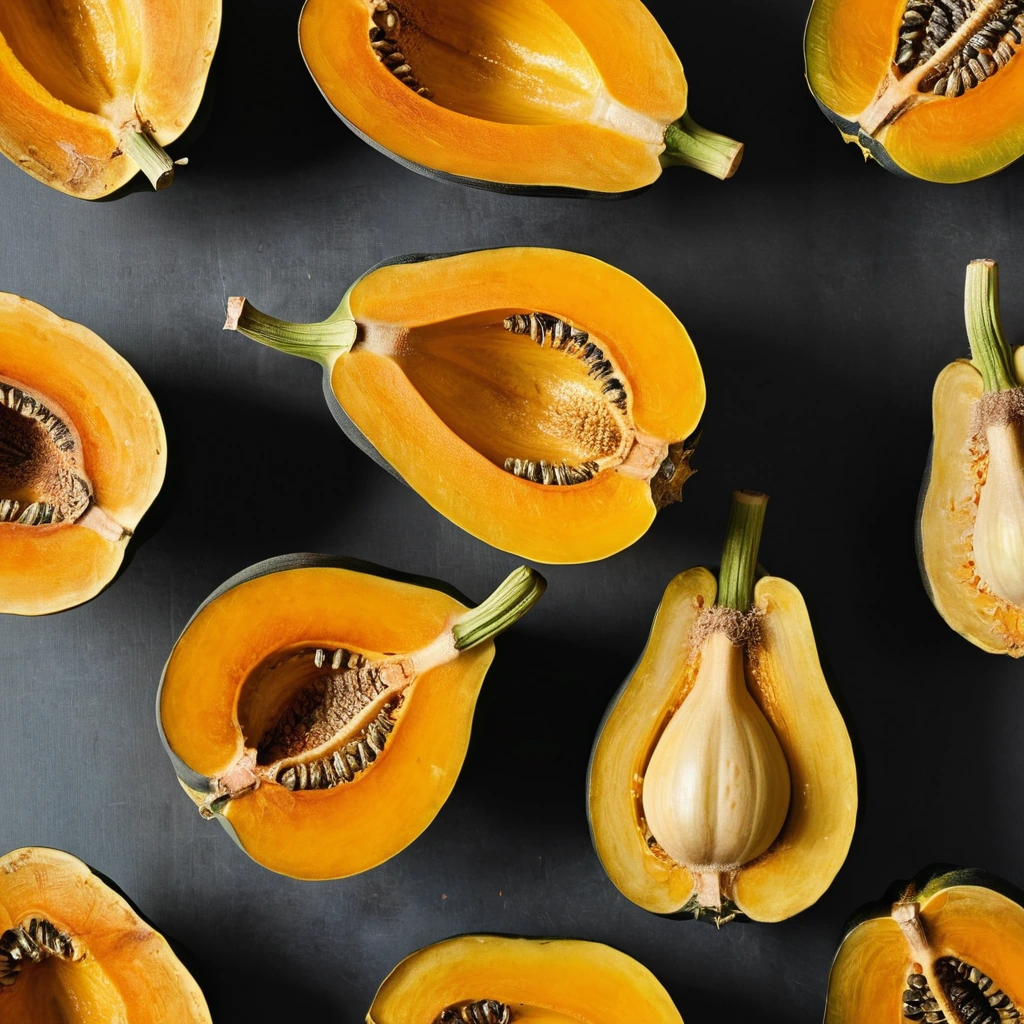
Acorn Squash
Acorn squash is a winter squash variety known for its distinctive teardrop shape and deep ridges resembling the texture of an acorn shell. Originating in the Americas, it has been cultivated for centuries and is a staple in autumn cuisine. The flesh is sweet and nutty with a hint of earthiness, offering a delightful contrast to savory dishes. Its texture is dense yet tender when cooked, making it ideal for roasting or pureeing. In cooking, acorn squash holds its shape well and absorbs flavors from herbs and spices, enhancing both its taste and versatility in recipes.