Seafood Technique: Shallow Frying Shrimp for Snappy Texture
Shallow frying shrimp is a beloved technique that yields a snappy, succulent texture that's irresistible. This method is perfect for creating crispy shrimp that are golden brown on the outside while maintaining their juicy, tender interior. The key to mastering this technique lies in selecting the right shrimp, preparing the perfect batter or coating, and controlling the heat of your pan. Whether you're making shrimp for tacos, po'boys, or just a simple appetizer, understanding how to shallow fry shrimp will elevate your seafood game. First, choose fresh shrimp that are in season for the best flavor. Deveining is optional but recommended for larger shrimp. Pat them dry with paper towels to ensure a crispy exterior. Next, decide on your coating: a simple flour dredge seasoned with salt, pepper, and perhaps a touch of paprika, or a light beer batter for extra crispiness. The oil you choose is crucial—opt for something with a high smoke point like peanut or vegetable oil. Heat control is vital; aim for a temperature of around 350°F to 375°F to achieve the ideal balance of crispiness and doneness without overcooking. Finally, fry in batches to avoid lowering the oil temperature, ensuring each shrimp cooks evenly and quickly.
Notes
The science behind shallow frying shrimp lies in the Maillard reaction, where amino acids and reducing sugars in the shrimp's proteins interact with the heat, creating those deliciously crispy surfaces. To troubleshoot common mistakes, ensure your shrimp are completely dry before coating to avoid splattering and soggy results. Maintaining oil temperature is crucial; too low and you risk greasy shrimp, too high and they'll burn before cooking through. For safety, never leave hot oil unattended and keep a lid nearby to smother any potential fires. These shrimp are best enjoyed fresh but can be stored in an airtight container in the fridge for up to 2 hours. Reheat gently in a warm oven to maintain texture.
Steps
- 1 Select 1 pound of fresh shrimp, peeled and deveined.
- 2 Pat shrimp dry with paper towels to remove excess moisture.
- 3 Prepare your coating: mix 1/2 cup flour with 1 teaspoon salt, 1/2 teaspoon black pepper, and 1/2 teaspoon paprika in a bowl.
- 4 Dredge each shrimp in the seasoned flour, shaking off excess.
- 5 Heat 1/2 inch of peanut or vegetable oil in a large skillet to 350°F to 375°F.
- 6 Once oil is hot, carefully add shrimp in a single layer, avoiding overcrowding.
- 7 Fry shrimp for 1 to 2 minutes per side, or until golden brown and cooked through.
- 8 Remove shrimp with a slotted spoon and place on a paper towel-lined plate to drain.
- 9 Repeat with remaining shrimp, adjusting oil temperature as needed.
- 10 Season immediately with a pinch of salt while still hot.
Ingredients to explore
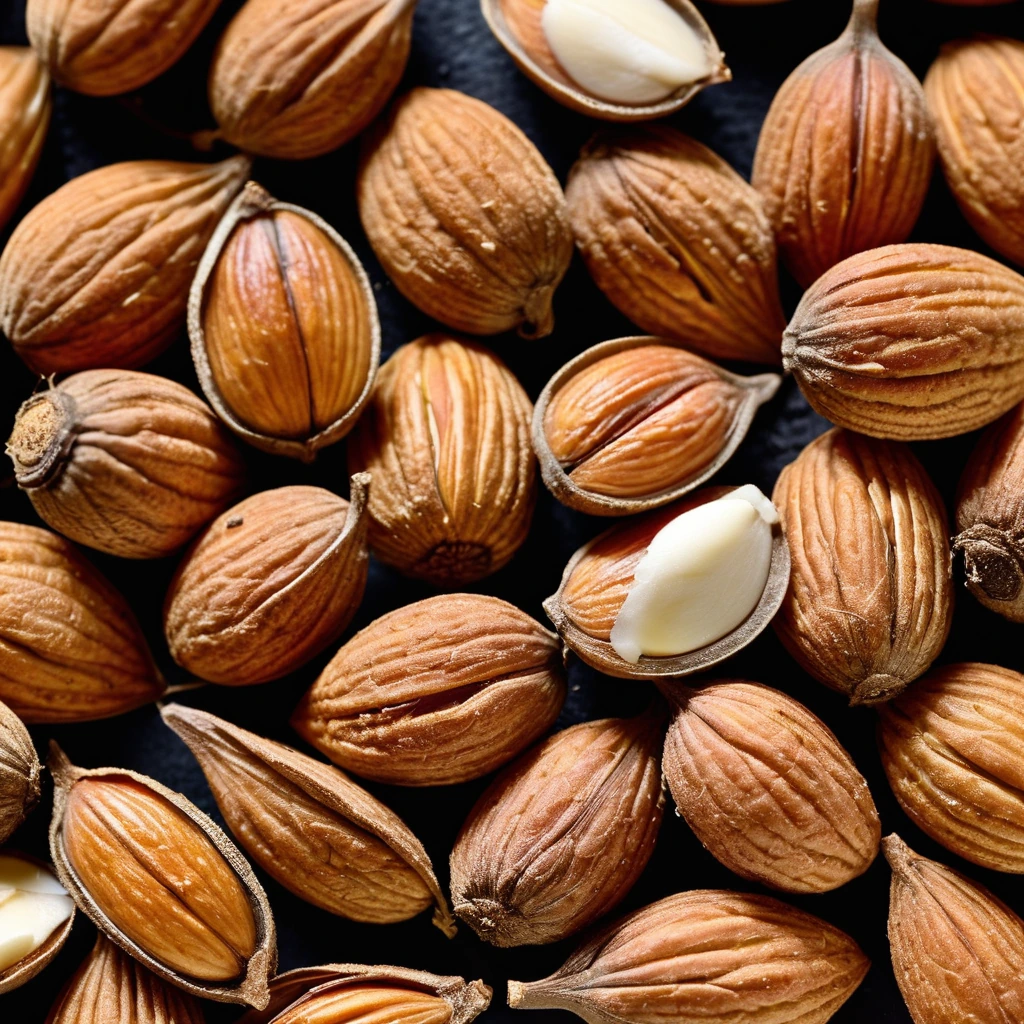
Almond Extract
A fragrant, golden elixir that captures the essence of freshly ground almonds, almond extract is a pantry staple that brings a rich, nutty aroma to your culinary creations.
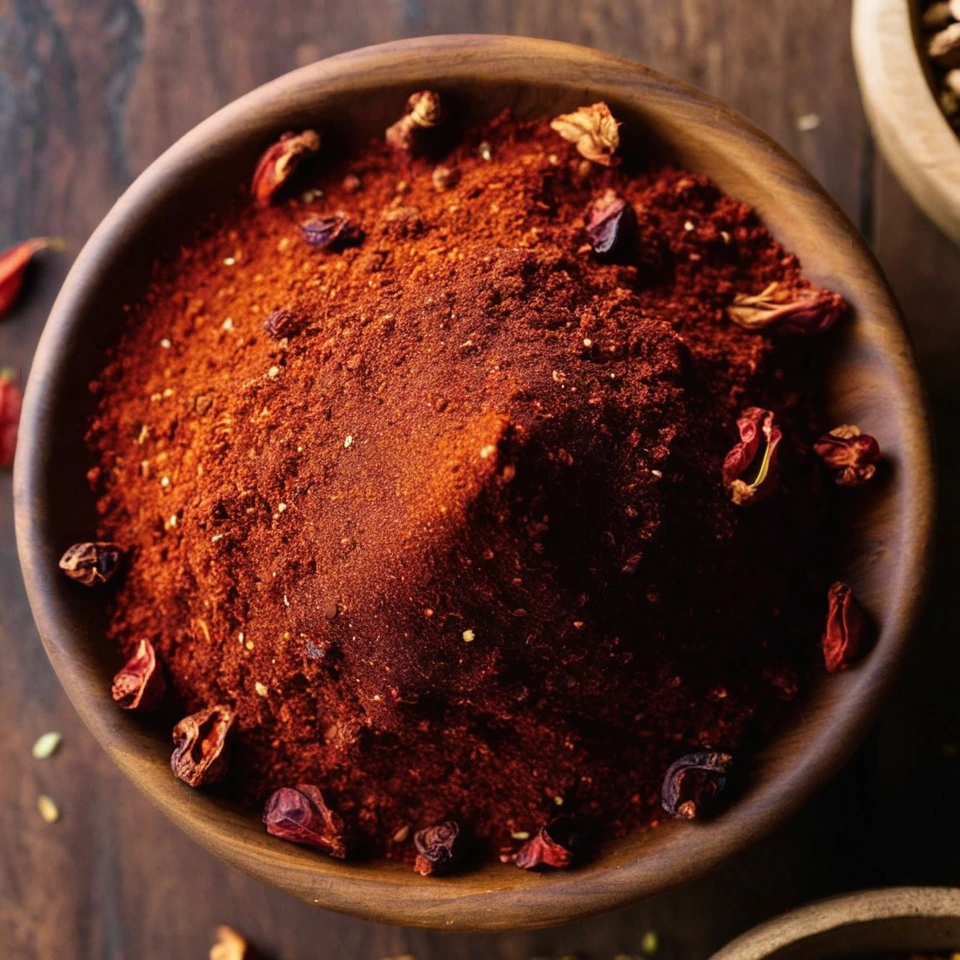
Aleppo Pepper
Aleppo pepper offers a harmonious balance of heat and sweetness, with a subtle fruity aroma reminiscent of sun-dried tomatoes and currants. Originating from the region around Aleppo, Syria, it has a fine, slightly coarse texture that shatters easily between fingers. Its mild yet complex flavor profile makes it a prized seasoning for enhancing dishes without overwhelming them. Valued for its versatility, it bridges the gap between spice and seasoning, bringing a touch of warmth and depth to a variety of cuisines.
Recipes to try
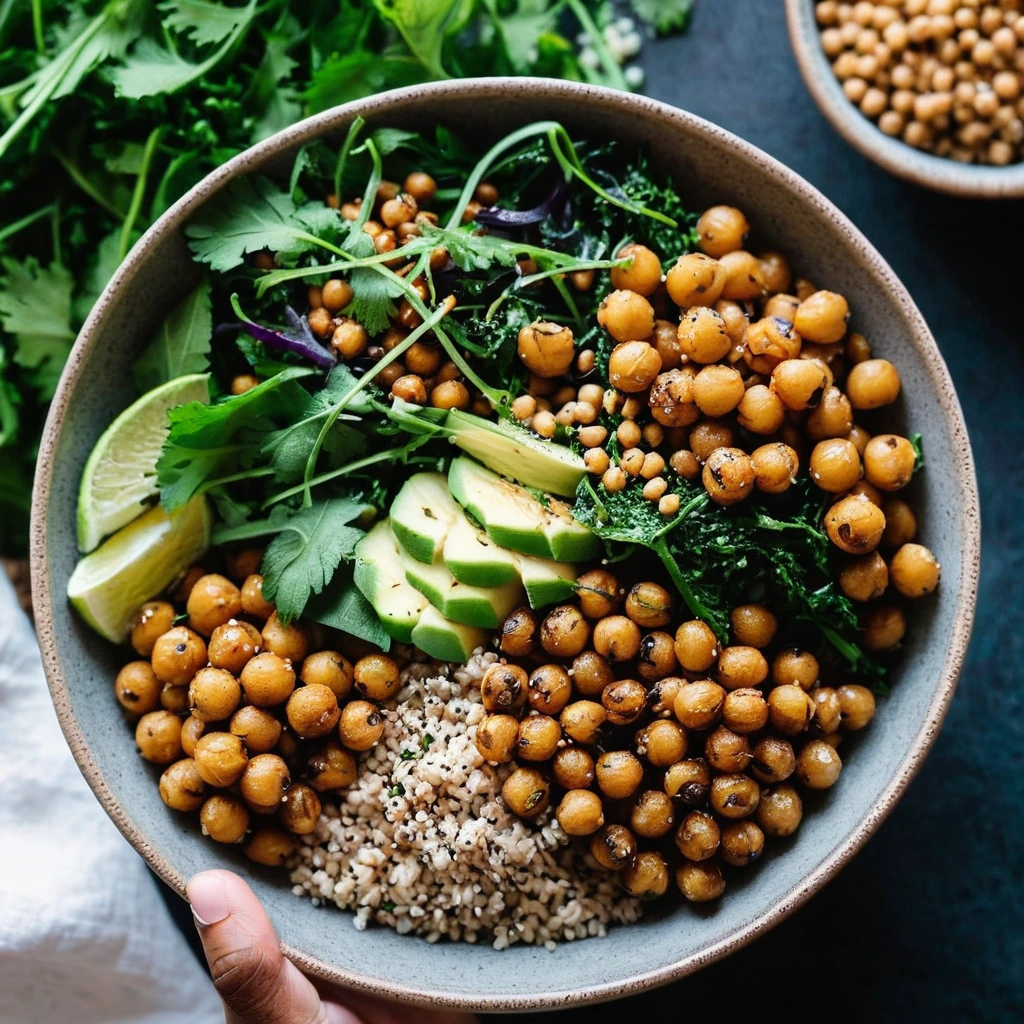
Spicy Sesame Roasted Chickpea Grain Bowls
Crispy, spicy chickpeas meet fluffy grains in a vibrant bowl that'll have your taste buds cheering for more.
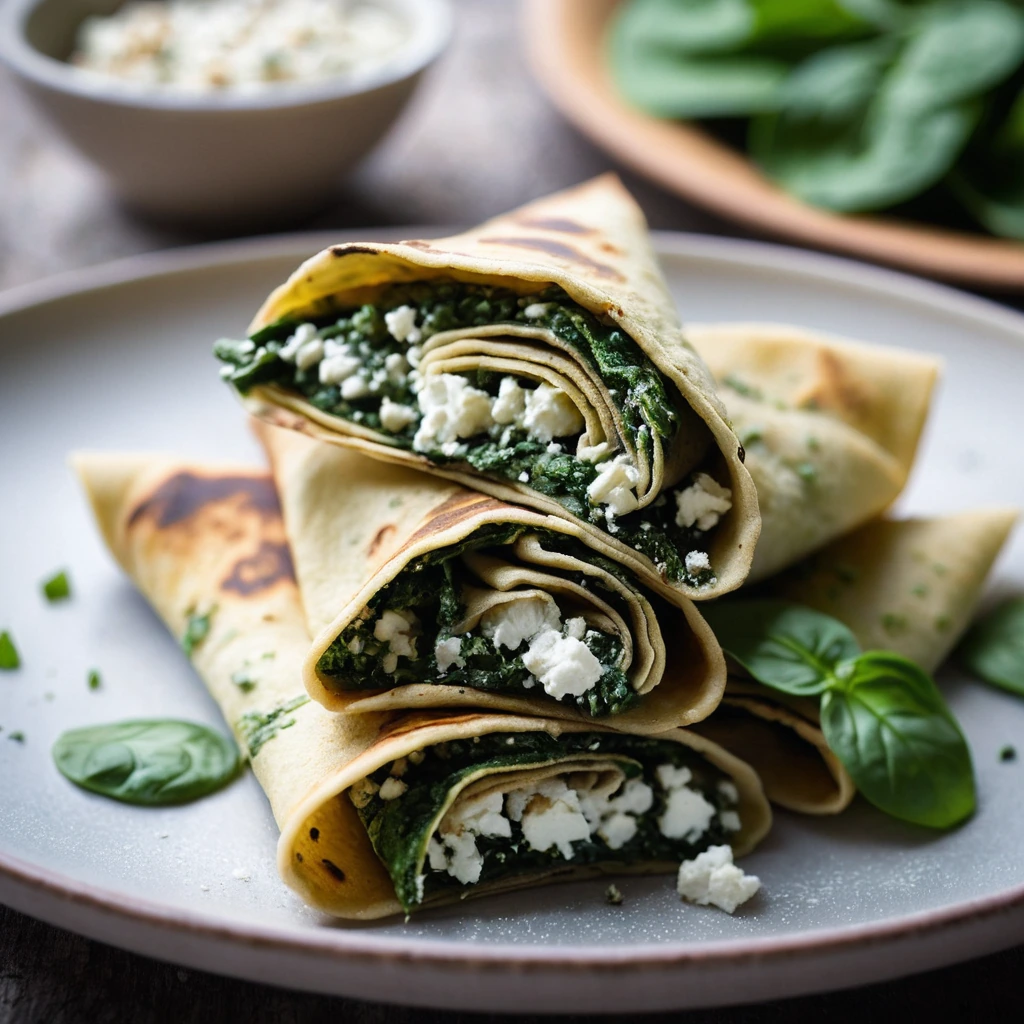
Spinach, Mushroom, and Feta Stuffed Crepes
Golden crepes envelop a savory blend of earthy mushrooms, tender spinach, and tangy feta for a satisfying vegetarian treat.