Sauces: Reducing Wine for Pan Sauces
Reducing wine is a foundational technique in creating rich and flavorful pan sauces. It involves simmering wine to concentrate its flavors and marry it with other ingredients, like pan drippings and aromatics, to create a luscious sauce that elevates any dish. The process requires patience and attention, as it transforms the wine's raw tanginess into a complex, nuanced base for your sauce. Understanding how to properly reduce wine can unlock a world of depth in your cooking, making even simple meals feel gourmet. The key is to balance the heat and timing to achieve the desired consistency without evaporating away all the alcohol and flavor. Additionally, reducing wine helps integrate it with other sauce components, creating a harmonious blend that clings beautifully to meats and vegetables. As you simmer, you'll notice the volume decrease and the aroma intensify, signaling the transformation taking place. Whether you're making a classic beef bourguignon or a quick weeknight chicken, mastering this technique will add professional flair to your dishes.
Notes
Reducing wine works by evaporating water content, which concentrates the alcohol and flavorful compounds, enhancing the sauce's depth. A common mistake is simmering the wine too vigorously, which can lead to rapid evaporation and loss of flavor. To avoid this, maintain a gentle simmer and monitor the reduction closely. Safety is key when working with alcohol; never ignite the wine unless you're in a well-ventilated area and confident in your technique. For make-ahead convenience, allow the sauce to cool completely before refrigerating it in an airtight container for up to 3 days. Reheat gently to preserve texture and flavor.
Steps
- 1 Pour 1 to 2 cups of wine into a clean skillet or saucepan used for cooking your main dish.
- 2 Place the skillet over medium-high heat and bring the wine to a gentle simmer.
- 3 Use a wooden spoon to scrape up any browned bits from the bottom of the pan, incorporating them into the wine.
- 4 Allow the wine to simmer, reducing by half, which typically takes about 8 to 10 minutes.
- 5 Reduce the heat to medium if the wine is evaporating too quickly; aim for a slow, steady reduction.
- 6 Observe the wine as it thickens and becomes syrupy, indicating it’s nearing the desired reduction.
- 7 Once reduced by half, remove from heat and check the consistency; it should coat the back of a spoon.
- 8 Add your choice of aromatics, such as shallots or garlic, and any additional sauce ingredients like stock or butter.
- 9 Return the skillet to low heat and gently whisk in the remaining ingredients until fully incorporated.
- 10 Season the sauce with salt and pepper to taste, adjusting for any additional seasoning needed.
- 11 Strain the sauce through a fine-mesh sieve if a smooth texture is desired.
- 12 Keep the sauce warm until ready to serve, ensuring it doesn't break or separate.
Ingredients to explore
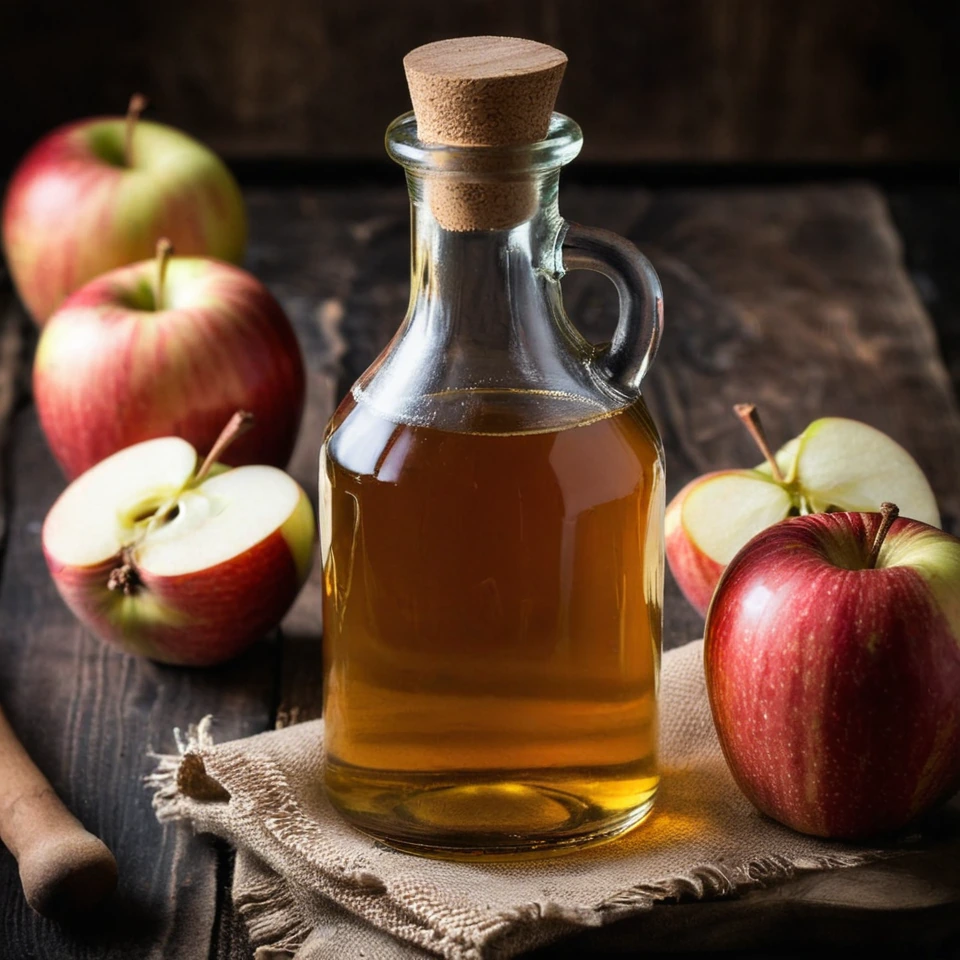
Apple Cider Vinegar
Apple cider vinegar is a type of vinegar made through the fermentation of apple cider, resulting in a tangy, slightly sweet liquid with a pale to medium amber color.

Andouille Sausage
Andouille sausage is a coarse-grained, smoked pork sausage with a rich history rooted in French cuisine, particularly from the Alsace region. It was adapted in Louisiana, where it became a staple in Cajun and Creole cooking. The sausage is known for its robust, smoky flavor with hints of garlic, pepper, and other spices, creating a spicy and savory profile. Its texture is firm yet slightly chewy, making it a hearty addition to dishes. When cooked, andouille sausage maintains its shape well and infuses dishes with its distinctive smoky essence, enhancing stews, soups, and rice dishes.
Recipes to try

Lemon Raspberry Cheesecake Parfaits
Creamy layers of lemon cheesecake meet tangy raspberry swirls in a delightful parfait that's as pretty as it is delicious.
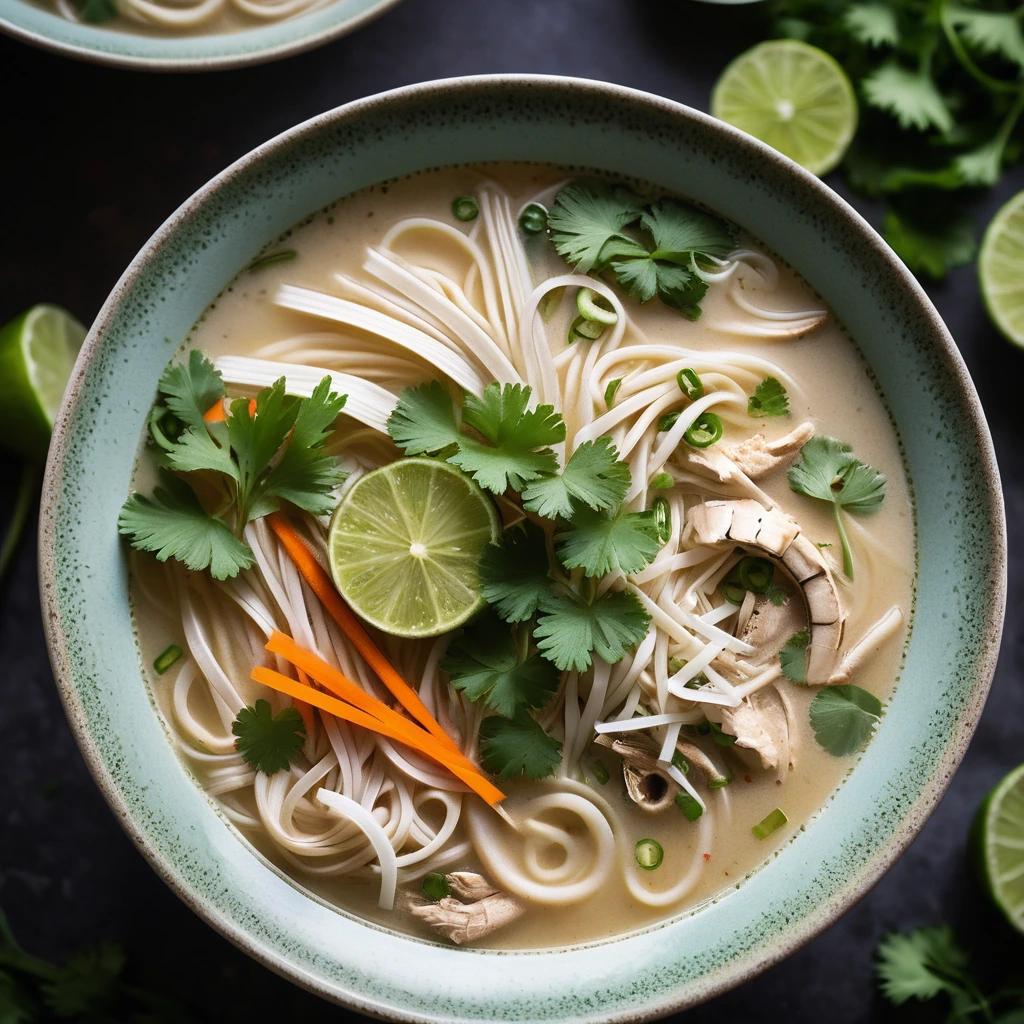
Thai Chicken Coconut Noodle Soup
Warm and fragrant, this soup is a symphony of coconut milk, zesty lime, and tender chicken with a hint of spice.