Sauce Technique: Reducing Wine Without Harshness
Creating a rich, velvety sauce with wine is an art that requires patience and precision. The goal is to concentrate the wine's flavors without leaving behind harsh, bitter notes. When wine reduces, alcohol evaporates and flavors intensify, but if done too quickly or at too high a temperature, you risk burning the sugars and acids present in the wine, leading to a harsh-tasting sauce. This technique focuses on gently coaxing out the best qualities of the wine, ensuring a smooth, balanced sauce that enhances your dish rather than overpowering it. First, understanding the role of temperature is crucial. Simmering rather than boiling keeps the wine's delicate aromas intact. Second, the choice of wine matters; avoid cooking with something you wouldn't drink. Third, patience is key—slow reduction allows flavors to meld and develop complexity. Finally, adding complementary ingredients at the right time can round out the sauce, balancing acidity and sweetness. By following these principles, you can transform a simple bottle of wine into a sophisticated sauce that elevates any meal.
Notes
Reducing wine slowly helps preserve its nuanced flavors and prevents the caramelization of sugars, which can lead to harshness. The gentle heat allows alcohol to evaporate gradually while maintaining the integrity of the wine's aromatic compounds. A common mistake is reducing the wine too quickly at high heat, which can scorch the sauce and introduce bitterness. To avoid this, always use a thermometer to ensure the temperature remains below boiling point. For safety, never leave reducing wine unattended as it is flammable. This sauce can be made ahead and stored in an airtight container in the fridge for up to 3 days. Reheat gently before serving.
Steps
- 1 Pour wine into a medium saucepan, ensuring it is no more than halfway full.
- 2 Place the saucepan over medium-low heat.
- 3 Bring the wine to a gentle simmer; small bubbles should form at the edges.
- 4 Skim off any impurities or foam that rise to the surface with a spoon.
- 5 Allow the wine to simmer slowly, maintaining a consistent gentle bubble.
- 6 Monitor the reduction closely; it should take about 15-20 minutes for the volume to halve.
- 7 Adjust heat as needed to maintain a gentle simmer, avoiding a rolling boil.
- 8 Add aromatics like shallots or herbs during the last 5 minutes of reduction for added depth.
- 9 Finish with a touch of butter or cream to enrich the sauce, if desired.
- 10 Taste and adjust seasoning with salt and pepper.
- 11 Strain the sauce through a fine-mesh sieve to achieve a smooth consistency.
- 12 Keep the sauce warm until ready to use, avoiding prolonged heating which can alter the texture.
Ingredients to explore
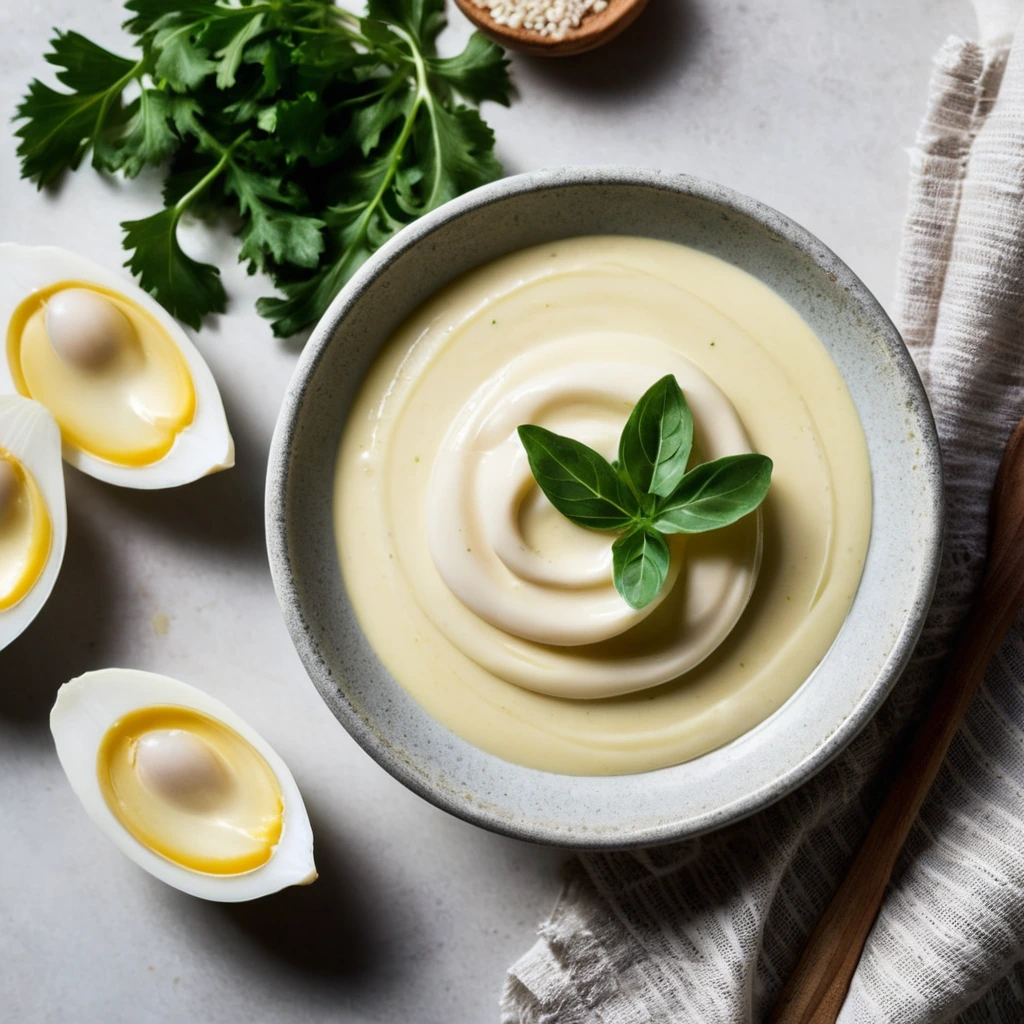
Aioli
A luscious, velvety emulsion of garlic and olive oil, aioli is a rich and aromatic sauce that dances on the palate with its creamy texture and bold, pungent flavor.
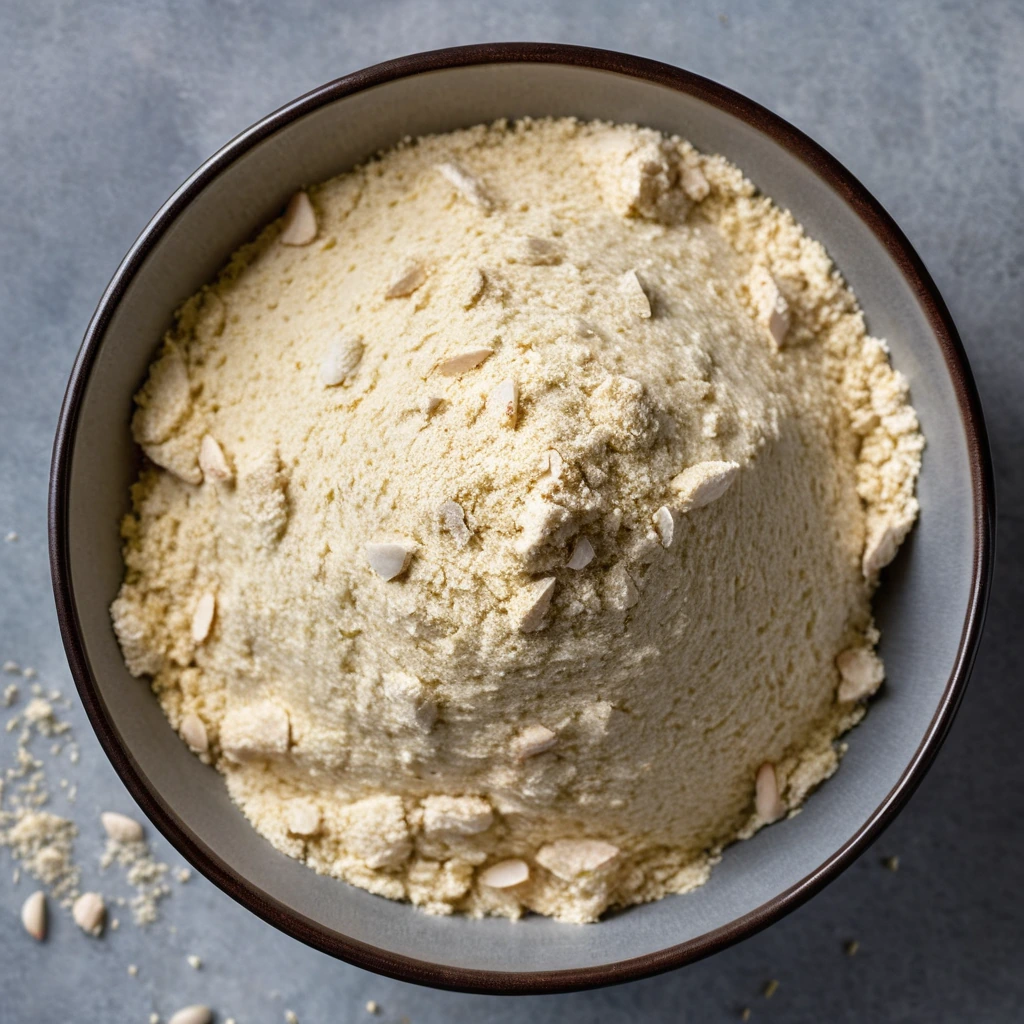
Almond Flour
A finely ground flour made from blanched almonds, offering a delicate nutty aroma and a tender crumb to your baked goods.
Recipes to try
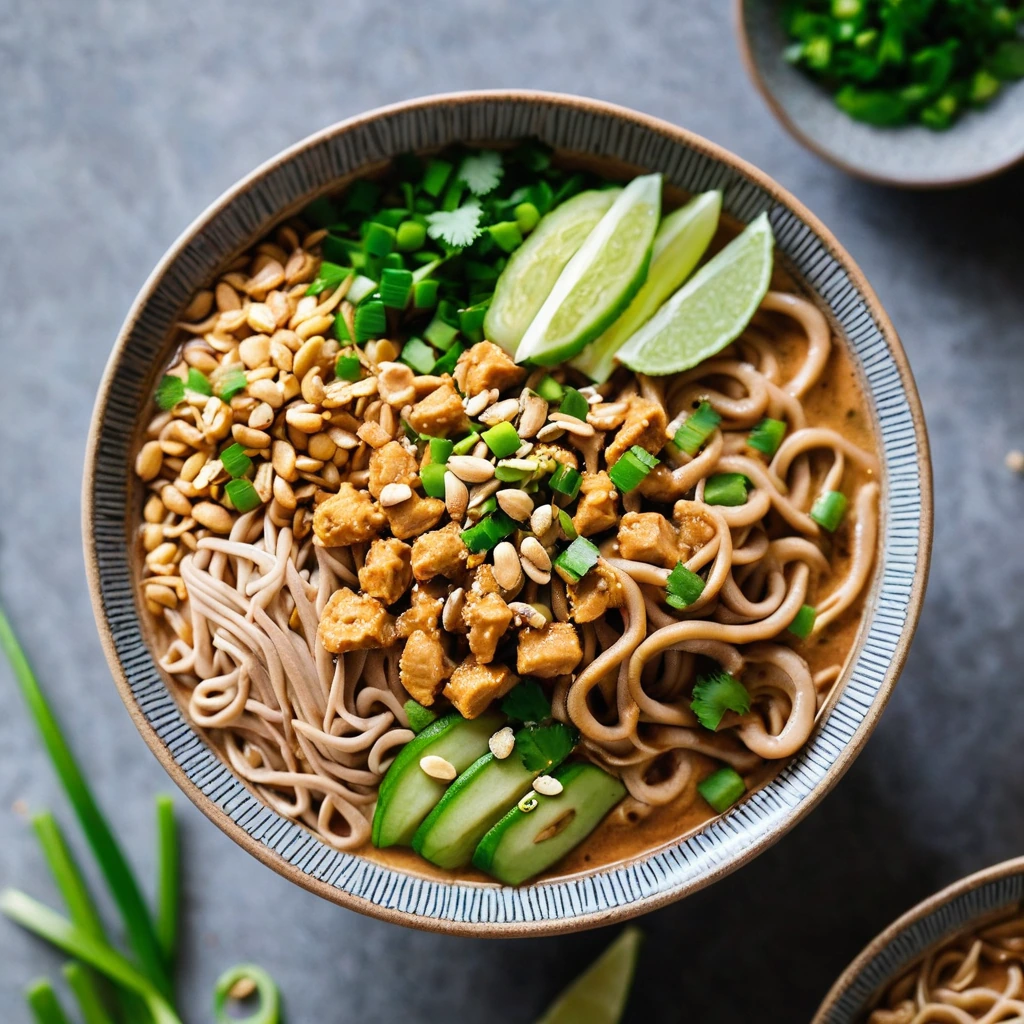
Spicy Peanut Chicken Noodle Bowls
Creamy peanut sauce clings to tender chicken and chewy noodles in a vibrant, fiery bowl that's comfort food on steroids.
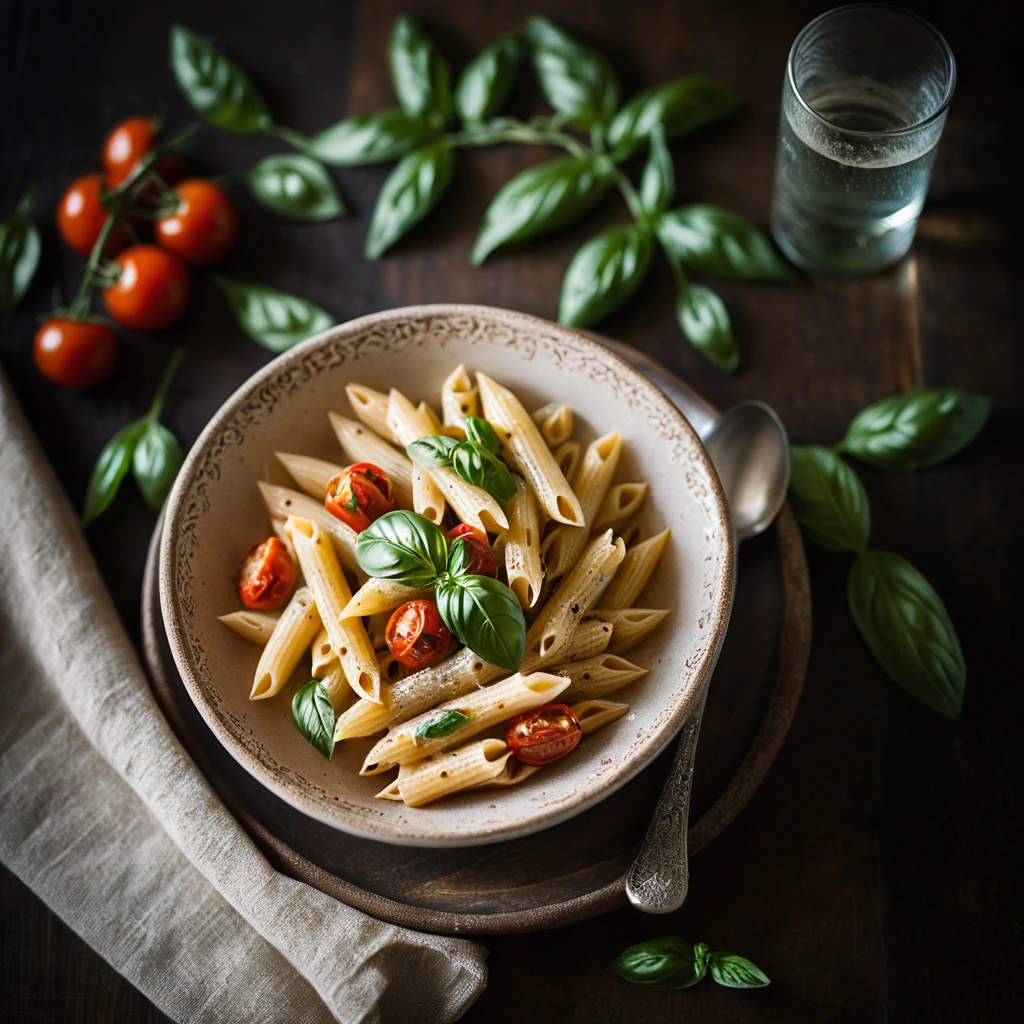
Roasted Tomato and Basil Cream Penne
Sun-kissed roasted tomatoes meld with creamy sauce and fresh basil for a penne that's both comforting and vibrant.