Safety: Checking Fridge and Freezer Temperatures
Keeping your fridge and freezer at the correct temperatures is crucial for food safety and preventing spoilage. The U.S. Food and Drug Administration (FDA) recommends keeping your refrigerator at 40°F or below and your freezer at 0°F or below. Maintaining these temperatures ensures that harmful bacteria are kept at bay, safeguarding your family from foodborne illnesses. A reliable thermometer is your best tool for this task. Regularly checking these temperatures can help you catch issues early, like a failing appliance or a power outage that could compromise your food. Understanding how to properly check and adjust these temperatures is not just about preserving your groceries; it's about protecting your health. This guide will walk you through the essential steps to accurately measure and maintain your fridge and freezer temperatures, ensuring your food stays safe to eat.
Notes
Understanding the science behind refrigeration helps you appreciate why precise temperatures matter. Bacteria grow rapidly between 40°F and 140°F, known as the 'danger zone.' By keeping your fridge at 40°F or below, you significantly slow bacterial growth, reducing the risk of foodborne illnesses. A common mistake is placing the thermometer too close to vents or walls, where temperatures can be misleading. To troubleshoot inaccurate readings, ensure your thermometer is properly calibrated and not obstructed. For safety, always handle thermometers with clean hands. For storage, keep your thermometer in a safe, dry place. Checking temperatures regularly is a simple yet vital habit to protect your food investment and your family’s health.
Steps
- 1 Purchase a reliable appliance thermometer suitable for fridge and freezer use.
- 2 Place the thermometer in the center of your fridge, away from the walls and vents.
- 3 Leave the thermometer in the fridge for at least 24 hours to get an accurate reading.
- 4 Check the thermometer after 24 hours to see if the temperature is 40°F or below.
- 5 Adjust the temperature dial if necessary and wait another 24 hours before rechecking.
- 6 Repeat the process for your freezer, placing the thermometer in a similar central location.
- 7 Ensure the freezer thermometer reads 0°F or below after 24 hours.
- 8 Make adjustments to the freezer temperature dial if needed and recheck after 24 hours.
- 9 Record the temperatures and schedule regular checks, ideally once a month.
- 10 Clean the thermometer after each use to prevent cross-contamination.
Ingredients to explore

Active Dry Yeast
A fine, granulated leavening agent that brings baked goods to life with its gentle fermentation magic.
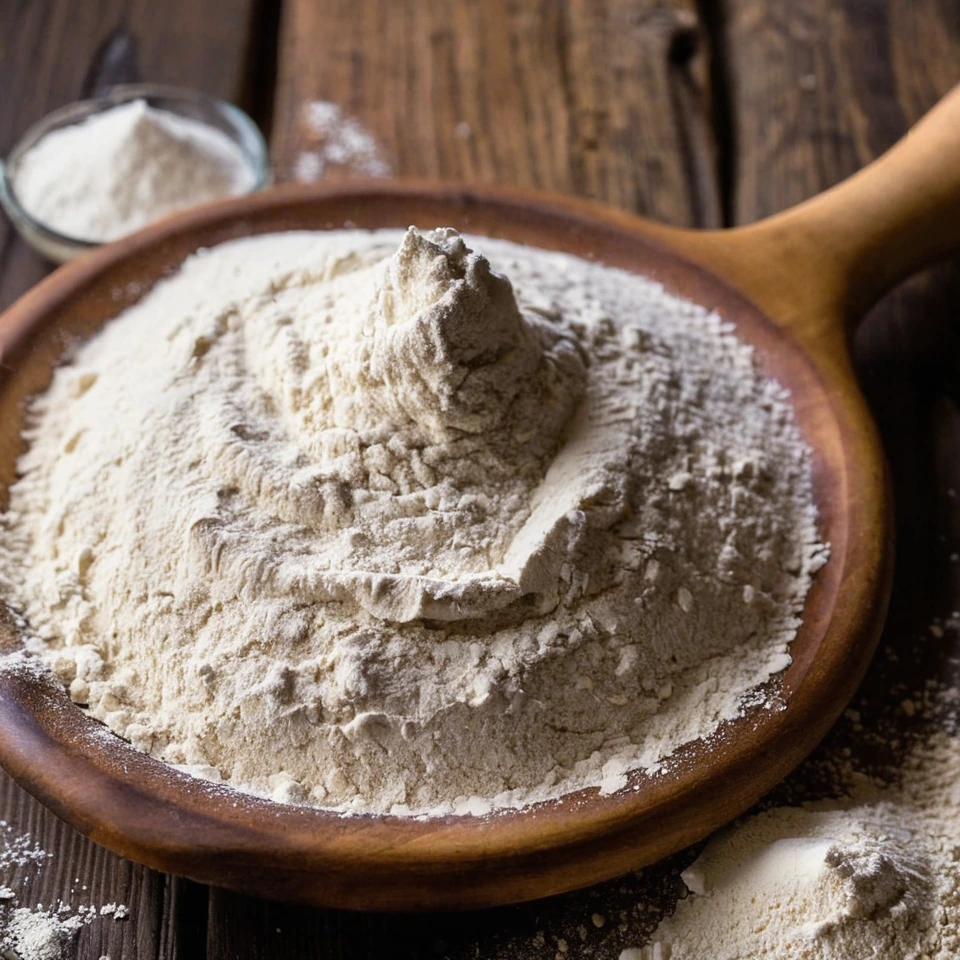
All-Purpose Flour
All-purpose flour is a versatile wheat flour that contains a moderate level of protein and gluten, making it suitable for a wide range of baking and cooking needs.
Recipes to try

Tomato Tortellini Soup with Spinach
Warm up with this hearty, vibrant soup that's brimming with juicy tomatoes, tender tortellini, and a lush swirl of spinach.

Tomato Basil Parmesan Farro Risotto
Creamy farro risotto kissed with fresh basil and sun-ripened tomatoes, topped with a generous sprinkle of Parmesan.