Precision Knife Work: Turning Vegetables into Even Wedges
Achieving even wedges from vegetables is a skill that elevates both the presentation and cooking consistency of your dishes. Whether you're slicing root vegetables for roasting or prepping bell peppers for a stir-fry, mastering precision knife work ensures each piece cooks evenly and looks restaurant-worthy. This technique requires attention to detail and a methodical approach. Start by selecting vegetables that are uniform in size and shape to ensure consistency. Understand your knife: a sharp chef's knife is essential for clean cuts. Before you begin, ensure your cutting board is stable and secure to prevent accidents. The goal is to create wedges that are uniform in thickness and shape, which means taking your time to slice and trim with precision. This technique is not just about aesthetics; it also impacts the cooking time and texture of your vegetables, ensuring each piece is perfectly cooked. Practice makes perfect, so don't be discouraged if your first few attempts are uneven. With patience and practice, you'll soon be turning out perfectly even wedges like a professional chef.
Notes
The key to precision knife work is maintaining consistent cuts, which allows vegetables to cook evenly and enhances their texture. A sharp knife is critical for clean, precise cuts, reducing the risk of slips and accidents. Common mistakes include rushing the process and not ensuring each slice is uniform; patience is essential. For safety, always use a stable cutting board and keep your fingers tucked in when slicing. To save time, prepare all your vegetables at once and store them in airtight containers in the refrigerator for up to 3 days. Understanding the science behind even cuts helps ensure that heat is distributed uniformly during cooking, leading to perfectly cooked vegetables every time.
Steps
- 1 Select vegetables that are similar in size and shape.
- 2 Wash and dry vegetables thoroughly.
- 3 Trim off both ends of the vegetable to create flat surfaces.
- 4 Stand the vegetable upright on one of the flat ends.
- 5 Slice the vegetable into even planks, about 1/4 to 1/2 inch thick.
- 6 Stack the planks neatly and slice them crosswise into wedges.
- 7 Adjust the thickness of the wedges by slicing at a slight angle for thinner wedges or straight across for thicker ones.
- 8 Check each wedge for even thickness and trim any uneven pieces.
- 9 Arrange the wedges in a single layer on a tray for cooking.
- 10 Ensure all wedges are uniform in size for even cooking.
- 11 Repeat the process with remaining vegetables.
Ingredients to explore
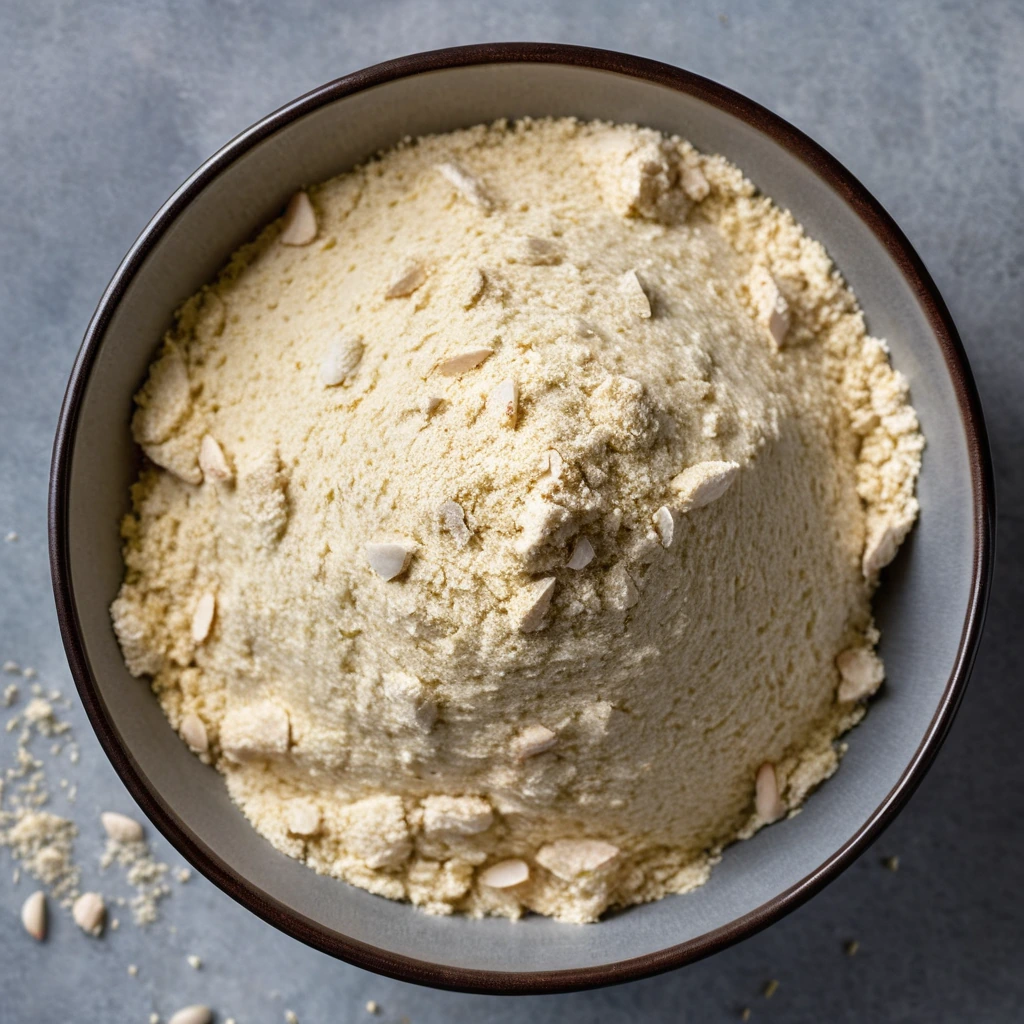
Almond Flour
A finely ground flour made from blanched almonds, offering a delicate nutty aroma and a tender crumb to your baked goods.
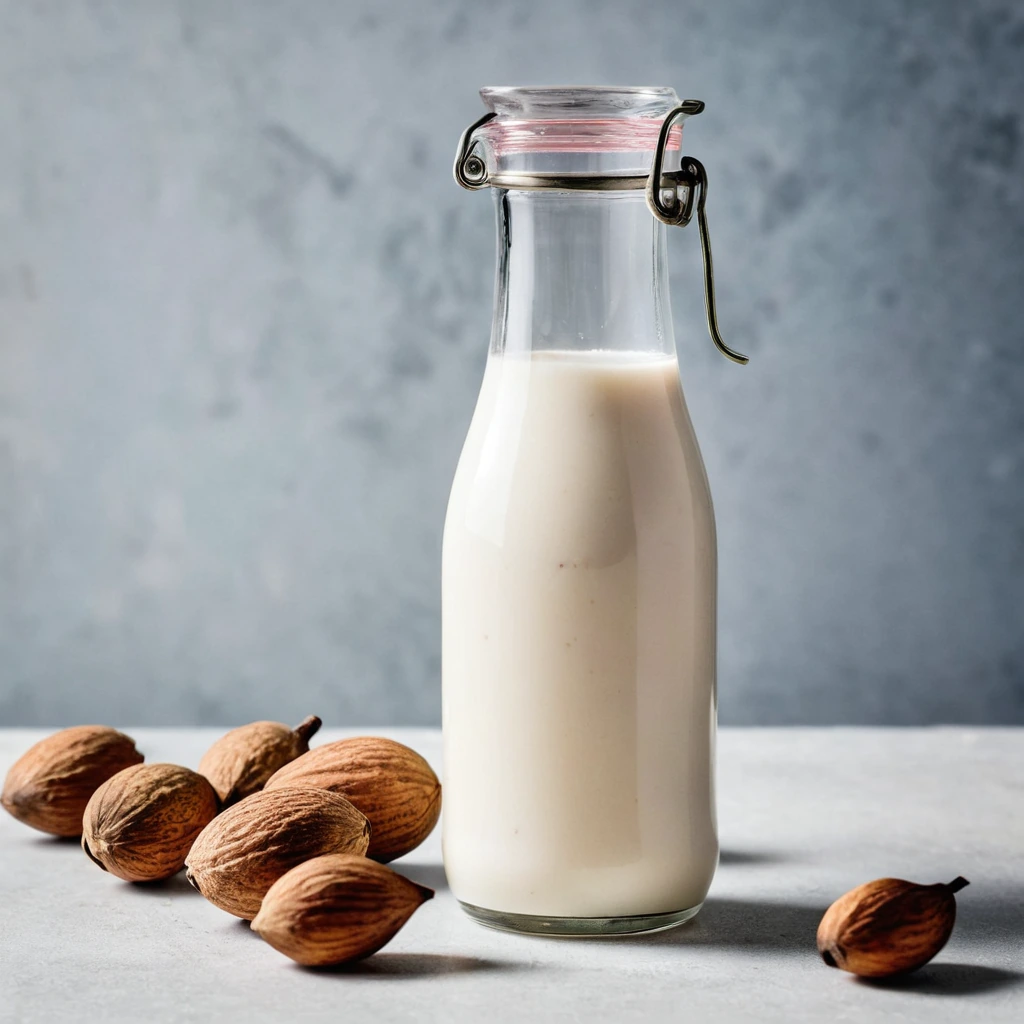
Almond Milk
Almond milk is a plant-based milk alternative made from ground almonds and water. Originating from traditional recipes in medieval Europe and the Middle East, it has gained widespread popularity in modern times as a dairy-free option. Almond milk has a subtly nutty flavor with a mild sweetness, and its aroma is reminiscent of fresh almonds. Its texture is smooth and creamy, though typically lighter than dairy milk. In cooking, almond milk behaves well in both savory and sweet applications, though it does not brown or caramelize like dairy milk. It is often used in cereals, smoothies, and baking, where its delicate flavor complements rather than overpowers other ingredients.
Recipes to try
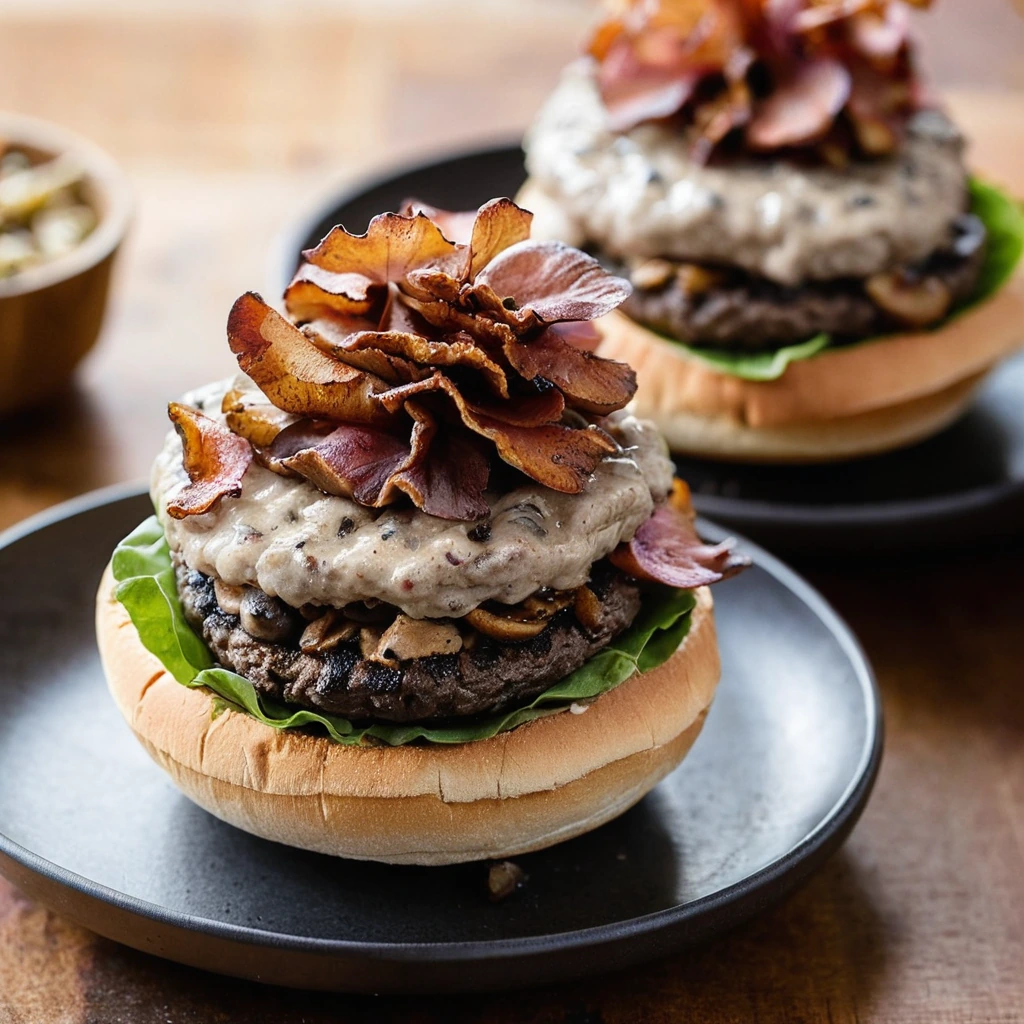
Maple Bacon Mushroom Burger Bowls
Sweet, smoky, and savory come together in these hearty bowls, where juicy burger patties meet crispy bacon and earthy mushrooms.
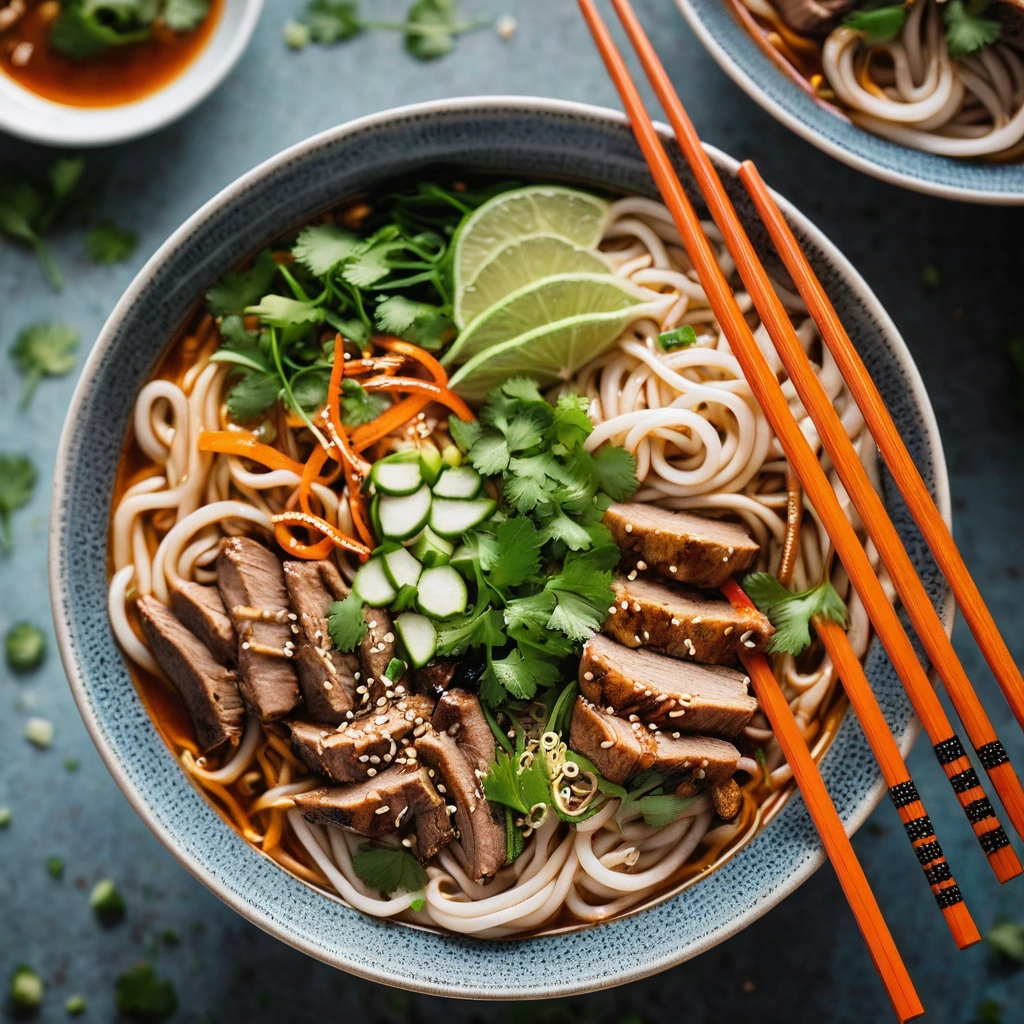
Sweet Chili Pork Noodle Bowls
Tender pork and chewy noodles are smothered in a tangy, sweet chili sauce that'll have you coming back for seconds.