Microwave: Softening Butter Quickly but Gently
Softening butter is a critical step in many baking recipes, ensuring a smooth texture and even distribution in your batter. The microwave offers a quick solution, but it requires precision to avoid melting your butter into a greasy puddle. Fear not, home cooks! With a gentle approach and a bit of patience, you can harness the power of your microwave to achieve perfectly softened butter every time. First, understanding the difference between softened and melted butter is key. Softened butter is pliable and cool to the touch, while melted butter is, well, liquid. The goal is to warm the butter just enough to loosen its structure without crossing into the melt zone. This technique is particularly handy when you’re short on time but still want to maintain the integrity of your recipe. We’ll walk you through selecting the right microwave settings, timing, and visual cues to ensure your butter is just right. Whether you’re whipping up a batch of cookies or preparing a fluffy frosting, mastering this technique will elevate your baking game.
Notes
The science behind this technique lies in the fat content of butter and its behavior when heated. Butter is roughly 80% fat, 16-17% water, and 1-2% milk solids. When heated gently, the fat crystals begin to loosen, making the butter pliable without fully melting. A common mistake is using full power, which can quickly turn butter into a liquid mess. To avoid this, always use a lower power setting. Safety is paramount; ensure your microwave is clean and your plate is microwave-safe. For make-ahead considerations, softened butter can be used immediately but should not be stored in this state for long periods. Instead, store it in the fridge and repeat the process when needed.
Steps
- 1 Cut the butter into 1-inch cubes for even heating.
- 2 Place the butter cubes on a microwave-safe plate.
- 3 Set your microwave to 30% power to ensure gentle heating.
- 4 Microwave the butter for 5 seconds.
- 5 Check the butter by pressing gently with your fingertip.
- 6 If still firm, microwave for another 5 seconds.
- 7 Repeat checking and microwaving in 5-second intervals.
- 8 Stop once the butter indents easily but is not oily.
- 9 Remove the plate carefully, as it may be warm.
- 10 Let the butter rest at room temperature for 1-2 minutes.
- 11 Use your softened butter immediately for best results.
- 12 If butter is too soft, chill briefly in the fridge.
- 13 If butter starts to melt, re-solidify in the fridge and try again with shorter intervals.
Ingredients to explore

Almonds
With their golden-brown hue and delicate, edible skin, almonds are a crunchy delight. These versatile nuts boast a rich, buttery flavor that adds depth to both sweet and savory dishes.
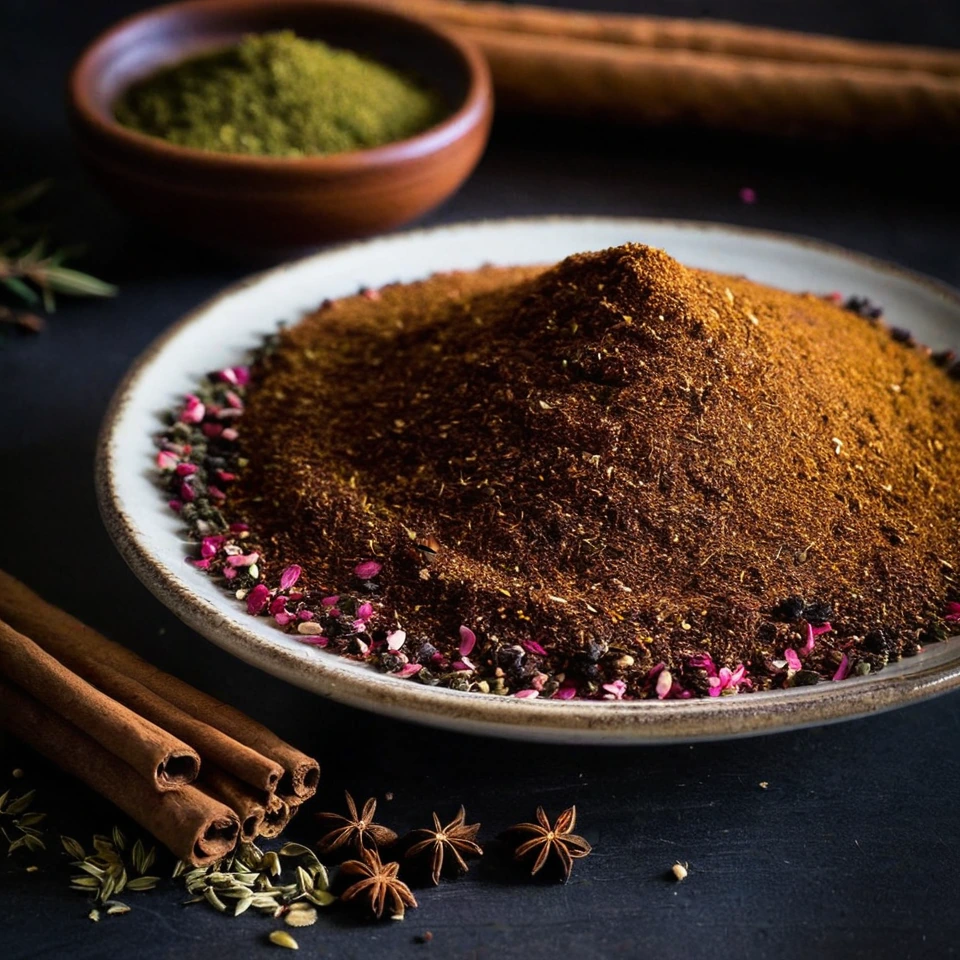
Advieh (Persian Spice Blend)
Advieh is a fragrant Persian spice blend that boasts a complex aroma of warm cinnamon, earthy cumin, and floral hints of rose and saffron. Its texture is finely ground, making it easy to incorporate into dishes. Originating from the rich culinary traditions of Iran, advieh adds depth and sophistication to both savory and sweet recipes. Its unique combination of spices reflects the historical spice trade routes that influenced Persian cuisine.
Recipes to try

Roasted Root Vegetable and Barley Stew
Hearty and deeply flavorful, this stew marries caramelized root veggies with chewy barley for a comforting bowlful of warmth.

Sweet Potato and Kale Skillet with Feta
Golden roasted sweet potatoes and tender kale come together in a skillet, kissed by tangy feta and a whisper of garlic.