Knife Skills: Thinly Slicing Raw Fish for Crudo
Thinly slicing raw fish for crudo is an artful technique that requires precision, patience, and the right tools. Achieving perfect slices means marrying the right angle with consistent pressure to create uniform, translucent slices that showcase the delicate texture and flavor of the fish. Start by selecting the freshest fish possible, ideally sushi-grade to ensure safety and quality. The knife is your most crucial tool; a sharp, thin-bladed Japanese yanagi or a fillet knife works best due to their long, smooth edges that minimize drag and tearing. Before slicing, the fish should be properly chilled but not frozen, as this makes it easier to handle without compromising the texture. Holding the knife at a consistent angle is key—aim for about 15 degrees against the cutting board. Use a gentle sawing motion to guide the blade through the fish, applying even pressure to avoid jagged edges. Each slice should be uniform in thickness, typically around ⅛ to ¼ inch, to ensure even cooking when served with citrus or other ingredients. Remember, practice makes perfect, so don't be discouraged by uneven slices at first. As you become more comfortable, you’ll develop a rhythm that yields beautiful, restaurant-quality slices. Pay attention to the grain of the fish; slicing against the grain results in more tender bites. Finally, presentation matters—arrange your slices artfully on the plate, perhaps fanned out or overlapping slightly, to enhance visual appeal.
Notes
The science behind thinly slicing fish lies in understanding the muscle fibers and fat distribution within the fish. Slicing against the grain shortens these fibers, resulting in a more tender texture. Maintaining a sharp knife is crucial; a dull blade can crush the delicate fibers, leading to ragged slices. Common mistakes include using too much pressure or an improper angle, both of which can result in uneven slices. Safety is paramount—always handle knives with care and keep fingers tucked away from the blade. For storage, consume crudo immediately or keep slices chilled for up to an hour to preserve texture and taste.
Steps
- 1 Select sushi-grade fish and ensure it is properly chilled.
- 2 Sharpen your yanagi or fillet knife if necessary.
- 3 Trim any fins or excess fat from the fish.
- 4 Place the fish on a clean, damp cutting board to prevent slipping.
- 5 Hold the knife at a 15-degree angle to the cutting board.
- 6 Use a gentle sawing motion to slice through the fish.
- 7 Apply even pressure to maintain consistent thickness, around ⅛ to ¼ inch.
- 8 Slice against the grain for more tender pieces.
- 9 Turn the fish as needed to maintain consistent slicing direction.
- 10 Check each slice for uniform thickness and adjust technique as needed.
- 11 Transfer slices to a chilled plate to prevent them from warming up too quickly.
- 12 Arrange slices artfully on the serving plate.
- 13 Serve immediately with desired accompaniments like citrus wedges or herbs.
Ingredients to explore
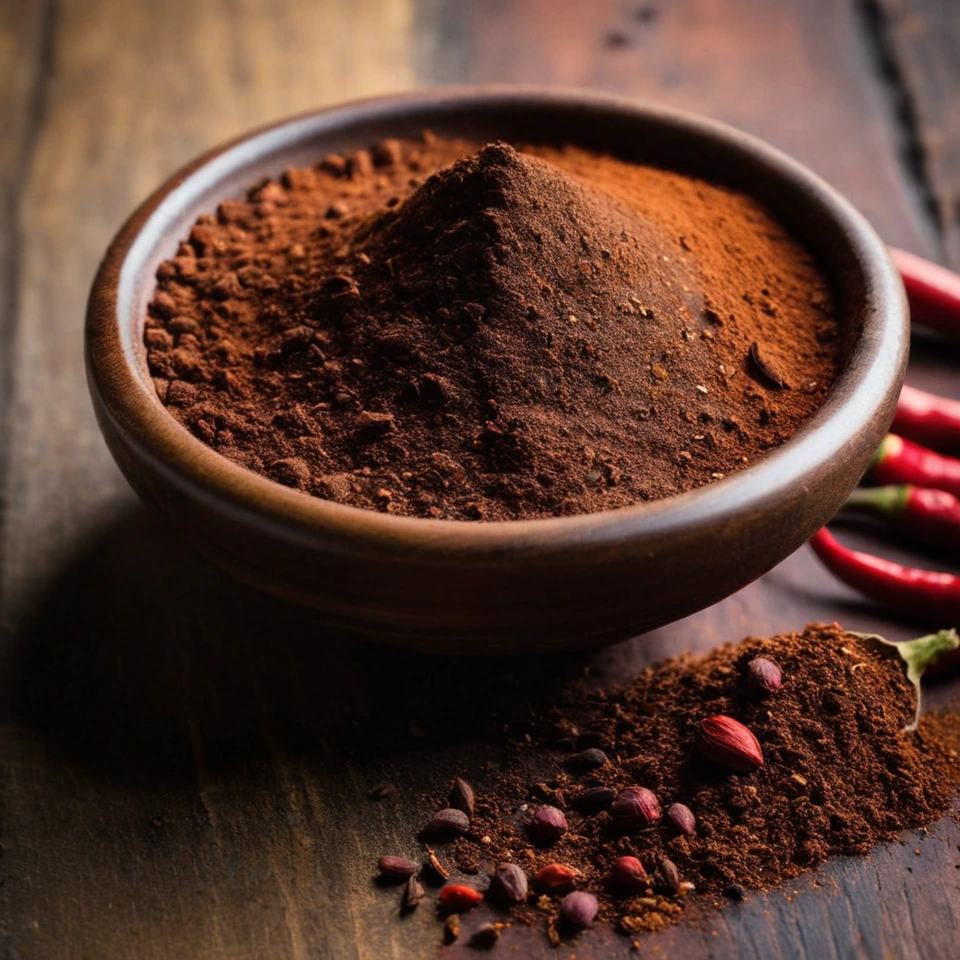
Ancho Chili Powder
Ancho chili powder offers a deep, smoky sweetness with hints of dried fruit and cocoa, reminiscent of its origin as dried poblano peppers from Mexico. Its aroma is warm and inviting, with a mild heat that lingers gently. The texture is fine and velvety, making it easy to incorporate into a variety of dishes. This powder is prized for its ability to add complexity without overwhelming spice, ideal for enriching both traditional Mexican moles and contemporary global cuisines.
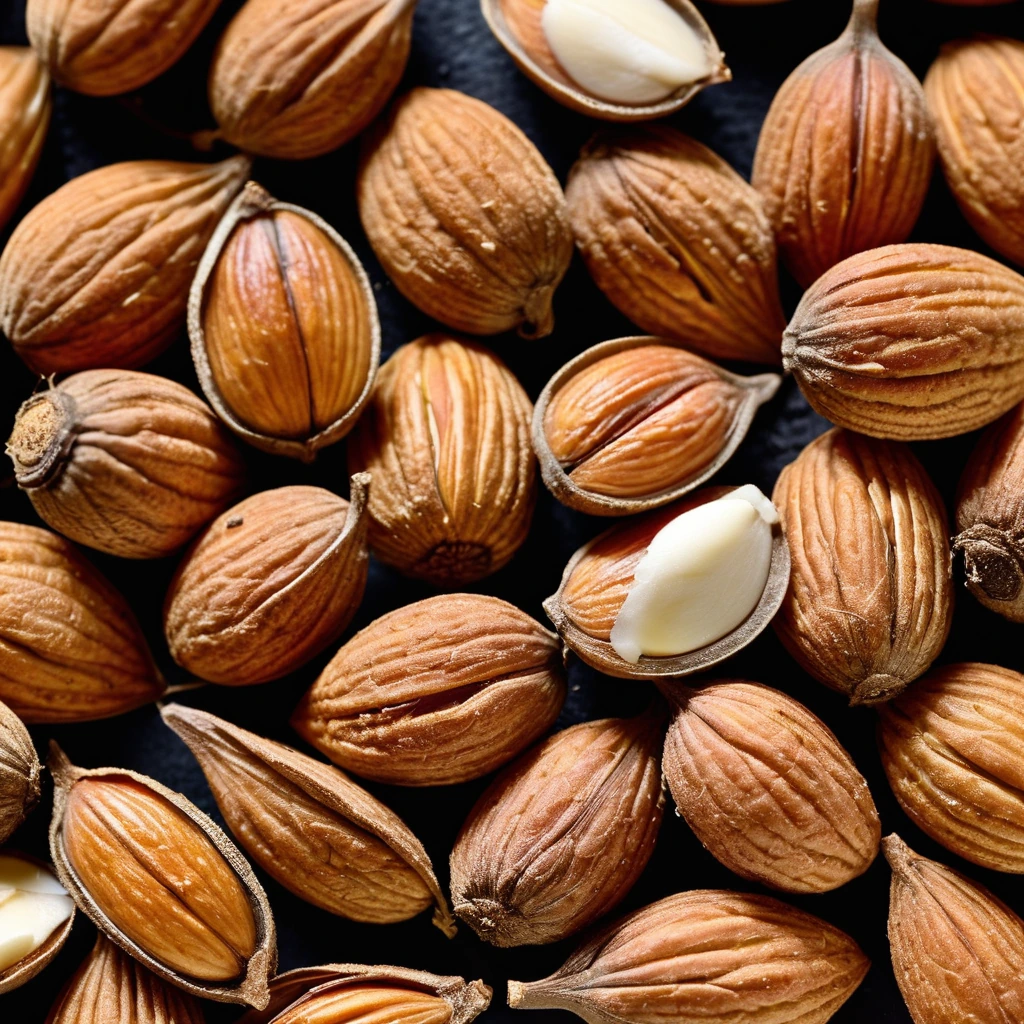
Almond Extract
A fragrant, golden elixir that captures the essence of freshly ground almonds, almond extract is a pantry staple that brings a rich, nutty aroma to your culinary creations.