Knife Skills: Shredding Cabbage Thin for Slaw
Shredding cabbage thin is an essential knife skill for creating the perfect slaw. Whether you're making coleslaw, kimchi, or a simple Asian-inspired slaw, the consistency and texture of the cabbage can make or break your dish. This technique focuses on achieving uniformly thin shreds that will absorb dressings well and provide a satisfying crunch. It's all about control, rhythm, and the right grip on your knife. First, understanding the structure of the cabbage is crucial. You want to work with the natural layers to ensure even cuts. Start by halving the cabbage and removing the core, which can be tough and fibrous. Then, slice each half into thin, manageable wedges. From there, you'll stack and slice these wedges into ribbons. This method not only yields professional-looking results but also speeds up the process. Consistency is key, so maintaining a steady hand and angle is vital. As you practice, you'll find a comfortable pace and angle that works best for you. The thinness of the shreds affects both the texture and how quickly the cabbage will soften when dressed. Too thick, and your slaw will be crunchy to the point of being hard to eat; too thin, and it might become soggy too quickly. Achieving the perfect balance is part art, part technique. Finally, remember that sharp knives are your best friend in the kitchen. A dull blade requires more force and can lead to uneven cuts or even accidents. With patience and practice, shredding cabbage thin will become second nature, elevating your slaw game to new heights.
Notes
The science behind shredding cabbage thin lies in breaking down the fibers just enough to allow for texture without sacrificing crunch. A sharp knife is essential for clean cuts, reducing the risk of crushing the cabbage and releasing too much moisture. Common mistakes include using a dull knife, which can lead to uneven shreds and frustration, and slicing too quickly, which can compromise consistency. Safety is key; always use a stable cutting board and a sharp knife to maintain control. To store shredded cabbage, keep it in an airtight container in the refrigerator for up to 3 days. It's best to shred just before use to maintain optimal texture, but if making ahead, try to minimize air exposure to prevent browning.
Steps
- 1 Cut the cabbage in half through the stem end.
- 2 Remove the core from each half by slicing it out.
- 3 Place one half flat-side down on the cutting board.
- 4 Slice the cabbage half into thin wedges, about 1/8-inch thick.
- 5 Stack several wedges together for easier slicing.
- 6 Hold the stack firmly with one hand and slice across into thin ribbons.
- 7 Repeat with the remaining cabbage.
- 8 Check the thickness of the ribbons; adjust your slicing angle if necessary.
- 9 Continue until all cabbage is shredded.
- 10 Transfer the shredded cabbage to a large bowl for immediate use or storage.
Ingredients to explore
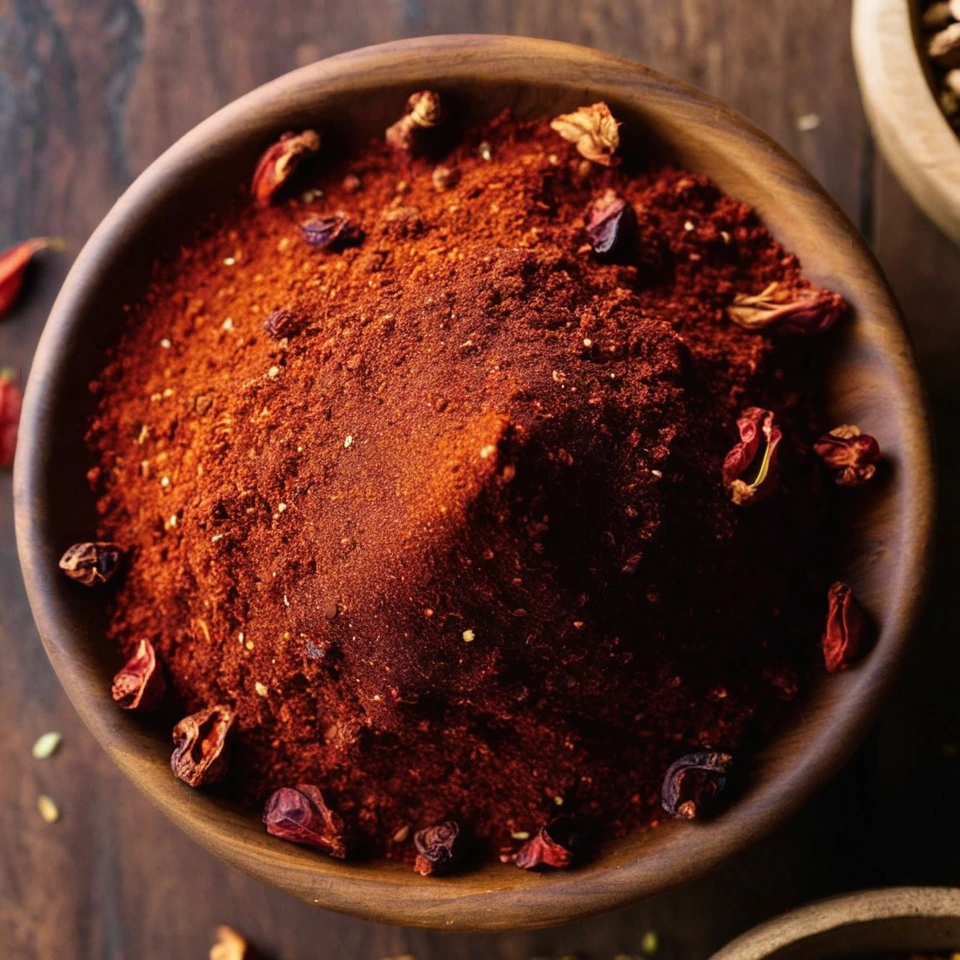
Aleppo Pepper
Aleppo pepper offers a harmonious balance of heat and sweetness, with a subtle fruity aroma reminiscent of sun-dried tomatoes and currants. Originating from the region around Aleppo, Syria, it has a fine, slightly coarse texture that shatters easily between fingers. Its mild yet complex flavor profile makes it a prized seasoning for enhancing dishes without overwhelming them. Valued for its versatility, it bridges the gap between spice and seasoning, bringing a touch of warmth and depth to a variety of cuisines.
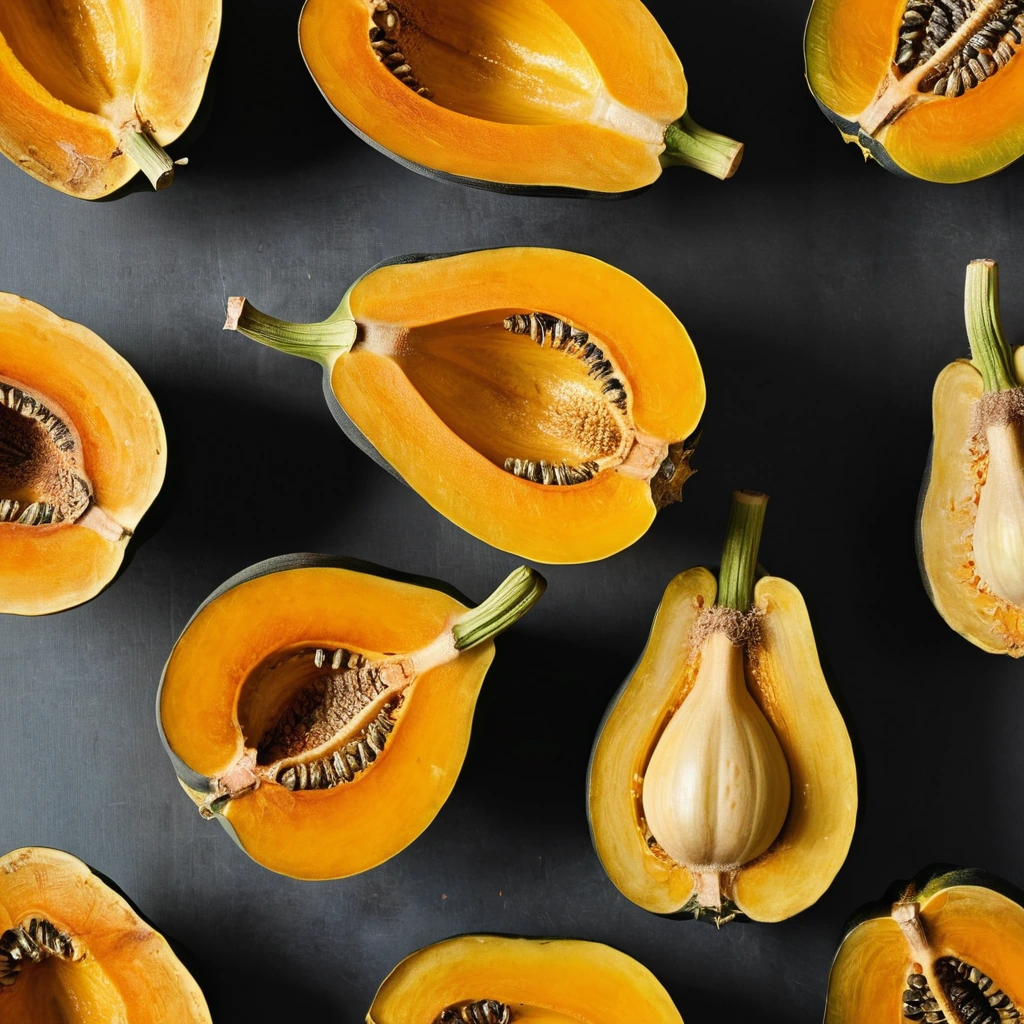
Acorn Squash
Acorn squash is a winter squash variety known for its distinctive teardrop shape and deep ridges resembling the texture of an acorn shell. Originating in the Americas, it has been cultivated for centuries and is a staple in autumn cuisine. The flesh is sweet and nutty with a hint of earthiness, offering a delightful contrast to savory dishes. Its texture is dense yet tender when cooked, making it ideal for roasting or pureeing. In cooking, acorn squash holds its shape well and absorbs flavors from herbs and spices, enhancing both its taste and versatility in recipes.
Recipes to try
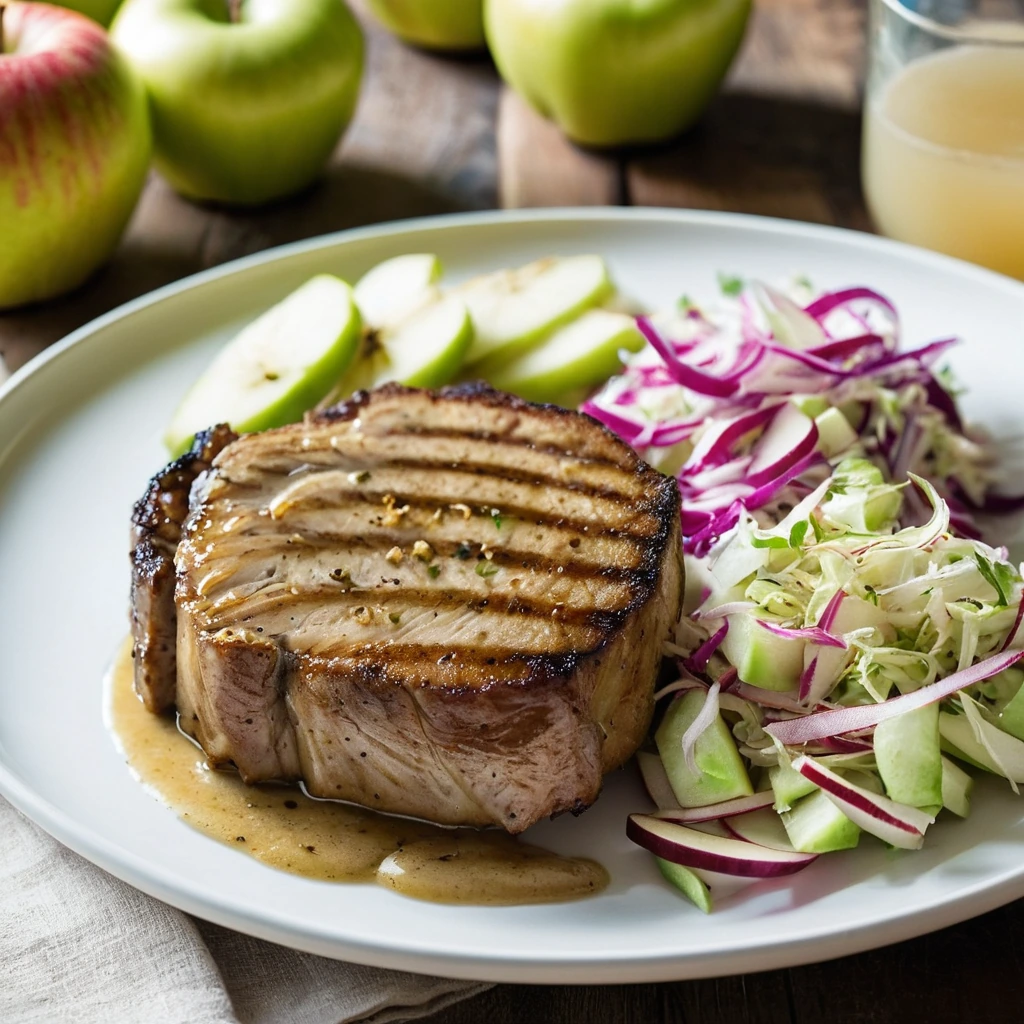
Maple Mustard Pork Chops with Apple Slaw
Tender pork chops kissed with a tangy maple mustard glaze, served alongside a crisp, sweet-tart apple slaw.
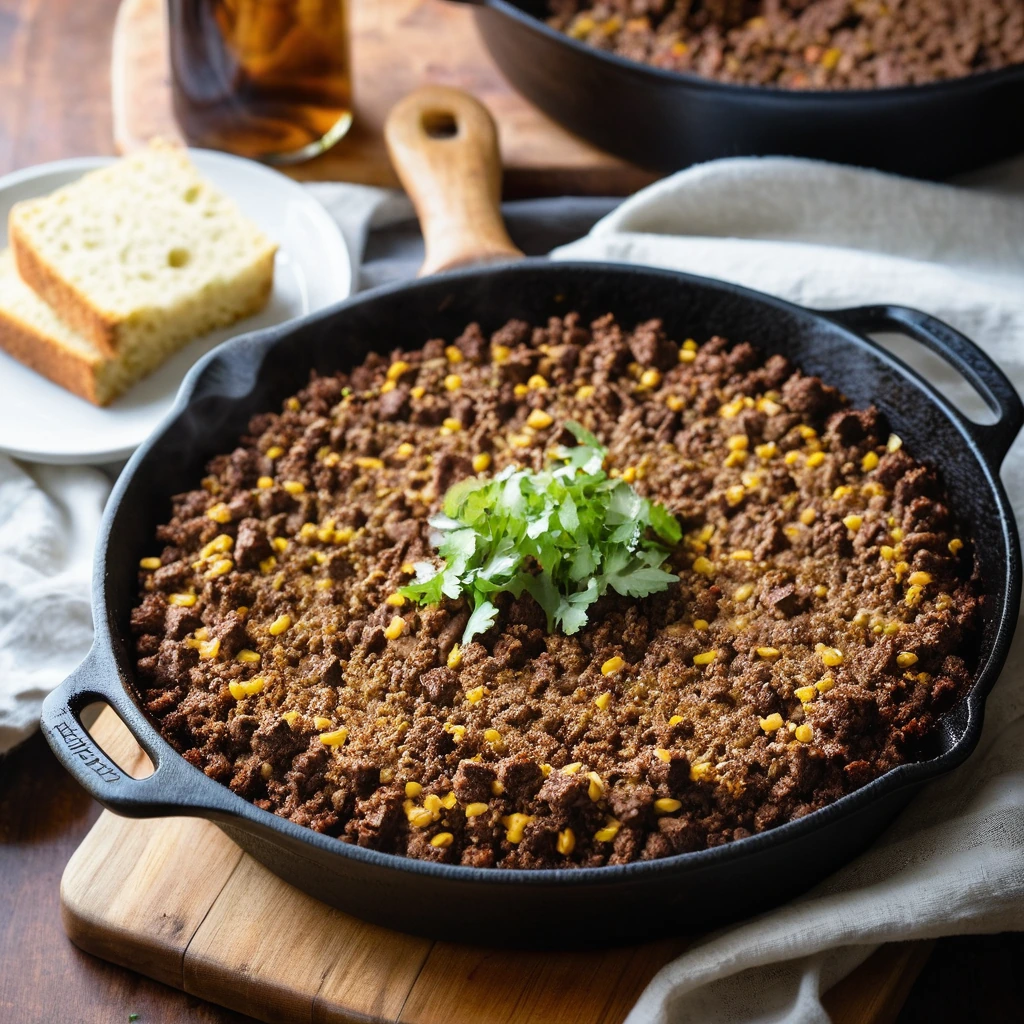
Smoky BBQ Ground Beef and Cornbread Skillet
Imagine the rich smokiness of BBQ sauce mingling with tender ground beef atop golden, crumbly cornbread in a skillet.