Baking: Custard Pies Without Curdling
Creating a silky smooth custard pie is an art that requires precision and patience. Curdling is a common issue that can ruin the texture of your pie, leaving you with unsightly lumps and a grainy mouthfeel. Understanding the science behind custard and employing a few key techniques can help you achieve a perfectly smooth pie filling every time. The key lies in controlling the heat, properly incorporating eggs, and selecting the right ingredients. First, it's essential to know that eggs are the primary thickener in custard pies, and they coagulate at specific temperatures. If the mixture gets too hot too quickly, the proteins in the eggs will tighten and curdle. To avoid this, you need to temper the eggs by gradually adding a small amount of hot liquid to them before combining with the rest of the mixture. This allows the eggs to adjust to the temperature slowly. Additionally, using a water bath or bain-marie when baking your pie provides gentle, even heat that minimizes the risk of curdling. This technique keeps the oven's direct heat from hitting the pie filling too intensely. Furthermore, incorporating cornstarch or flour into your recipe can stabilize the custard, providing structure and preventing curdling. Lastly, always use fresh eggs and high-quality dairy for the best results. Let's dive into the detailed steps to ensure your custard pie turns out flawlessly smooth.
Notes
The science behind preventing curdling is all about managing protein coagulation. By tempering the eggs, you ensure a gradual protein unfolding and reformation, leading to a smoother texture. A water bath moderates oven heat, providing a buffer against abrupt temperature changes. Common mistakes include using too high an oven temperature or stirring too vigorously, which can introduce air and cause curdling. Always use a gentle hand and keep an eye on the custard as it bakes. For safety, ensure your water bath doesn't overflow into the pie crust. To store, keep the pie refrigerated for up to 3 days. For make-ahead convenience, prepare the pie a day in advance to allow flavors to meld.
Steps
- 1 Preheat your oven to 325°F.
- 2 Prepare your pie crust and set it aside.
- 3 In a saucepan, heat milk and cream until warm but not boiling.
- 4 In a separate bowl, whisk together eggs, sugar, and a pinch of salt.
- 5 Gradually pour a small amount of the warm milk mixture into the egg mixture, whisking constantly.
- 6 Slowly add the tempered egg mixture back into the saucepan with the remaining milk, stirring continuously.
- 7 Cook over low heat until the mixture thickens enough to coat the back of a spoon, about 5-7 minutes.
- 8 Stir in vanilla or other flavorings off the heat.
- 9 Pour the custard mixture into the prepared pie crust.
- 10 Place the pie in a larger baking dish and fill the dish with hot water until it reaches halfway up the sides of the pie.
- 11 Bake in the preheated oven for 45-55 minutes or until the filling is set.
- 12 Remove the pie from the water bath and let it cool to room temperature.
- 13 Refrigerate the pie for at least 4 hours before serving.
- 14 Check for doneness by gently shaking the pie; the center should jiggle slightly but not ripple.
Ingredients to explore
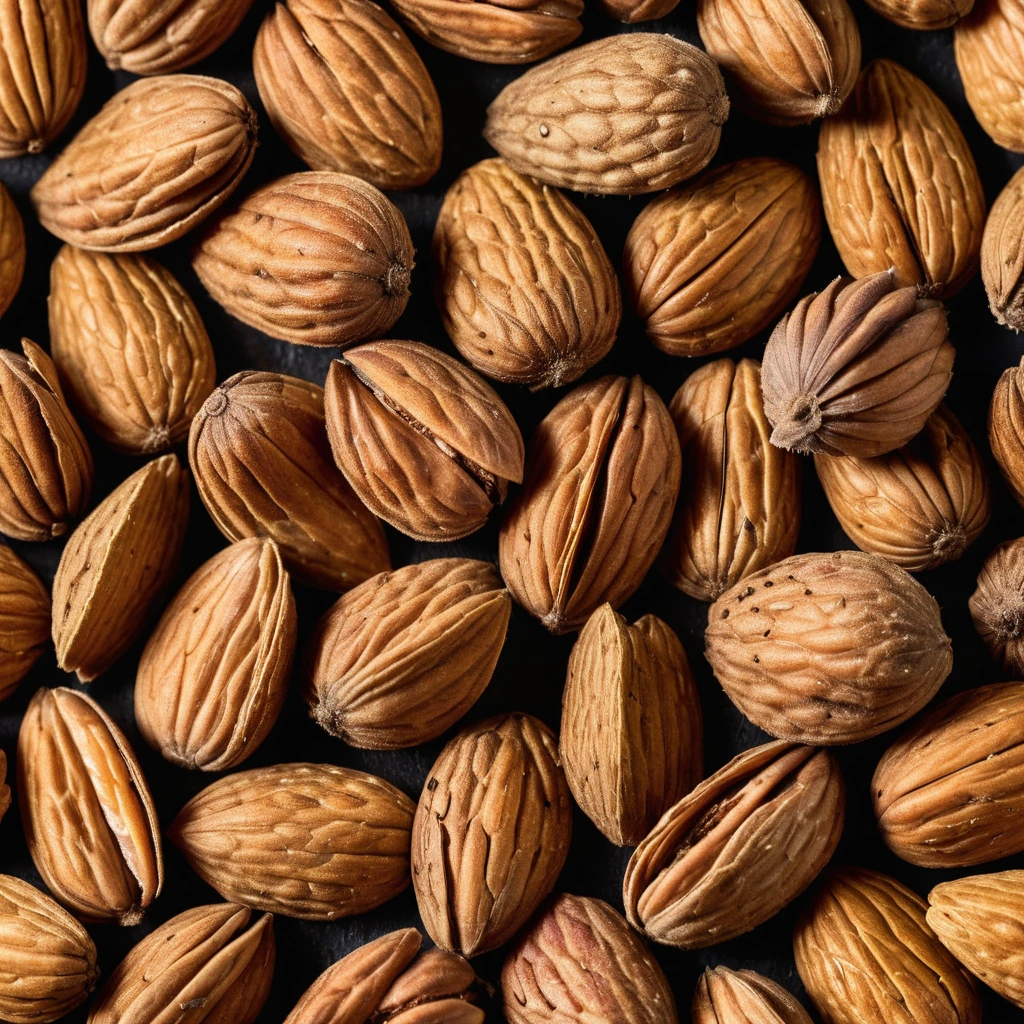
Almonds
With their golden-brown hue and delicate, edible skin, almonds are a crunchy delight. These versatile nuts boast a rich, buttery flavor that adds depth to both sweet and savory dishes.
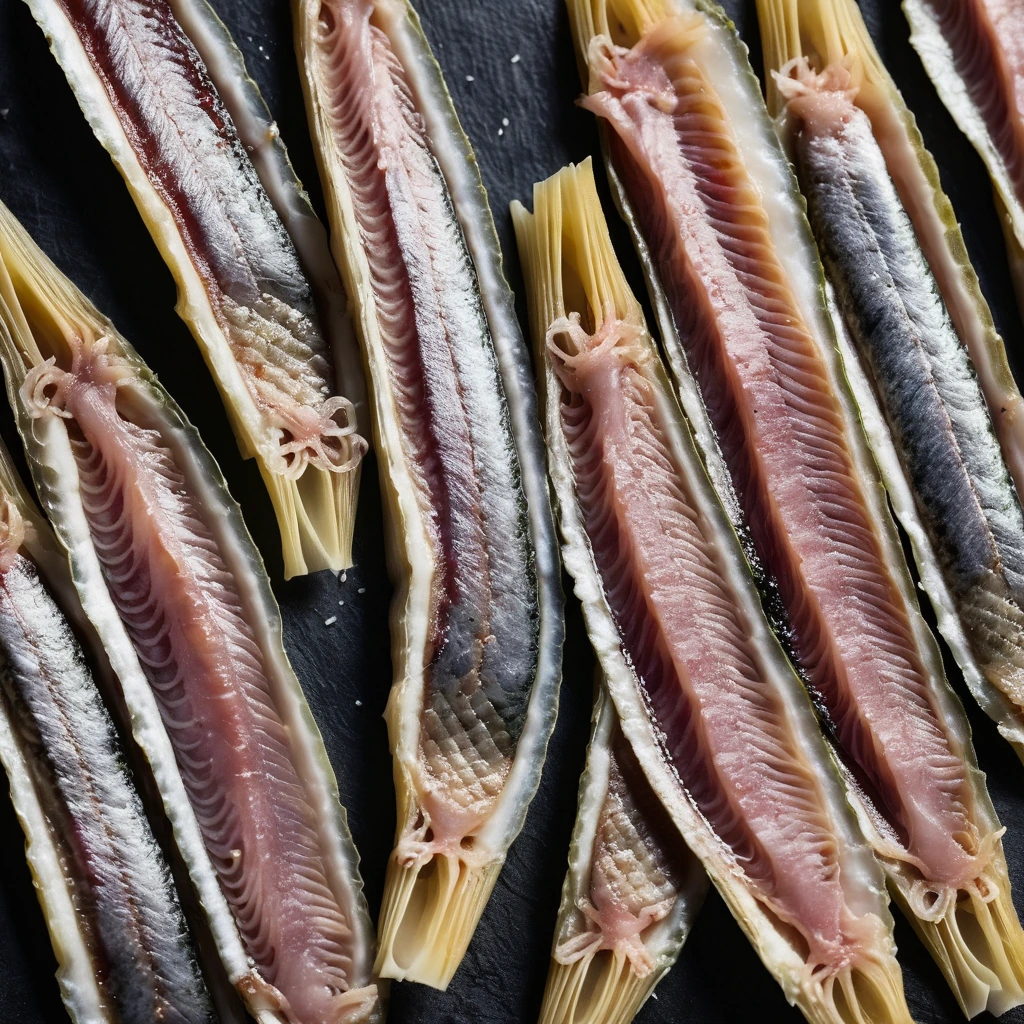
Anchovy Fillets
Silvery and succulent, anchovy fillets are a briny treasure from the sea. Their rich, umami flavor adds depth to dishes, making them a beloved ingredient in kitchens worldwide.
Recipes to try

Sausage and Ricotta Stuffed Squash Boats
Tender roasted squash halves are stuffed with a savory mix of Italian sausage and creamy ricotta, making for a comforting and hearty meal.
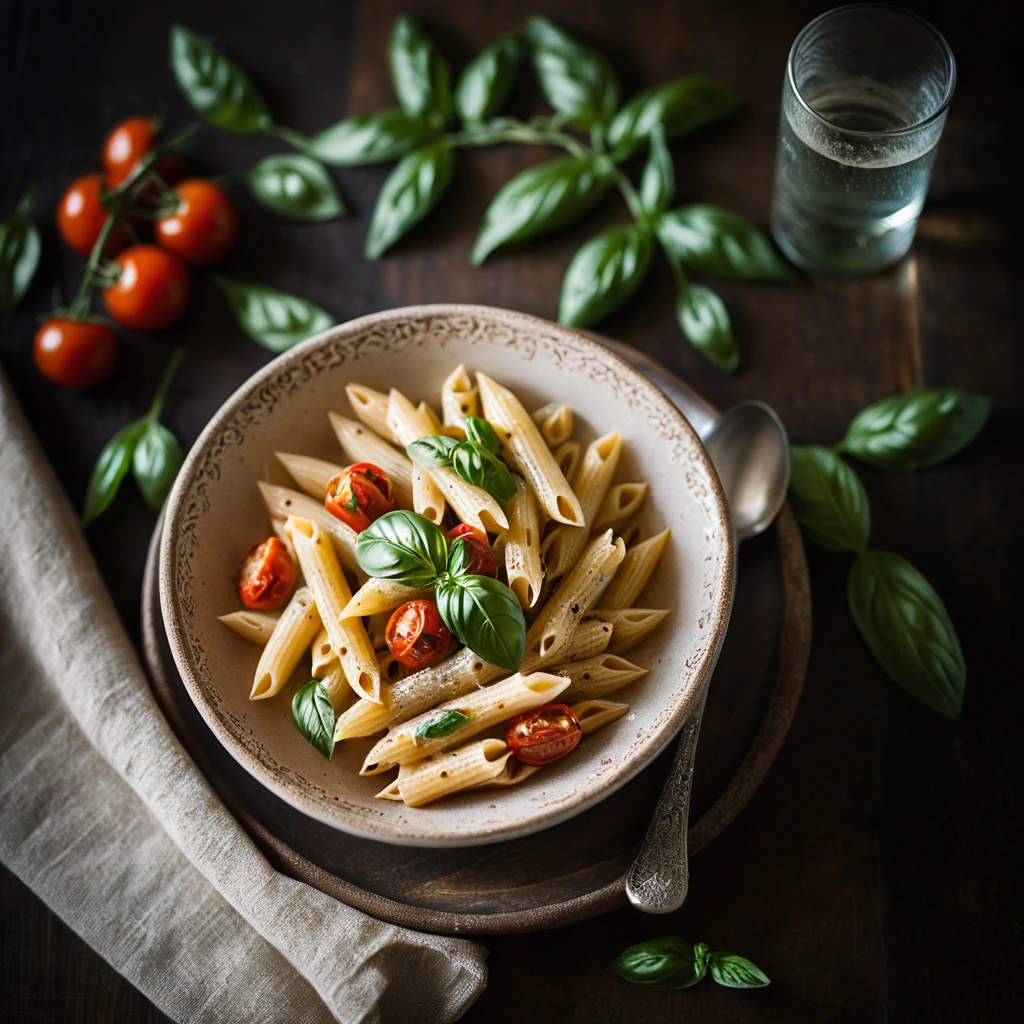
Roasted Tomato and Basil Cream Penne
Sun-kissed roasted tomatoes meld with creamy sauce and fresh basil for a penne that's both comforting and vibrant.