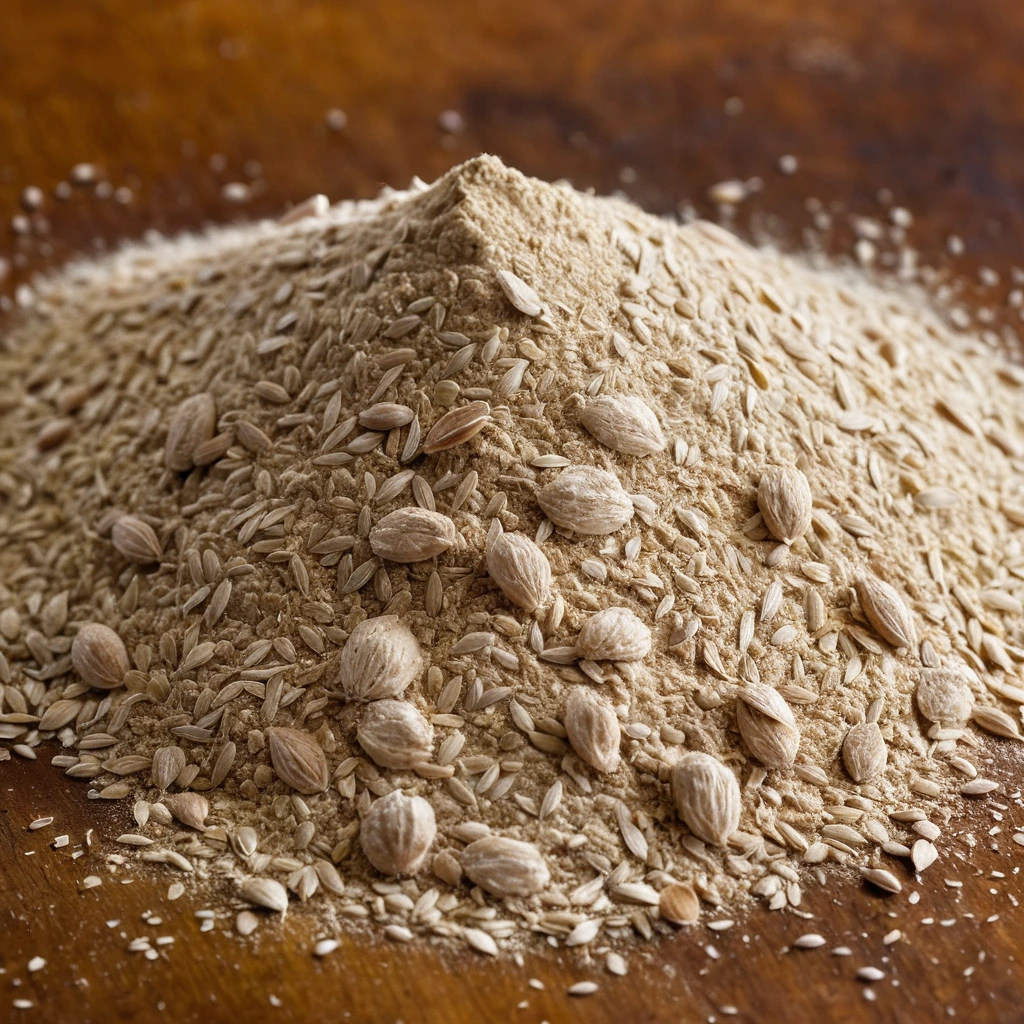
Whole Wheat Flour
Whole wheat flour is a nutritious, whole-grain alternative to traditional all-purpose flour. Made by grinding entire wheat kernels, including the bran, germ, and endosperm, it is a staple in many cultures, particularly in North America, the Middle East, and parts of Europe. Its flavor profile is robust and nutty, with a hint of earthiness that sets it apart from milder flours. The texture is denser and coarser, yielding baked goods that are hearty and chewy rather than light and airy. In cooking, whole wheat flour behaves differently due to its higher fiber content, absorbing more liquid and producing a heavier final product. It is ideal for recipes where a rustic texture is desired, though it may require adjustments to achieve the right consistency.
Notes
When selecting whole wheat flour, look for freshly milled options with a vibrant color and fresh aroma. Store in an airtight container in the refrigerator to extend its shelf life, typically up to six months, as the oils in the germ can turn rancid. When baking, it often requires additional liquid or gluten to mimic the performance of all-purpose flour. Whole wheat flour is naturally gluten-free-friendly, but cross-contamination can occur, so check labels if needed.
Uses
- Breads
- Muffins
- Crumb toppings
- Pasta dough
- Pizza crust
Replacements
- All-purpose flour
- Spelt flour
- Oat flour
- Rye flour
- Whole grain pastry flour
You might also like

Whipping Cream
Rich and velvety, whipping cream is the epitome of indulgence. Its high fat content allows it to transform into fluffy peaks, perfect for crowning desserts or enriching sauces.
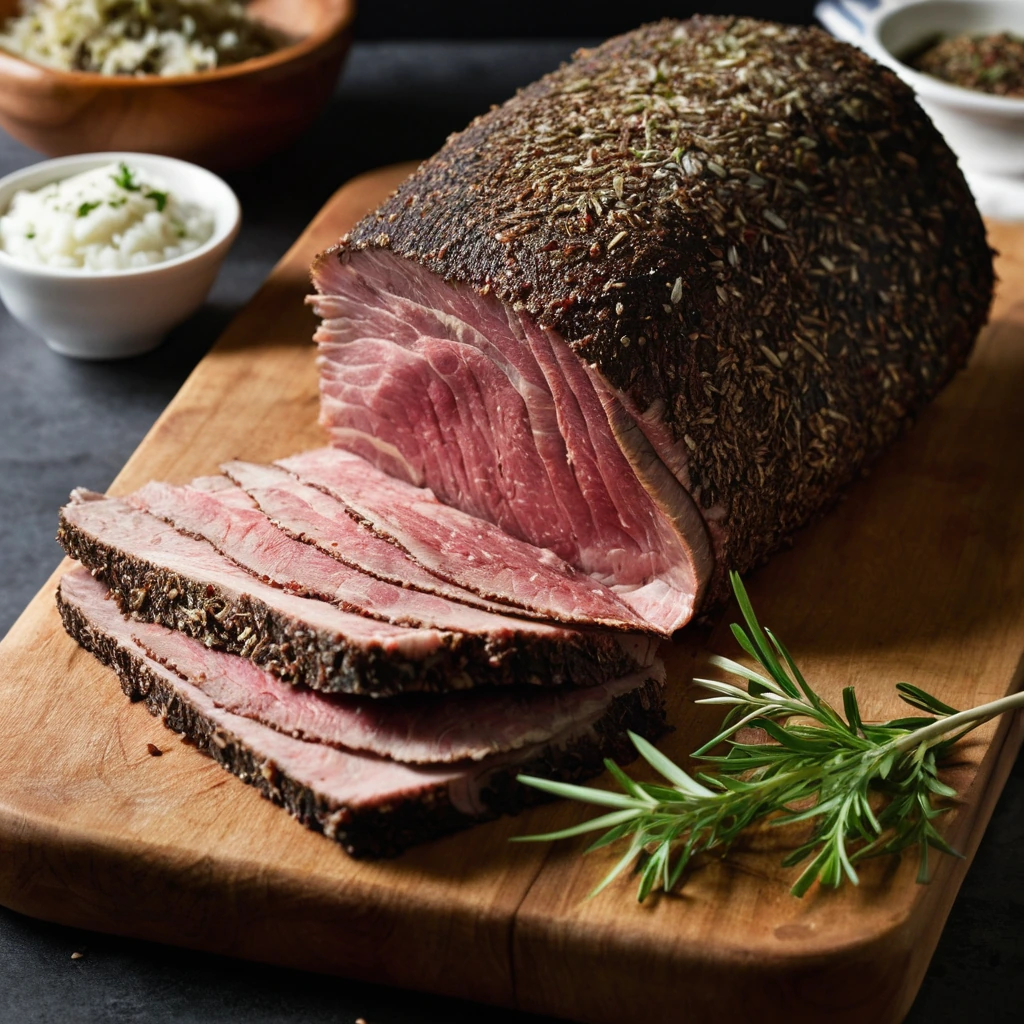
Pastrami
Pastrami is a seasoned and cured meat product traditionally made from beef, though it can also be crafted from turkey or other meats. Its origins trace back to Eastern Europe, particularly Romania, where it was originally made from brisket. Pastrami is renowned for its distinctive smoky, savory flavor and slightly tangy aroma, thanks to a curing process that often involves a blend of spices like coriander, garlic, and black pepper. The texture is tender and somewhat chewy, with a satisfyingly meaty bite. When cooked, pastrami benefits from gentle heating methods like steaming, which helps maintain its succulent texture while enhancing its rich, complex flavor profile.
Recipes to try
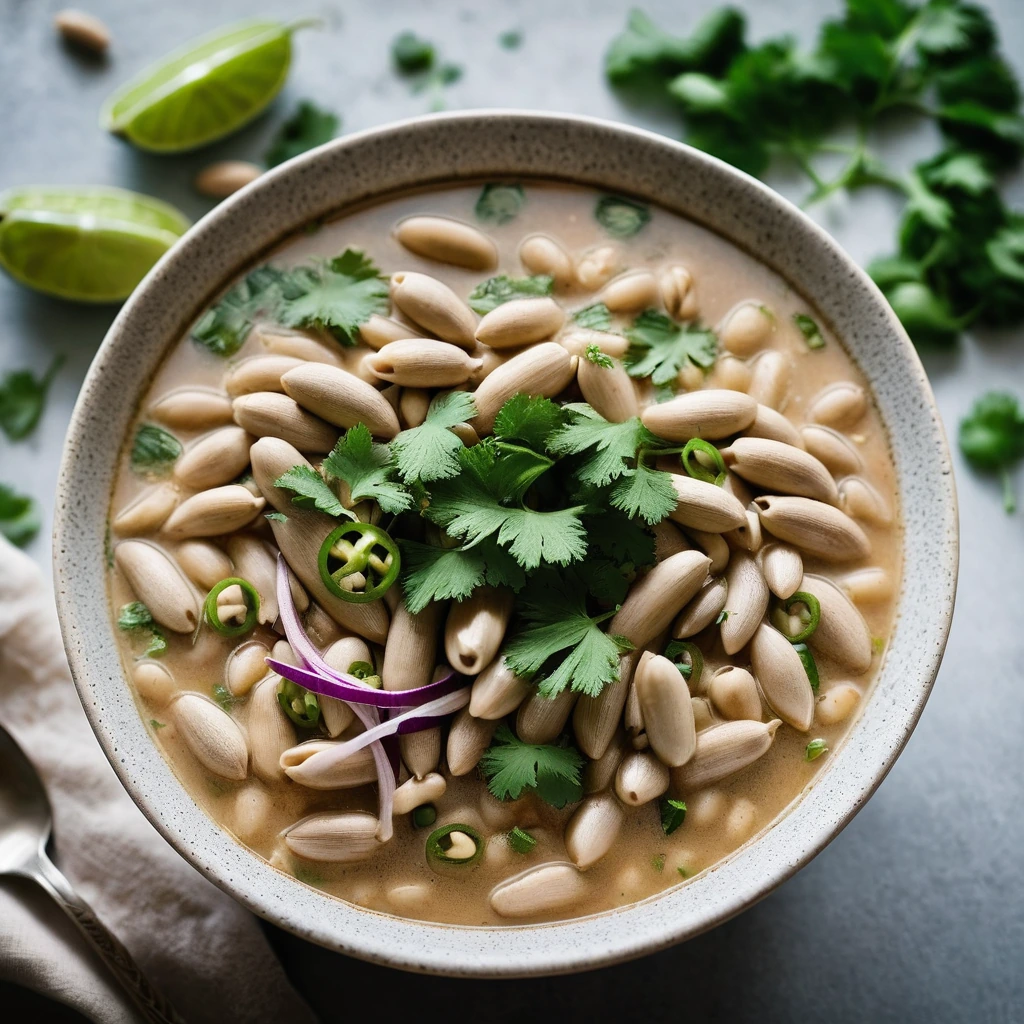
White Bean Chicken Chili with Green Chiles
A hearty, creamy chili brimming with tender chicken, buttery white beans, and a kick of smoky green chiles.
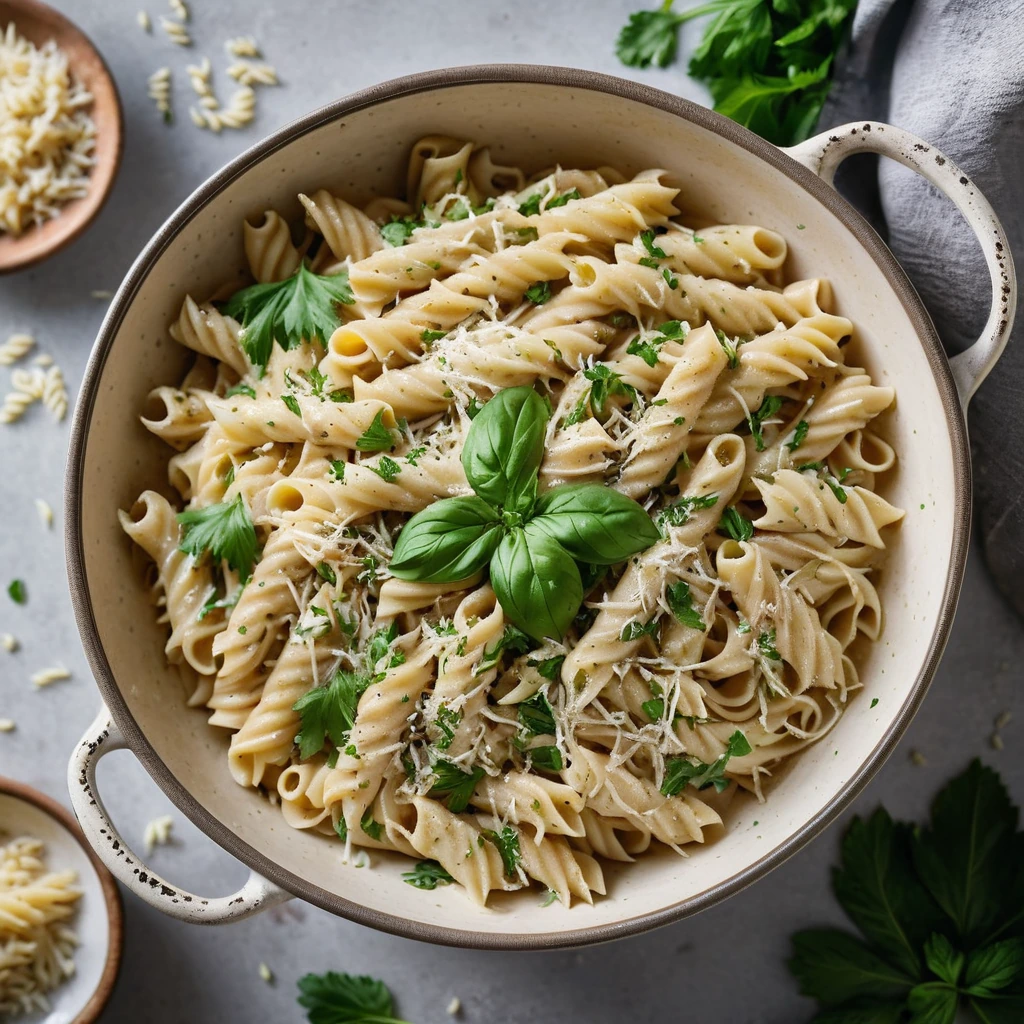
One-Pot Creamy Garlic Parmesan Chicken Pasta
Tender chicken and al dente pasta swim in a luscious, garlicky Parmesan sauce—all in one pot for a fuss-free family feast.