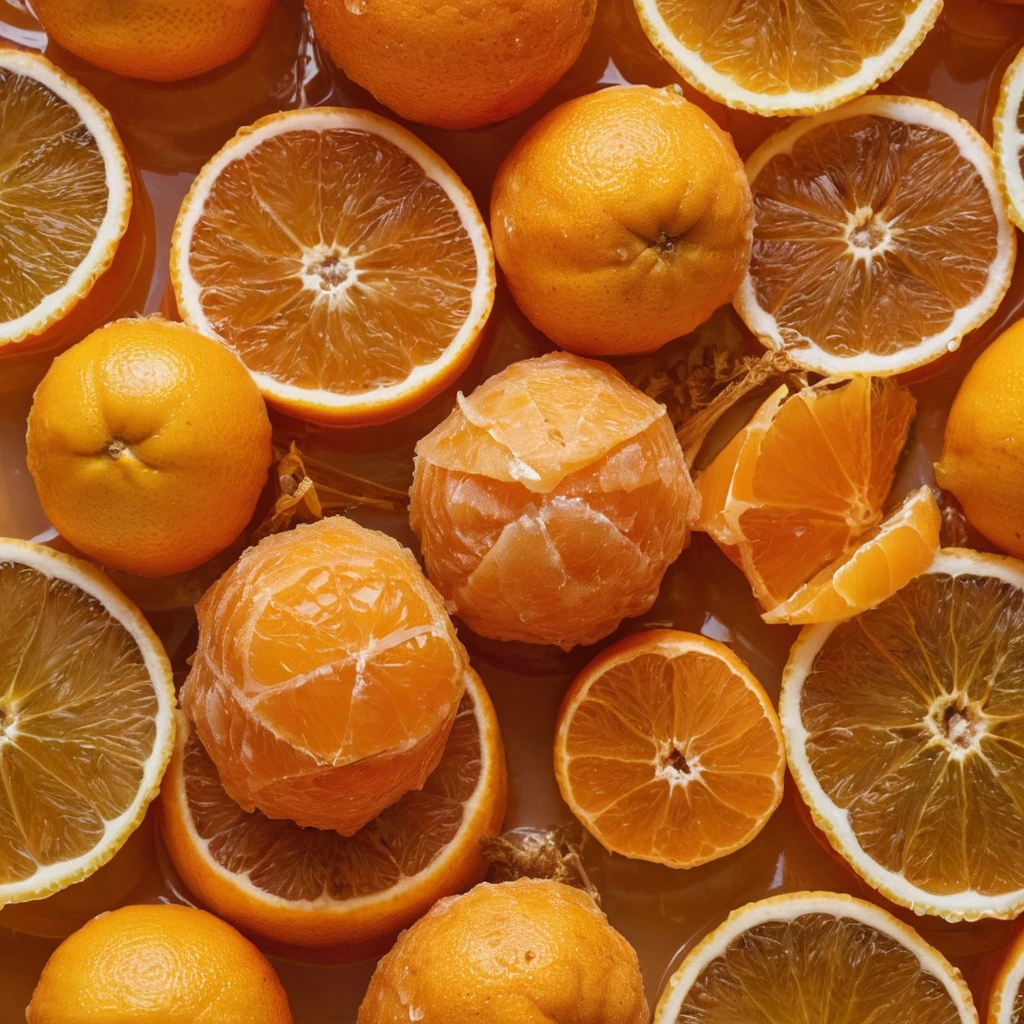
Marmalade
Marmalade is a fruit preserve that is distinguished by its inclusion of fruit peel, most commonly from citrus fruits like oranges, lemons, or grapefruits. Originating in Europe, particularly in regions where citrus fruits were abundant, marmalade has a rich history and cultural significance. Its flavor is a delightful balance of sweet and tangy, with a bitter edge contributed by the peel. The texture is typically firm yet spreadable, with visible fruit pieces that offer a pleasant chew. In cooking, marmalade is versatile; it can be used as a spread, a glaze, or an ingredient in baking. It tends to add both sweetness and acidity to dishes, enhancing the depth of flavor in both sweet and savory preparations.
Notes
When selecting marmalade, look for brands with minimal added sugar and high fruit content for a more natural taste. Store unopened marmalade in a cool, dark pantry for up to a year. Once opened, keep it in the refrigerator for several months. Always check for mold before use. For those with dietary restrictions, some marmalades may contain pectin derived from animal sources, so check labels if necessary.
Uses
- Toast topping
- Glaze for ham
- Cake filling
- Scone accompaniment
- Charcuterie board
You might also like

Chipotle Chili Powder
Chipotle chili powder offers a smoky, earthy flavor with a touch of fruity sweetness, balanced by a medium heat that lingers on the palate. Its aroma is deeply smoky, reminiscent of roasted chilies, and its texture is finely ground, making it easy to incorporate into dishes. Originating from Mexico, this powder is made from dried and smoked jalapeño peppers, a testament to traditional culinary techniques. It adds depth and complexity to recipes, offering both heat and a rich, smoky profile that is hard to replicate.
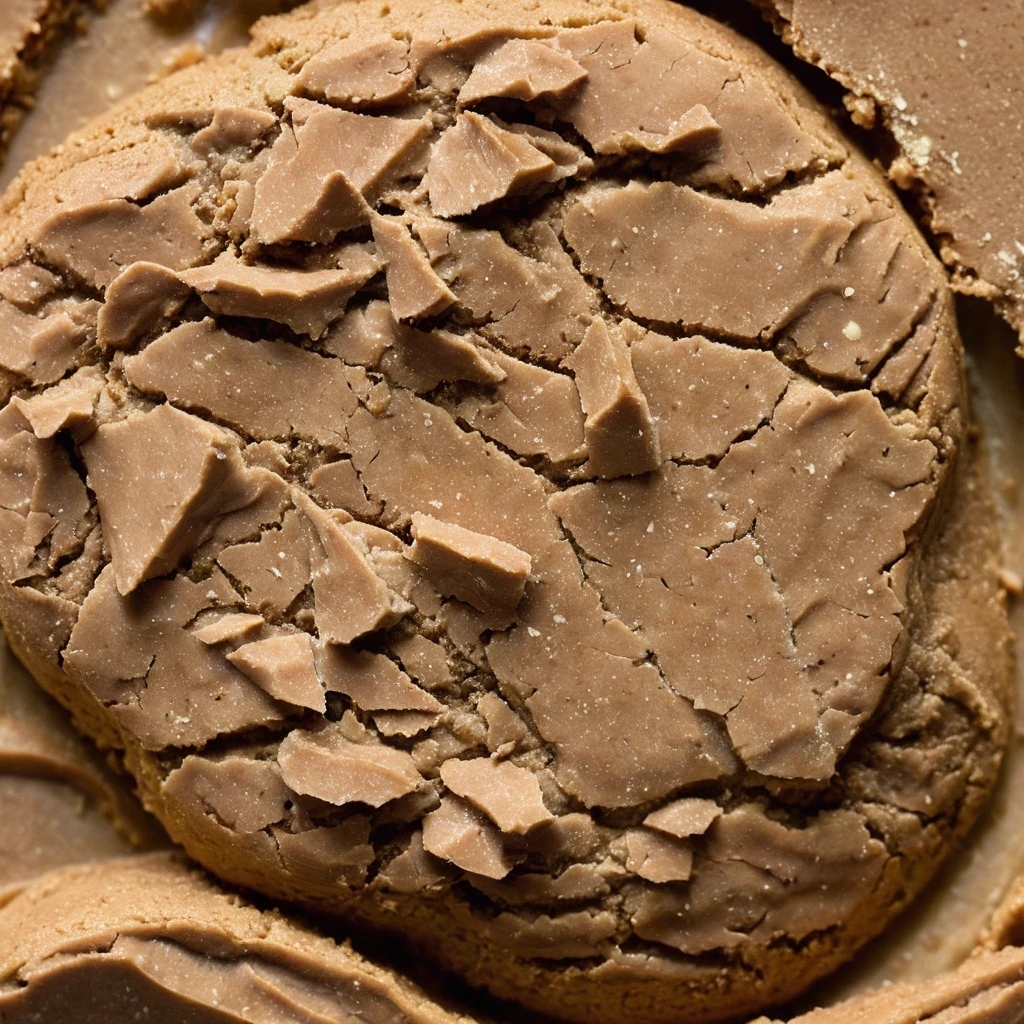
Cookie Butter
Cookie butter, also known as Biscoff spread, is a rich and creamy confection made from ground speculoos cookies. Originating from Europe, particularly Belgium, these spiced shortcrust cookies are traditionally enjoyed during the holiday season. Cookie butter boasts a complex flavor profile that is sweet yet subtly spicy, with notes of cinnamon, nutmeg, and brown sugar, reminiscent of a freshly baked pie. Its smooth and velvety texture is both luxurious and satisfying, making it a delightful spread or addition to various recipes. In cooking, cookie butter adds a depth of flavor and richness to dishes, from simple toast toppings to intricate desserts, and it melds seamlessly into batters and sauces without losing its distinctive taste.
Recipes to try
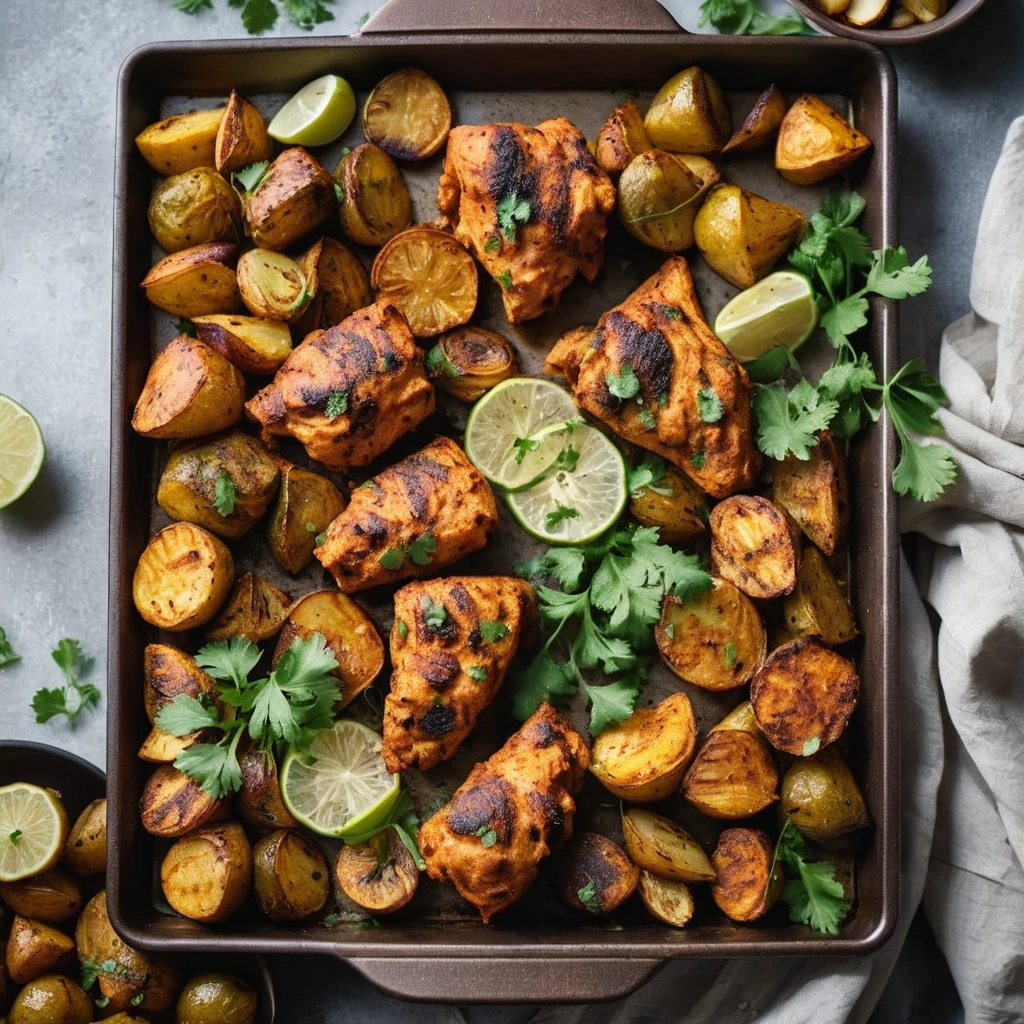
Sheet Pan Chicken Tikka with Garlic Potatoes
Juicy chicken and golden potatoes roasted to perfection on one sheet pan, infused with smoky tikka spices and garlicky goodness.
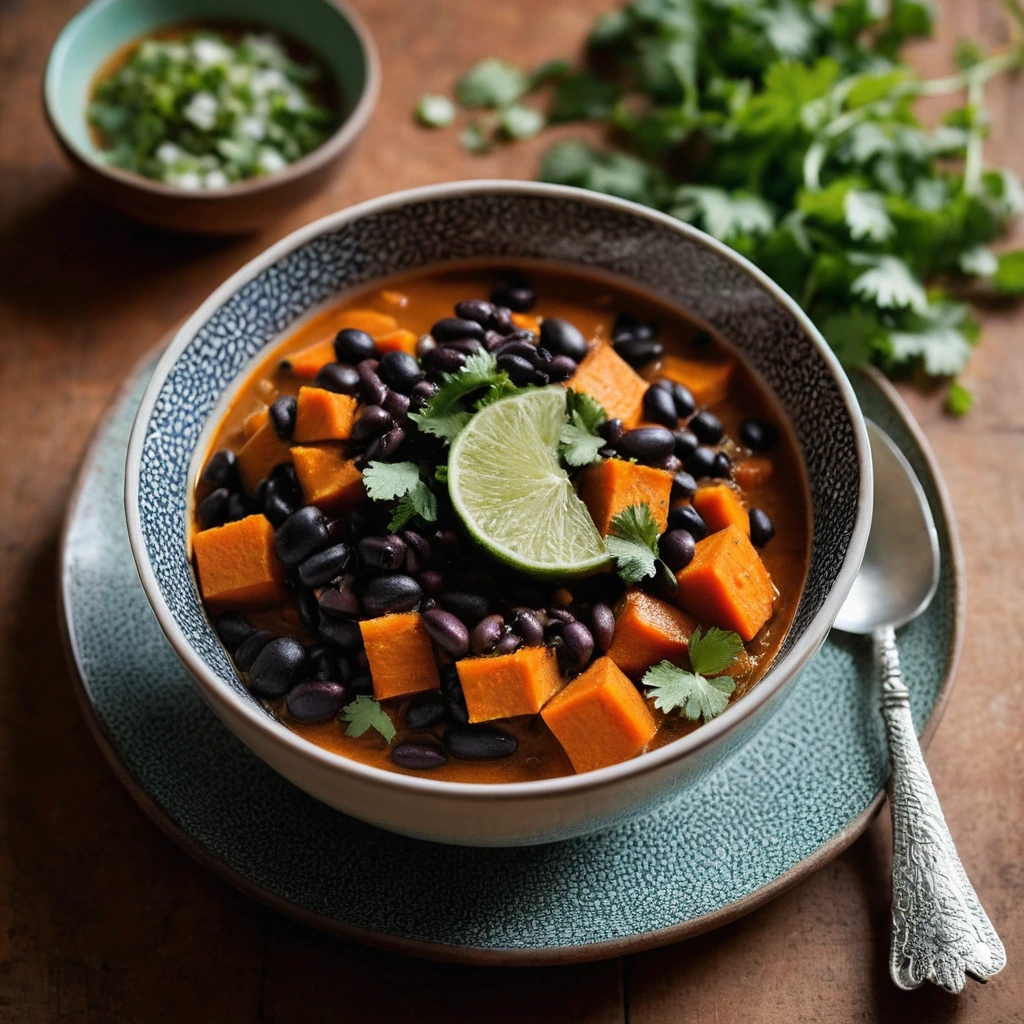
Smoky Sweet Potato and Black Bean Stew
Hearty and deeply flavorful, this stew is a comforting hug in a bowl with smoky spices and tender sweet potatoes.