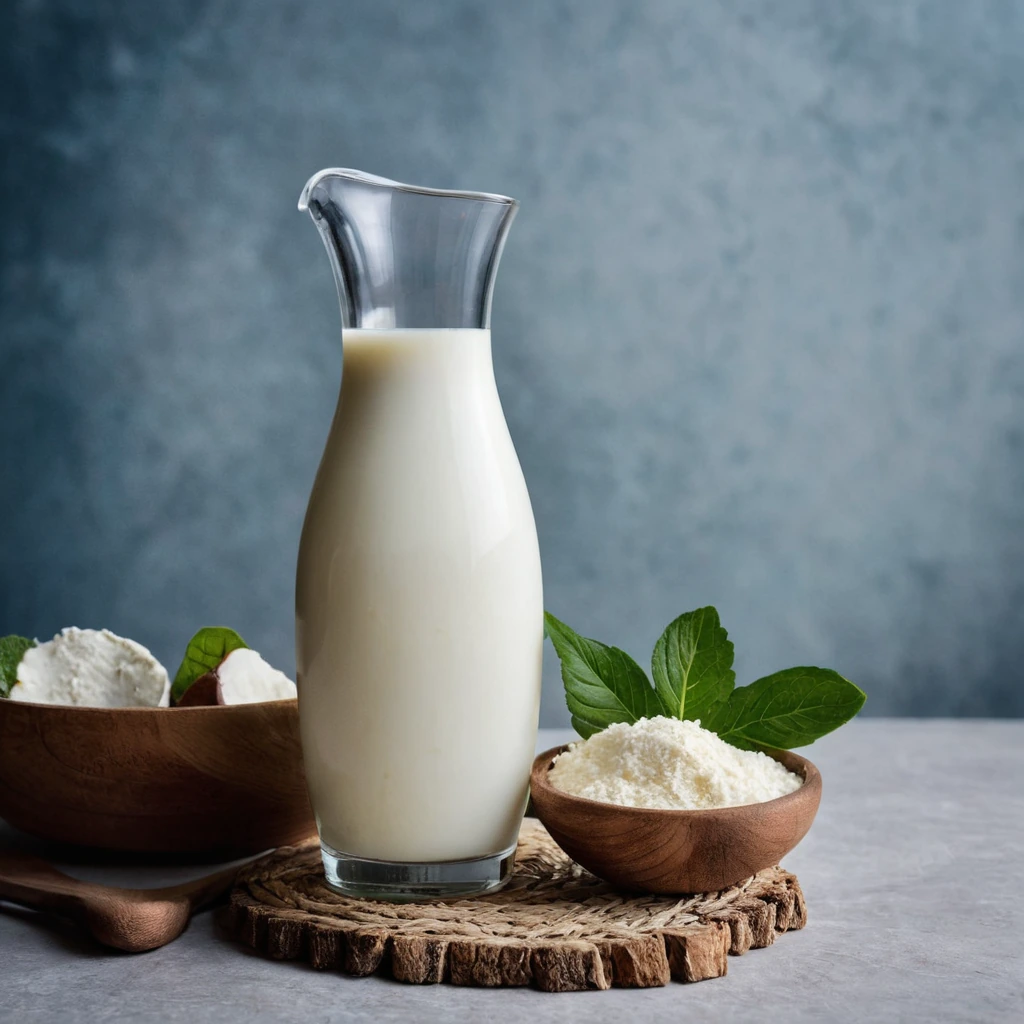
Kefir
Kefir is a fermented milk drink that originated in the Caucasus Mountains, where it has been consumed for centuries. It is made by inoculating cow, goat, or sheep milk with kefir grains, a combination of bacteria and yeast. The resulting beverage has a tangy, slightly sour flavor with a refreshing effervescence. Its texture is creamy and smooth, akin to drinkable yogurt, though often less thick. In cooking, kefir behaves similarly to yogurt; it can add a tangy depth to dishes, tenderize proteins when used in marinades, and contribute to the rise of baked goods due to its acidity. Its live cultures also make it a probiotic powerhouse, beneficial for gut health.
Notes
When selecting kefir, look for a product with minimal additives and a fresh expiration date. It is typically sold refrigerated and can last up to two weeks past its sell-by date if stored properly. For longer storage, consider freezing, though this may alter the texture slightly. Kefir is a dairy product, so those with lactose intolerance may find it easier to digest than regular milk due to its fermentation process. However, it is not suitable for those with a milk allergy. Handling kefir is straightforward; simply shake well before use to redistribute any separated liquid.
Uses
- Smoothies and shakes
- Marinades for meats
- Baking in place of buttermilk
- Cultured salad dressings
- Probiotic morning drink
- Creamy soup base
Replacements
- Plain yogurt thinned with milk
- Buttermilk
- Sour milk
- Kombucha (for tang, not texture)
- Fermented soy milk (for non-dairy option)
You might also like
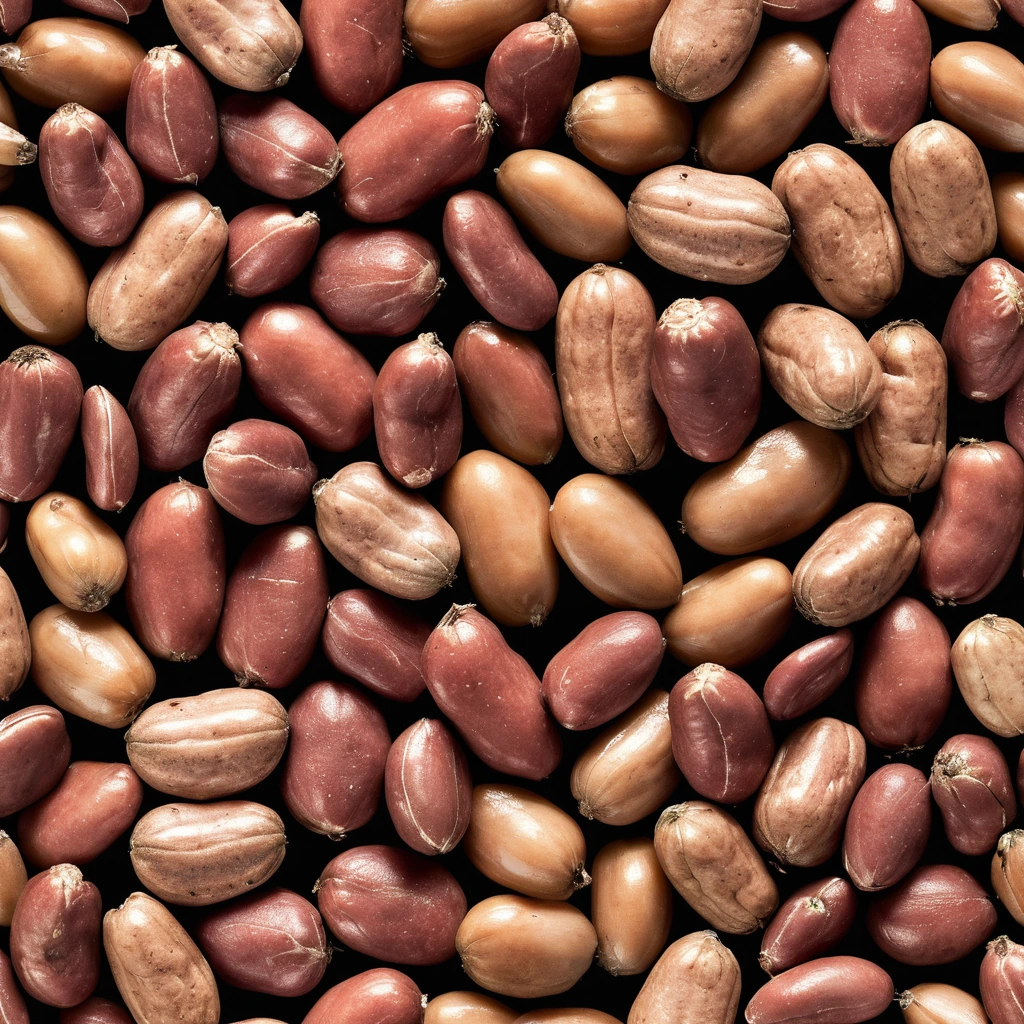
Canned Pinto Beans
Creamy and tender, canned pinto beans are a pantry staple that bring a comforting, earthy richness to any dish. Their buttery texture and mild, nutty flavor make them a versatile addition to soups, stews, and hearty salads.
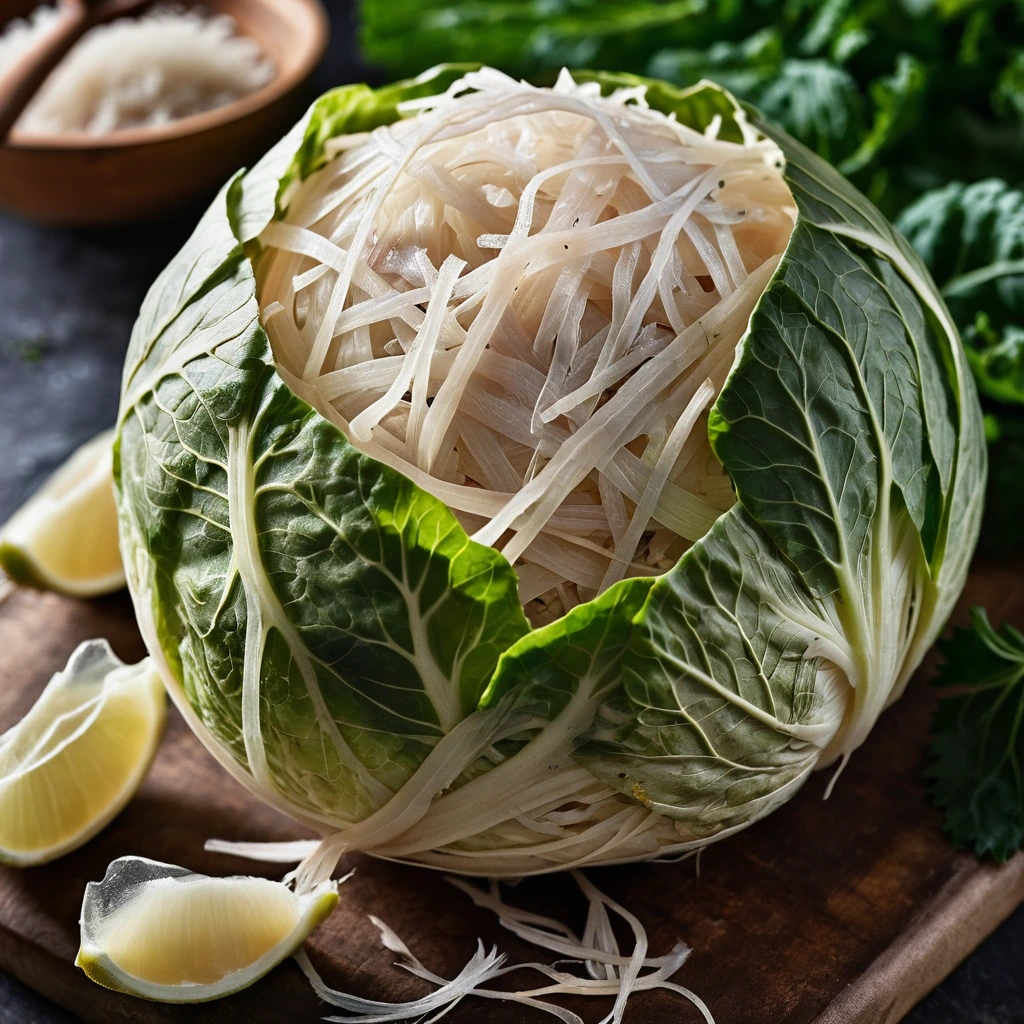
Sauerkraut
Sauerkraut is a traditional fermented food made from finely shredded cabbage that has been pickled by lactic acid fermentation. Originating in Europe, particularly associated with German cuisine, sauerkraut has a distinctive tangy and slightly sour flavor profile, with a pleasant underlying sweetness from the cabbage. Its texture is crunchy yet tender, offering a satisfying mouthfeel. When cooked, sauerkraut softens further and can meld well with other ingredients, contributing both its unique taste and beneficial probiotics. Its versatility in cooking allows it to be used as a condiment, side dish, or even as an ingredient in various recipes, enhancing flavor complexity and providing digestive health benefits.
Recipes to try

Lemon Garlic Butter Shrimp and Asparagus Sheet Pan
Bright and zesty, this sheet pan dinner is a burst of sunshine with tender shrimp and crisp asparagus in a luscious garlic butter sauce.
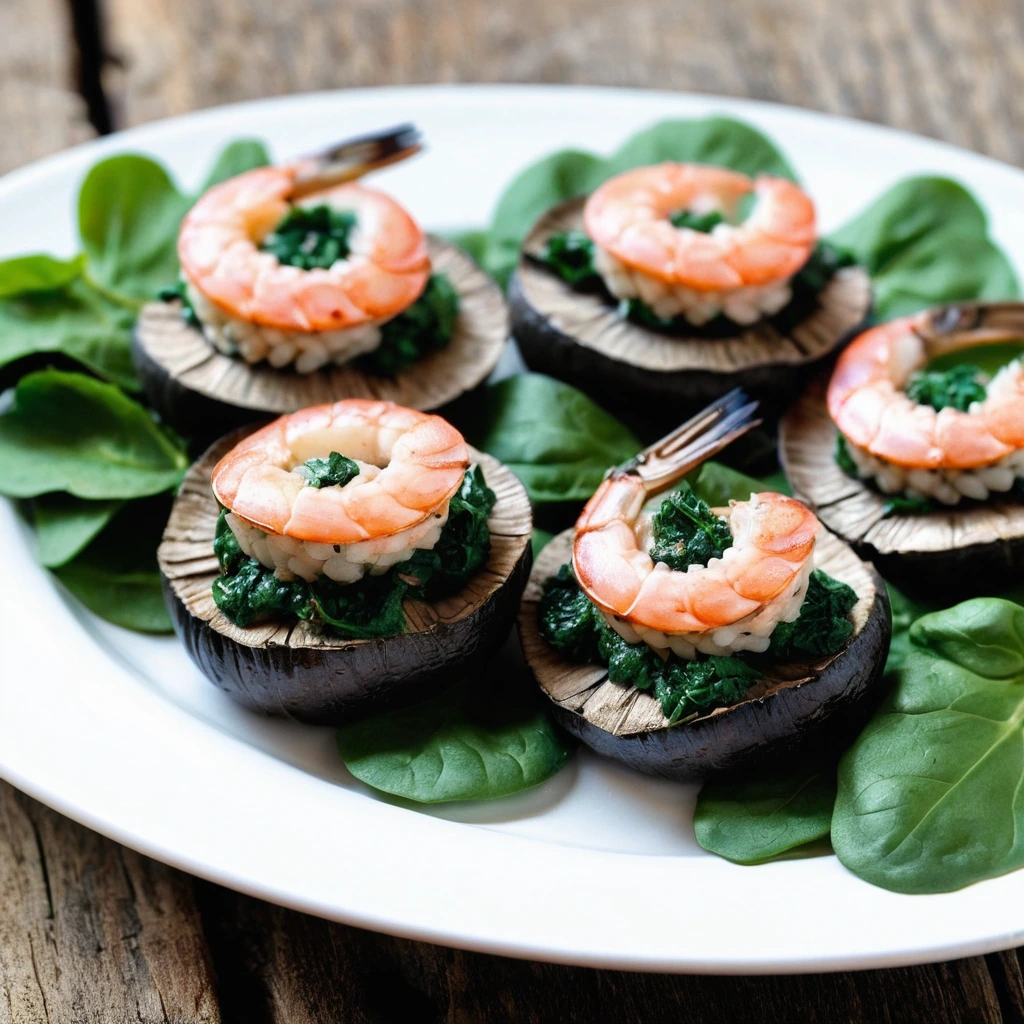
Shrimp and Spinach Stuffed Portobellos
Tender shrimp mingles with sautéed spinach in a savory filling, nestled inside roasted portobello mushrooms for a satisfying vegetarian-friendly main.