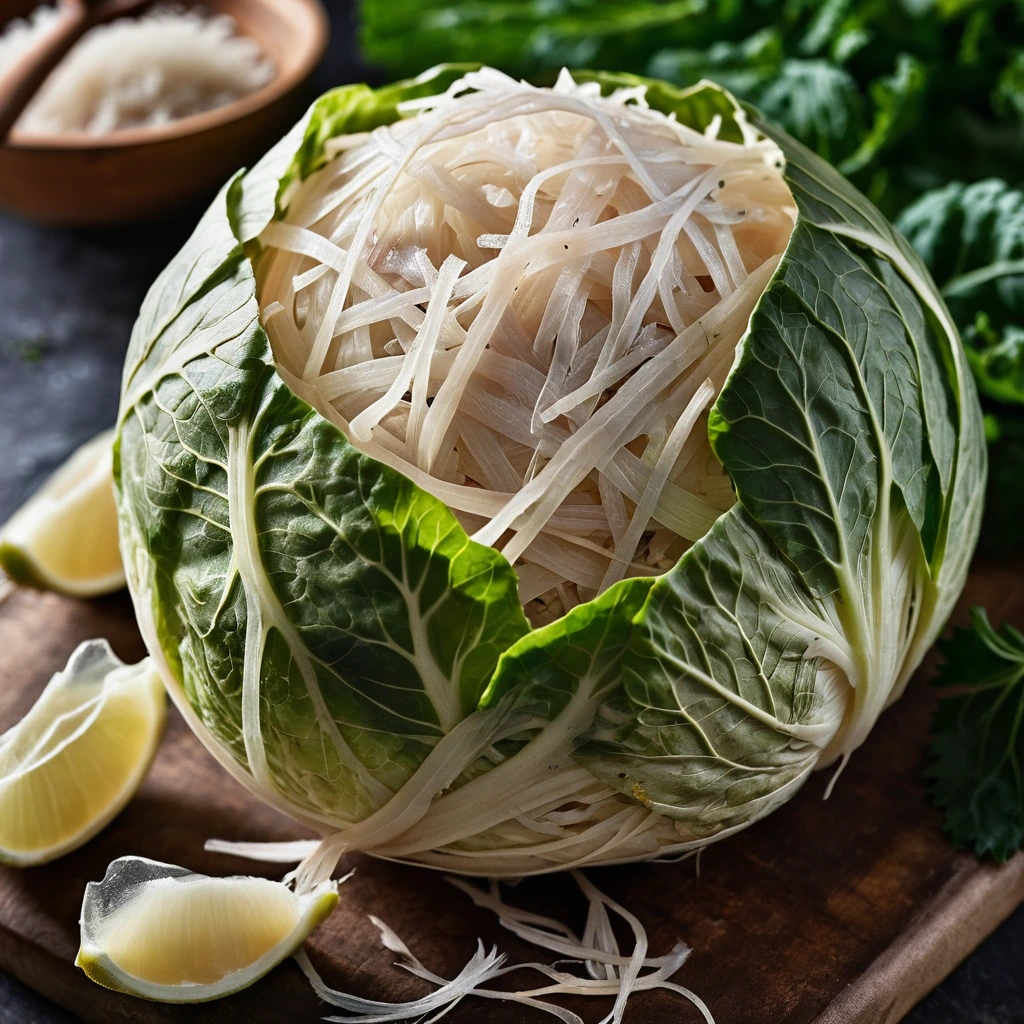
Sauerkraut
Sauerkraut is a traditional fermented food made from finely shredded cabbage that has been pickled by lactic acid fermentation. Originating in Europe, particularly associated with German cuisine, sauerkraut has a distinctive tangy and slightly sour flavor profile, with a pleasant underlying sweetness from the cabbage. Its texture is crunchy yet tender, offering a satisfying mouthfeel. When cooked, sauerkraut softens further and can meld well with other ingredients, contributing both its unique taste and beneficial probiotics. Its versatility in cooking allows it to be used as a condiment, side dish, or even as an ingredient in various recipes, enhancing flavor complexity and providing digestive health benefits.
Notes
When selecting sauerkraut, look for varieties that are refrigerated and contain live cultures to ensure maximum probiotic benefits. Unpasteurized sauerkraut will have a more vibrant flavor compared to pasteurized versions. Store opened sauerkraut in the refrigerator, where it can keep for several weeks. Be mindful of its high sodium content, typical of fermented foods, and rinse it if a lower salt content is desired. Sauerkraut is vegan and suitable for those following a plant-based diet, but individuals on low-sodium diets should consume it in moderation.
Uses
- Serve with sausages
- Add to Reubens
- Incorporate into stews
- Top baked potatoes
- Mix into coleslaw
- Stir into fried rice
- Blend into dips
Replacements
You might also like
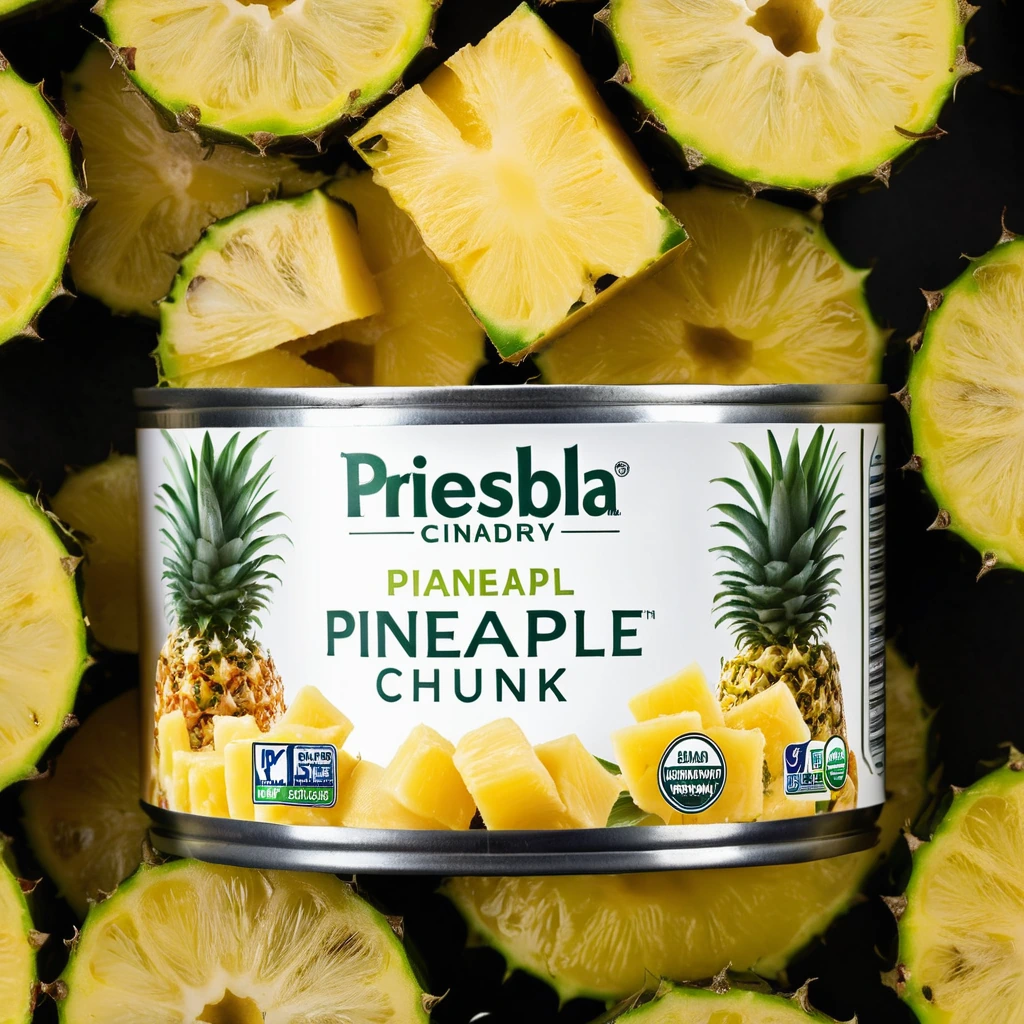
Canned Pineapple Chunks
Canned pineapple chunks are a convenient and versatile tropical fruit product, offering a sweet and tangy flavor with a tender texture. Originating from pineapple plants primarily grown in tropical regions like Southeast Asia, South America, and parts of Africa, these chunks are preserved in either their own juices or a sugary syrup. The flavor profile is characteristically sweet with a slight acidity that brightens dishes. The texture is soft yet holds its shape well, making it ideal for both cooking and eating straight from the can. In culinary applications, canned pineapple chunks add a burst of tropical sweetness and can complement both savory and sweet dishes. They are often used in baking, salads, and as a pizza topping, contributing moisture and a hint of tanginess to recipes.
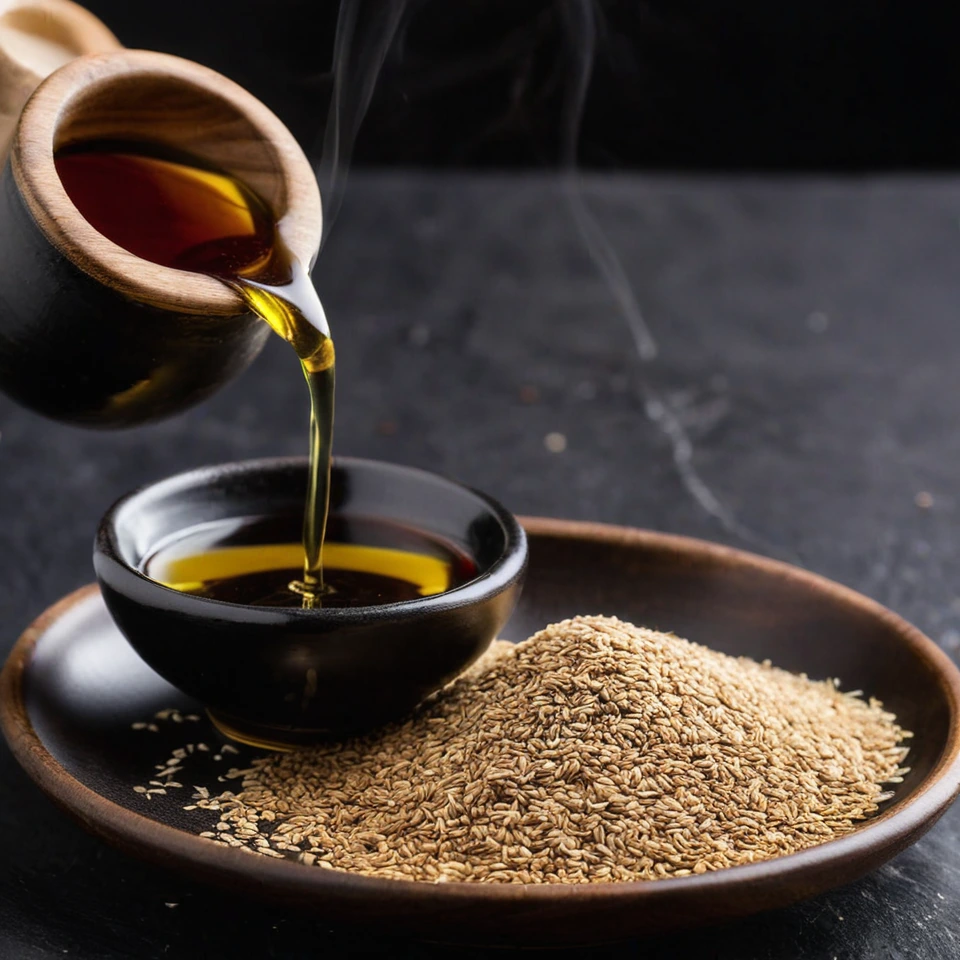
Toasted Sesame Oil
Toasted sesame oil is a flavorful oil made from lightly roasted sesame seeds. It has a rich, nutty aroma and a deep amber color, making it a staple in Asian cuisine for adding depth and complexity to dishes.
Recipes to try
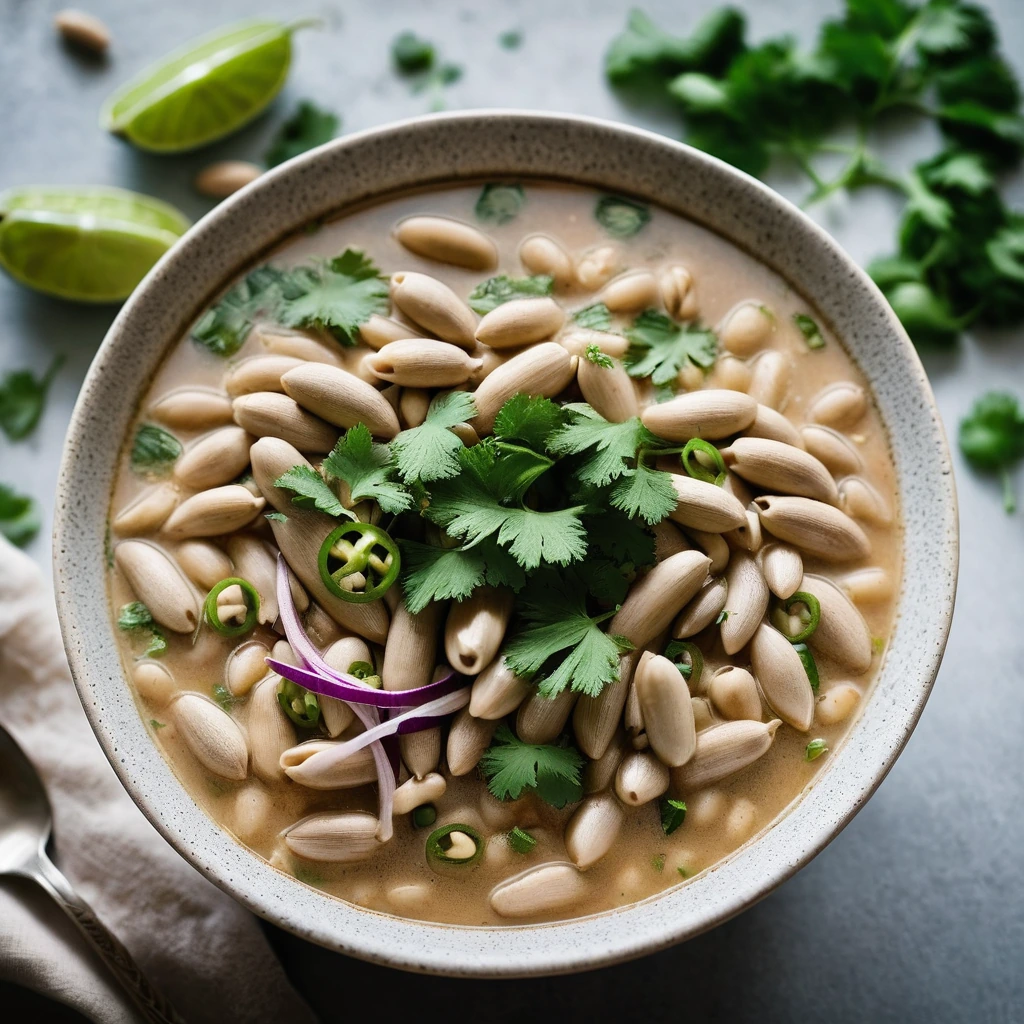
White Bean Chicken Chili with Green Chiles
A hearty, creamy chili brimming with tender chicken, buttery white beans, and a kick of smoky green chiles.
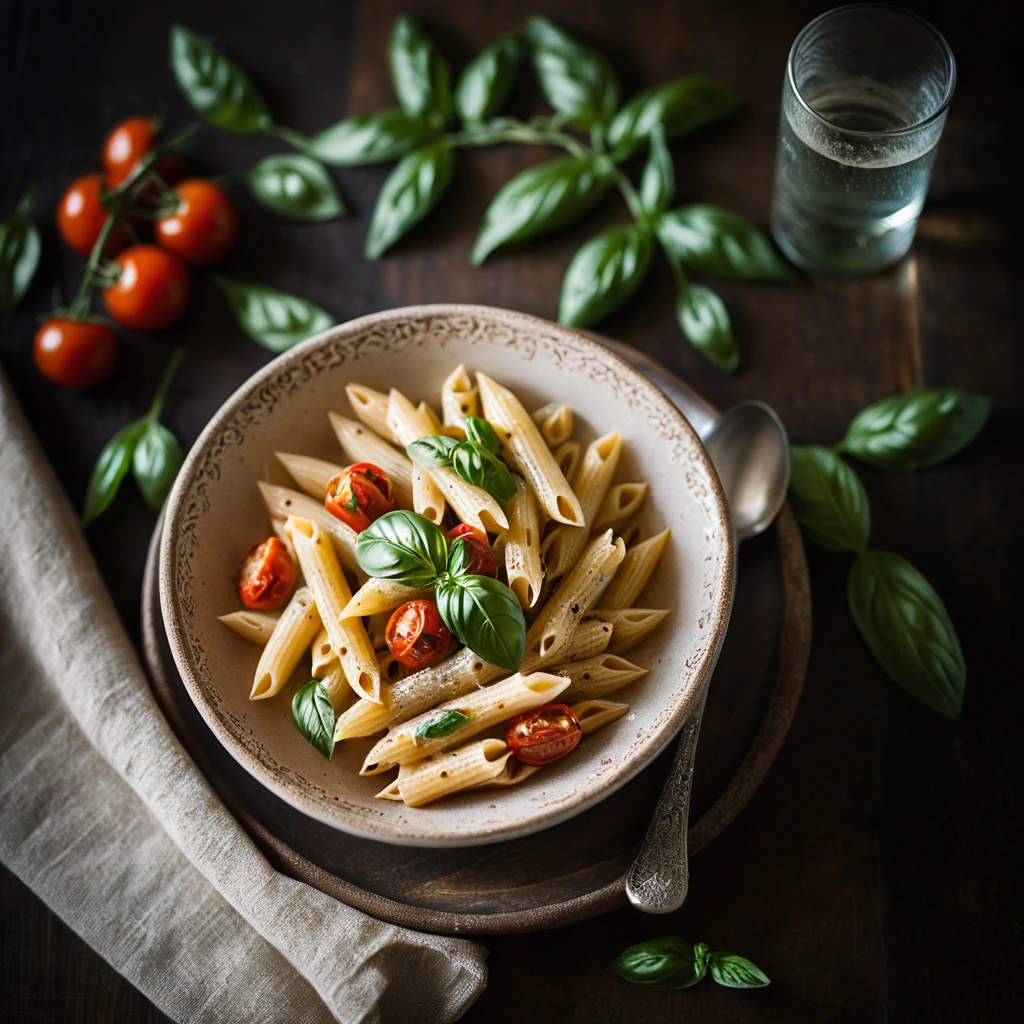
Roasted Tomato and Basil Cream Penne
Sun-kissed roasted tomatoes meld with creamy sauce and fresh basil for a penne that's both comforting and vibrant.