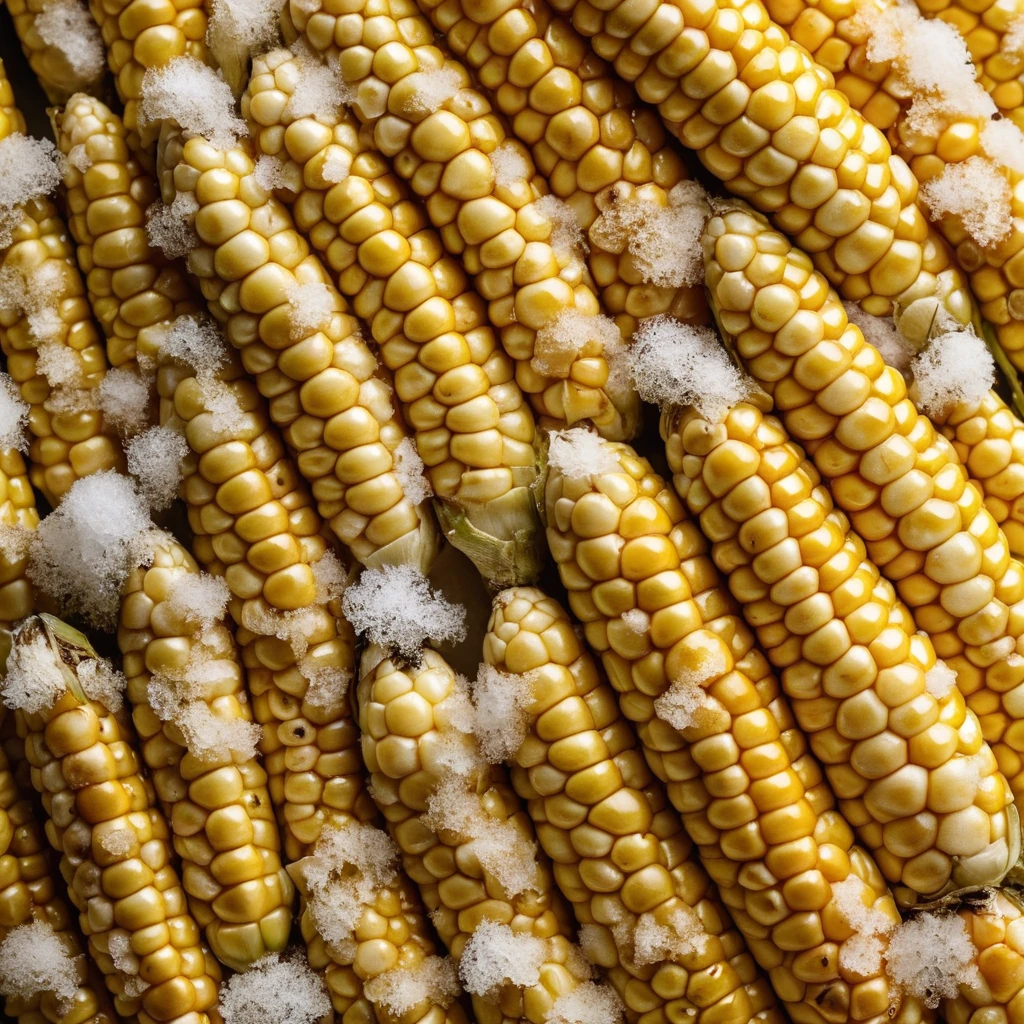
Frozen Corn
Frozen corn is kernels of corn that have been harvested at peak ripeness, quickly blanched to preserve freshness, and then flash-frozen to lock in nutrients and flavor. Originating from the Americas, corn has been a staple in indigenous diets for thousands of years and remains a beloved ingredient worldwide. The flavor profile of frozen corn is sweet with a subtle vegetal note, reminiscent of summer's bounty. Its texture is tender yet retains a satisfying crunch when cooked properly. In cooking, frozen corn is versatile and convenient, as it thaws quickly and can be added directly to dishes, maintaining its integrity without becoming mushy.
Notes
When selecting frozen corn, look for bags with kernels that are plump and vibrant in color, avoiding any signs of freezer burn. Store frozen corn in the freezer for up to 8 to 12 months for optimal quality. There is no need to thaw before cooking; simply add directly to soups, stews, or skillet dishes. Be aware that corn is one of the common allergens, so caution is advised for those with sensitivities.
Uses
- Grilled corn salad
- Corn chowder
- Salsa fresca
- Skillet cornbread
- Mexican street corn
- Creamed corn casserole
Replacements
- Fresh corn kernels
- Canned corn
- Roasted butternut squash
- Peas
- Zucchini
You might also like

Fruit Jelly
Fruit jelly is a smooth, spreadable confection made primarily from fruit juice, sugar, and pectin. Its origins trace back to ancient culinary traditions, with evidence of its production in Middle Eastern and European cuisines. The flavor profile of fruit jelly is bright and fruity, reflecting the essence of the fruit used, whether it be strawberry, raspberry, or orange. Its texture is firm yet yielding, providing a pleasant chewiness when eaten. In cooking, fruit jelly is known for its ability to add a burst of fruity flavor and a glossy sheen to dishes. It can be melted down to act as a glaze for meats or used to layer desserts for a vibrant, fruity component.
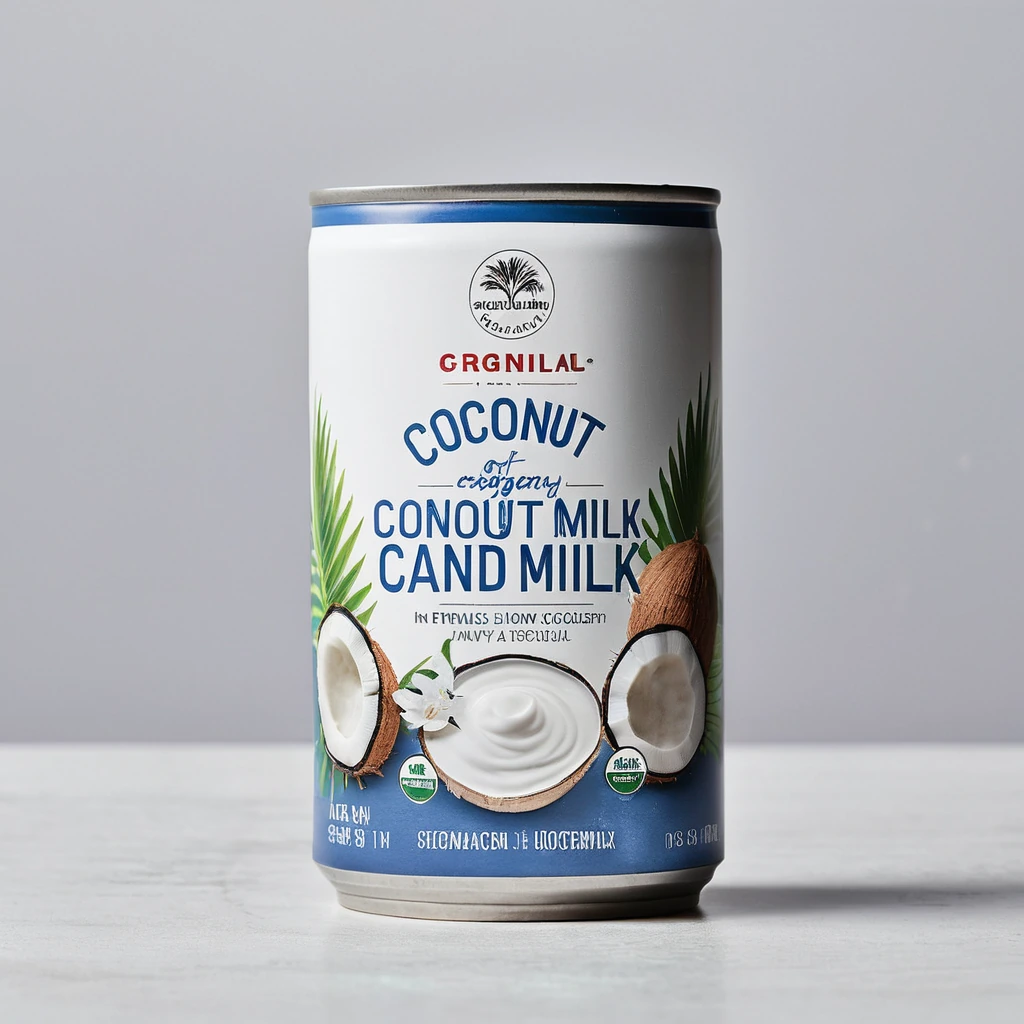
Canned Coconut Milk
Canned coconut milk is a rich and creamy liquid extracted from grated coconut flesh. Originating from tropical regions, particularly Southeast Asia, it is a staple in many traditional cuisines. Its flavor is subtly sweet with a hint of nuttiness, and it carries a fragrant aroma reminiscent of fresh coconut. The texture is smooth and velvety, making it ideal for adding richness to dishes. In cooking, coconut milk is known for its ability to thicken soups and curries while infusing them with a luscious mouthfeel. It behaves well under heat, maintaining its consistency and enhancing the depth of flavor in various recipes.
Recipes to try
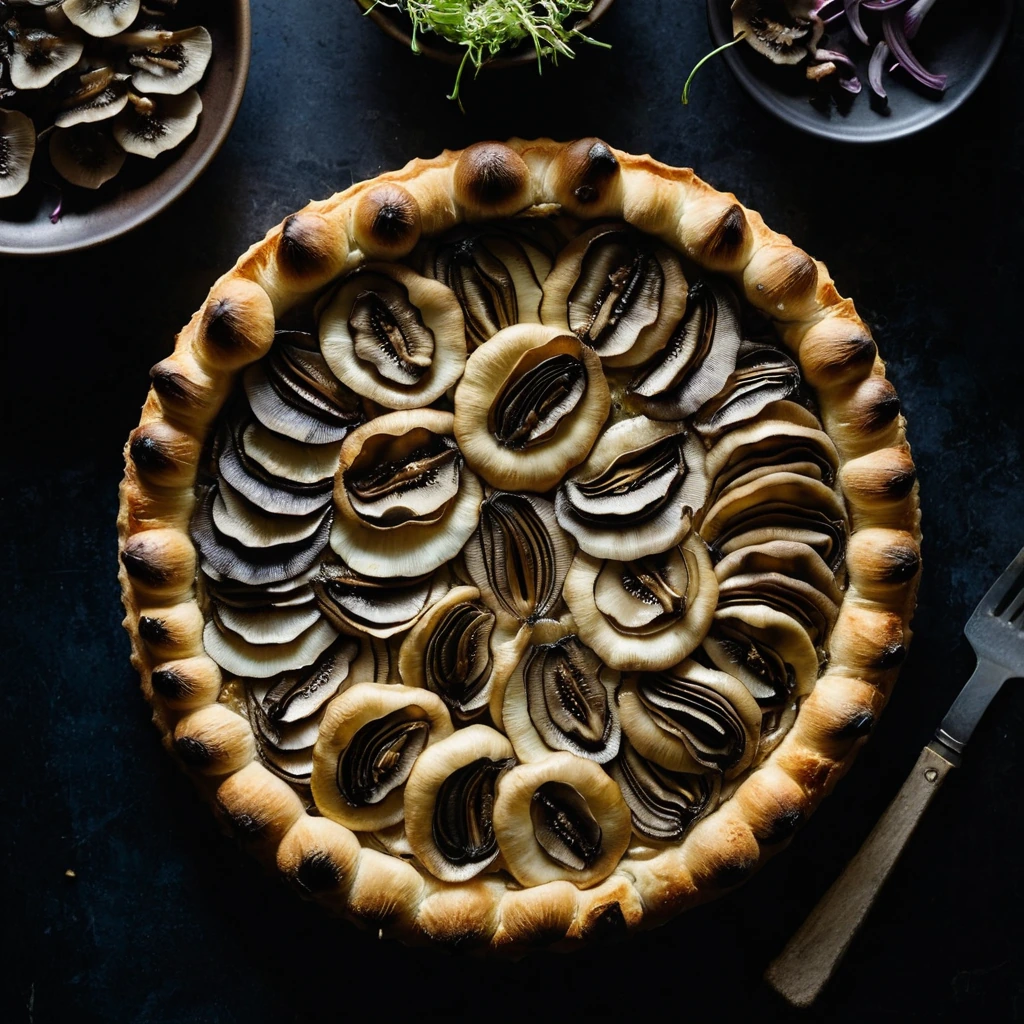
Mushroom, Onion, and Gruyère Tart
Golden, flaky pastry cradles a rich, earthy filling of sautéed mushrooms and onions, crowned with melty Gruyère.
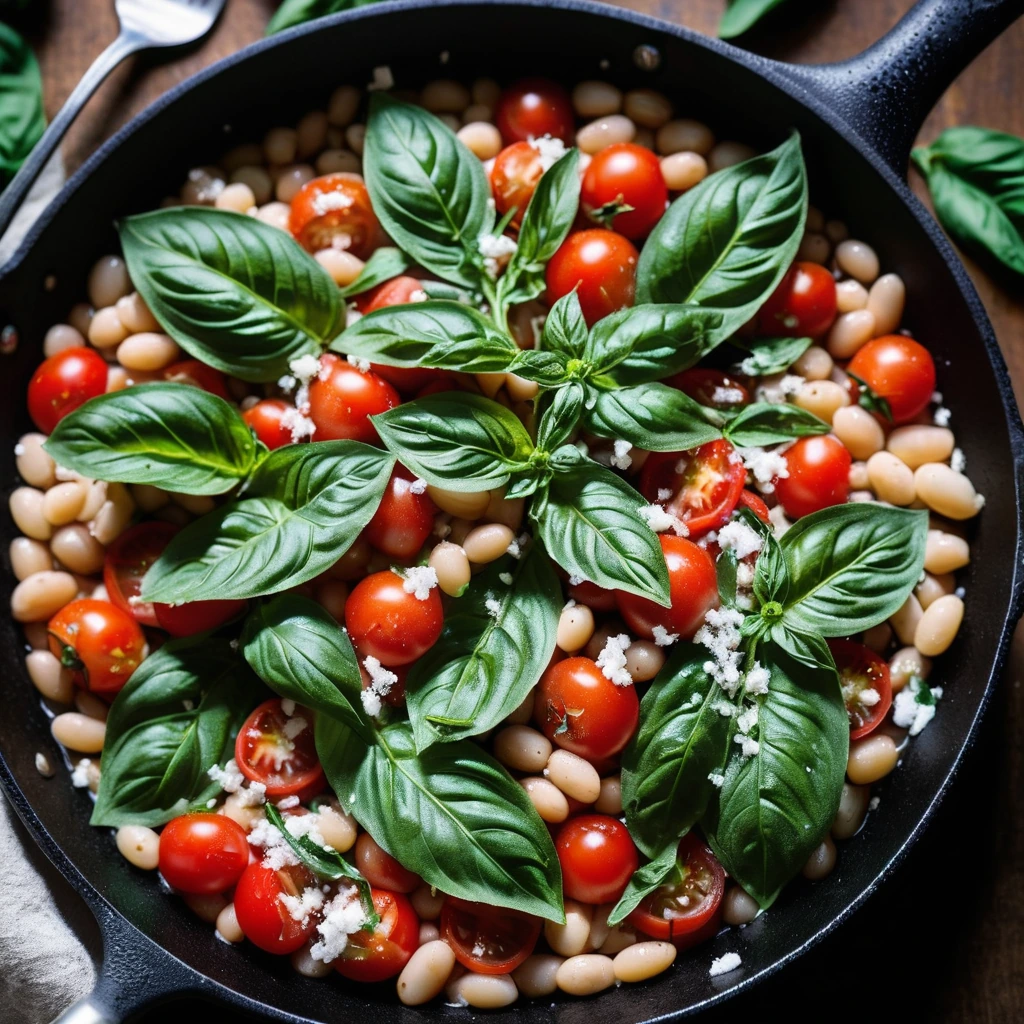
Tomato Basil White Bean Skillet with Parmesan
A comforting skillet packed with creamy white beans, ripe tomatoes, and fragrant basil, all topped with a generous sprinkle of Parmesan.