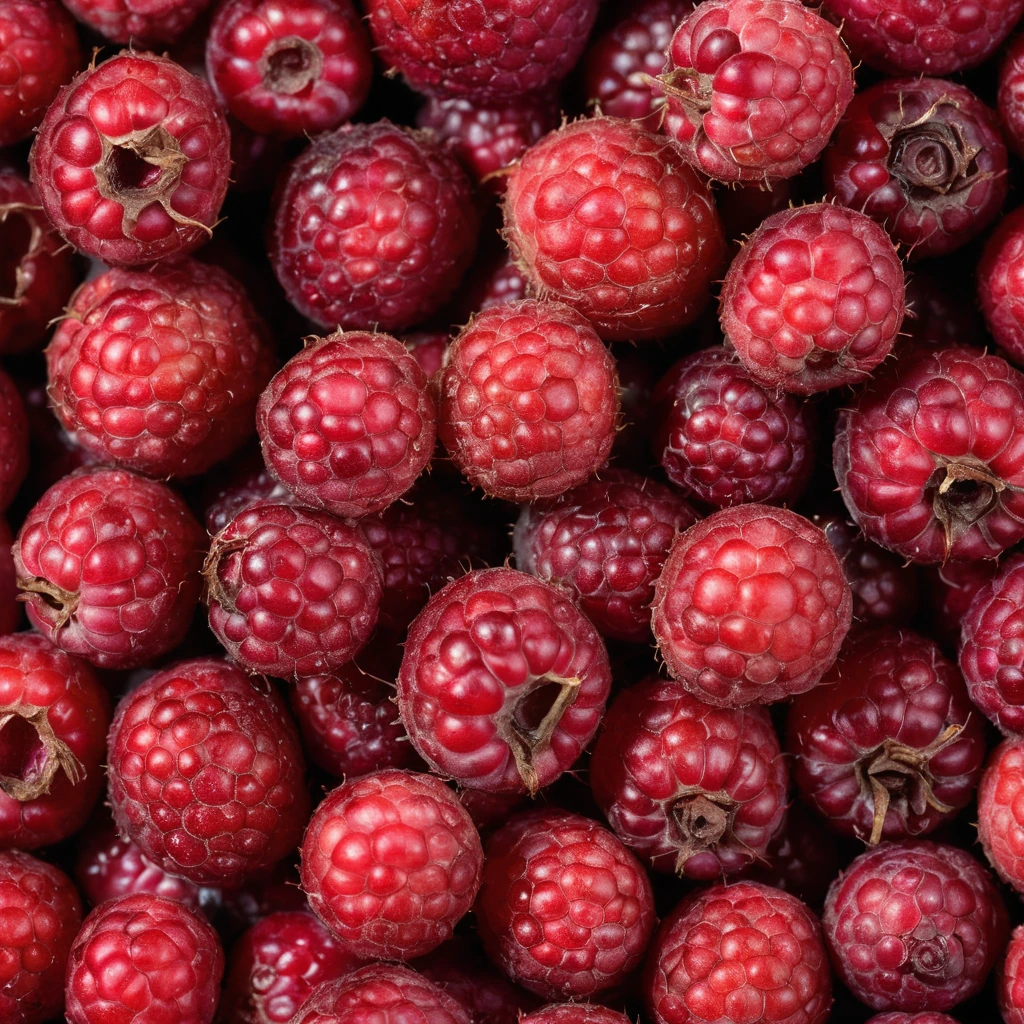
Fresh Cranberries
Fresh cranberries are the small, vibrant red berries harvested from evergreen shrubs native to North America. These tart, ruby-colored fruits are synonymous with autumn and Thanksgiving celebrations in the United States. They possess a unique flavor profile that is both tart and slightly sweet, with a refreshingly sharp aroma. When eaten raw, fresh cranberries have a firm texture that yields a satisfying pop when bitten into. In cooking, they are known for their ability to retain their shape while softening, and they transform wonderfully with the addition of sugar or when paired with savory ingredients. Fresh cranberries are often used to make sauces, relishes, and baked goods, and they are prized for their ability to add a burst of color and tang to dishes.
Notes
When selecting fresh cranberries, look for firm berries with a deep red color; avoid any that are soft or shriveled. Stored in a sealed container in the refrigerator, they can keep for up to one month. For longer storage, freeze them in an airtight bag for up to a year. To prep cranberries, simply rinse them under cold water and remove any stems or leaves. Note that fresh cranberries are naturally gluten-free and are suitable for vegan diets, but cross-contamination can occur during processing. Some individuals may experience an upset stomach due to their high acidity.
Uses
- Cranberry sauce
- Baked muffins
- Holiday stuffing
- Salad garnish
- Smoothies
- Cranberry chutney
- Trail mix
Replacements
- Dried cranberries (rehydrated)
- Frozen cranberries
- Red currants
- Gooseberries
- Pomegranate seeds
You might also like
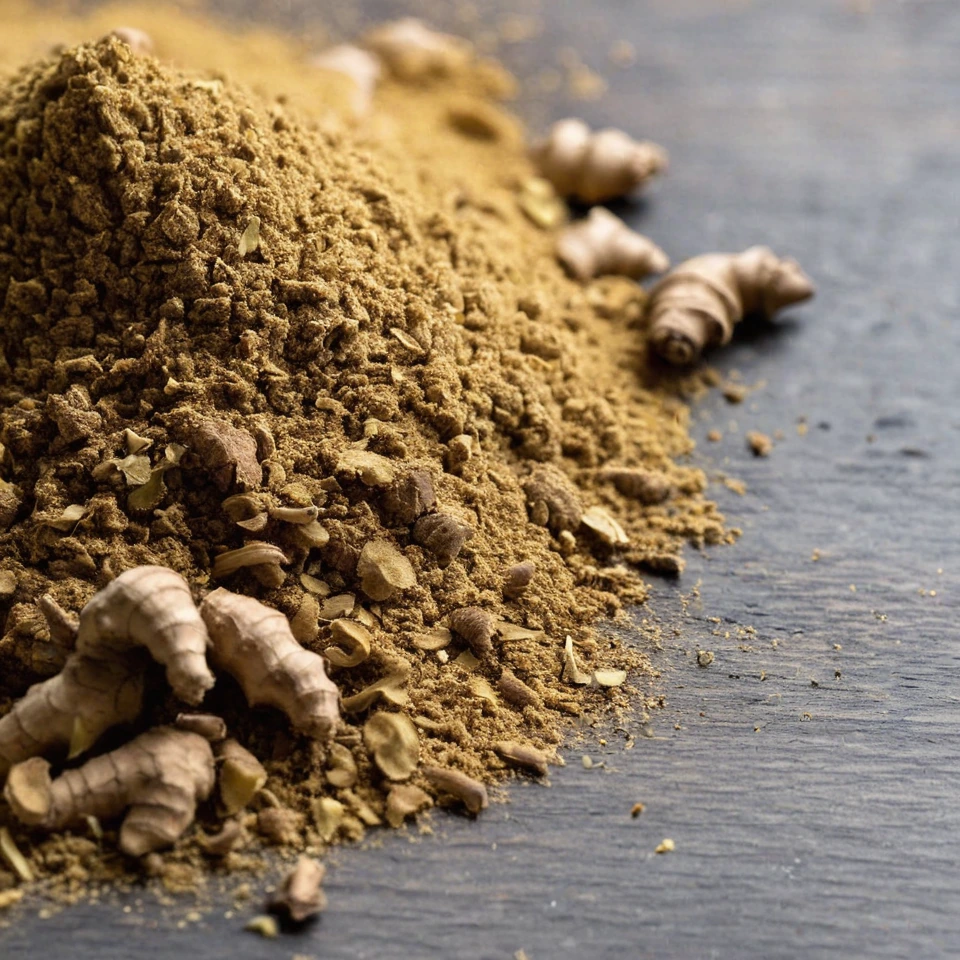
Ground Ginger
Ground ginger is a fragrant spice made from dried ginger root that has been ground into a fine powder. It offers a warm, spicy, and slightly sweet flavor that adds depth to both sweet and savory dishes.
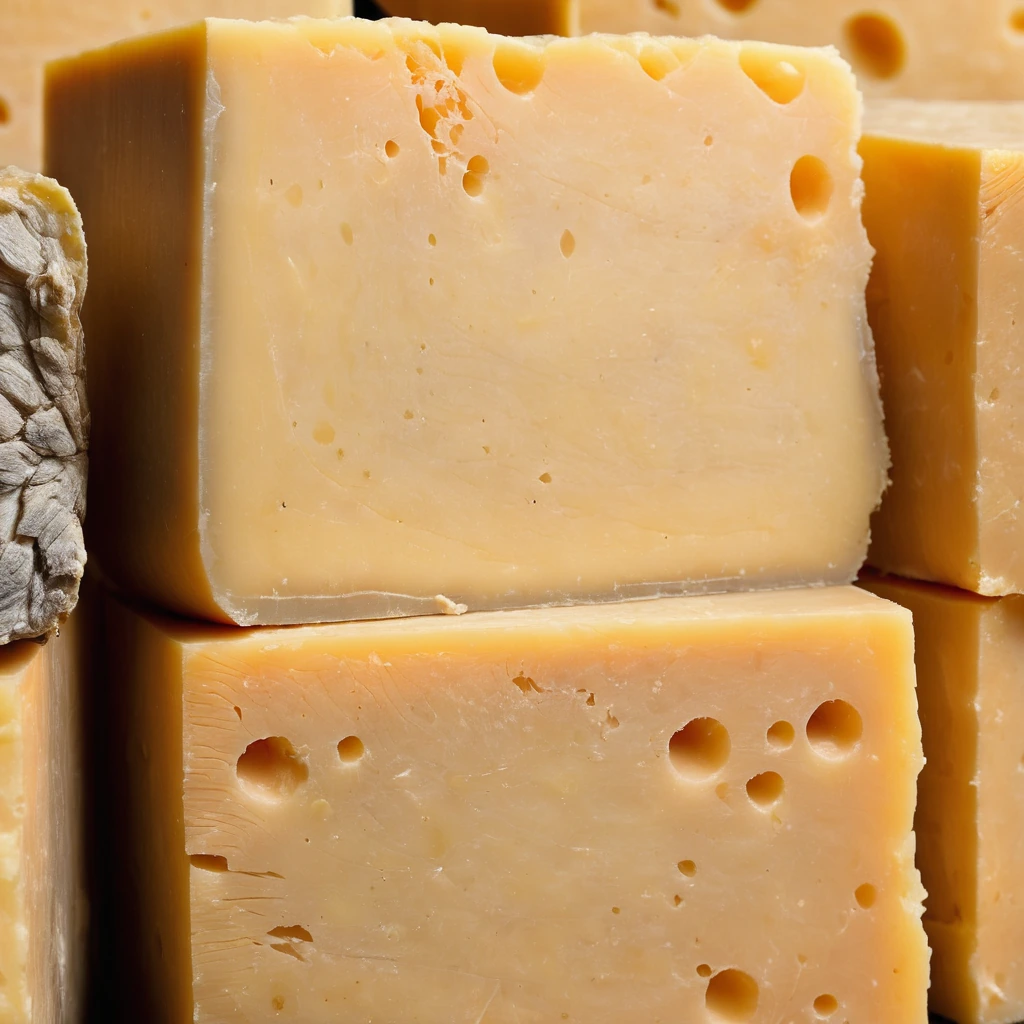
Cheddar Cheese Block
Cheddar cheese block is a firm, natural cheese originating from the village of Cheddar in Somerset, England. It is renowned for its versatility and is available in a wide range of ages, from mild to sharp. The flavor profile can vary from creamy and mild in younger cheddars to intensely sharp and tangy in aged varieties. Its texture is smooth and firm, offering a satisfyingly crumbly bite when eaten raw. In cooking, cheddar melts smoothly, making it ideal for dishes like casseroles, grilled cheese sandwiches, and macaroni and cheese. It browns well under heat and adds a rich, savory depth to both cooked and uncooked dishes.
Recipes to try
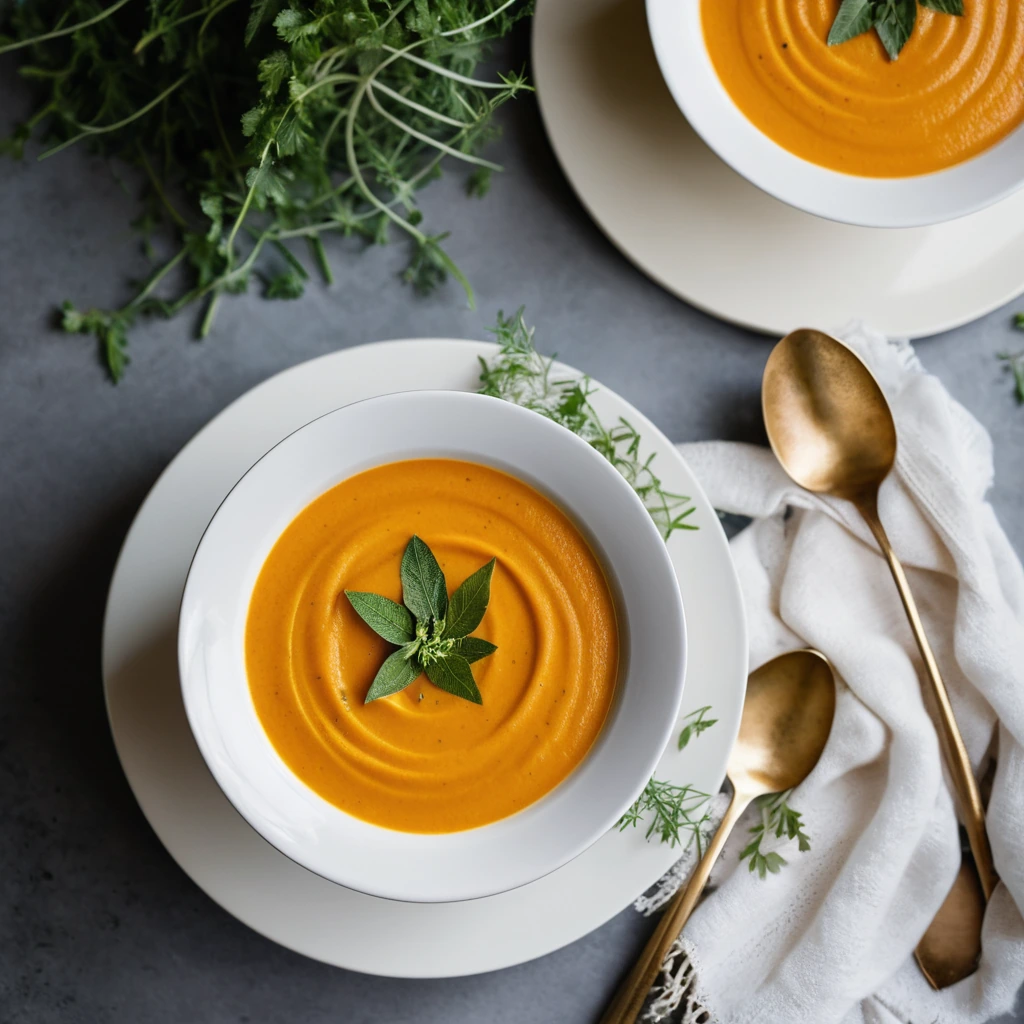
Pumpkin and Sweet Potato Bisque
Creamy and comforting, this bisque marries the earthy sweetness of pumpkin with the subtle nuttiness of sweet potato.
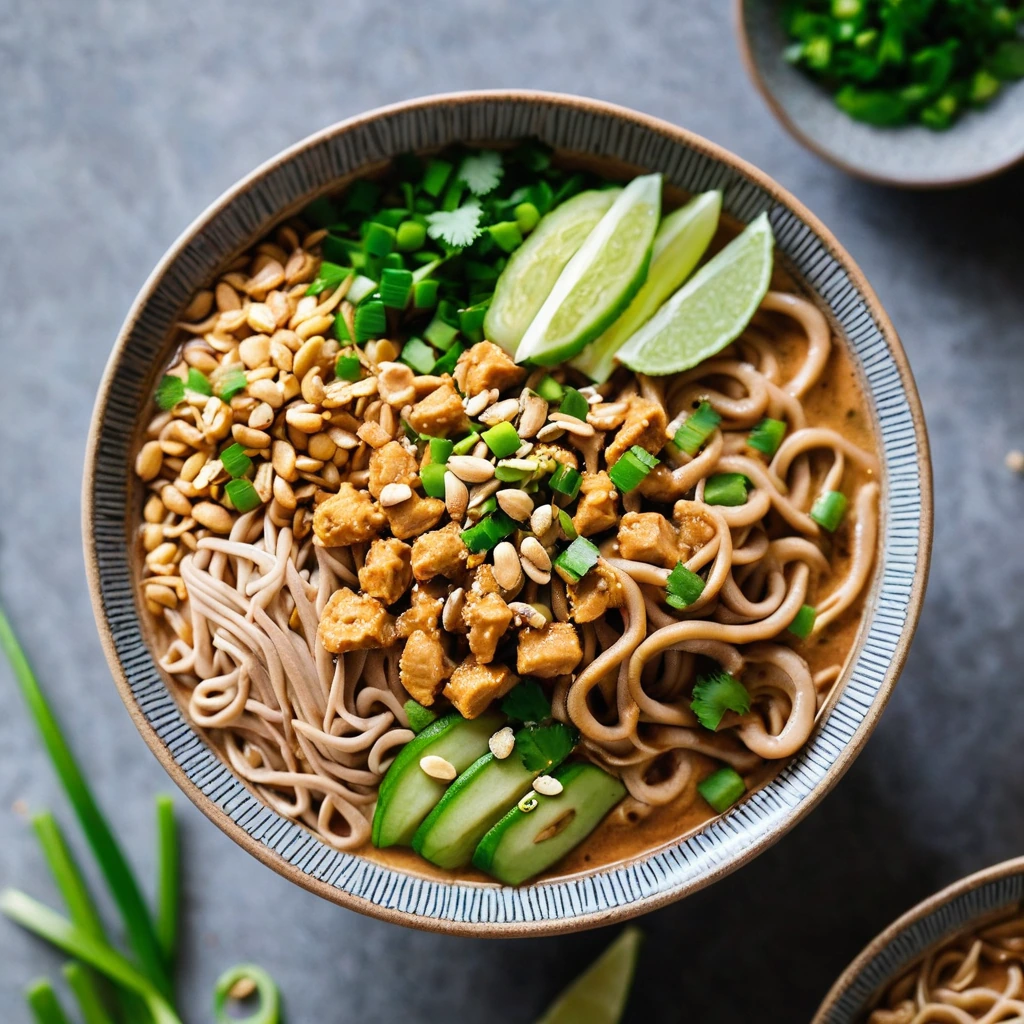
Spicy Peanut Chicken Noodle Bowls
Creamy peanut sauce clings to tender chicken and chewy noodles in a vibrant, fiery bowl that's comfort food on steroids.