
Bananas
Bananas are a beloved tropical fruit known for their creamy texture and naturally sweet, slightly tangy flavor. Originating in Southeast Asia, they have become a staple in many cuisines worldwide. The aroma of a ripe banana is both inviting and unmistakable, offering notes of sweetness with a hint of floral undertones. Their texture is smooth and soft, making them enjoyable to eat raw or as part of a dish. In cooking, bananas behave remarkably well, whether they are mashed to add moisture to baked goods, sliced into cereals, or caramelized for a rich dessert topping. They also act as a natural sweetener and can contribute to the browning of baked goods due to their sugar content.
Notes
Select bananas with firm, bright yellow peels for the best flavor and texture. Avoid those with extensive browning unless intended for baking. Store bananas at room temperature to allow them to ripen; once ripe, they can be refrigerated to slow further ripening. For longer storage, peel and freeze bananas for future use in smoothies or baking. Keep in mind that bananas are a common allergen and should be introduced cautiously to those with food sensitivities.
Uses
- Smoothies
- Banana bread
- Cereal topping
- Yogurt accompaniment
- Caramelized dessert
- Fruit salad
- Oatmeal enhancer
You might also like
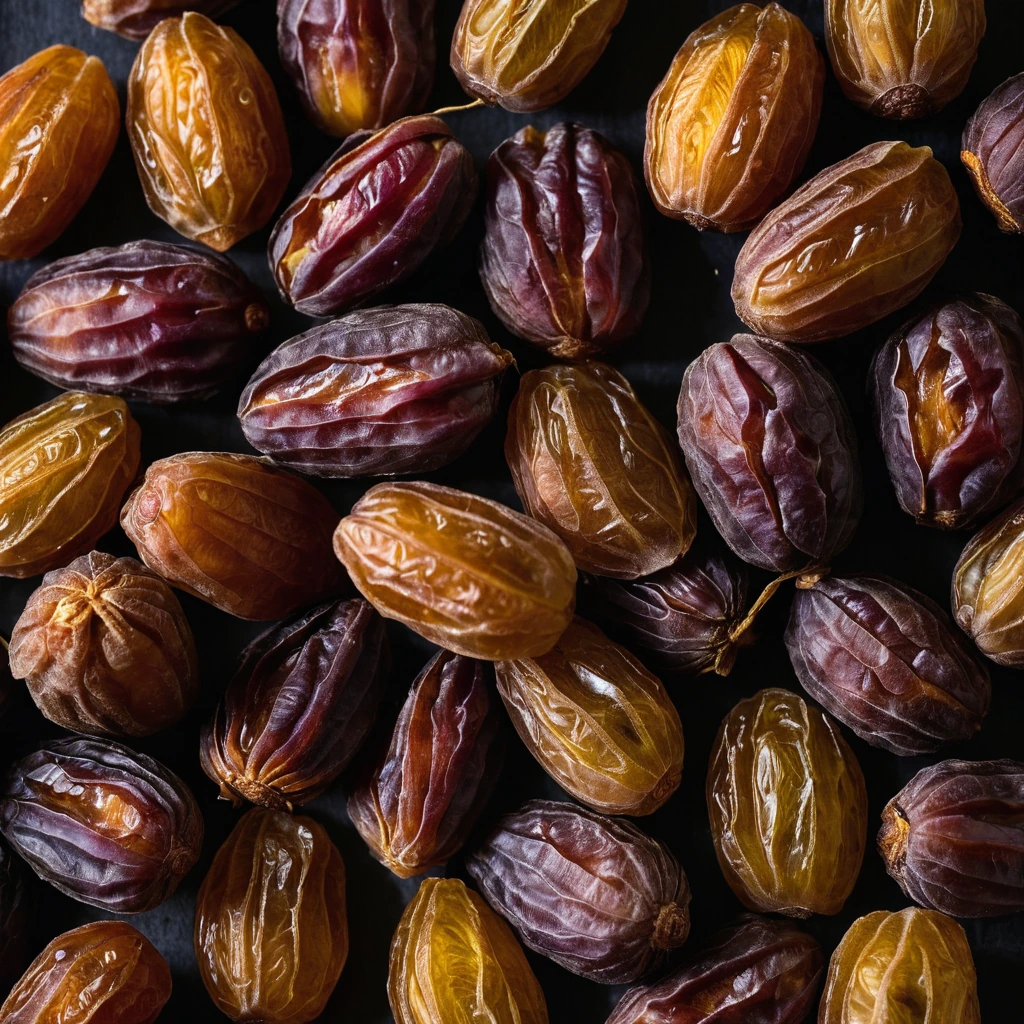
Medjool Dates
Medjool dates are large, golden-brown fruits known for their exceptional sweetness and soft, chewy texture. Originating from the Middle East, particularly regions like Iraq and Morocco, these dates have been cultivated for thousands of years and are now grown in places like California and the Middle Eastern countries. They offer a rich, caramel-like sweetness with hints of butterscotch and a hint of floral notes. The flesh is tender and plumps when ripe, making them almost melt-in-your-mouth enjoyable. In cooking, Medjool dates behave wonderfully as natural sweeteners, softening further when cooked and infusing dishes with their distinctive flavor. They can also absorb other flavors well, making them versatile in both sweet and savory dishes.
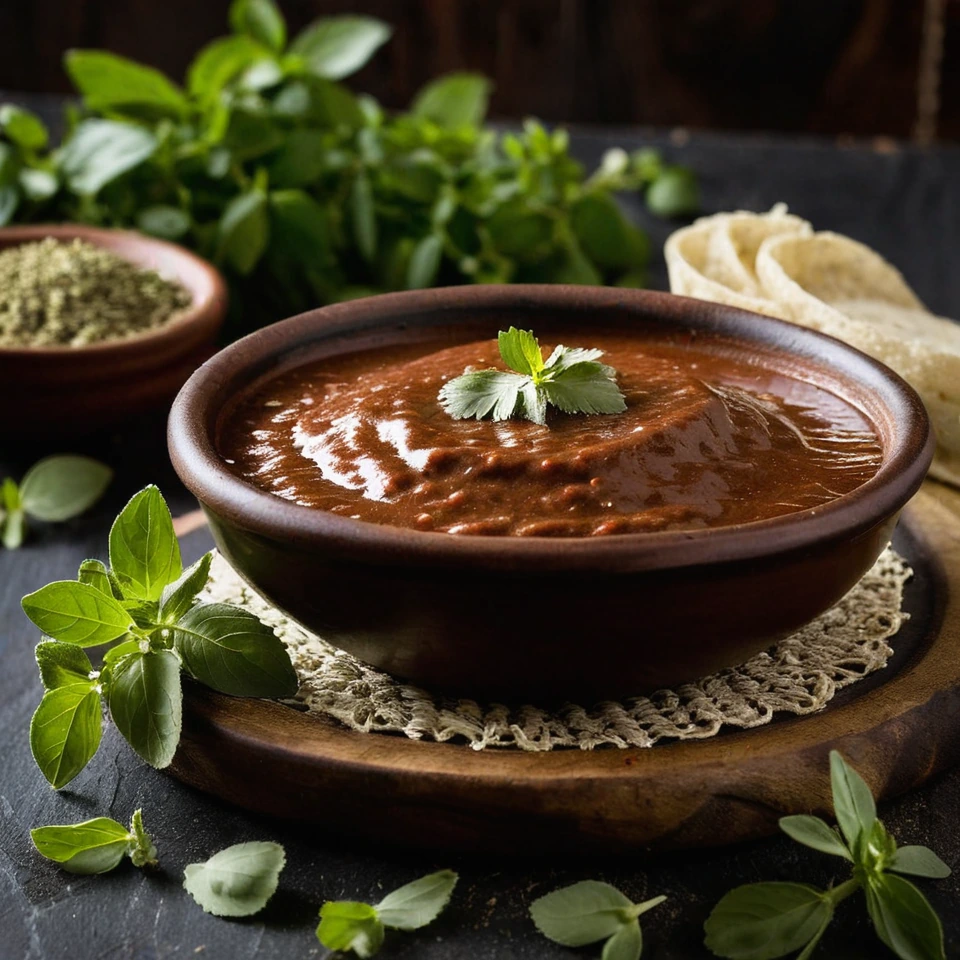
Fresh Mexican Oregano
Fresh Mexican oregano, known as oregano de Mexico, boasts a robust, citrusy aroma with hints of earthy thyme and a slightly pungent, piney flavor. Its texture is delicate yet sturdy, perfect for both raw and cooked applications. Originating from the warm climates of Mexico and Central America, this variety is a staple in traditional dishes like mole and enchiladas. Its unique flavor profile sets it apart from its Mediterranean cousin, offering a brighter, more complex taste that elevates any dish.
Recipes to try
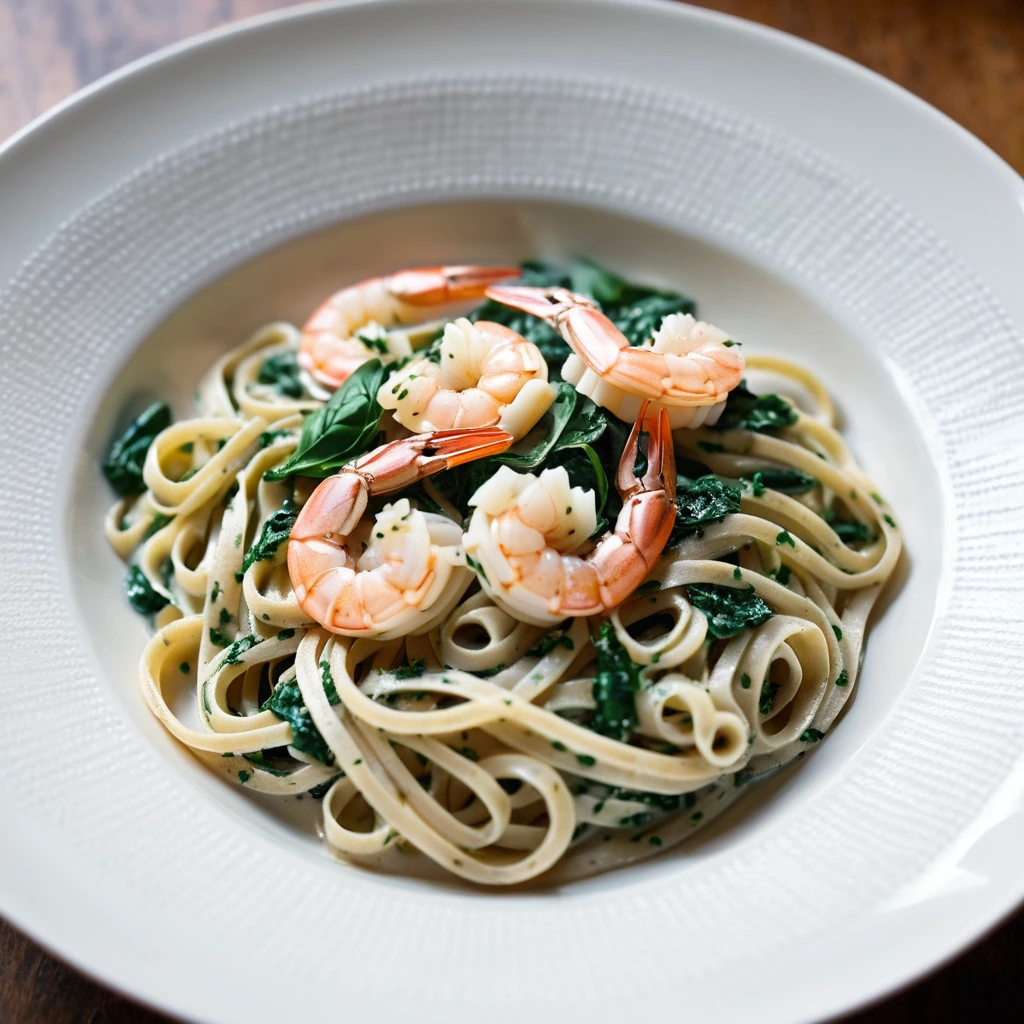
Shrimp and Spinach Linguine in White Wine Sauce
Succulent shrimp and fresh spinach mingle in a creamy white wine sauce, twirled into perfectly al dente linguine.
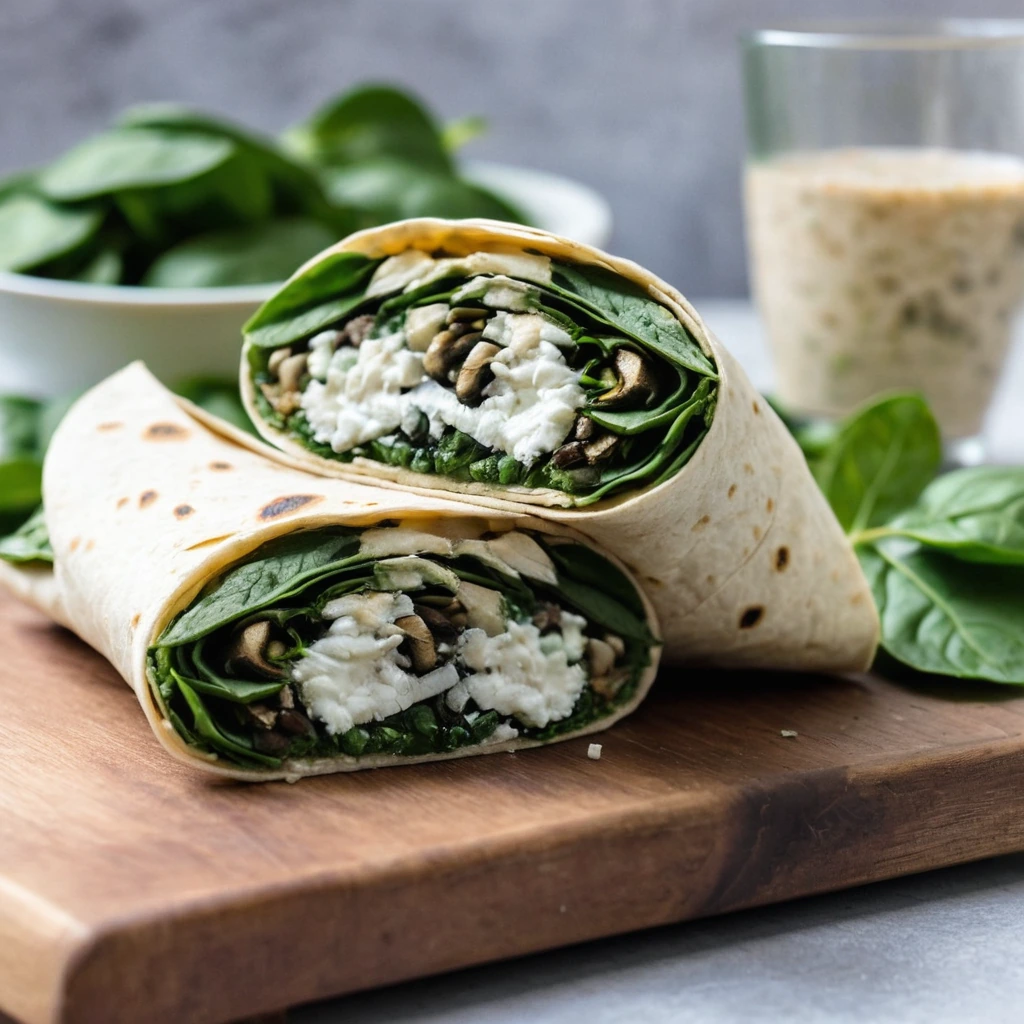
Spinach, Mushroom, and Feta Breakfast Wraps
These wraps are a cozy morning hug in a tortilla—creamy feta, earthy mushrooms, and vibrant spinach meld into a hearty breakfast.