Workflow Technique: Turning Leftovers into Next-Day Components
Transforming leftovers into fresh components for the next day's meals is a smart way to minimize waste and maximize flavor. This technique involves repurposing yesterday's dishes into new culinary creations, breathing new life into your fridge staples. By understanding the basics of food safety, flavor balancing, and creative ingredient pairing, you can turn potential food waste into delightful meals. Start by assessing your leftovers with a critical eye, noting textures and flavors that could shine in a new context. Perhaps yesterday's roasted chicken can become today's chicken salad or enchilada filling. Roasted vegetables might morph into a vibrant soup or a hearty grain bowl topping. The key is flexibility and a dash of culinary creativity. Consider the nutritional profile of your leftovers and balance them out with fresh ingredients. For instance, if you have creamy mashed potatoes, consider crisping them up for a hash alongside fresh greens and a poached egg. This technique not only saves time and money but also reduces your environmental impact by repurposing ingredients effectively. Understanding how different cooking methods can transform textures is crucial. Sautéing can add a crispy edge to yesterday's proteins, while blending can turn yesterday's vegetables into a smooth soup base. Embrace the challenge of reimagining your leftovers and watch as your kitchen becomes a hub of sustainable cooking. Experiment with seasonings and sauces to elevate flavors, and don't shy away from integrating unexpected ingredients that could enhance the dish. Remember, culinary innovation often starts with making the most of what you have.
Notes
The science behind this technique lies in understanding how cooking processes alter food at a molecular level. Reheating proteins to an internal temperature of 165°F ensures safety. When transforming textures, remember that moisture content plays a crucial role; sautéing or roasting can restore crispness to yesterday's vegetables. Common mistakes include over-seasoning or failing to balance textures. Keep an eye on portion sizes to avoid creating new leftovers. For storage, ensure components are cooled quickly and refrigerated within two hours of cooking. Make-ahead components can be frozen for future use, extending their life and utility.
Steps
- 1 Assess leftovers for texture and flavor.
- 2 Clean and store leftovers properly in airtight containers.
- 3 Plan next-day meals considering leftovers as components.
- 4 Balance nutritional profile with fresh ingredients.
- 5 Experiment with cooking methods to transform textures.
- 6 Incorporate seasonings and sauces to enhance flavors.
- 7 Consider new ingredient pairings to elevate the dish.
- 8 Reheat or cook components to appropriate temperatures.
- 9 Check internal temperatures of proteins to ensure safety.
- 10 Plate components thoughtfully for a cohesive meal presentation.
- 11 Taste and adjust seasoning before serving.
- 12 Store any remaining transformed leftovers promptly.
Ingredients to explore
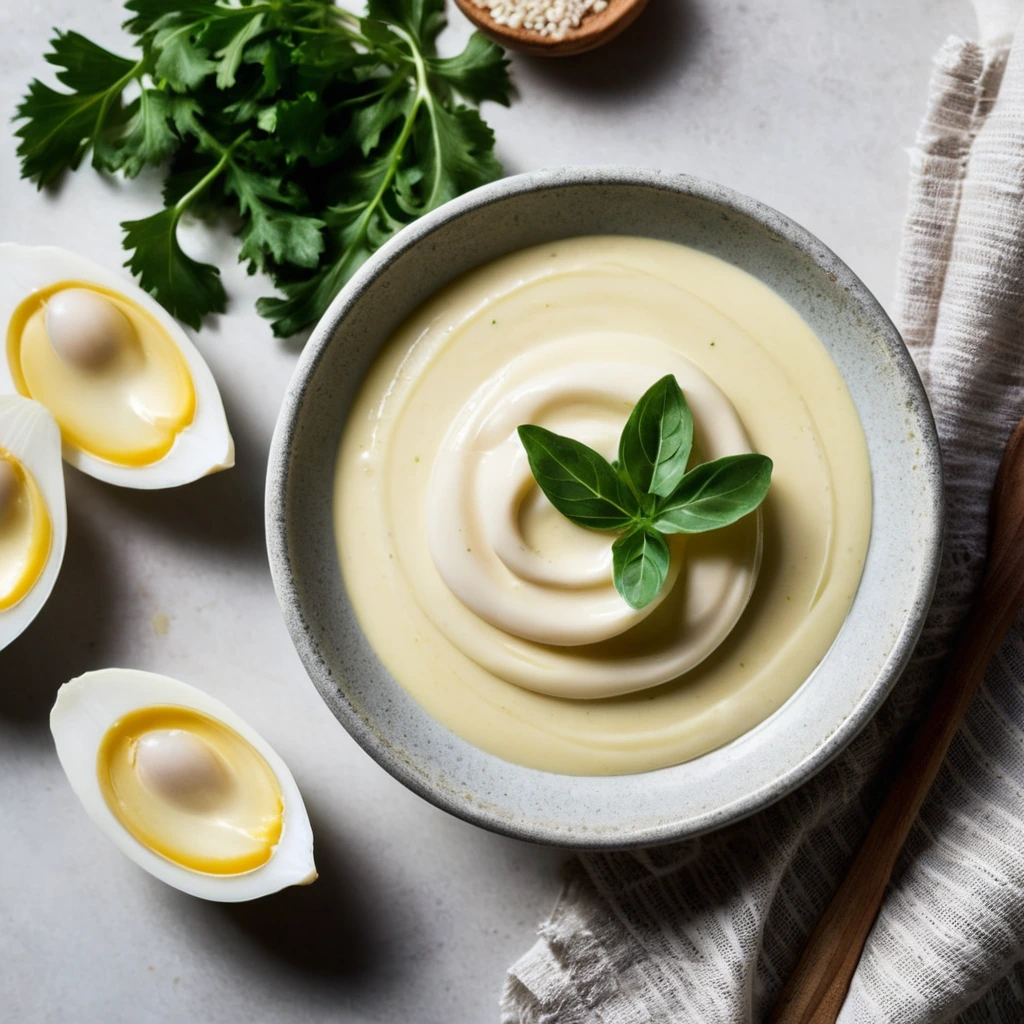
Aioli
A luscious, velvety emulsion of garlic and olive oil, aioli is a rich and aromatic sauce that dances on the palate with its creamy texture and bold, pungent flavor.
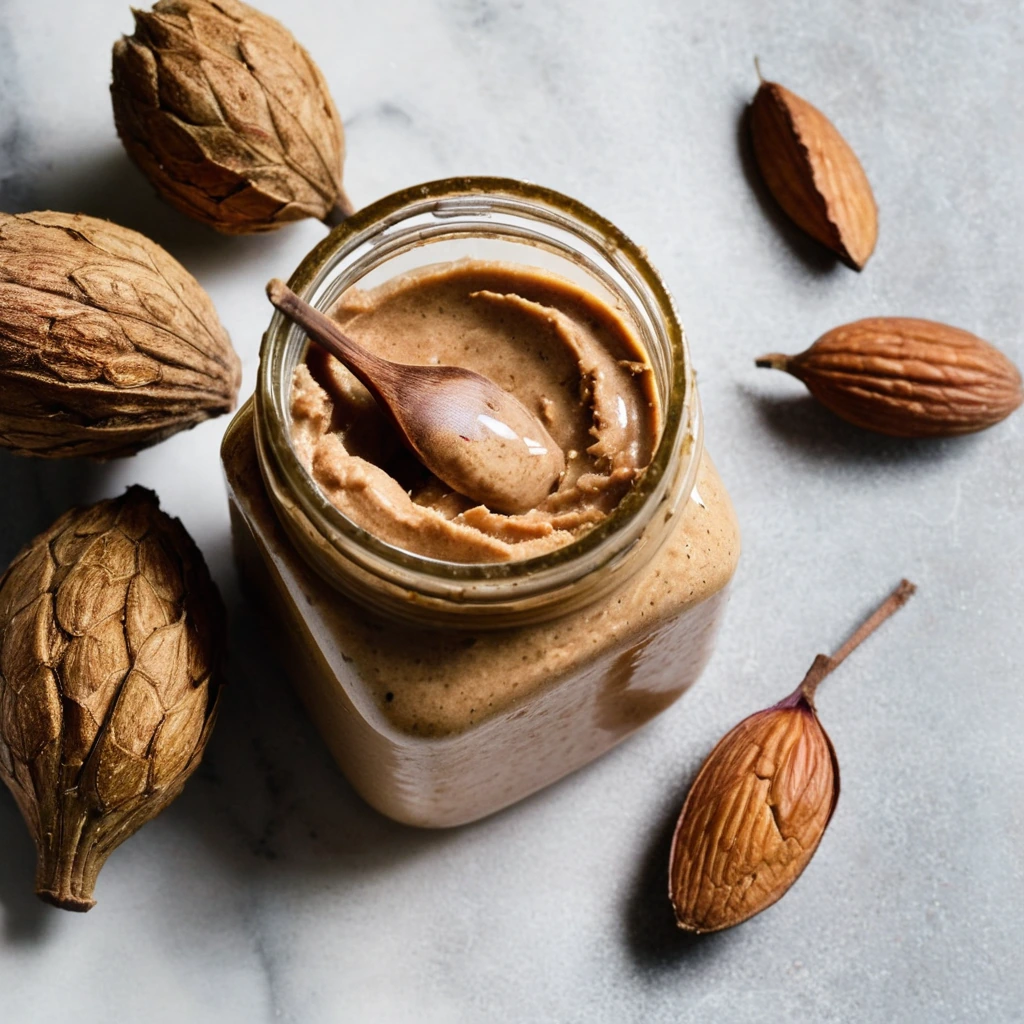
Almond Butter
A velvety, nutty spread crafted from finely ground almonds, offering a rich and satisfying flavor that's both comforting and indulgent.
Recipes to try
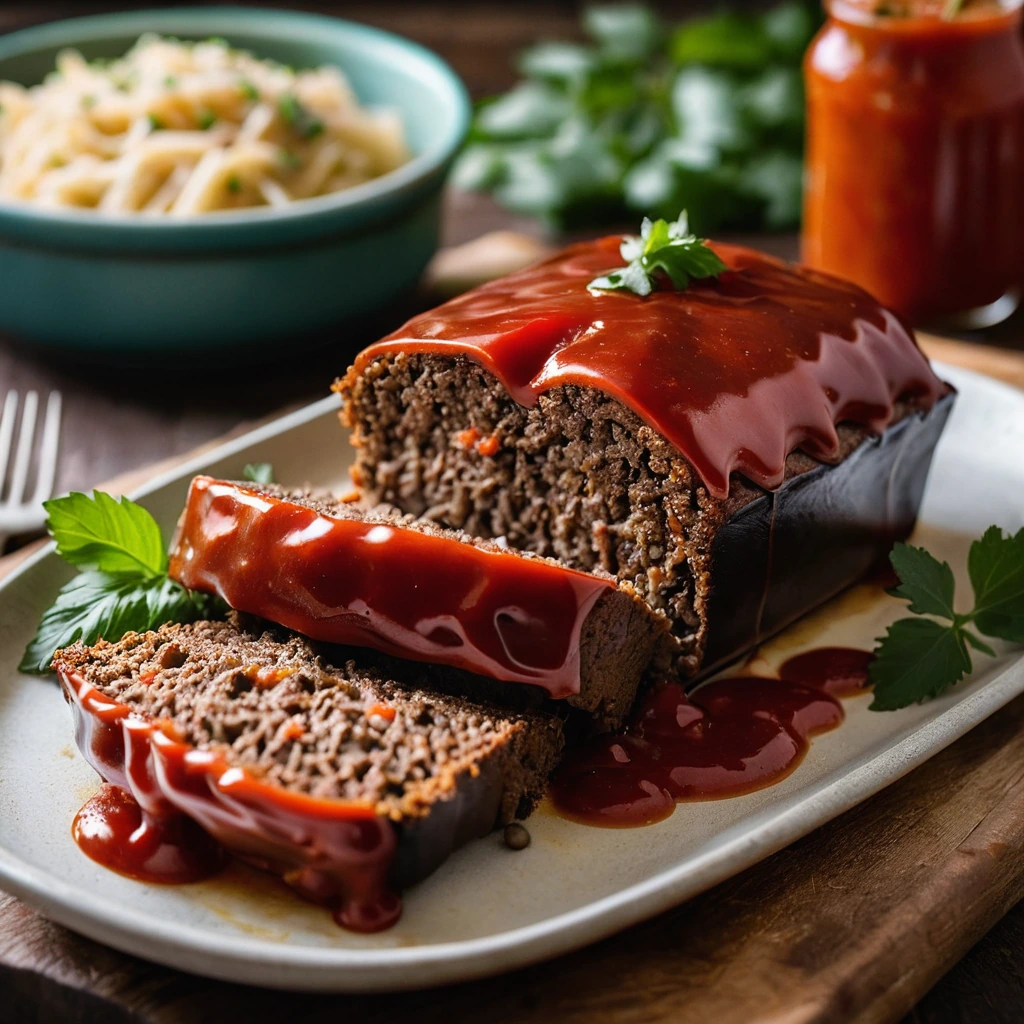
Pepper Jack Stuffed Meatloaf with Salsa Glaze
A savory meatloaf stuffed with gooey pepper jack cheese and topped with a tangy, zesty salsa glaze that'll have your taste buds doing a happy dance.
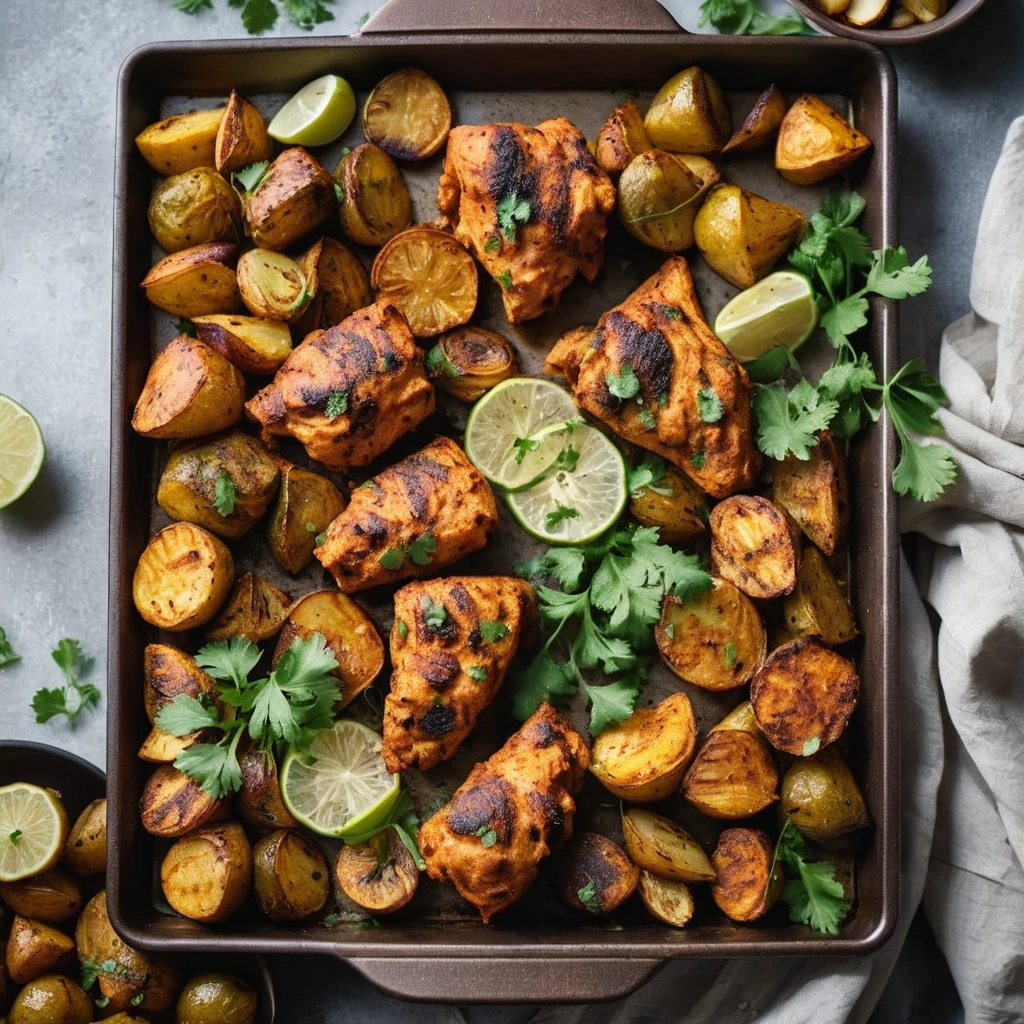
Sheet Pan Chicken Tikka with Garlic Potatoes
Juicy chicken and golden potatoes roasted to perfection on one sheet pan, infused with smoky tikka spices and garlicky goodness.