Workflow Technique: Timing Sides and Mains to Finish Together
Cooking a multi-component meal can feel like orchestrating a symphony. The key to success lies in mastering the art of timing so that all elements of your meal come together harmoniously. This technique is essential for home cooks who aim to present dishes where every component is fresh, hot, and perfectly cooked. The process involves understanding cook times, preparing ingredients in advance, and managing your oven and stovetop efficiently. By employing strategic planning and precise execution, you can ensure that your main course and sides finish cooking at the same time, allowing you to serve a restaurant-quality meal from your home kitchen. This workflow technique will guide you through the steps of planning, prepping, and timing your dishes to perfection. Whether you're cooking for family, friends, or a special occasion, these insights will transform your cooking experience from chaotic to controlled, making you the star of any dinner party.
Notes
The science behind this technique is rooted in thermodynamics and planning efficiency. By understanding how heat transfers and how long it takes for foods to cook, you can orchestrate a seamless meal assembly. Troubleshooting often involves adjusting for variables like oven hot spots or stovetop heat inconsistencies. A common mistake is overcrowding the oven or stovetop, leading to uneven cooking. To avoid this, ensure you have enough space and consider using multiple cooking vessels. Always prioritize safety by using oven mitts and keeping a clear workspace. For make-ahead components, consider dishes that can be reheated effectively, like roasted vegetables or braised proteins. Store leftovers promptly in airtight containers to maintain freshness.
Steps
- 1 Read through all recipes thoroughly to understand cook times.
- 2 Identify the component with the longest cook time; this is your anchor.
- 3 Prepare all ingredients for each dish in advance (mise en place).
- 4 Preheat your oven to the required temperature for the main dish.
- 5 Start cooking the component with the longest cook time first.
- 6 Begin preparing sides that can cook or rest while the main dish finishes.
- 7 Use timers to track cook times for each component.
- 8 Adjust stovetop burners and oven racks to accommodate all dishes efficiently.
- 9 Transfer dishes to a warm oven if they finish ahead of time to keep them warm.
- 10 Finish any dishes that require last-minute cooking just before serving.
- 11 Plating should occur immediately after all components are ready.
- 12 Use residual heat to your advantage for dishes that need minimal cooking at the end.
- 13 Taste and adjust seasoning on all components just before serving.
Ingredients to explore
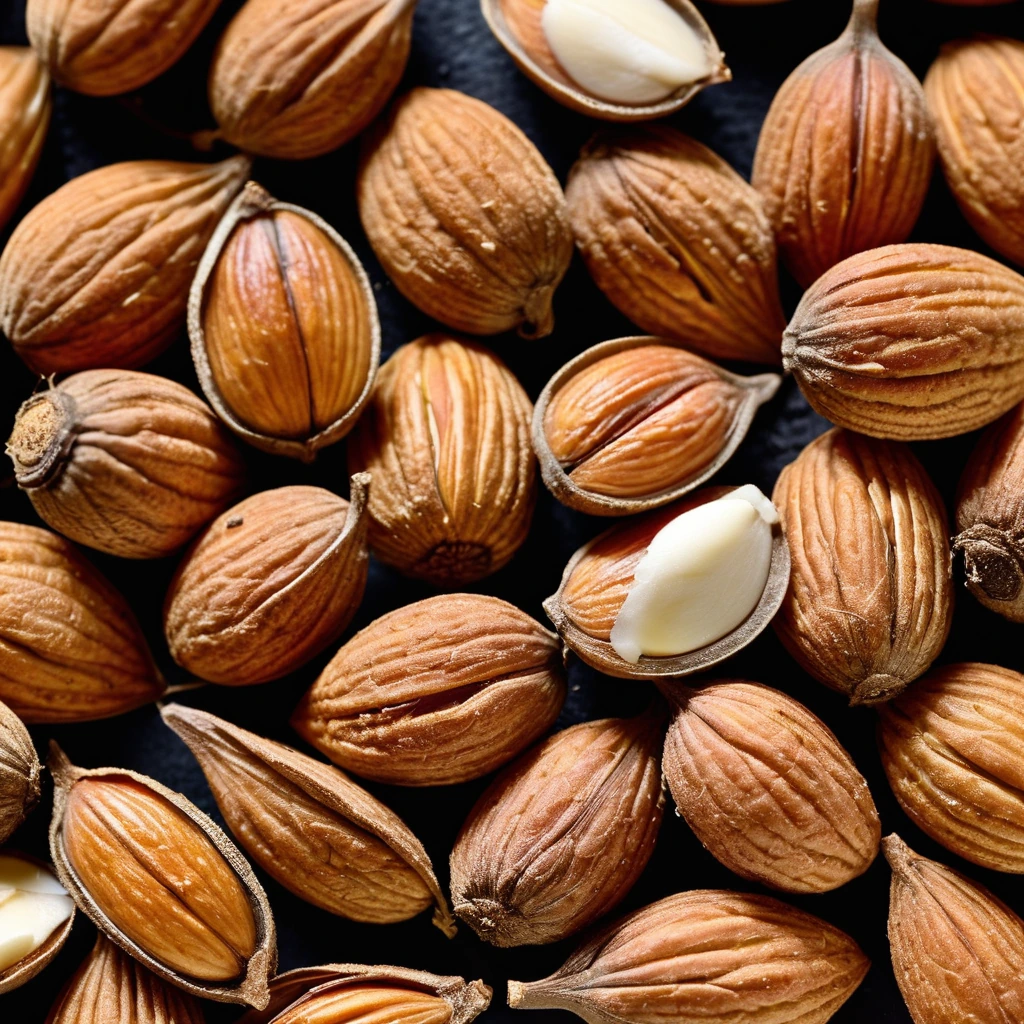
Almond Extract
A fragrant, golden elixir that captures the essence of freshly ground almonds, almond extract is a pantry staple that brings a rich, nutty aroma to your culinary creations.
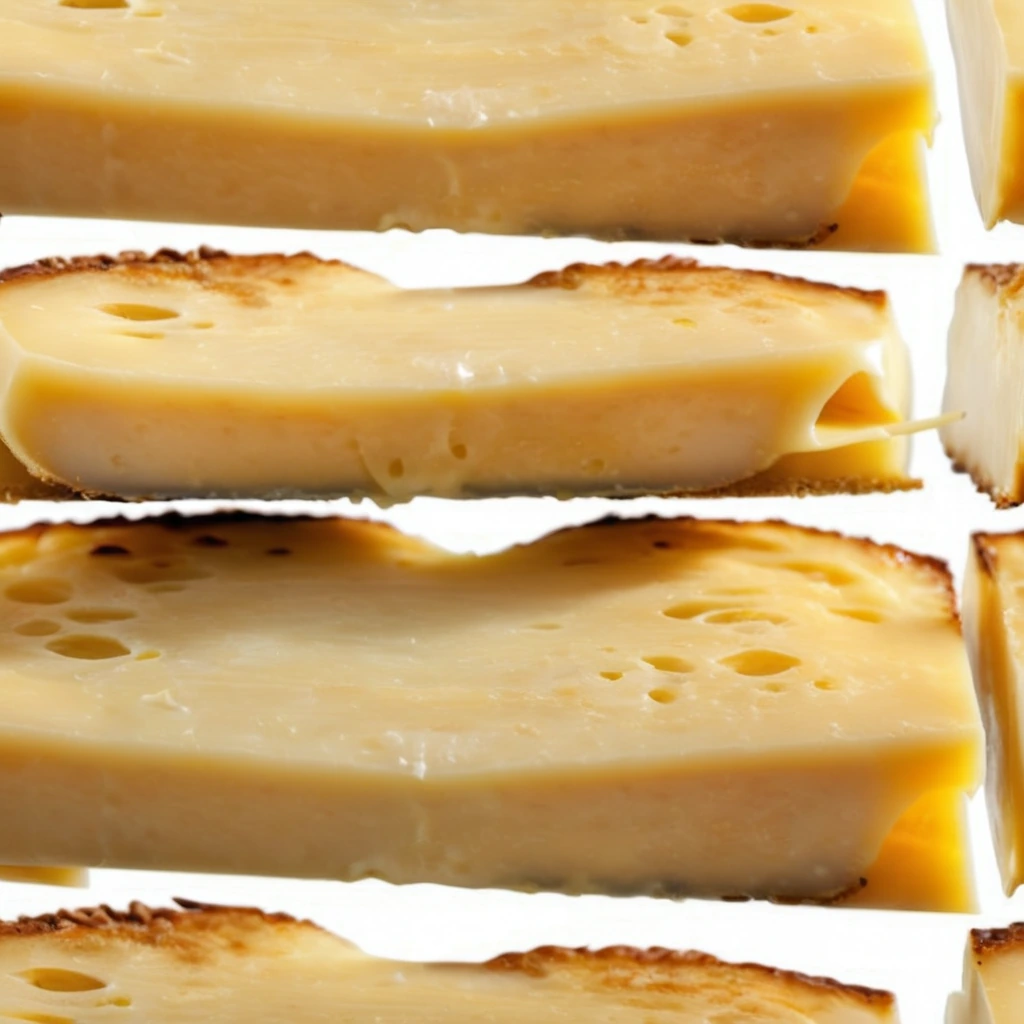
American Cheese Slices
Those iconic, perfectly pliable slices of creamy, mild American cheese. Each slice boasts a smooth, melt-in-your-mouth texture that brings comfort to any dish.
Recipes to try
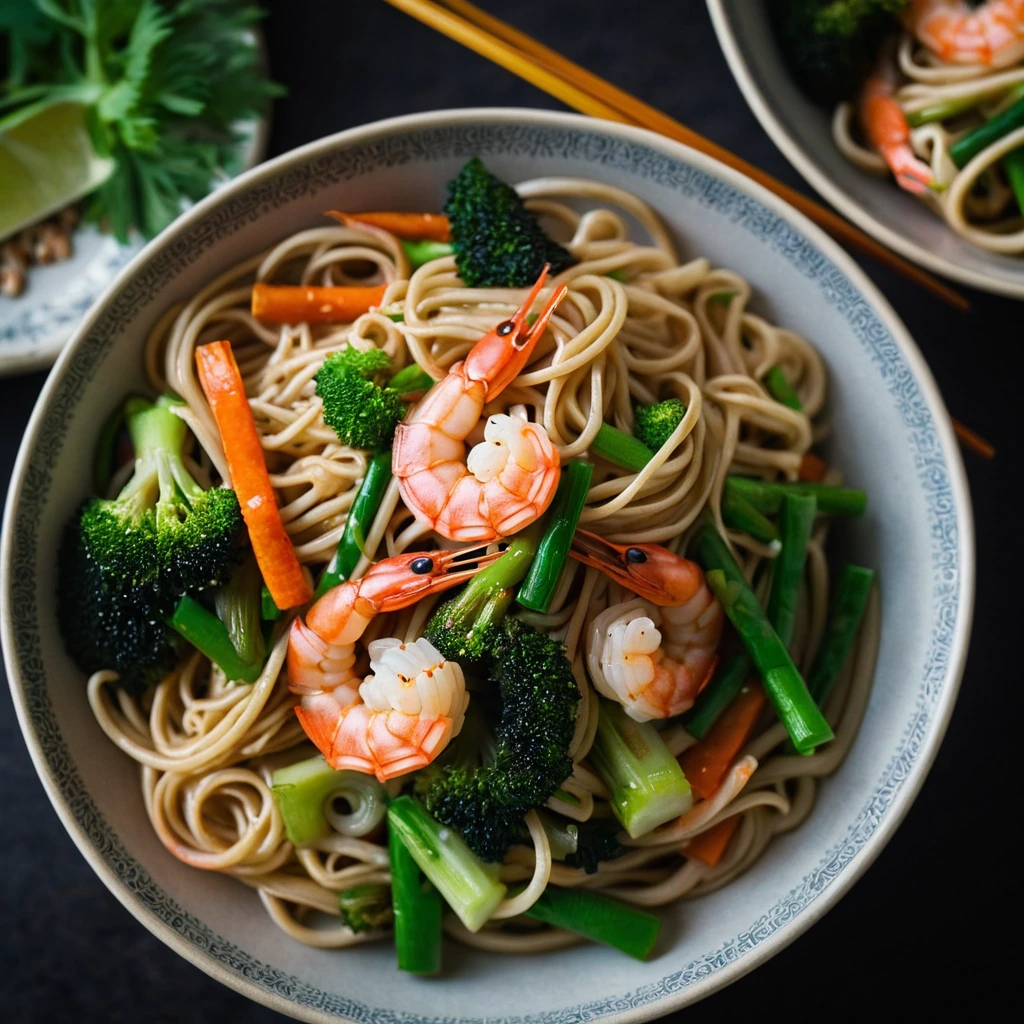
Shrimp and Veggie Lo Mein
Silky noodles twirled with succulent shrimp and a colorful medley of veggies in a savory sauce that'll have you slurping for more.
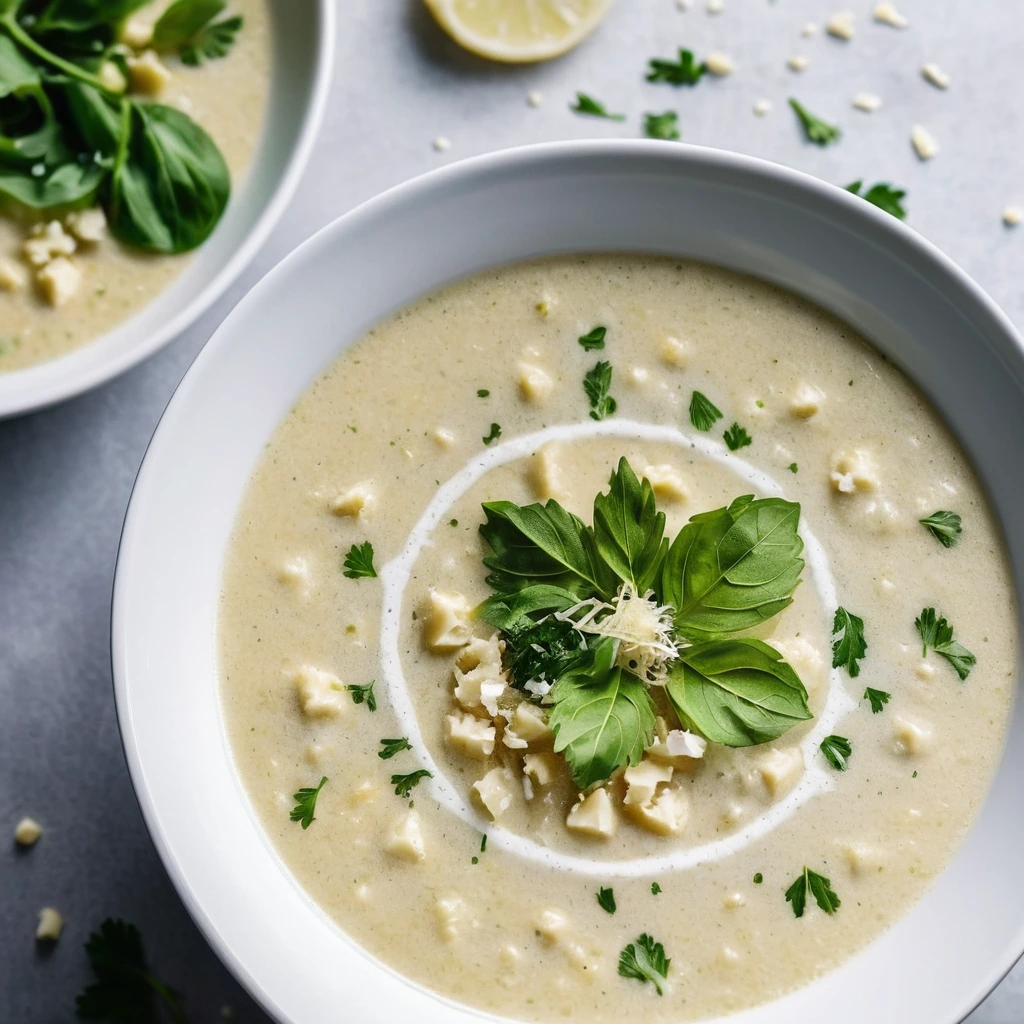
Roasted Cauliflower and Garlic Soup with Parmesan
This velvety soup is a symphony of roasted cauliflower and garlic, kissed with nutty Parmesan for a cozy, crave-worthy bowl.