Workflow Technique: Scaling Recipes Up and Down Confidently
Scaling recipes might seem daunting, but with a clear workflow technique, you can adjust any recipe to serve a crowd or just a couple with ease. Understanding the basics of scaling involves more than just multiplying or dividing ingredients; it requires a thoughtful approach to maintain flavor and texture balance. First, identify whether your recipe is ' Scalable'—those with fixed ratios like bread or cookies are easier to scale than complex dishes with delicate balances like soufflés. Next, consider ingredient behavior: some, like baking powder or salt, have a more pronounced effect at different volumes. Learn to adjust cooking times and temperatures accordingly, as larger batches may require longer cooking times or lower temperatures to cook evenly. Account for the capacity of your equipment; if you’re doubling a recipe, ensure your baking dish or pot is large enough to accommodate the increased volume. Finally, embrace flexibility and taste as you go, adjusting seasonings to personal preference. With practice, scaling recipes becomes second nature, allowing you to cook confidently for any occasion.
Notes
The science behind scaling lies in maintaining the correct ratios of ingredients to ensure consistent chemical reactions, particularly in baking. Common mistakes include not adjusting cooking times or temperatures, leading to undercooked or overcooked dishes. Safety is paramount when scaling up; ensure that food reaches safe internal temperatures when cooking larger quantities. For make-ahead considerations, remember that larger batches may take longer to cool and refrigerate safely. Store scaled recipes properly by dividing them into airtight containers to maintain freshness.
Steps
- 1 Review the original recipe and note all ingredients and their quantities.
- 2 Determine the scaling factor by dividing the desired yield by the original yield.
- 3 Multiply each ingredient quantity by the scaling factor.
- 4 Round ingredient quantities to practical measurements, like 1/4 or 1/3 cups.
- 5 Adjust seasonings cautiously, starting with 75% of the scaled amount.
- 6 Consider the capacity of your cookware and bakeware, and adjust if necessary.
- 7 Modify cooking times based on increased volume; start checking for doneness earlier.
- 8 Lower oven temperature by 25°F for larger batches to prevent over-browning.
- 9 For stovetop cooking, monitor heat levels closely to prevent scorching.
- 10 Taste and adjust seasoning towards the end of cooking, adding more if needed.
- 11 Record any adjustments for future reference to refine your scaled recipe.
Ingredients to explore
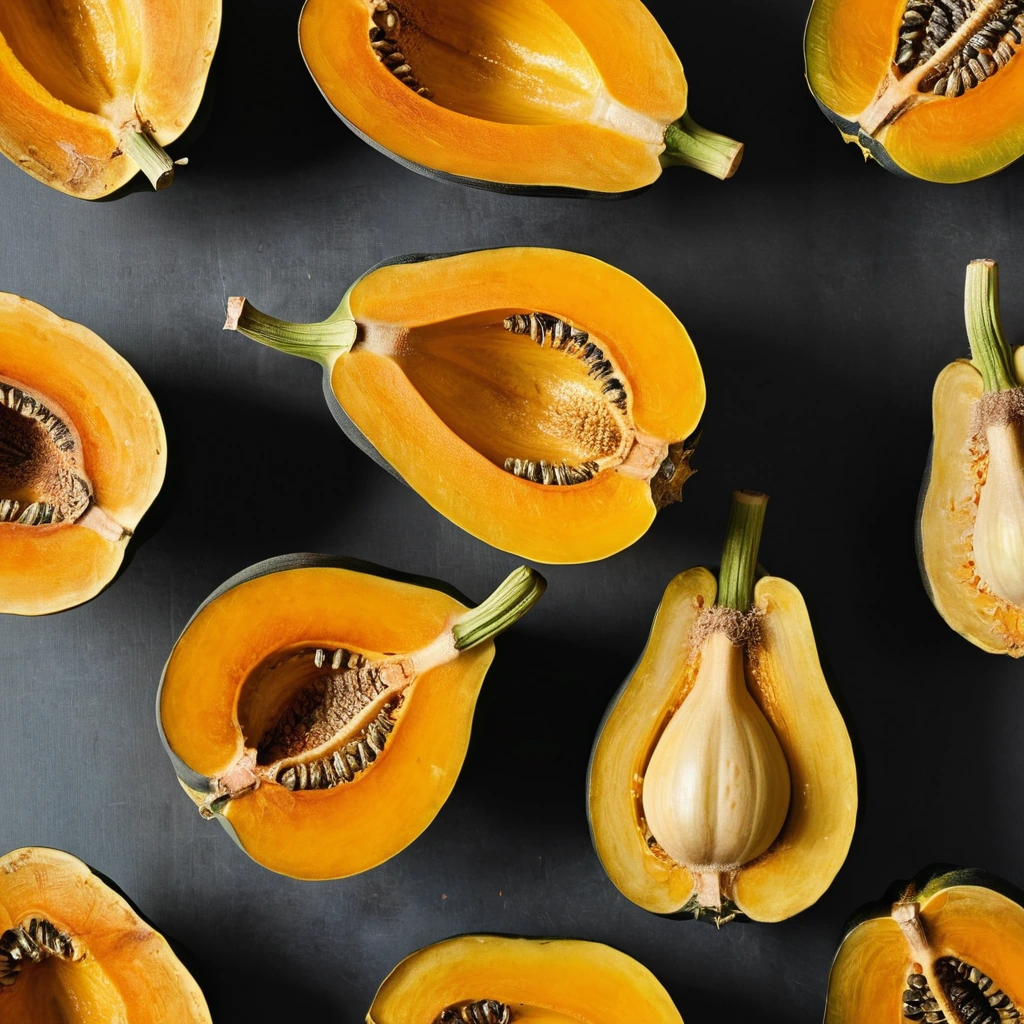
Acorn Squash
Acorn squash is a winter squash variety known for its distinctive teardrop shape and deep ridges resembling the texture of an acorn shell. Originating in the Americas, it has been cultivated for centuries and is a staple in autumn cuisine. The flesh is sweet and nutty with a hint of earthiness, offering a delightful contrast to savory dishes. Its texture is dense yet tender when cooked, making it ideal for roasting or pureeing. In cooking, acorn squash holds its shape well and absorbs flavors from herbs and spices, enhancing both its taste and versatility in recipes.
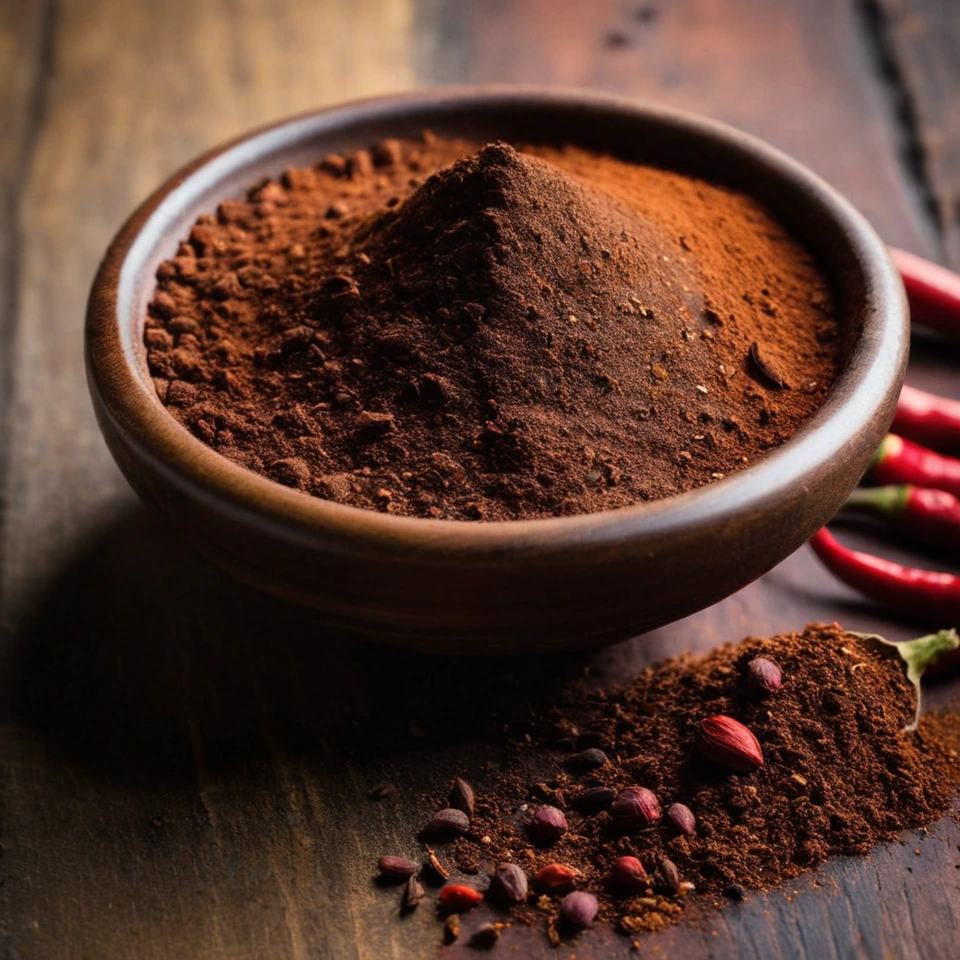
Ancho Chili Powder
Ancho chili powder offers a deep, smoky sweetness with hints of dried fruit and cocoa, reminiscent of its origin as dried poblano peppers from Mexico. Its aroma is warm and inviting, with a mild heat that lingers gently. The texture is fine and velvety, making it easy to incorporate into a variety of dishes. This powder is prized for its ability to add complexity without overwhelming spice, ideal for enriching both traditional Mexican moles and contemporary global cuisines.
Recipes to try
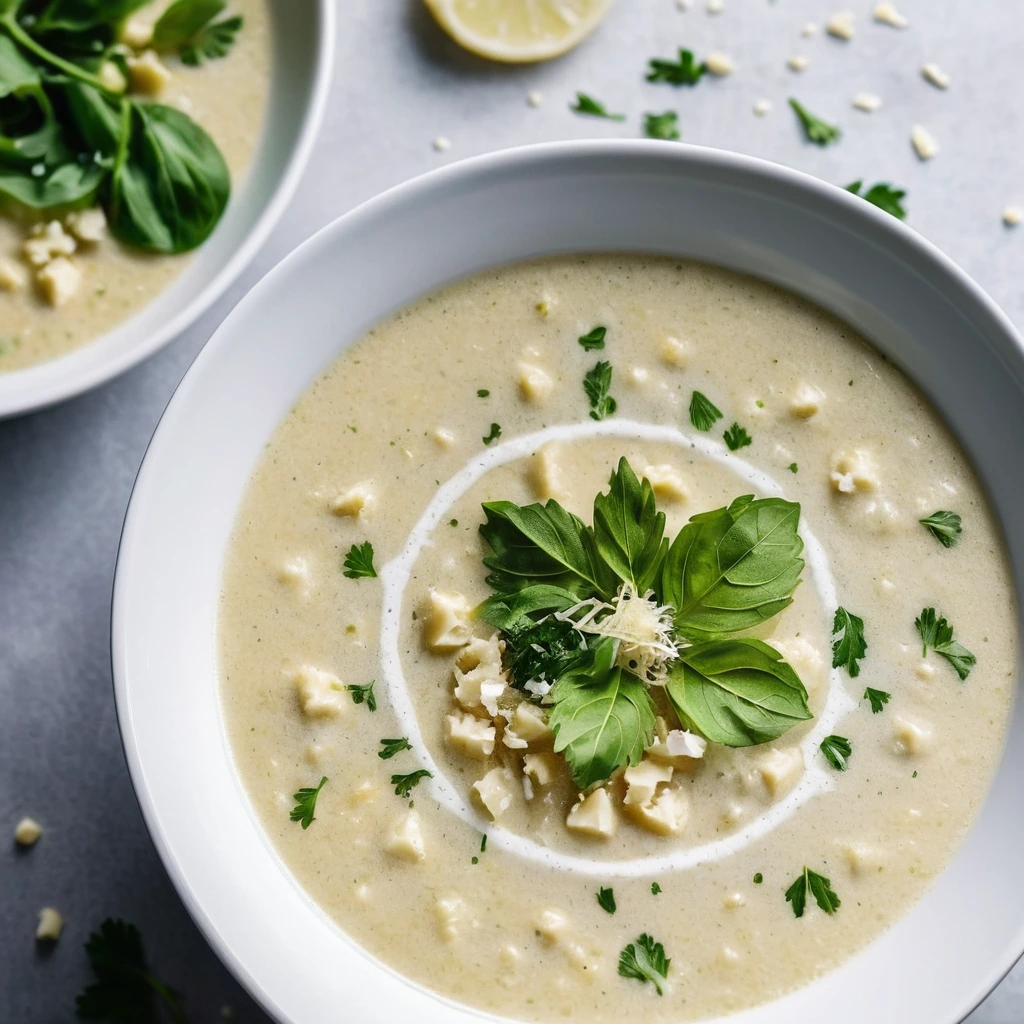
Roasted Cauliflower and Garlic Soup with Parmesan
This velvety soup is a symphony of roasted cauliflower and garlic, kissed with nutty Parmesan for a cozy, crave-worthy bowl.
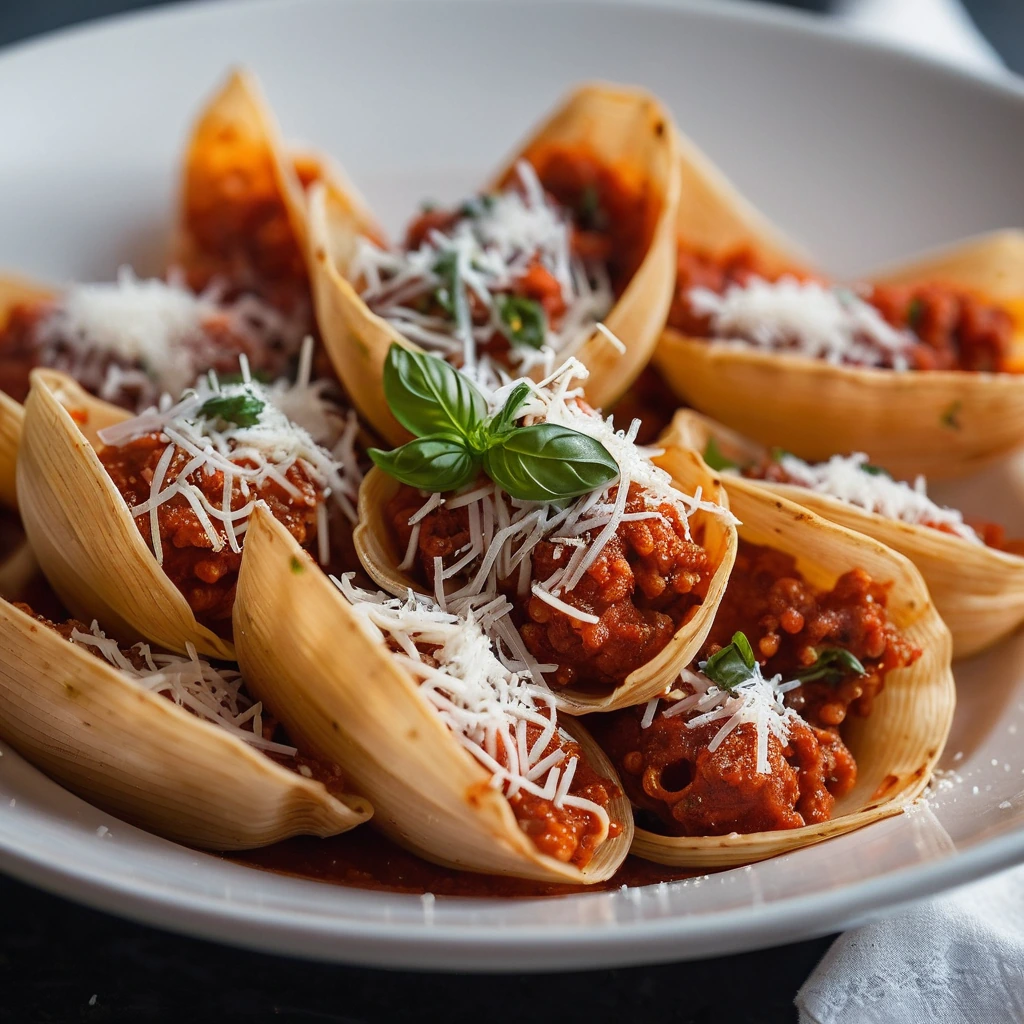
Spicy Arrabbiata Shells with Parmesan
Fiery and fresh, these pasta shells are smothered in a spicy tomato sauce and crowned with nutty Parmesan.