Workflow Technique: Minimizing Pan Swaps with Smart Sequencing
Efficiency in the kitchen is all about working smarter, not harder. Minimizing pan swaps with smart sequencing is a workflow technique that can transform your cooking experience. By planning your recipes with an eye for efficiency, you can reduce downtime, save energy, and keep your cooking space tidy. This technique is especially handy when preparing multi-component meals where timing and organization are key. First, understanding your recipe's flow is crucial. Break down each component and identify opportunities to use the same pan for multiple tasks. This could mean sautéing vegetables first, then using the same pan for searing meat after deglazing. Second, consider the heat requirements of each step. Tasks that require similar temperatures can be grouped together, reducing the need to adjust your stovetop constantly. Third, factor in the timing of each component. If one part of the meal needs to rest or simmer, use that time to prepare the next. This method not only streamlines your cooking but also enhances your culinary creativity by encouraging thoughtful planning. Lastly, always keep your mise en place ready, ensuring that all ingredients are prepped and within reach. This technique is a testament to the adage that preparation is the key to success in cooking. Embrace smart sequencing, and watch your kitchen workflow become a well-oiled machine.
Notes
The science behind minimizing pan swaps lies in optimizing thermal energy use and reducing inactive time. By keeping pans in use, you maintain their heat, which is more efficient than repeatedly heating and cooling them. A common mistake is starting with tasks that don't align with the recipe's timeline, leading to bottlenecks. To troubleshoot, always have a clear plan and be flexible to adjust as needed. Safety is paramount; ensure handles are turned inward and use oven mitts when handling hot pans. For make-ahead meals, consider components that can be prepared and stored separately, then assembled using smart sequencing just before serving. Proper storage in airtight containers can keep components fresh until ready to use.
Steps
- 1 Read through your entire recipe before starting.
- 2 List all components and identify common cooking vessels.
- 3 Group cooking tasks by pan type and heat requirement.
- 4 Prepare mise en place for all components in advance.
- 5 Begin with tasks requiring the longest cooking time.
- 6 Use the same pan for consecutive tasks whenever possible.
- 7 Deglaze the pan after sautéing vegetables before searing meat.
- 8 Simultaneously cook components that require similar temperatures.
- 9 Utilize downtime to prepare subsequent components.
- 10 Monitor cooking times to ensure all elements finish together.
- 11 Keep pans on warm burners if components need to finish at different times.
- 12 Clean pans as soon as they're free to maintain workspace efficiency.
- 13 Adjust sequence if multitasking becomes overwhelming.
Ingredients to explore
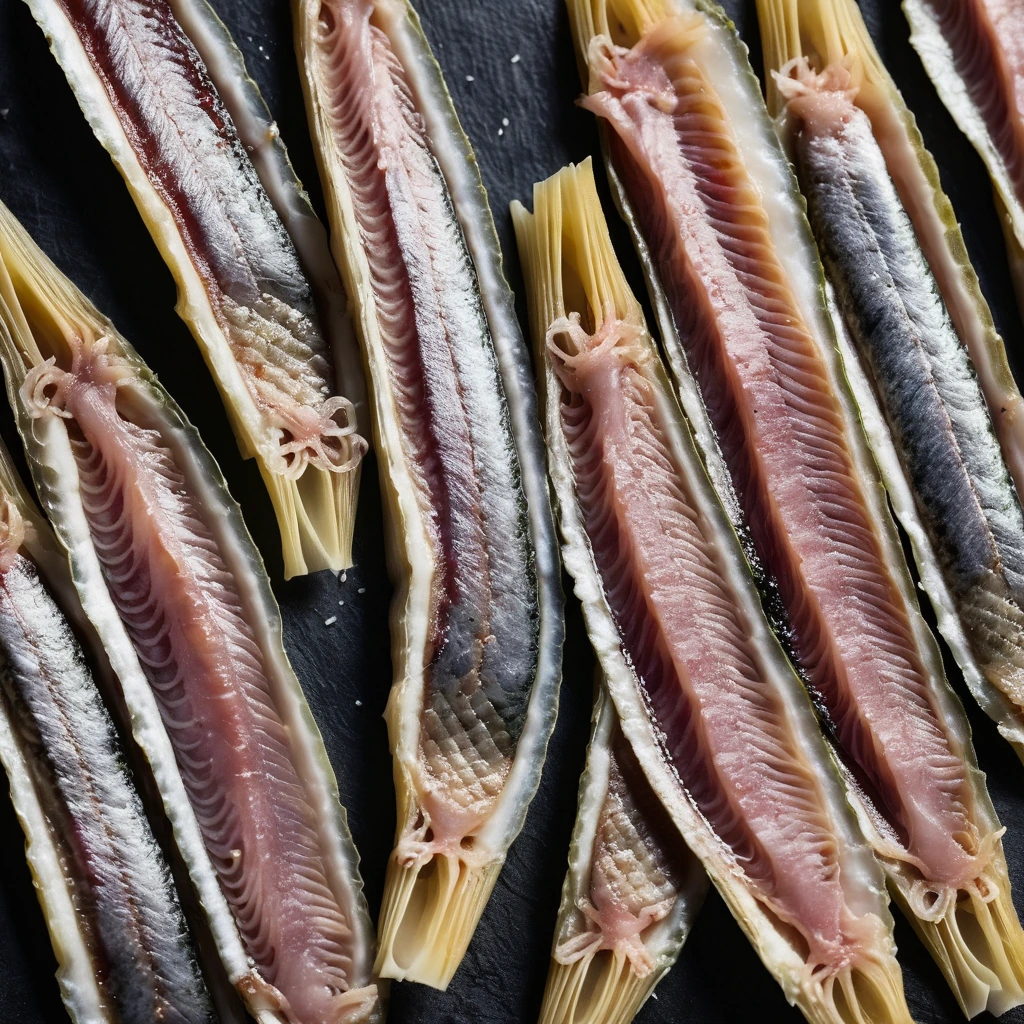
Anchovy Fillets
Silvery and succulent, anchovy fillets are a briny treasure from the sea. Their rich, umami flavor adds depth to dishes, making them a beloved ingredient in kitchens worldwide.
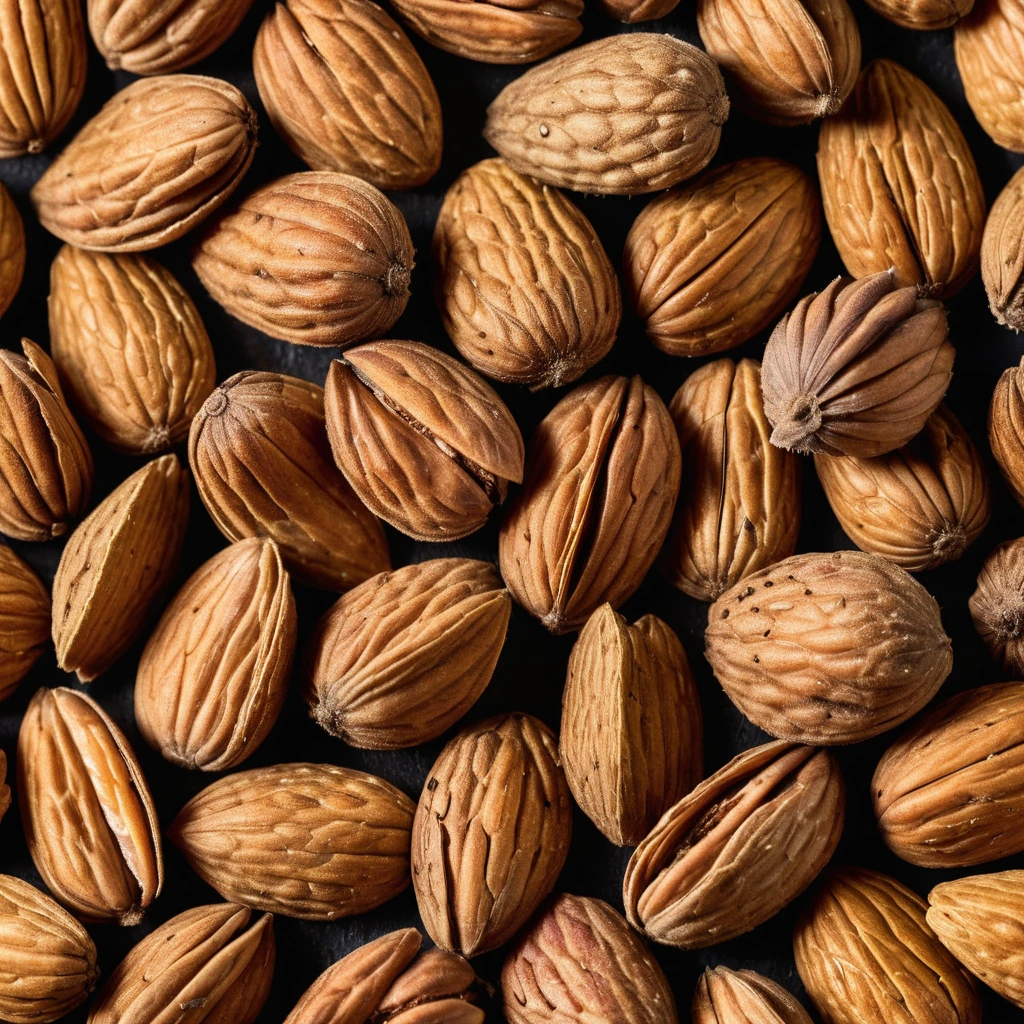
Almonds
With their golden-brown hue and delicate, edible skin, almonds are a crunchy delight. These versatile nuts boast a rich, buttery flavor that adds depth to both sweet and savory dishes.
Recipes to try
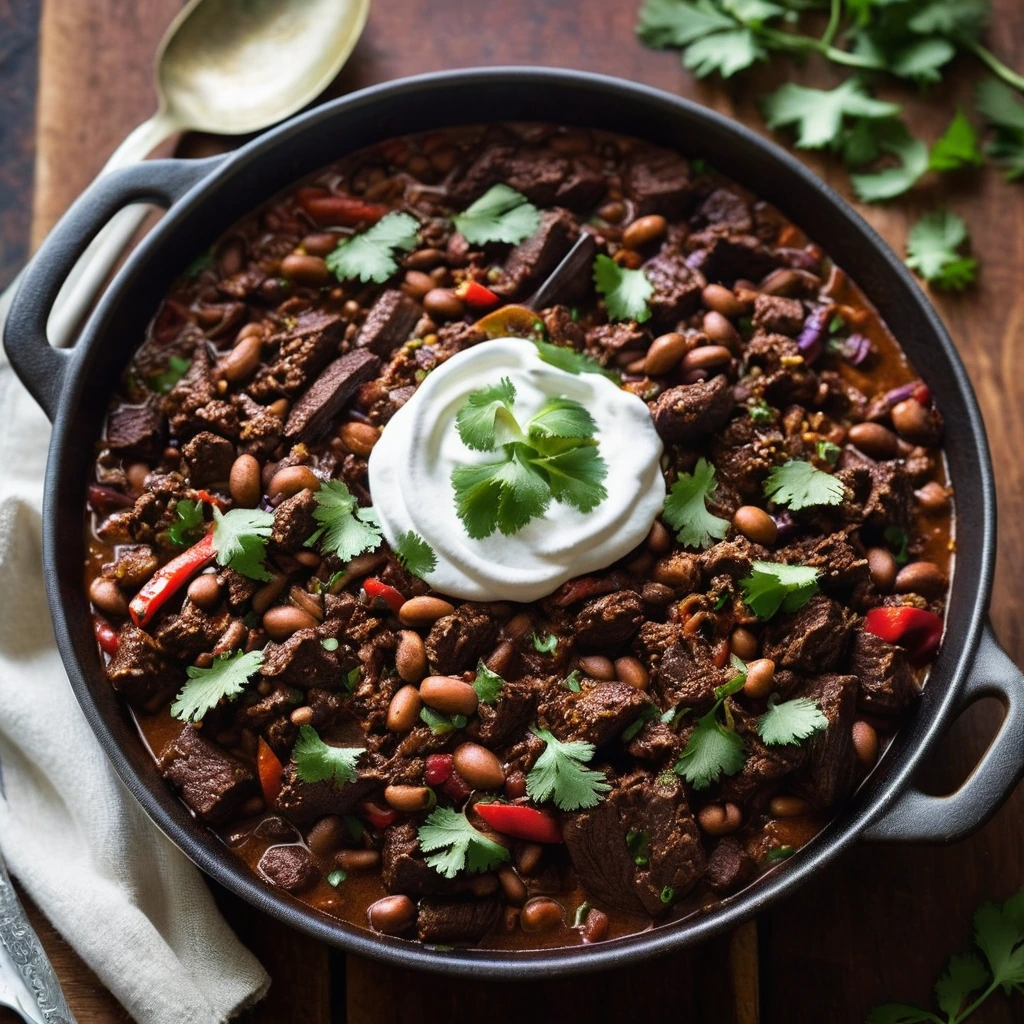
Smoky Ancho Chili Beef and Bean Skillet
Rich, smoky, and deeply satisfying, this skillet dish combines tender beef with hearty beans for a comforting meal.
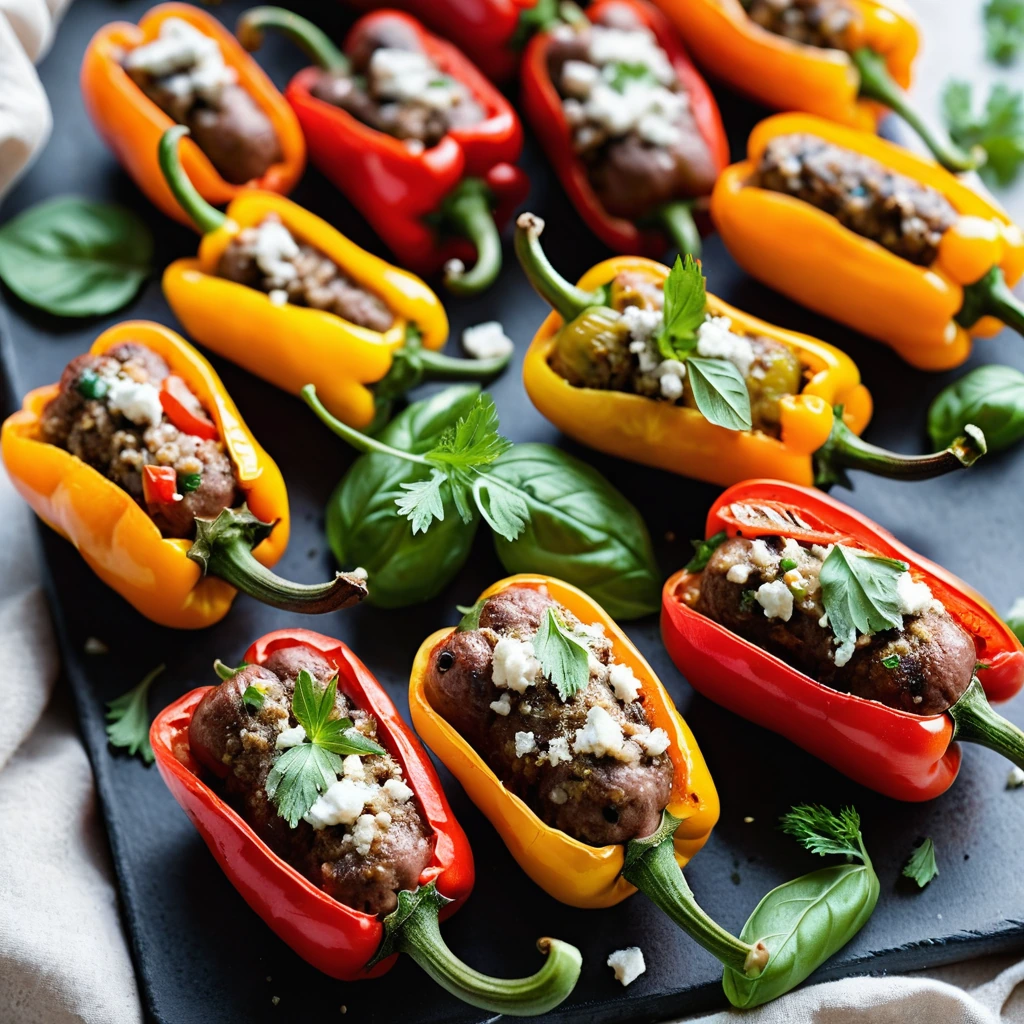
Sausage and Feta Stuffed Mini Peppers
These adorable mini peppers are packed with a savory blend of sausage and creamy feta, delivering a burst of flavor in every bite.