Workflow Technique: Choosing Recipes That Share Ingredients
Creating a meal plan can often feel like solving a complex puzzle, especially when you aim to minimize food waste and maximize efficiency in your kitchen. Enter the workflow technique of choosing recipes that share ingredients. This method not only saves you money but also streamlines your grocery shopping and cooking routine. By selecting recipes that overlap in ingredients, you can create a harmonious kitchen workflow where nothing goes to waste and everything comes together seamlessly. Let's dive into the art of selecting recipes that share common ingredients, transforming your meal planning from a chore to a delightful challenge. First, start by identifying versatile ingredients that can be used in multiple dishes, such as onions, garlic, bell peppers, chicken, or rice. These are the building blocks of many cuisines and can star in everything from stir-fries to soups. Second, consider the seasons. Seasonal produce is fresher, tastier, and often cheaper, making it an ideal candidate for recipe overlap. Third, explore cuisines that naturally share ingredients, like Mediterranean and Middle Eastern dishes which both feature olive oil, lemon, and chickpeas. Fourth, don't overlook the pantry staples like canned tomatoes, beans, and spices that can elevate multiple dishes without needing to be replenished frequently. Finally, use technology to your advantage by employing meal planning apps that suggest recipes based on shared ingredients. This technique requires a bit of planning upfront, but the payoff is a kitchen that hums with efficiency and a fridge that empties rather than overflows.
Notes
The science behind this workflow technique is simple: it minimizes waste and maximizes efficiency by reducing the number of single-use ingredients in your kitchen. One common mistake is overlooking the potential of pantry staples, which can bridge gaps between recipes. To troubleshoot, always have a stock of versatile items like olive oil, garlic, onions, and basic spices. Safety is crucial, so ensure perishable items are refrigerated promptly. For make-ahead, consider cooking large batches of shared ingredients like rice or roasting vegetables for multiple meals. Store these in airtight containers in the fridge for up to four days or freeze for longer storage.
Steps
- 1 Identify versatile ingredients common to multiple dishes.
- 2 Choose seasonal produce for freshness and cost efficiency.
- 3 Focus on cuisines that naturally share ingredients.
- 4 Leverage pantry staples like canned goods and spices.
- 5 Use meal planning apps to suggest recipes with shared ingredients.
- 6 Create a shopping list based on your selected recipes.
- 7 Shop once for all ingredients needed for the week.
- 8 Prep common ingredients in advance for easy cooking.
- 9 Cook recipes back-to-back that use the same prepped ingredients.
- 10 Store leftovers properly for future meals or creative repurposing.
Ingredients to explore

Acorn Squash
Acorn squash is a winter squash variety known for its distinctive teardrop shape and deep ridges resembling the texture of an acorn shell. Originating in the Americas, it has been cultivated for centuries and is a staple in autumn cuisine. The flesh is sweet and nutty with a hint of earthiness, offering a delightful contrast to savory dishes. Its texture is dense yet tender when cooked, making it ideal for roasting or pureeing. In cooking, acorn squash holds its shape well and absorbs flavors from herbs and spices, enhancing both its taste and versatility in recipes.
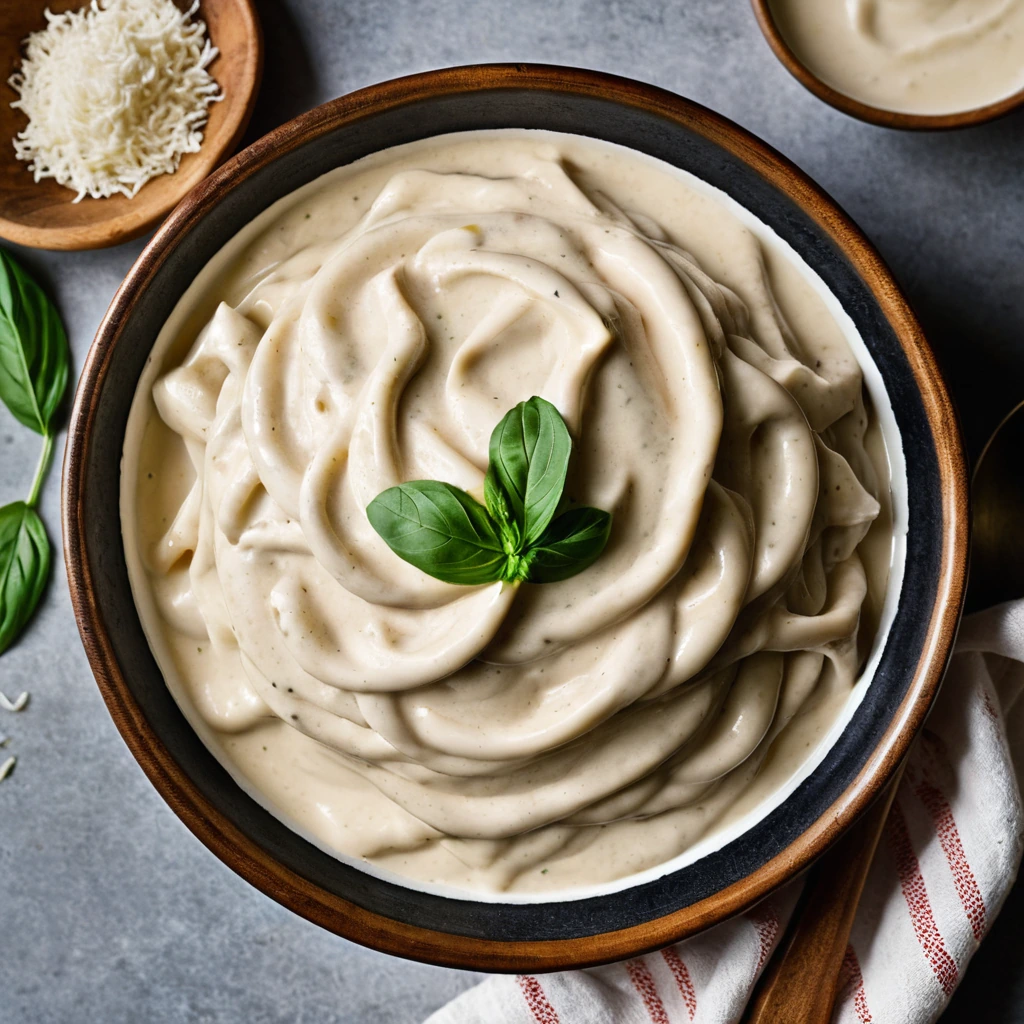
Alfredo Sauce
Creamy, rich, and utterly indulgent, Alfredo sauce is a dreamy blend of butter, heavy cream, and Parmesan cheese. Its velvety texture and savory depth make it a beloved staple in Italian-American cuisine.
Recipes to try
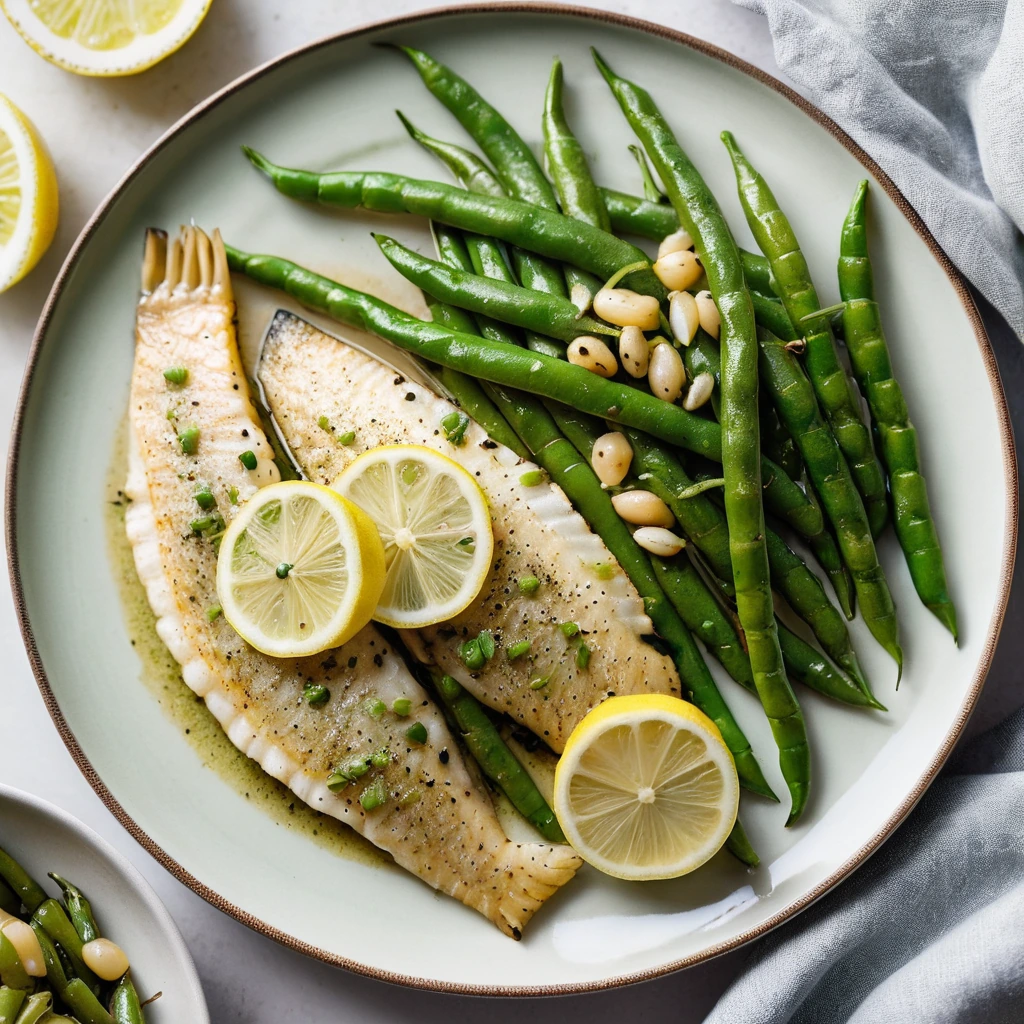
Lemon Pepper Tilapia with Garlic Green Beans
Zesty lemon pepper tilapia fillets served with garlicky, tender-crisp green beans make for a bright and satisfying weeknight meal.
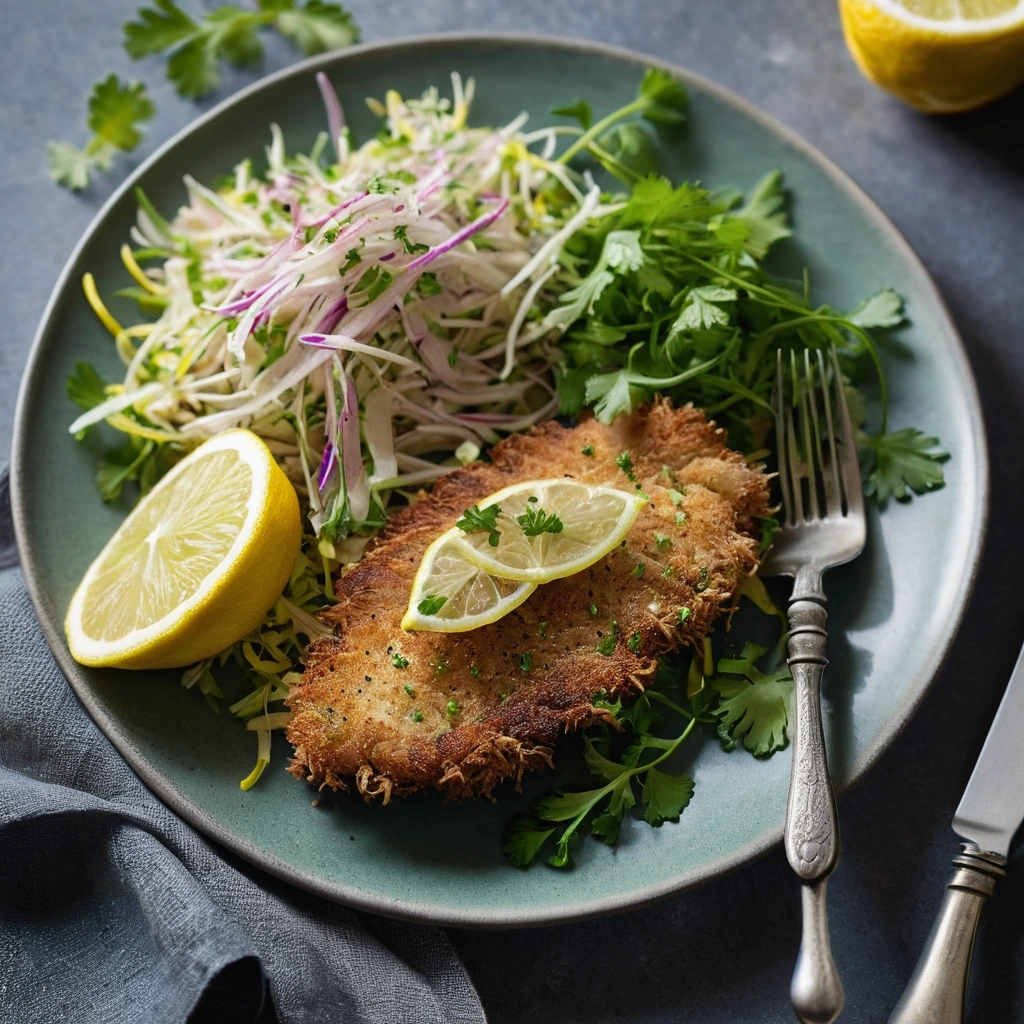
Pork Schnitzel with Lemon and Parsley Slaw
Golden, crispy pork schnitzel served with a refreshing, zesty lemon and parsley slaw that'll brighten your dinner table.