Workflow Technique: Building Flavor in Layers Instead of All at Once
Building flavor in layers is a culinary approach that transforms ordinary dishes into extraordinary experiences. This technique involves adding ingredients and flavors incrementally throughout the cooking process, rather than combining everything at once. By doing so, each component has time to develop and meld with others, creating a symphony of tastes and aromas. This method is akin to composing a song, where each note is carefully placed to create harmony. It requires patience and planning, but the rewards are well worth the effort. Layering flavors allows you to control the intensity of each ingredient, ensuring that no single element overwhelms the dish. It also enables you to balance the elements of taste: sweet, salty, sour, bitter, and umami. Whether you're making a complex curry, a simple soup, or a braised meat dish, building flavor in layers can elevate your cooking to a professional level. This technique is not just about adding more ingredients; it's about understanding the role each plays in the overall composition of the dish. It's about knowing when to introduce herbs, spices, acids, and fats to achieve the desired result. This approach also allows for creativity and experimentation, encouraging you to explore how different flavors interact and evolve over time.
Notes
Building flavor in layers works because it allows each ingredient to contribute its unique profile without being lost in a muddled mix. The science behind this lies in the Maillard reaction and caramelization, which occur when ingredients are cooked at specific temperatures, enhancing their natural flavors. Common mistakes include adding all ingredients at once or cooking everything at high heat, which can lead to overpowered or burnt flavors. To troubleshoot, taste frequently and adjust as you go. Safety is key, especially when working with hot oils and liquids, so always use caution. For make-ahead meals, layer flavors up to the point of simmering, then refrigerate and finish cooking later. Store leftovers in airtight containers for up to 3 days.
Steps
- 1 Start with a base of aromatics, such as onions, garlic, and celery, sautéed in oil or butter.
- 2 Cook the aromatics until softened and fragrant, usually 5 to 7 minutes over medium heat.
- 3 Add spices and seasonings to the aromatics, stirring constantly for 1 to 2 minutes to release their oils.
- 4 Incorporate a liquid base, like stock or water, to deglaze the pan and capture all the flavorful bits.
- 5 Simmer the mixture gently for 10 to 15 minutes to allow the flavors to meld.
- 6 Layer in vegetables or proteins, cooking until partially done before adding more delicate ingredients.
- 7 Add herbs and delicate seasonings in the final stages of cooking to preserve their freshness and flavor.
- 8 Finish with acids, like lemon juice or vinegar, to brighten the dish right before serving.
- 9 Taste and adjust seasoning as needed, balancing sweet, salty, sour, bitter, and umami elements.
Ingredients to explore
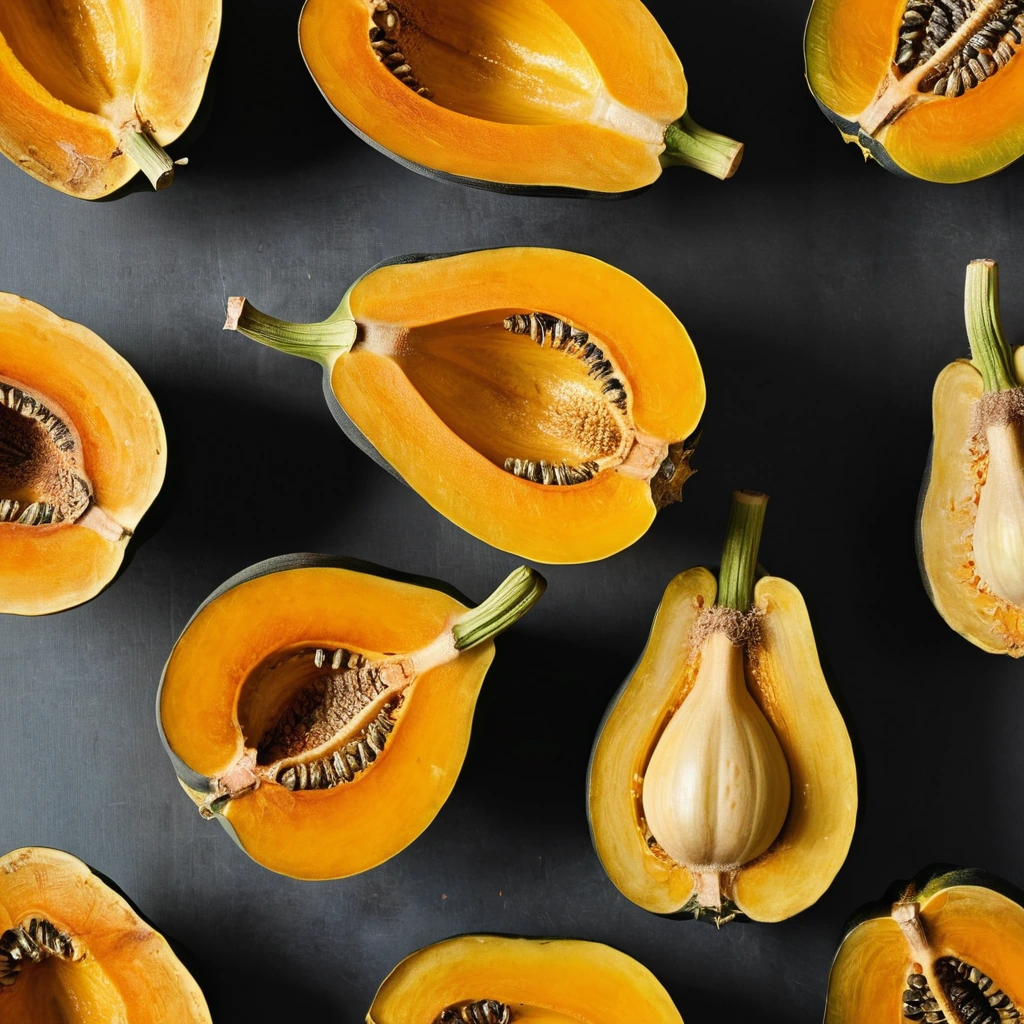
Acorn Squash
Acorn squash is a winter squash variety known for its distinctive teardrop shape and deep ridges resembling the texture of an acorn shell. Originating in the Americas, it has been cultivated for centuries and is a staple in autumn cuisine. The flesh is sweet and nutty with a hint of earthiness, offering a delightful contrast to savory dishes. Its texture is dense yet tender when cooked, making it ideal for roasting or pureeing. In cooking, acorn squash holds its shape well and absorbs flavors from herbs and spices, enhancing both its taste and versatility in recipes.

Anaheim Peppers
Anaheim peppers are a mild chili pepper variety named after Anaheim, California, where they were first cultivated commercially. Originating from the New Mexico region, these peppers are celebrated for their versatility and gentle heat. They possess a flavor that is mildly sweet with a subtle tang, and a pleasant vegetal note reminiscent of green bell peppers, but with a hint of spice. Their texture is firm and crisp when fresh, becoming tender and slightly smoky when roasted or cooked. In cooking, Anaheim peppers behave well across a range of techniques, from grilling and roasting to stuffing and sautéing, contributing a nuanced depth without overwhelming other ingredients with heat.
Recipes to try
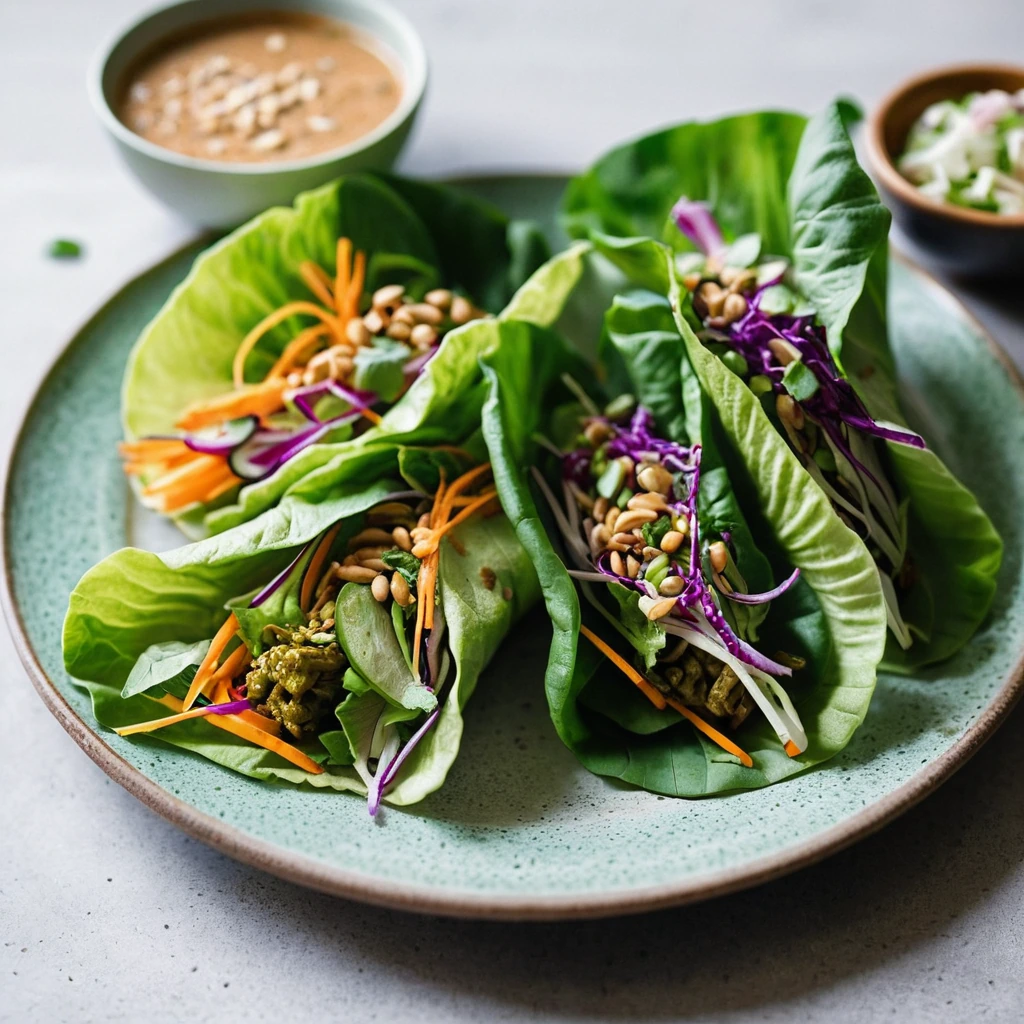
Thai Peanut Veggie Lettuce Wraps
Crispy, fresh veggies hugged by buttery lettuce leaves, drizzled with a creamy, tangy peanut sauce that'll make your taste buds do the tango.
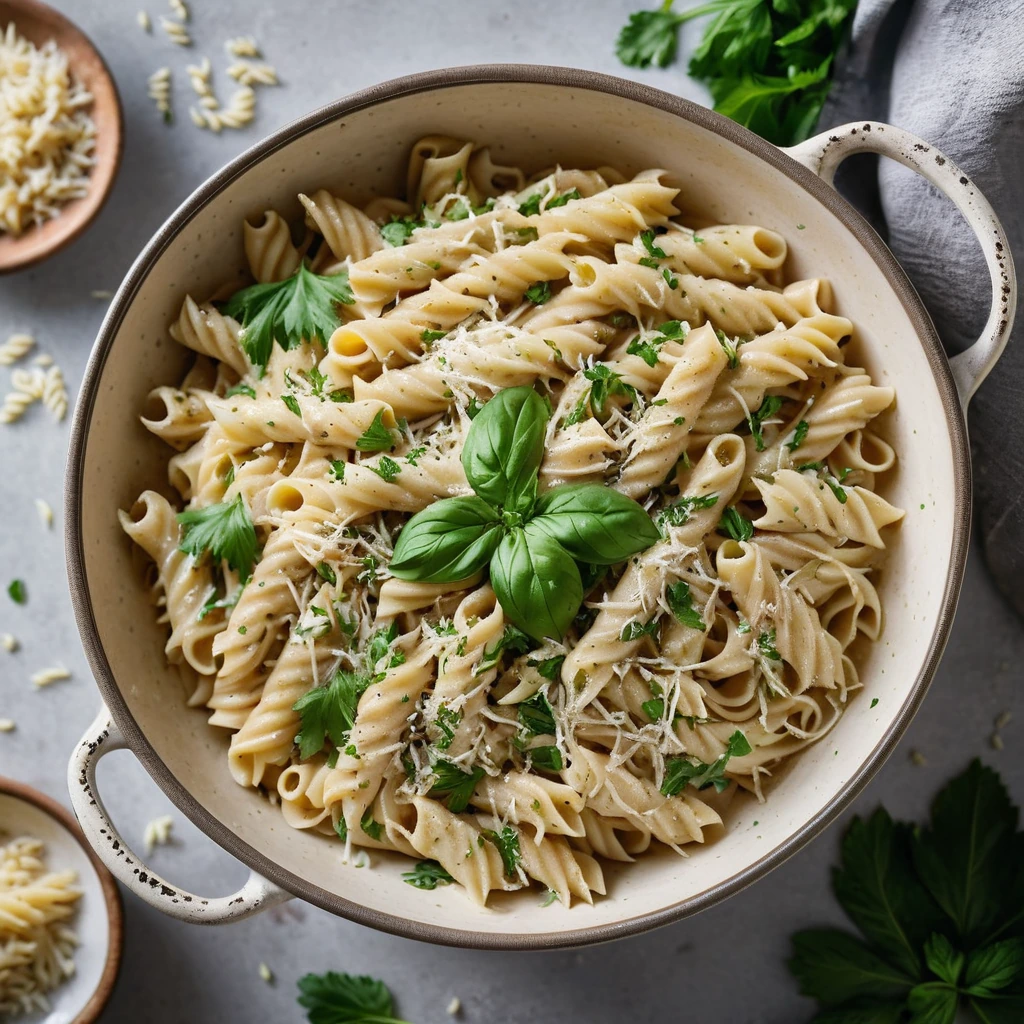
One-Pot Creamy Garlic Parmesan Chicken Pasta
Tender chicken and al dente pasta swim in a luscious, garlicky Parmesan sauce—all in one pot for a fuss-free family feast.