Vegetables: Spiralizing Zucchini Without Soggy Noodles
Spiralizing zucchini is a fantastic way to enjoy a low-carb pasta alternative, but nobody wants soggy zucchini noodles. The key to perfect zucchini spirals lies in understanding how to handle the vegetable's high water content. When you spiralize zucchini, you expose a large surface area, which can lead to moisture release and limp noodles if not managed properly. The technique involves selecting the right zucchini, using the correct tools, and employing strategies to minimize moisture loss. Firstly, pick firm, young zucchinis for the best texture. Older zucchinis can be watery and stringy. Secondly, use a high-quality spiralizer with sharp blades to ensure clean cuts that don't crush the zucchini. Thirdly, immediately after spiralizing, toss the noodles with a bit of salt to draw out excess moisture. Allow them to rest for about 10 minutes before patting them dry with a clean kitchen towel or paper towels. Cooking the noodles just until tender, whether sautéing, roasting, or blanching, helps preserve their structure. Additionally, incorporating them into dishes at the last minute prevents overcooking and sogginess. Understanding these steps ensures your zucchini noodles remain al dente and vibrant, just like the pasta you crave but with a garden-fresh twist.
Notes
The science behind this technique is simple: salting and resting allows osmosis to draw moisture out of the zucchini cells, while patting them dry removes surface water that can lead to sogginess. To troubleshoot, ensure your spiralizer blades are sharp to avoid crushing the zucchini. A common mistake is overcooking the noodles; they should be tender but still offer a slight bite. Safety is key when using a spiralizer—always follow the manufacturer’s instructions and use the provided hand guard. For storage, keep spiralized zucchini in an airtight container in the refrigerator for up to 24 hours. While they're best fresh, a quick reheat can revive their texture.
Steps
- 1 Select firm, young zucchinis with smooth skin.
- 2 Wash and dry the zucchinis thoroughly.
- 3 Attach the desired blade to your spiralizer.
- 4 Spiralize the zucchini lengthwise into noodles.
- 5 Transfer the noodles to a clean kitchen towel or paper towels.
- 6 Sprinkle a pinch of salt over the noodles and toss to coat.
- 7 Let the noodles rest for 10 minutes to draw out moisture.
- 8 Gently pat the noodles dry with a towel to remove excess water.
- 9 Heat a pan to medium heat and add a tablespoon of olive oil.
- 10 Sauté the zucchini noodles for 2-3 minutes, or until just tender.
- 11 Alternatively, roast the noodles at 400°F for 8-10 minutes.
- 12 For raw dishes, marinate the dried noodles briefly before serving.
- 13 Add the noodles to your dish just before serving to maintain texture.
- 14 Enjoy your perfectly spiralized zucchini noodles!
Ingredients to explore
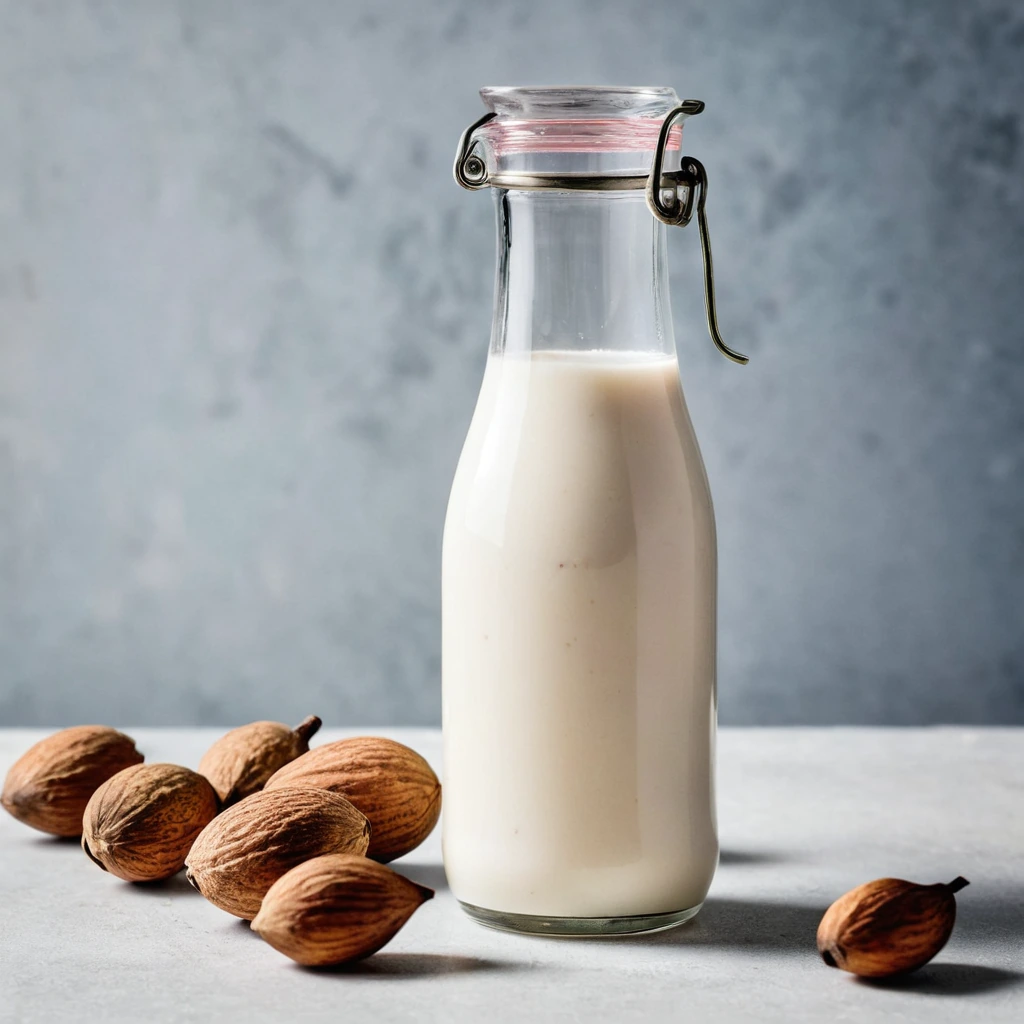
Almond Milk
Almond milk is a plant-based milk alternative made from ground almonds and water. Originating from traditional recipes in medieval Europe and the Middle East, it has gained widespread popularity in modern times as a dairy-free option. Almond milk has a subtly nutty flavor with a mild sweetness, and its aroma is reminiscent of fresh almonds. Its texture is smooth and creamy, though typically lighter than dairy milk. In cooking, almond milk behaves well in both savory and sweet applications, though it does not brown or caramelize like dairy milk. It is often used in cereals, smoothies, and baking, where its delicate flavor complements rather than overpowers other ingredients.
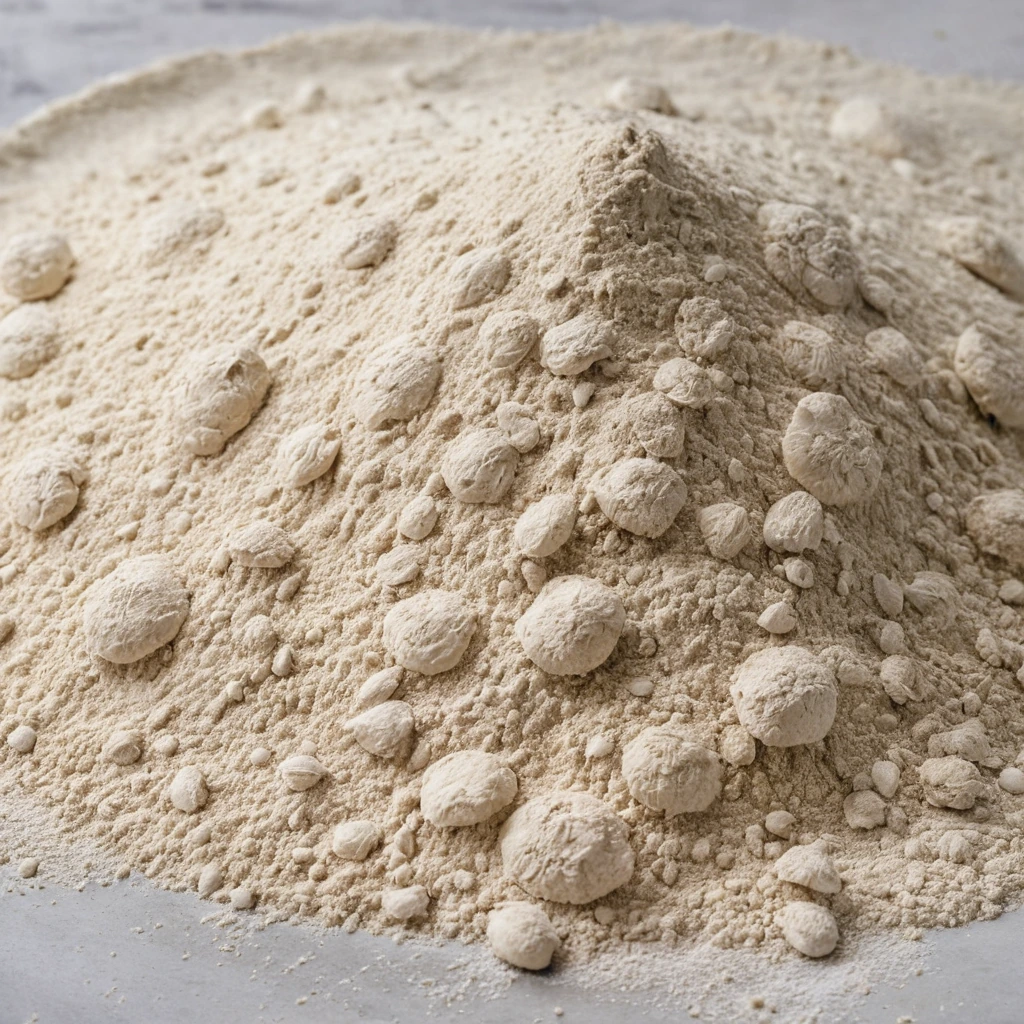
00 Pizza Flour
00 pizza flour is a finely milled Italian flour prized for its versatility in creating authentic Neapolitan-style pizza crusts. Originating from Italy, it is milled to a very fine consistency, which is reflected in its name, 'doppio zero,' indicating its fine grind. This flour has a balanced flavor profile, offering a mild, slightly sweet taste with a subtle nuttiness. Its texture is silky and smooth, contributing to a tender yet chewy crust when used in pizza making. In cooking, 00 pizza flour is known for its ability to hydrate quickly and develop a desirable gluten structure, resulting in a light and airy crust that can withstand high-heat cooking without becoming overly crispy or hard.
Recipes to try
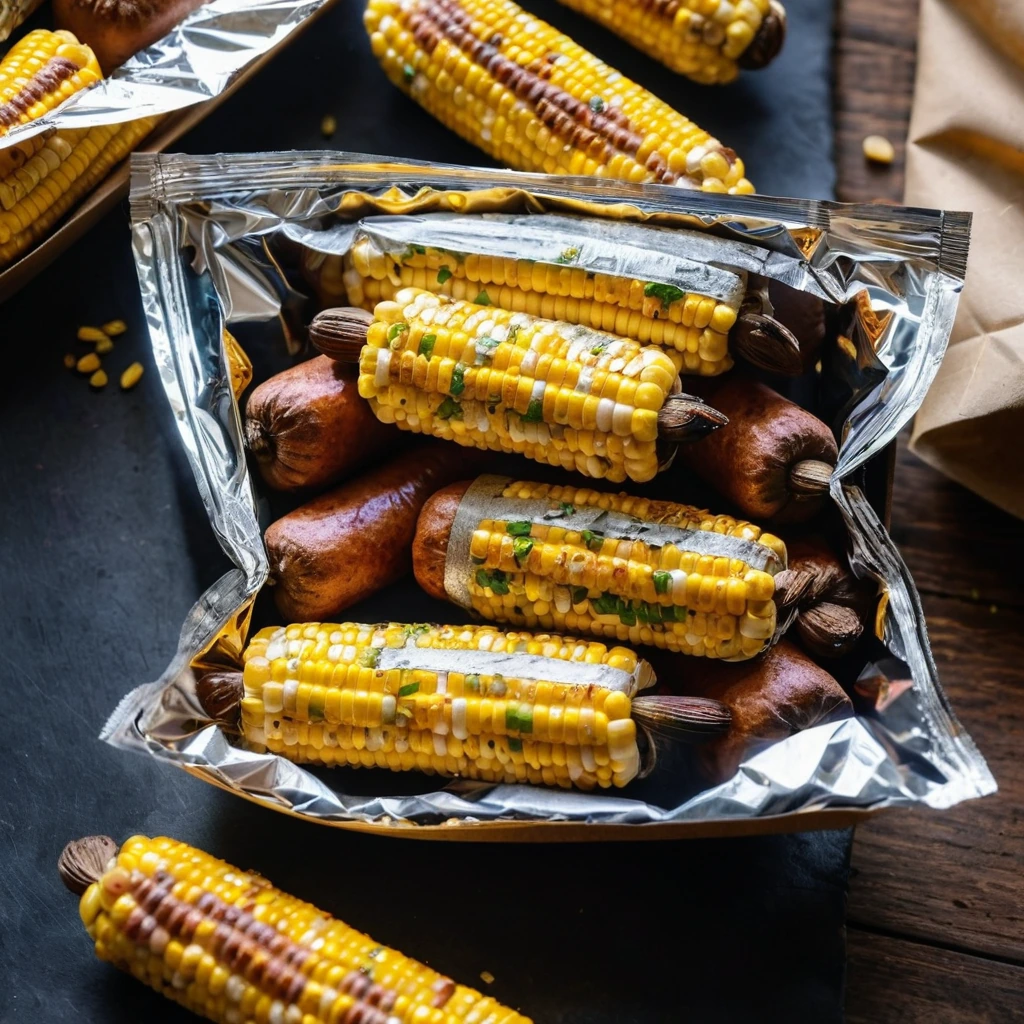
Smoky Sausage, Corn, and Potato Foil Packets
Imagine the smoky aroma of grilled sausage mingling with sweet corn and tender potatoes, all wrapped up in a neat foil packet.
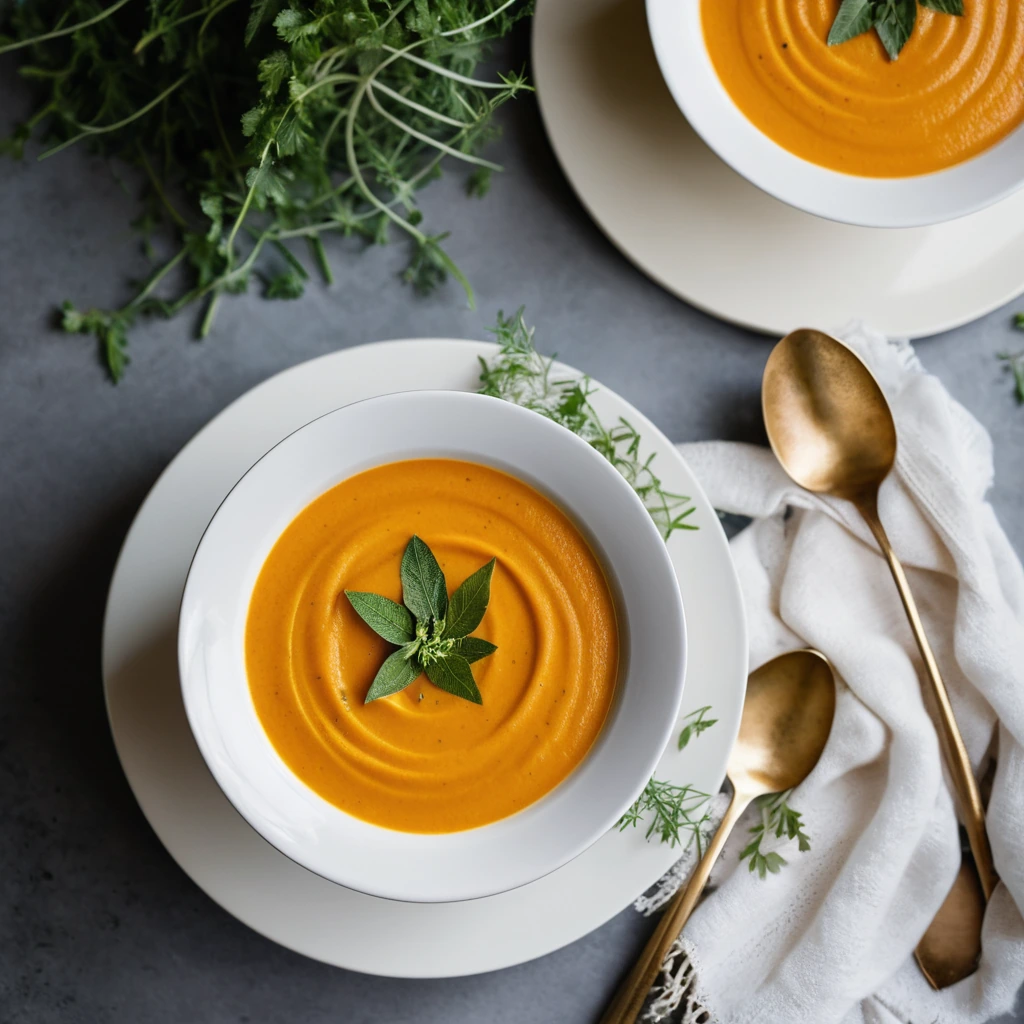
Pumpkin and Sweet Potato Bisque
Creamy and comforting, this bisque marries the earthy sweetness of pumpkin with the subtle nuttiness of sweet potato.