Vegetables: Shaving Vegetables for Raw Salads
Shaving vegetables for raw salads is a technique that transforms ordinary produce into elegant, delicate slices that elevate any dish. This method not only enhances the visual appeal but also preserves the natural crunch and vibrant flavors of the vegetables. Shaving is ideal for vegetables like carrots, radishes, and beets, offering a more uniform texture than chopping or grating. This technique requires precision and the right tools to achieve paper-thin slices that are perfect for layering in salads, garnishing dishes, or even adding a fresh twist to tacos and wraps. The key to successful vegetable shaving lies in selecting the appropriate tools, understanding the characteristics of different vegetables, and mastering the technique to ensure consistency and safety. Whether you're a seasoned cook or a kitchen novice, learning to shave vegetables opens up a world of culinary creativity and presentation possibilities.
Notes
The science behind shaving vegetables lies in the cell structure of the produce. Thin slices expose more surface area, enhancing flavor absorption while retaining crunch. A common mistake is using a dull peeler, which can cause uneven slices and increase the risk of injury. Always prioritize safety by using guards on mandolines and working slowly to build confidence. For make-ahead convenience, store shaved vegetables in an airtight container with a paper towel to absorb excess moisture. They can typically last up to 24 hours in the refrigerator, though they're best enjoyed fresh.
Steps
- 1 Select firm, fresh vegetables suitable for shaving, such as carrots, radishes, or beets.
- 2 Wash and peel the vegetables thoroughly to remove any dirt or imperfections.
- 3 Secure a sharp vegetable peeler or a mandoline slicer with a guard for safety.
- 4 Hold the vegetable firmly with one hand and use the peeler or mandoline with the other.
- 5 Begin shaving from the top of the vegetable, applying gentle, even pressure.
- 6 Rotate the vegetable as you shave to maintain consistent thickness.
- 7 Continue until you reach the core or the slices become too thin.
- 8 Transfer the shavings to a bowl of cold water to crisp them up, if desired.
- 9 Drain and dry the shavings with a clean kitchen towel or salad spinner.
- 10 Toss the shavings with your favorite salad greens, dressings, and additional toppings.
- 11 Arrange the shavings artfully on plates for a visually stunning presentation.
- 12 Serve immediately to enjoy the maximum crunch and freshness.
- 13 Clean your tools thoroughly after use to prevent rust or bacterial growth.
Ingredients to explore
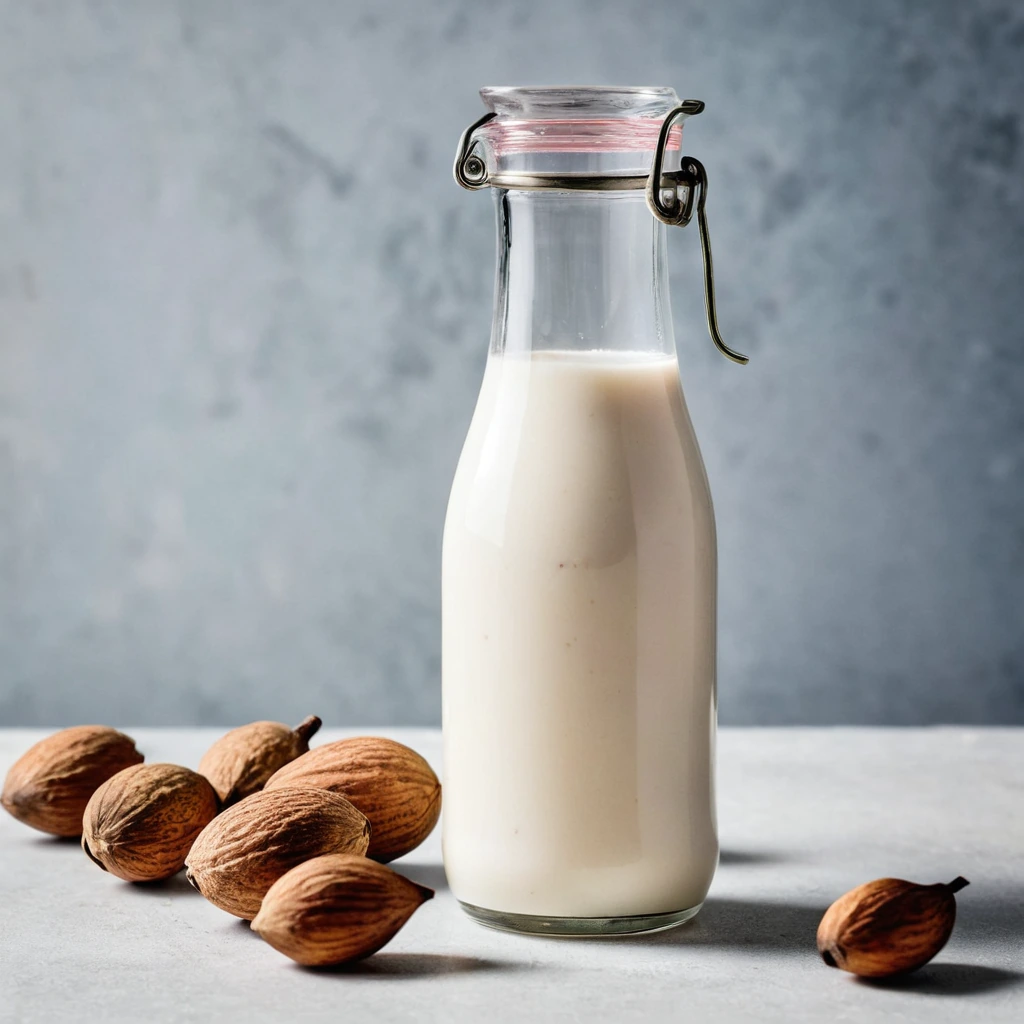
Almond Milk
Almond milk is a plant-based milk alternative made from ground almonds and water. Originating from traditional recipes in medieval Europe and the Middle East, it has gained widespread popularity in modern times as a dairy-free option. Almond milk has a subtly nutty flavor with a mild sweetness, and its aroma is reminiscent of fresh almonds. Its texture is smooth and creamy, though typically lighter than dairy milk. In cooking, almond milk behaves well in both savory and sweet applications, though it does not brown or caramelize like dairy milk. It is often used in cereals, smoothies, and baking, where its delicate flavor complements rather than overpowers other ingredients.
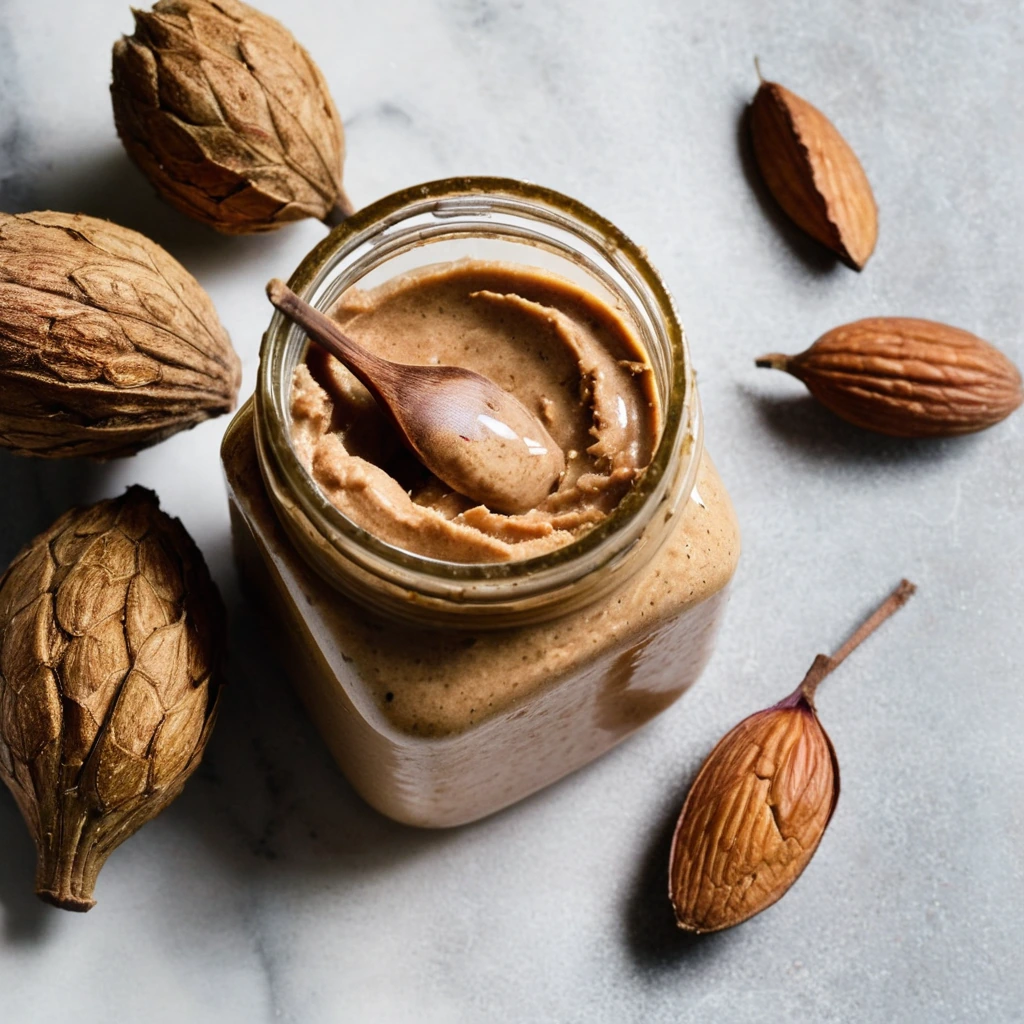
Almond Butter
A velvety, nutty spread crafted from finely ground almonds, offering a rich and satisfying flavor that's both comforting and indulgent.
Recipes to try
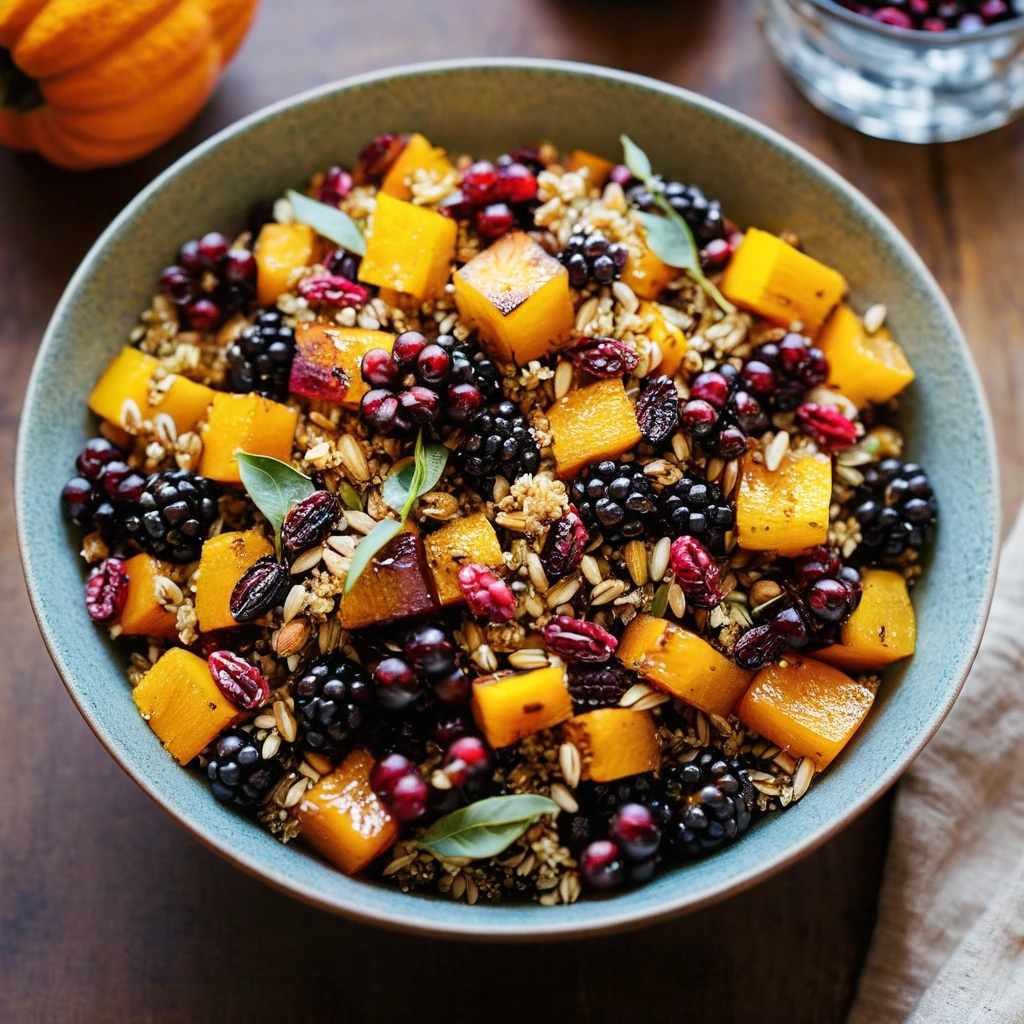
Warm Quinoa Salad with Roasted Squash and Cranberries
A cozy mix of nutty quinoa, tender roasted squash, and sweet cranberries makes this salad a fall favorite.
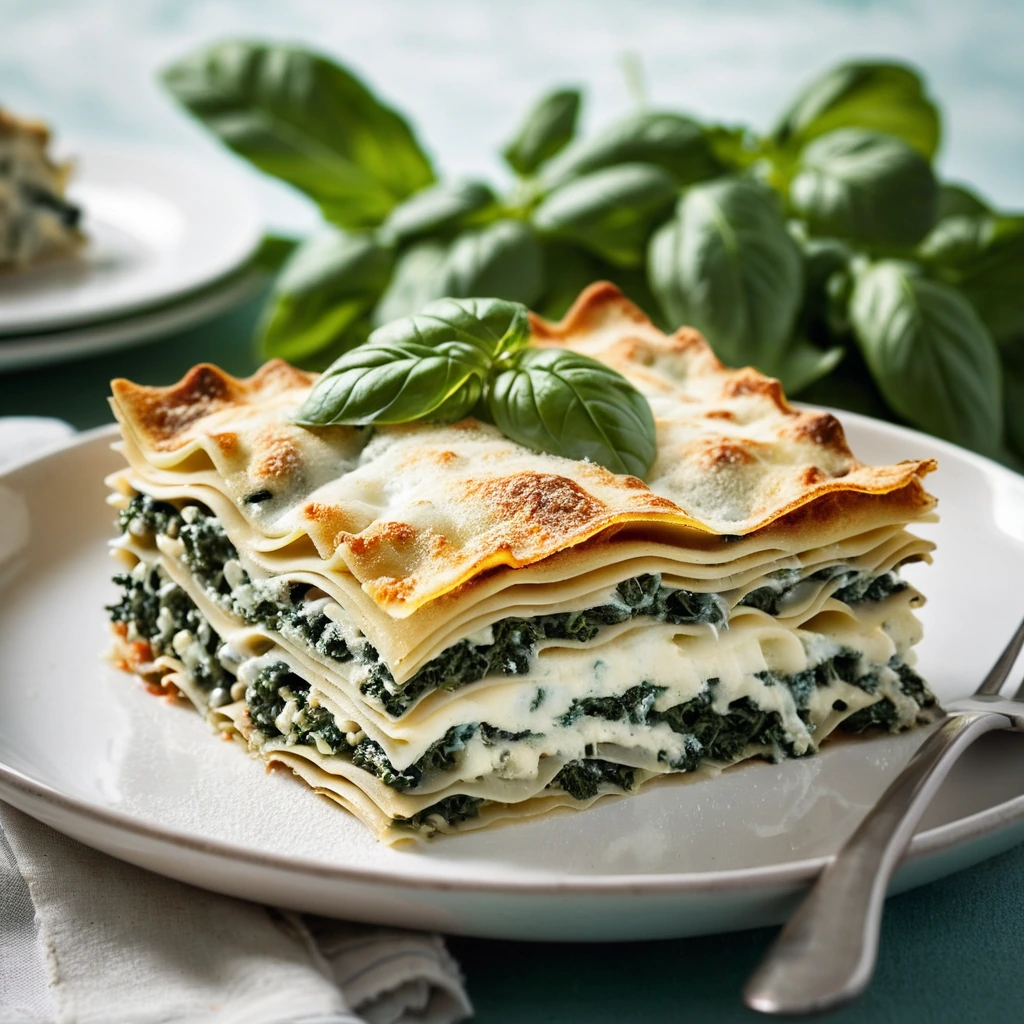
Vegetable Lasagna with Spinach and Ricotta
Layers of tender pasta, creamy ricotta, and a vibrant mix of spinach and veggies come together in a comforting, cheesy casserole.