Vegetable Technique: Folding Roast Veggies into Grain Bowls
Creating a harmonious grain bowl starts with perfectly roasted vegetables that are folded into a base of fluffy grains. This technique ensures that each bite is a balanced medley of textures and flavors. Roasting vegetables caramelizes their natural sugars, intensifying their taste and giving them a delightful char. When folded into grain bowls, they infuse the dish with color and nutrients. The key is to roast the veggies until they are tender yet still hold their shape, then gently incorporate them into your choice of grains, whether it's quinoa, rice, or farro. This method keeps the veggies from becoming soggy and allows their flavors to meld with the grains without losing their individuality. The technique is simple yet transformative, elevating humble ingredients into a satisfying meal. Whether you're packing lunch or serving dinner, mastering the art of folding roast veggies into grain bowls will become an invaluable skill in your culinary repertoire.
Notes
The science behind roasting is simple: high heat creates the Maillard reaction, which gives vegetables their rich color and flavor. A common mistake is overcrowding the baking sheet, which can lead to steaming instead of roasting. Ensure veggies have space to allow air circulation. Safety is paramount; always use oven mitts when handling hot trays. For make-ahead convenience, roast vegetables can be stored in the fridge for up to 3 days. Grains are best when freshly cooked but can also be refrigerated. When ready to serve, simply fold them together and give them a quick reheat if desired.
Steps
- 1 Preheat oven to 425°F.
- 2 Toss chopped vegetables with olive oil, salt, and pepper.
- 3 Spread vegetables in a single layer on a baking sheet.
- 4 Roast for 20-25 minutes, stirring halfway through.
- 5 Remove from oven when vegetables are tender and edges are caramelized.
- 6 Prepare your chosen grains according to package instructions.
- 7 Allow grains to cool slightly after cooking.
- 8 Gently fold roasted vegetables into the grains using a spatula.
- 9 Add any desired seasonings or sauces to the mixture.
- 10 Toss gently to combine without mashing the vegetables.
- 11 Check seasoning and adjust with salt and pepper if needed.
- 12 Transfer to serving bowls and garnish with fresh herbs or nuts.
Ingredients to explore
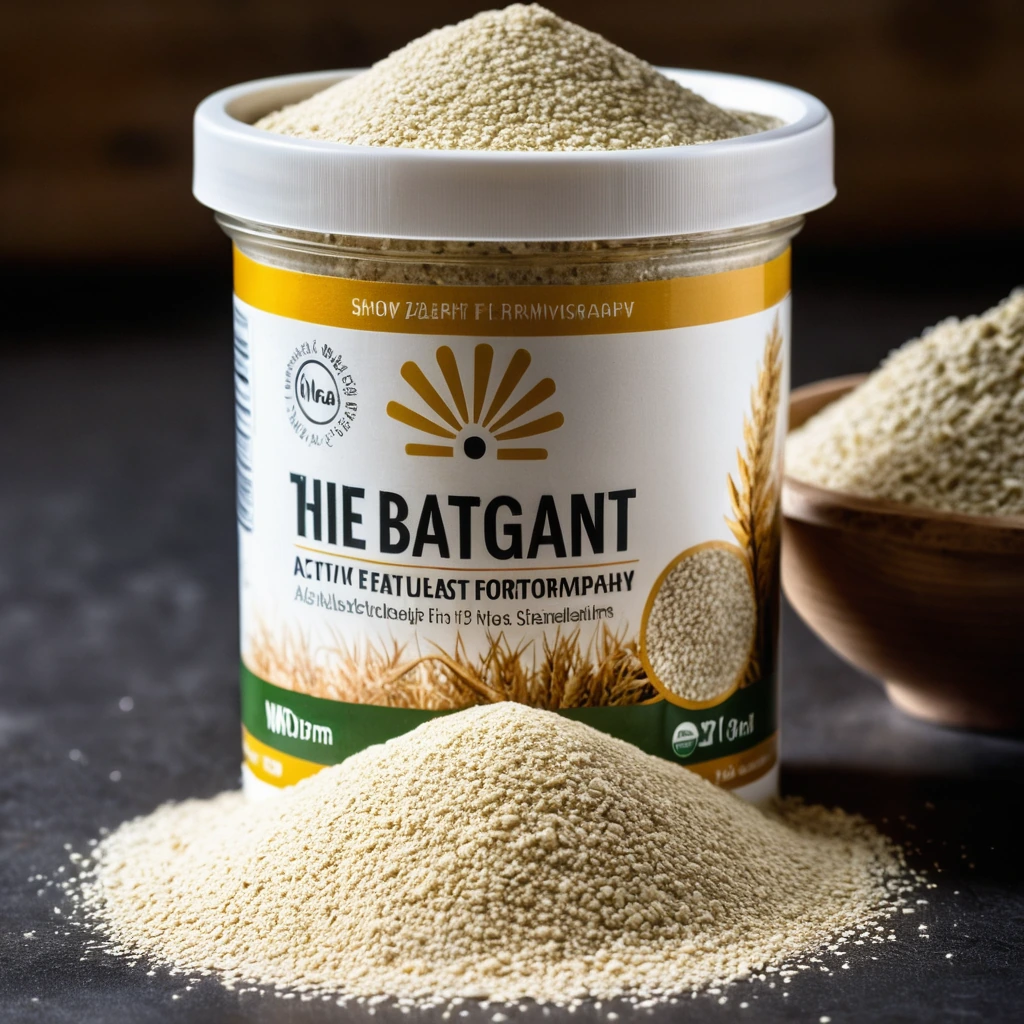
Active Dry Yeast
A fine, granulated leavening agent that brings baked goods to life with its gentle fermentation magic.
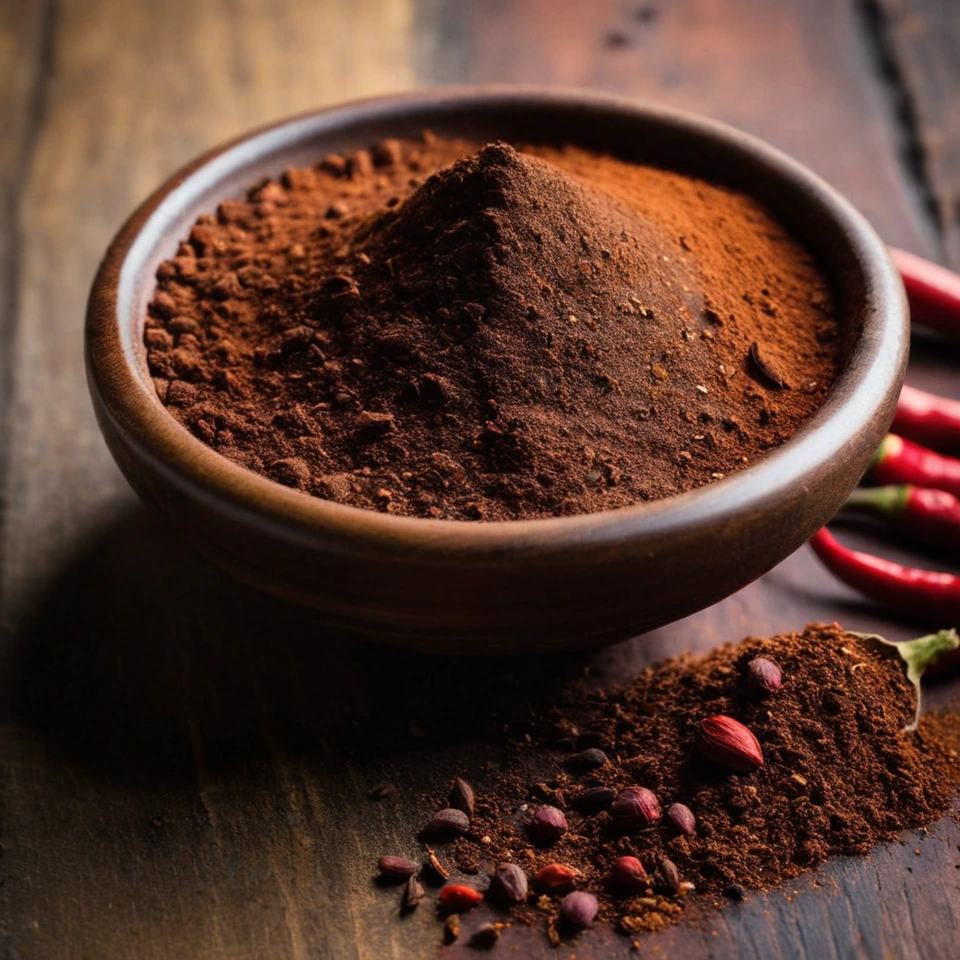
Ancho Chili Powder
Ancho chili powder offers a deep, smoky sweetness with hints of dried fruit and cocoa, reminiscent of its origin as dried poblano peppers from Mexico. Its aroma is warm and inviting, with a mild heat that lingers gently. The texture is fine and velvety, making it easy to incorporate into a variety of dishes. This powder is prized for its ability to add complexity without overwhelming spice, ideal for enriching both traditional Mexican moles and contemporary global cuisines.
Recipes to try

Sausage, Egg, and Cheese Croissant Pockets
Buttery croissants envelop a warm, savory trio of sausage, fluffy scrambled eggs, and melty cheese for a breakfast pocket that's pure bliss.
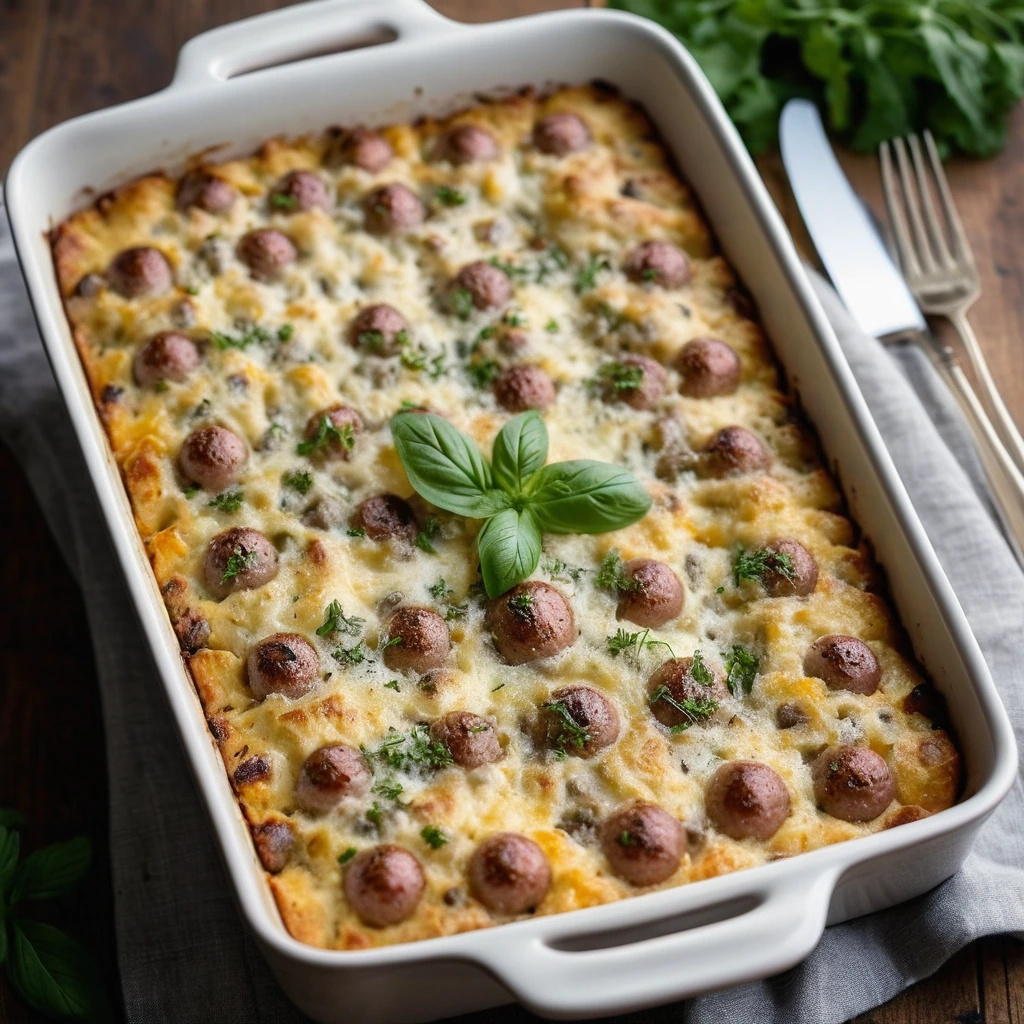
Sausage and Potato Breakfast Casserole
This hearty casserole combines savory sausage, crispy potatoes, and melty cheese into a golden, bubbly brunch masterpiece.