Time & Workflow: Scaling Recipes Up and Down
Scaling recipes up or down might seem straightforward, but it requires a keen understanding of time and workflow management to maintain consistency and quality. Whether you're catering for a crowd or cooking for one, adjustments are necessary beyond mere ingredient quantities. Ingredient ratios are crucial, but so is understanding how these changes impact cooking times and methods. Liquids and dry ingredients absorb heat differently, which can affect how quickly or slowly a dish cooks. Additionally, oven space and stovetop dynamics change when you're cooking larger or smaller volumes. Proper planning is key; consider how you will manage multiple pots or pans, or how you might need to adjust oven racks to accommodate larger dishes. Timing is everything—staggering tasks can prevent bottlenecks and ensure that all elements of a meal are ready simultaneously. Understanding the science behind these adjustments helps in predicting potential pitfalls and preparing for them. Smaller batches might cook faster but risk drying out, while larger quantities can lead to uneven cooking if not managed properly. By mastering these principles, home cooks can confidently adjust recipes to suit any occasion, ensuring delicious results every time.
Notes
Scaling recipes requires an understanding of both the art and science of cooking. Ingredient interactions change with quantity; for example, surface-to-volume ratio affects how quickly something cooks or browns. Smaller batches have a higher surface area relative to volume, which can lead to quicker evaporation or browning. Conversely, larger batches cook more slowly due to their mass. Troubleshooting common mistakes involves keeping a close eye on your food, adjusting temperatures as needed, and being prepared to alter cooking times. Safety is paramount—never overcrowd your oven or stovetop, and always use timers to avoid overcooking. For make-ahead meals, consider recipes that scale well and store properly, like soups or stews, which often improve with time. Store leftovers in airtight containers and refrigerate within two hours of cooking.
Steps
- 1 Read through the entire recipe before beginning.
- 2 Calculate new ingredient quantities based on desired yield.
- 3 Assess whether any cooking vessels need to be resized.
- 4 Adjust cooking times based on volume changes; start checking 10 minutes early.
- 5 Consider oven space and rearrange racks if necessary for larger dishes.
- 6 Prepare all ingredients (mise en place) before starting to cook.
- 7 Stagger cooking tasks to ensure all components finish at the same time.
- 8 Monitor food closely; smaller quantities cook faster and may require lower heat.
- 9 Use a thermometer for meats and baked goods to ensure doneness.
- 10 Taste and adjust seasoning, as flavor intensity can change with scale.
- 11 Cool dishes appropriately before serving; larger quantities take longer to cool.
- 12 Clean as you go to maintain an efficient workflow.
- 13 Take detailed notes on adjustments for future reference.
Ingredients to explore
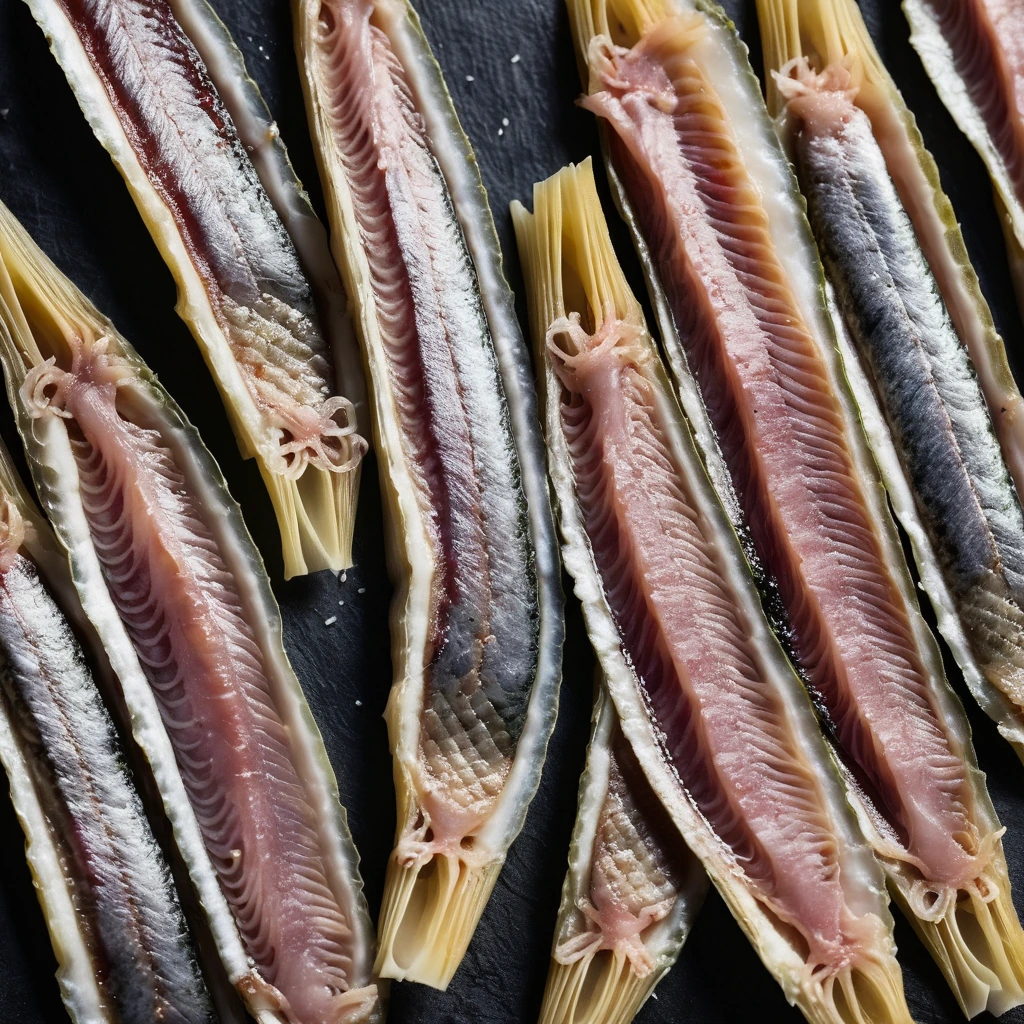
Anchovy Fillets
Silvery and succulent, anchovy fillets are a briny treasure from the sea. Their rich, umami flavor adds depth to dishes, making them a beloved ingredient in kitchens worldwide.

Anaheim Peppers
Anaheim peppers are a mild chili pepper variety named after Anaheim, California, where they were first cultivated commercially. Originating from the New Mexico region, these peppers are celebrated for their versatility and gentle heat. They possess a flavor that is mildly sweet with a subtle tang, and a pleasant vegetal note reminiscent of green bell peppers, but with a hint of spice. Their texture is firm and crisp when fresh, becoming tender and slightly smoky when roasted or cooked. In cooking, Anaheim peppers behave well across a range of techniques, from grilling and roasting to stuffing and sautéing, contributing a nuanced depth without overwhelming other ingredients with heat.
Recipes to try
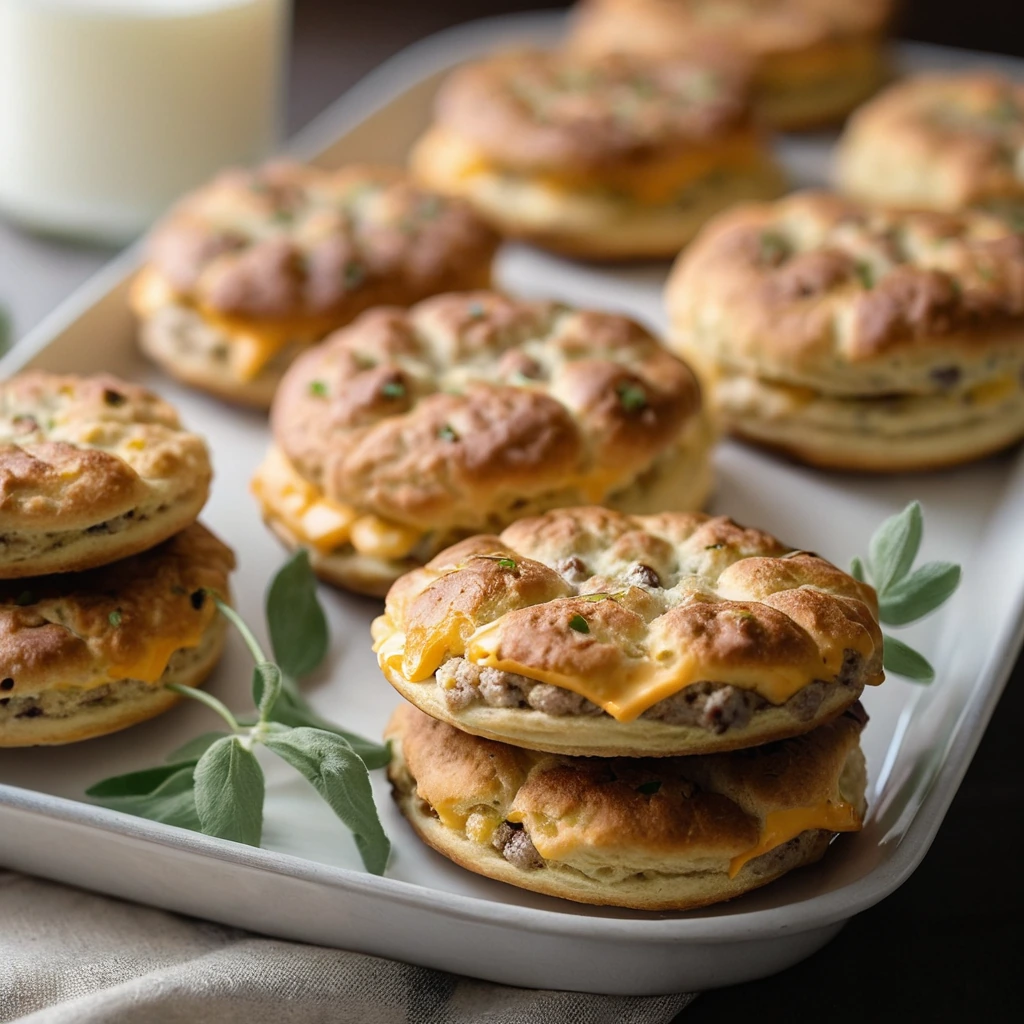
Maple Sausage and Cheddar Breakfast Biscuits
Golden, flaky biscuits stuffed with savory maple sausage and melted sharp cheddar—it's a hearty breakfast hug in every bite.
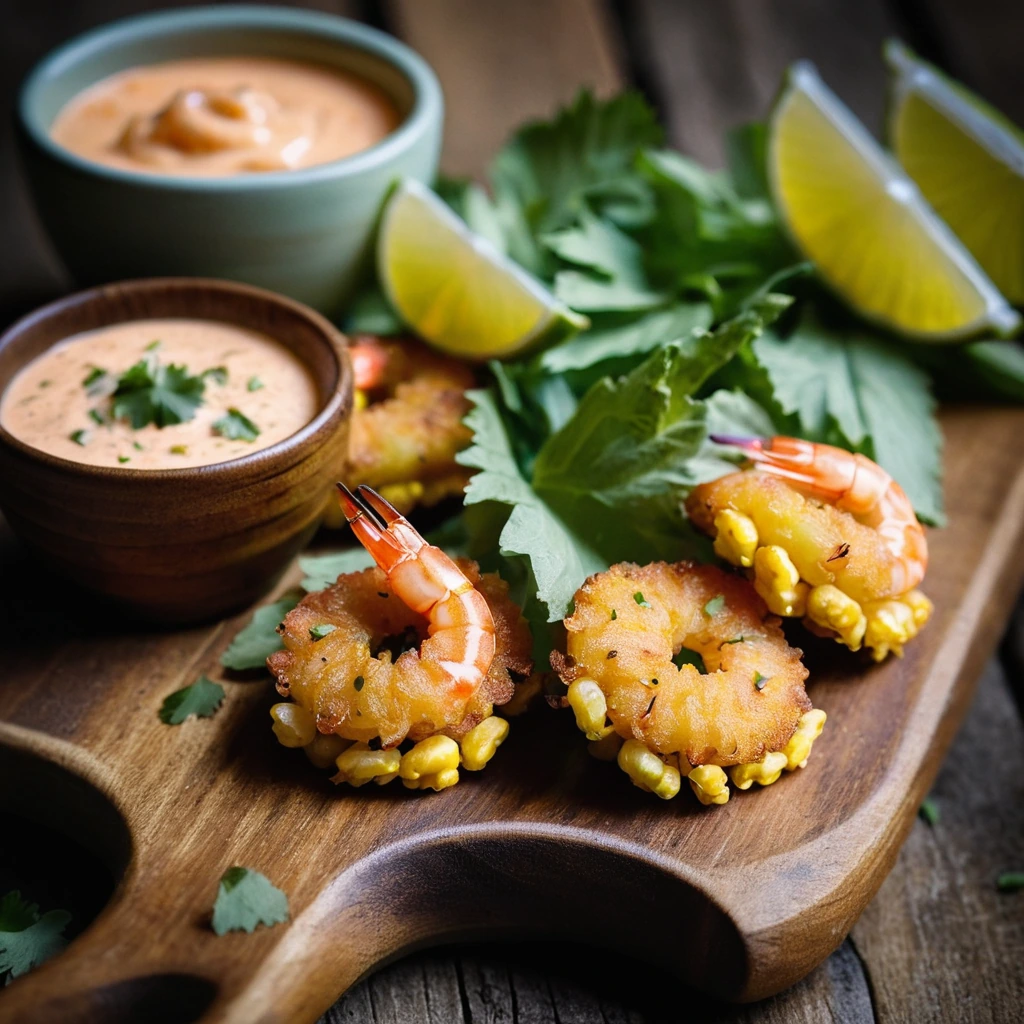
Shrimp and Corn Fritters with Chili Aioli
Crispy on the outside, tender on the inside, these golden fritters pack a punch with juicy shrimp and sweet corn, all topped with a zesty chili aioli.