Time & Workflow: Planning Leftovers into Future Meals
Mastering the art of planning leftovers into future meals is a game-changer for efficient home cooking. It's about foresight, creativity, and a dash of organization. By understanding how to repurpose yesterday's dinner into tomorrow's lunch, you not only save time but also reduce food waste. This technique involves assessing what you already have, envisioning how it can be transformed, and integrating it seamlessly into your meal plan. Start by taking inventory of your fridge and pantry to see what's ripe for repurposing. Then, consider dishes that can easily incorporate these ingredients, such as stir-fries, soups, casseroles, and omelets. This approach requires flexibility and a willingness to experiment with flavors and textures. Knowing how to properly store leftovers is crucial to maintain their quality and safety, ensuring they're still appetizing when you're ready to use them again. You'll also learn how to balance your meal planning so that leftovers don't become a monotonous cycle but rather an opportunity for culinary creativity. By adopting this technique, you'll find yourself less stressed about daily meal prep and more excited about the possibilities that await in your kitchen. Finally, embrace the mindset that leftovers are not just 'leftovers' but rather'startovers' for your next delicious meal.
Notes
The science behind repurposing leftovers lies in understanding food safety and storage best practices. Ensuring leftovers are stored promptly and at the correct temperature (below 40°F) inhibits bacterial growth. Common mistakes include not labeling containers or misjudging how soon leftovers will be used, leading to waste. Always reheat leftovers thoroughly to kill any potential bacteria. For make-ahead meal planning, consider cooking proteins separately to reheat them to safe temperatures. Leftovers can be stored in the fridge for 3-4 days or frozen for longer-term storage. Embrace this technique as a creative challenge rather than a chore, and you'll discover the joy in reinventing yesterday's meals.
Steps
- 1 Take inventory of your fridge and pantry to identify potential leftovers.
- 2 Decide on meals for the upcoming days that can incorporate these leftovers.
- 3 Consider versatile dishes like stir-fries, soups, and casseroles for easy integration.
- 4 Store leftovers in airtight containers to maintain freshness and prevent contamination.
- 5 Label containers with the date to track how long they've been stored.
- 6 Plan meals around the use-by date of your leftovers to ensure freshness.
- 7 Experiment with flavor combinations to transform leftovers into new dishes.
- 8 Adjust portion sizes when cooking to account for planned leftovers.
- 9 Keep a running list of successful transformations for future reference.
- 10 Reheat leftovers to at least 165°F to ensure they are safe to eat.
- 11 Incorporate herbs and spices to refresh the flavor of reheated dishes.
- 12 Freeze leftovers if they won't be used within 3-4 days for longer storage.
- 13 Be flexible and adjust plans as needed based on what ingredients need to be used first.
Ingredients to explore

Agave Nectar
A golden, velvety sweetener derived from the agave plant, offering a subtly sweet flavor with a smooth, syrup-like texture.
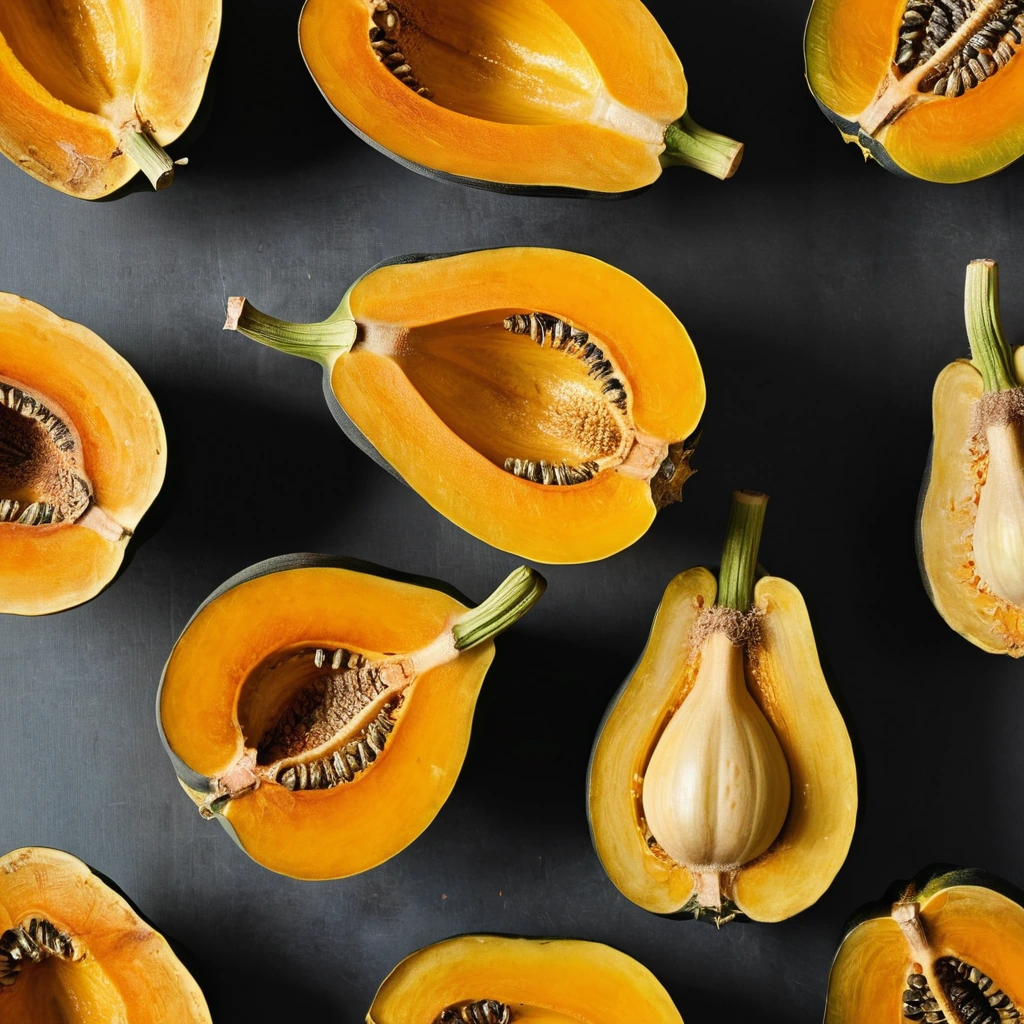
Acorn Squash
Acorn squash is a winter squash variety known for its distinctive teardrop shape and deep ridges resembling the texture of an acorn shell. Originating in the Americas, it has been cultivated for centuries and is a staple in autumn cuisine. The flesh is sweet and nutty with a hint of earthiness, offering a delightful contrast to savory dishes. Its texture is dense yet tender when cooked, making it ideal for roasting or pureeing. In cooking, acorn squash holds its shape well and absorbs flavors from herbs and spices, enhancing both its taste and versatility in recipes.