Time & Workflow: Multitasking Safely in the Kitchen
Multitasking in the kitchen is an art that can transform your cooking experience from stressful to seamless. It's about understanding the rhythm of your dishes and orchestrating them like a symphony. The key is to plan your cooking process meticulously, ensuring that each component is ready when you need it. Start by reading through all your recipes and identifying tasks that can be done simultaneously. Group tasks by their required cooking times and temperatures. For instance, roasting vegetables can coincide with baking a casserole if they share similar oven times. Prep ingredients in advance to minimize downtime, and use timers to keep track of multiple dishes. Keep your workspace organized, dedicating specific areas for prepping, cooking, and plating. This not only boosts efficiency but also enhances safety, as a tidy space reduces the risk of accidents. Remember, multitasking doesn't mean juggling everything at once; it's about strategic planning and pacing yourself. Use downtime between tasks to clean up or prep for the next step. With practice, you’ll develop an intuition for when to start each component, ensuring everything comes together perfectly timed for serving. Embrace the process, and soon you'll find multitasking in the kitchen is less daunting and more enjoyable.
Notes
Multitasking in the kitchen relies on understanding the science of timing and workflow. By grouping tasks with similar time requirements, you create a natural rhythm that reduces stress and saves time. A common mistake is starting all tasks at once, which can lead to overcooked or undercooked dishes. Safety is paramount; ensure pot handles are turned inward and use oven mitts when handling hot cookware. Make-ahead techniques, like prepping ingredients or cooking components in advance, can simplify multitasking. Store prepped ingredients in airtight containers in the fridge, and reheat dishes properly before serving to maintain quality and safety.
Steps
- 1 Read through all your recipes thoroughly.
- 2 List all tasks and group them by cooking time and temperature.
- 3 Prepare and measure out all ingredients before starting to cook.
- 4 Set up designated areas for prepping, cooking, and plating.
- 5 Start with tasks that require the longest cooking time first.
- 6 Use timers for each dish to avoid confusion.
- 7 Leverage downtime to clean or prep for subsequent steps.
- 8 Keep an eye on dishes with shorter cooking times.
- 9 Adjust oven racks to accommodate multiple dishes efficiently.
- 10 Use different stovetop burners for tasks that can be done simultaneously.
- 11 Check seasonings and adjust as necessary during cooking.
- 12 Plate dishes in the order they are finished, keeping others warm if needed.
- 13 Clean up as you go to maintain a safe and organized workspace.
Ingredients to explore
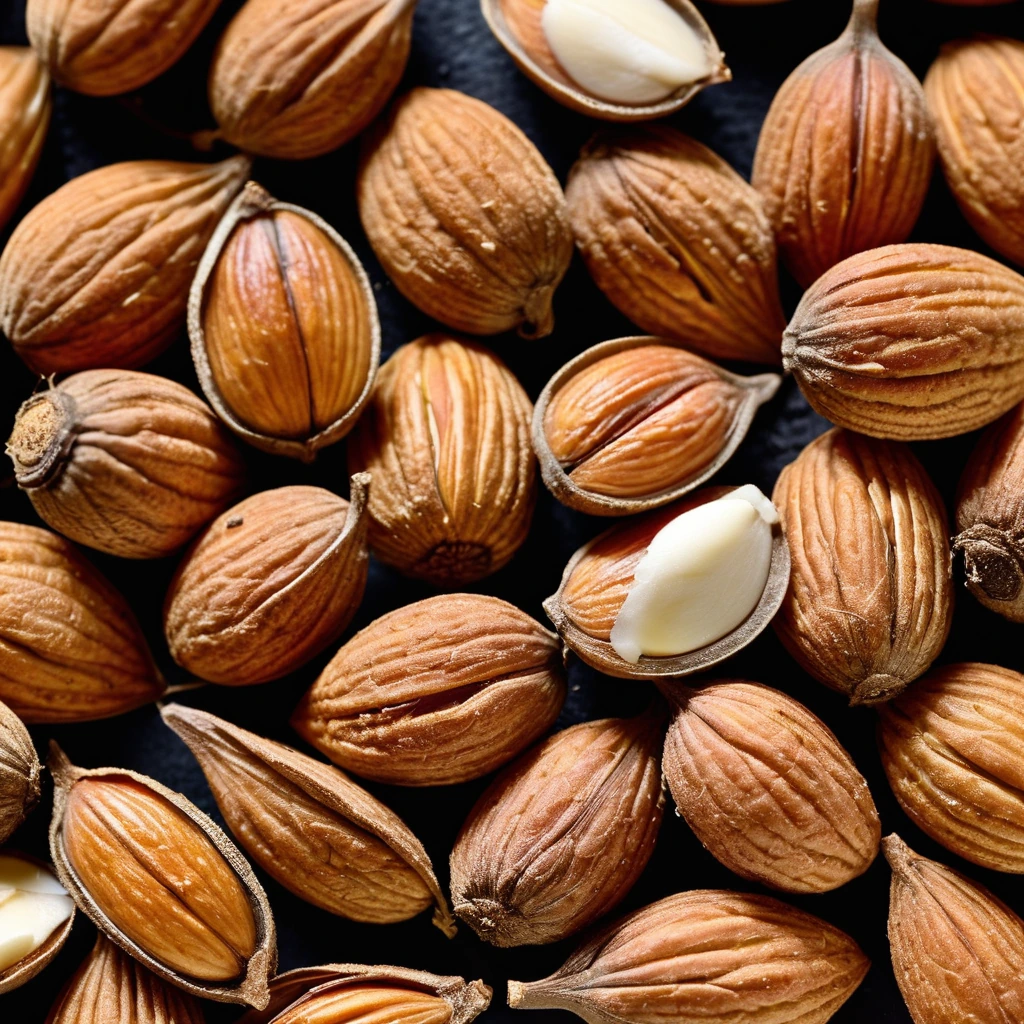
Almond Extract
A fragrant, golden elixir that captures the essence of freshly ground almonds, almond extract is a pantry staple that brings a rich, nutty aroma to your culinary creations.
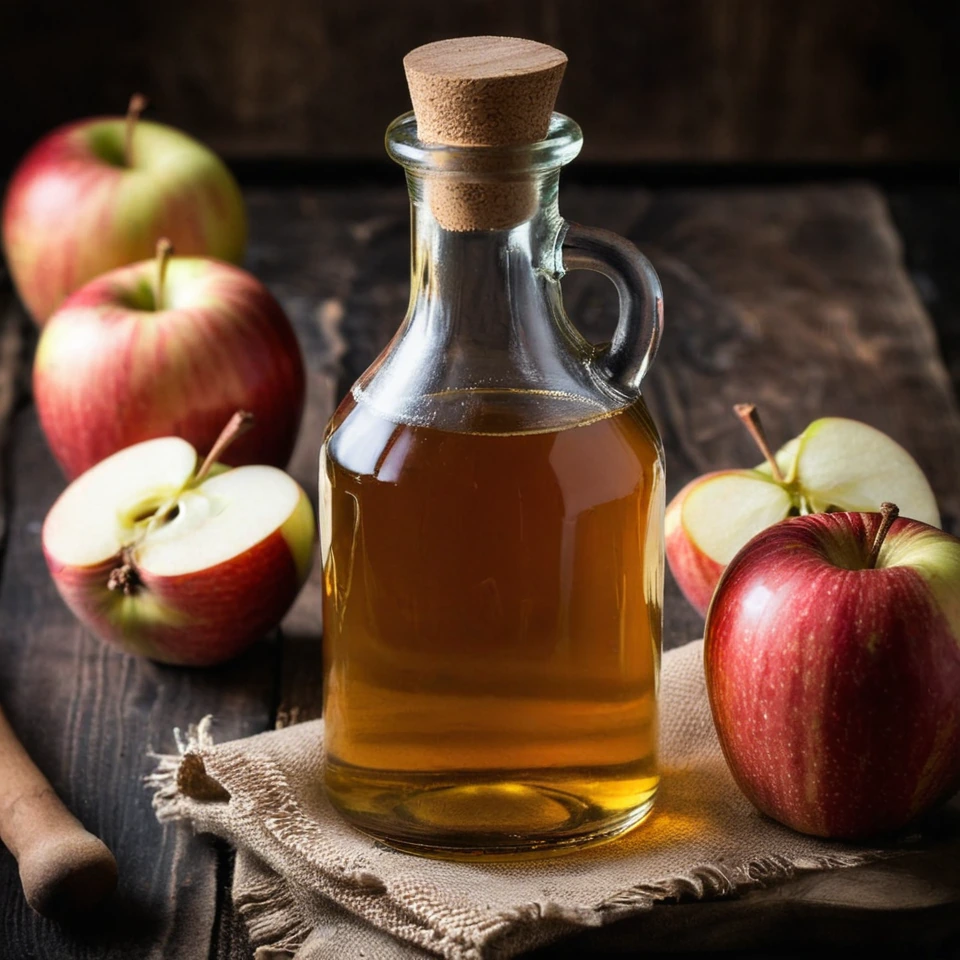
Apple Cider Vinegar
Apple cider vinegar is a type of vinegar made through the fermentation of apple cider, resulting in a tangy, slightly sweet liquid with a pale to medium amber color.
Recipes to try

Peanut Butter Chocolate Chip Baked Oat Cups
These oat cups are a cozy hug in every bite, with gooey chocolate chips and a rich peanut butter swirl that makes mornings worth waking up for.
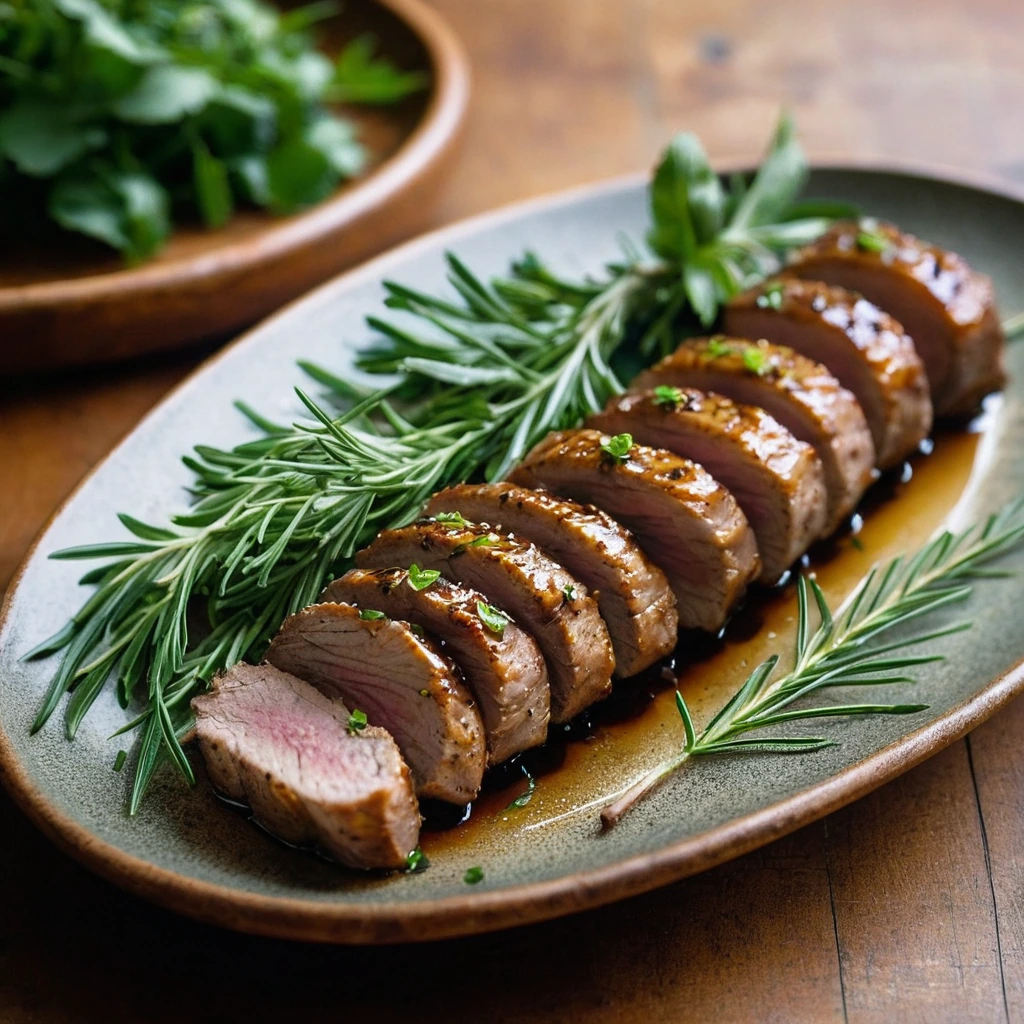
Pork Tenderloin with Garlic Honey Glaze
Succulent pork tenderloin kissed with a sweet, sticky glaze of garlic and honey for a flavor punch that'll have everyone coming back for seconds.