Time & Workflow: Cooling Food Quickly for Safe Storage
Cooling food quickly is a vital technique for ensuring safe storage and preserving freshness. When you cook large quantities of food, whether it's a hearty stew or a batch of soup, cooling it down swiftly is crucial to inhibit bacterial growth and maintain quality. The 'danger zone' for bacterial growth is between 40°F and 140°F, so the quicker you move food out of this range, the safer it is. This technique is particularly important for home cooks who want to minimize food waste and ensure their meals are safe to eat. The process involves dividing large portions into smaller containers, utilizing ice baths for certain dishes, and employing refrigeration strategies to expedite cooling. Understanding airflow and the importance of not overloading your refrigerator are also key components of this technique. By mastering quick cooling, you can ensure that your culinary creations are not only delicious but also safe for consumption over several days. Additionally, this technique helps maintain texture and flavor, which can be compromised by prolonged exposure to unsafe temperatures. The workflow includes strategic planning and preparation, so you can seamlessly transition from cooking to cooling without compromising efficiency or safety.
Notes
The science behind quick cooling lies in minimizing the time food spends in the danger zone, where bacteria multiply rapidly. Smaller portions have a higher surface-to-volume ratio, allowing them to cool faster. An ice bath is an effective method for rapidly lowering the temperature of certain foods, like stocks or sauces, thanks to conduction. However, not all dishes are suitable for an ice bath; delicate items like custards or certain desserts may weep or become waterlogged. A common mistake is placing hot containers directly into the refrigerator, which can raise the internal temperature and risk spoilage of other items. Always ensure your refrigerator is functioning correctly and is at the appropriate temperature before storing food. For make-ahead meals, cooling quickly is crucial for maintaining quality, and properly stored food can be refrigerated for up to 4 days. If you plan to freeze, do so once the food is thoroughly chilled to avoid ice crystal formation that can affect texture.
Steps
- 1 Prepare an ice bath using a large bowl filled with ice and water.
- 2 Divide hot food into smaller, shallow containers no more than 2 inches deep.
- 3 Submerge heat-safe containers in the ice bath, ensuring they do not float.
- 4 Stir the food occasionally to facilitate even cooling.
- 5 Cover containers loosely with lids to prevent contamination but allow steam to escape.
- 6 Place containers in the refrigerator once they reach room temperature, about 20-30 minutes.
- 7 Ensure there is adequate space between containers for air circulation.
- 8 Check that the refrigerator temperature is set to 40°F or below.
- 9 Avoid overloading your refrigerator to maintain proper airflow and cooling efficiency.
- 10 Monitor food as it cools, ensuring it reaches 40°F within 2 hours for safety.
- 11 Label containers with the date for proper rotation and consumption within 3-4 days.
- 12 For soups and stocks, skim off fat before cooling to prevent rancidity.
Ingredients to explore
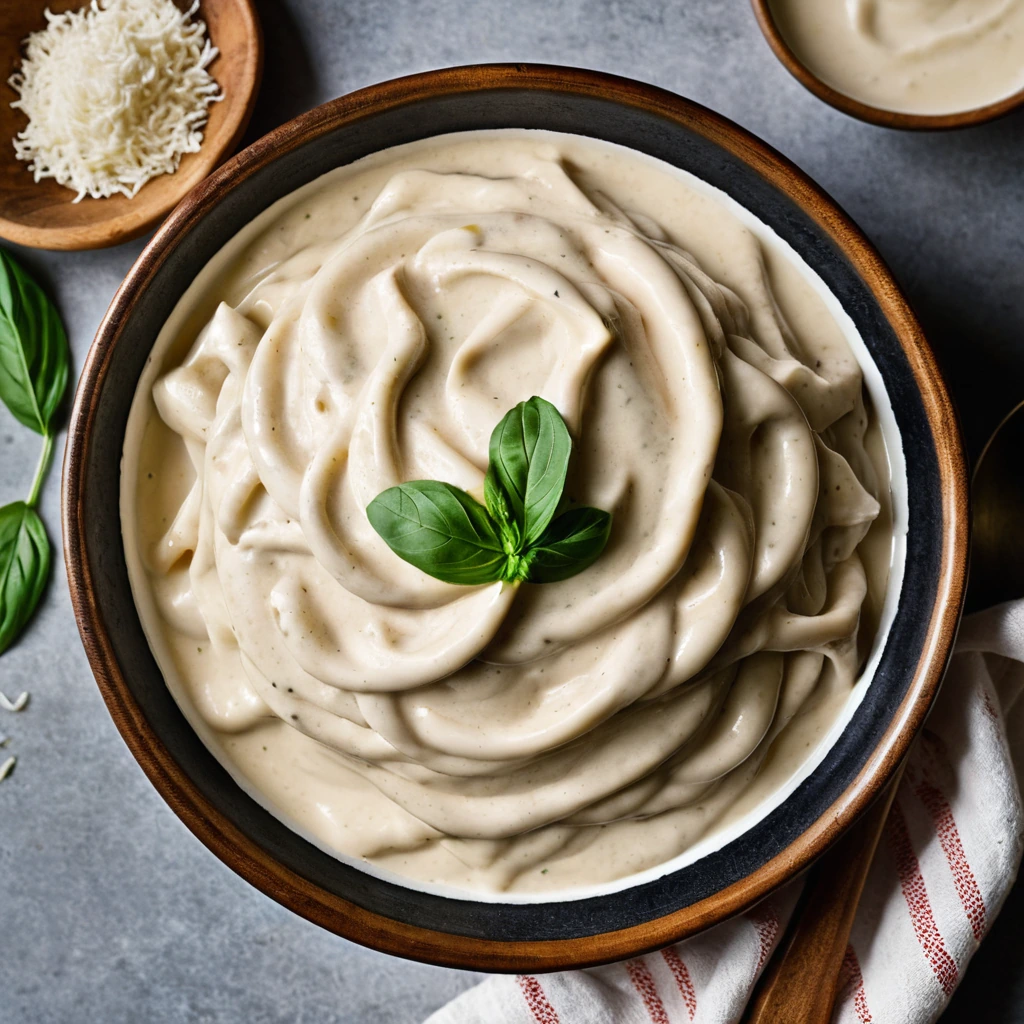
Alfredo Sauce
Creamy, rich, and utterly indulgent, Alfredo sauce is a dreamy blend of butter, heavy cream, and Parmesan cheese. Its velvety texture and savory depth make it a beloved staple in Italian-American cuisine.

Anchovy Fillets
Silvery and succulent, anchovy fillets are a briny treasure from the sea. Their rich, umami flavor adds depth to dishes, making them a beloved ingredient in kitchens worldwide.
Recipes to try
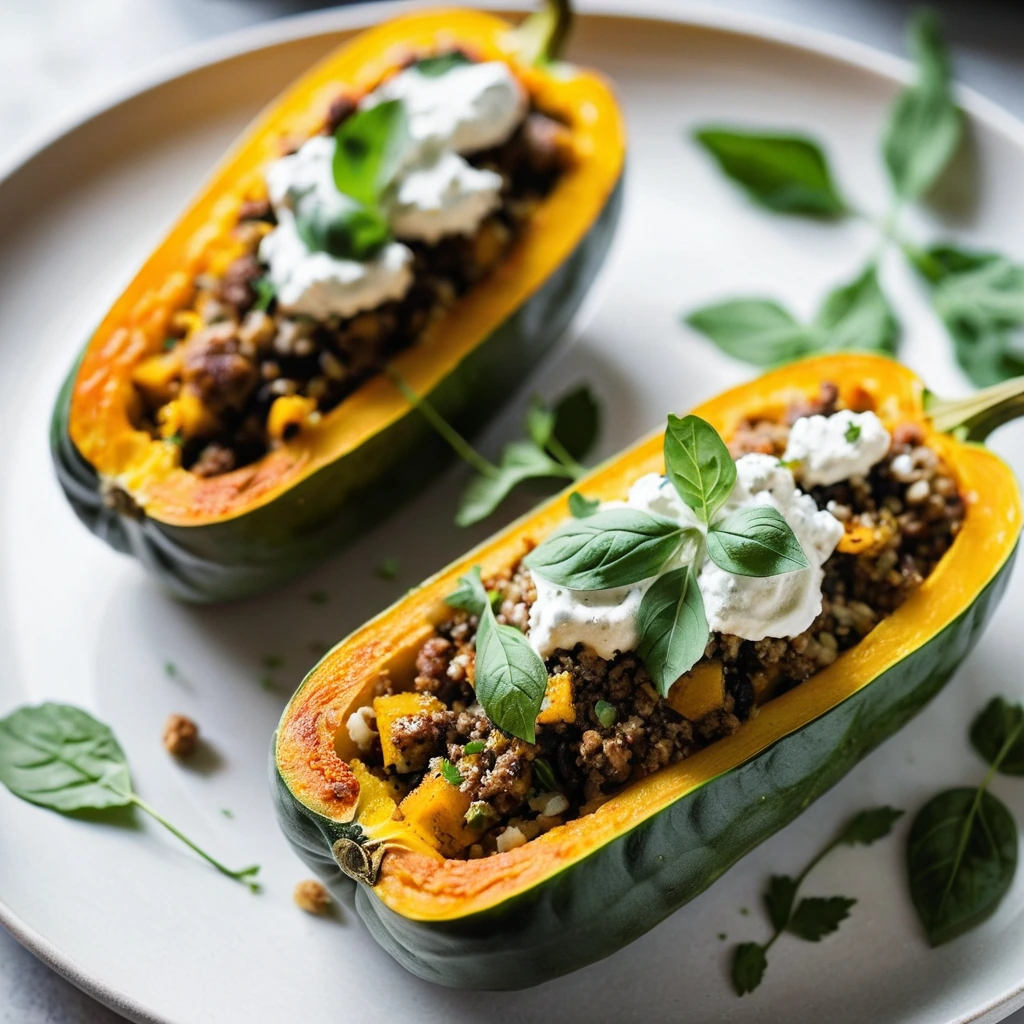
Sausage and Ricotta Stuffed Squash Boats
Tender roasted squash halves are stuffed with a savory mix of Italian sausage and creamy ricotta, making for a comforting and hearty meal.
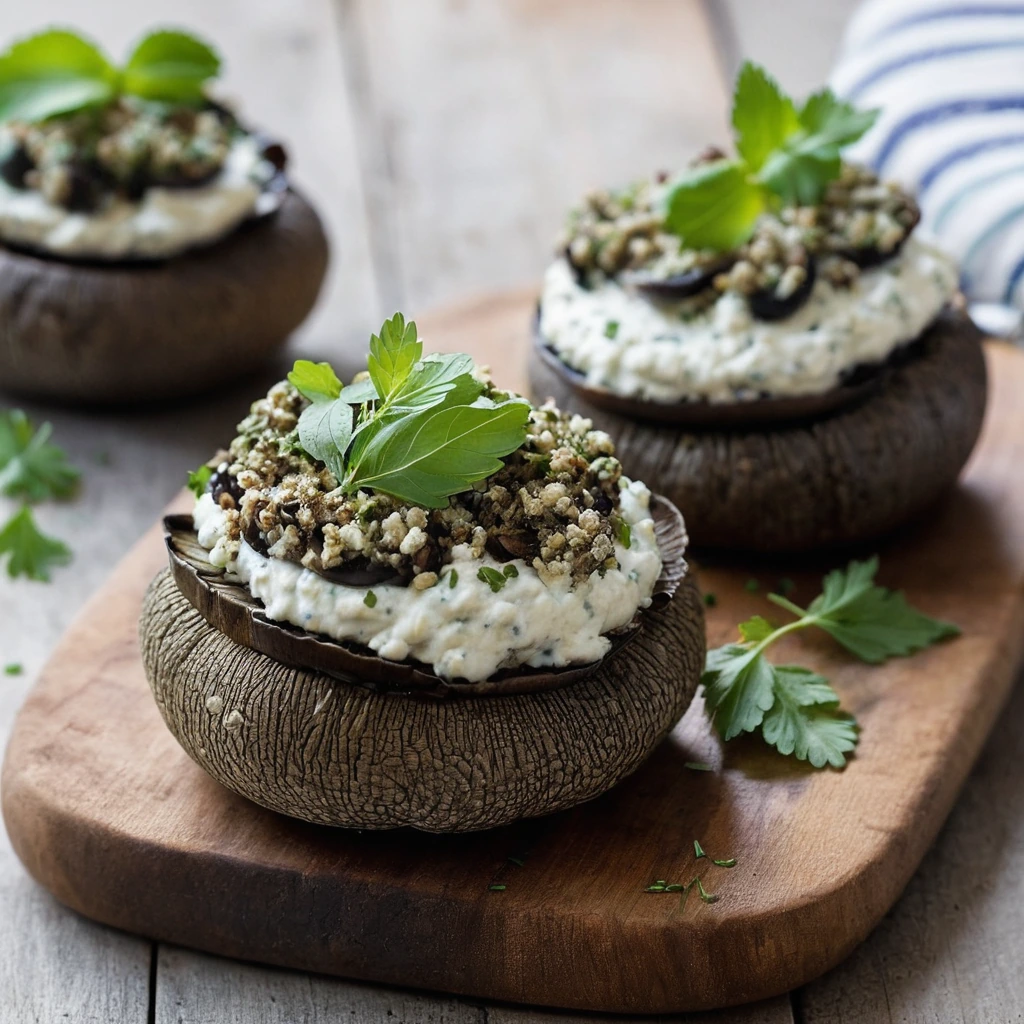
Stuffed Portobello Mushrooms with Herbed Ricotta
These earthy portobello mushrooms are stuffed with a creamy, herbed ricotta mixture, offering a satisfying vegetarian delight that's both elegant and easy.