Time & Workflow: Converting Oven Times for Convection
Mastering the art of convection baking can elevate your home cooking to new heights. Unlike conventional ovens, convection ovens use a fan to circulate hot air, leading to faster and more even cooking. This technique is all about understanding how to adjust your oven times and temperatures to make the most of this efficient cooking method. First, it’s essential to recognize that convection ovens cook about 25% faster than conventional ovens due to the constant circulation of air. This means you’ll need to lower your oven temperature by about 25°F and reduce the cooking time to avoid overcooking. However, not all recipes benefit from convection cooking—delicate pastries and cakes might dry out faster, so knowing which dishes to choose is key. Additionally, understanding the layout of your oven is crucial; convection ovens often require dishes to be placed on specific racks to ensure optimal airflow. By the end of this guide, you’ll be equipped with the knowledge to confidently convert any recipe for convection cooking, ensuring perfectly cooked meals every time.
Notes
Convection ovens cook faster because the fan circulates hot air, leading to more even heat distribution. This efficiency can be a double-edged sword, as it requires careful attention to prevent overcooking. One common mistake is forgetting to adjust both the temperature and time, which can lead to dried-out dishes. Always use an oven thermometer to ensure your oven is accurately calibrated, as convection settings can vary by manufacturer. For make-ahead meals, convection roasting can be advantageous due to its speed, but store leftovers promptly to maintain freshness. When storing, use airtight containers and consume within 3-4 days for best quality.
Steps
- 1 Preheat your convection oven to 25°F lower than the recipe specifies.
- 2 Review the recipe to determine if it is suitable for convection cooking.
- 3 Adjust the cooking time by reducing it by approximately 25%.
- 4 Place oven racks in the correct position for convection airflow.
- 5 Use an oven thermometer to ensure accurate temperature calibration.
- 6 Check your dish 10-15 minutes earlier than the adjusted time.
- 7 Rotate your dish halfway through cooking if recommended by the recipe.
- 8 Allow for carryover cooking by removing dishes slightly before they appear fully done.
- 9 Keep a log of adjustments for future reference.
Ingredients to explore
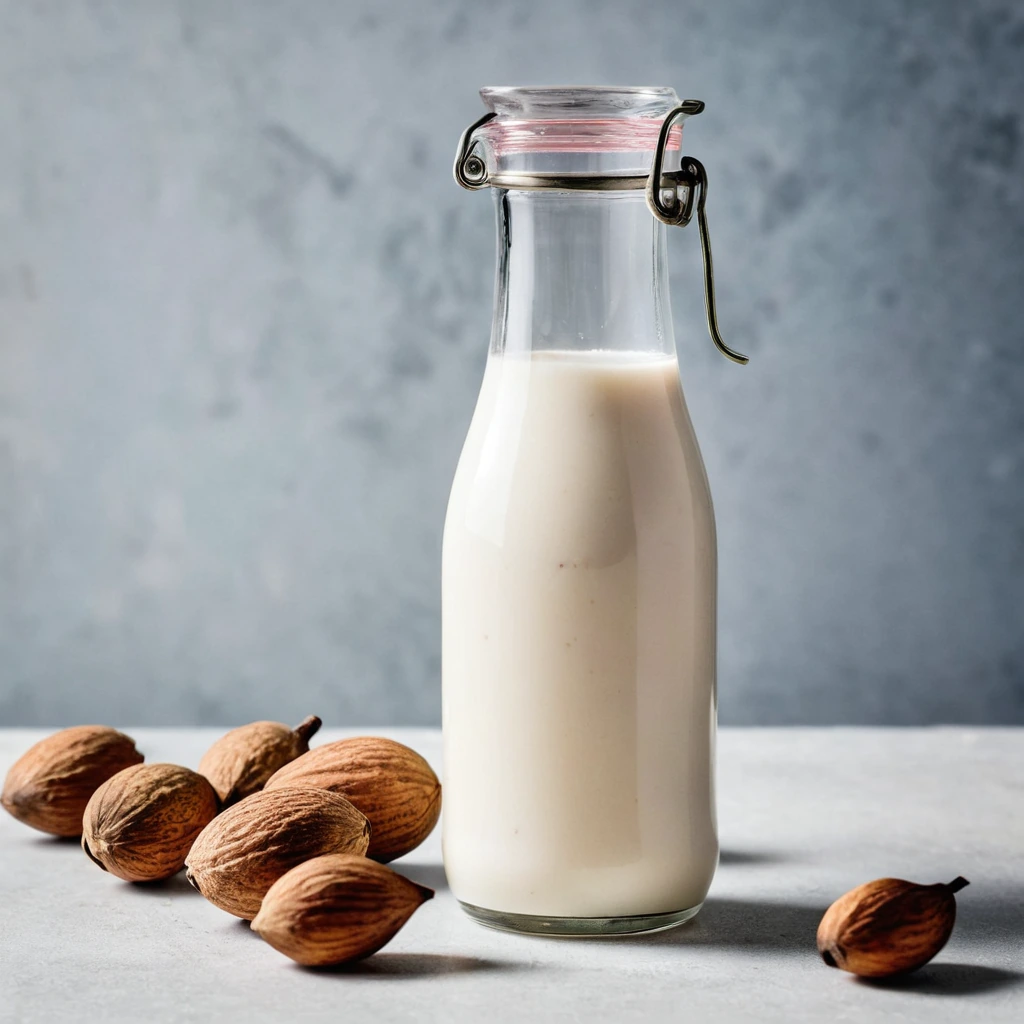
Almond Milk
Almond milk is a plant-based milk alternative made from ground almonds and water. Originating from traditional recipes in medieval Europe and the Middle East, it has gained widespread popularity in modern times as a dairy-free option. Almond milk has a subtly nutty flavor with a mild sweetness, and its aroma is reminiscent of fresh almonds. Its texture is smooth and creamy, though typically lighter than dairy milk. In cooking, almond milk behaves well in both savory and sweet applications, though it does not brown or caramelize like dairy milk. It is often used in cereals, smoothies, and baking, where its delicate flavor complements rather than overpowers other ingredients.
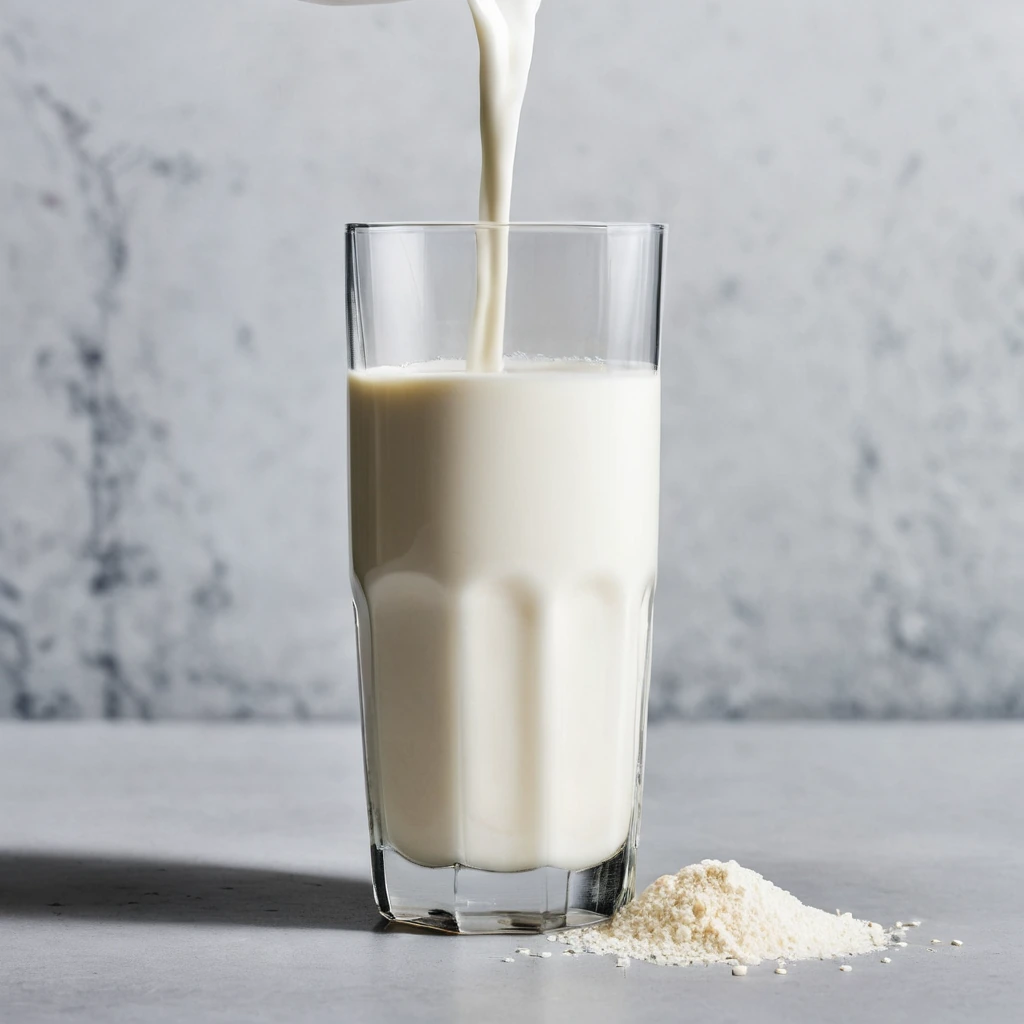
2% Milk
Creamy and just a touch lighter than whole milk, 2% milk offers a perfect balance of richness and reduced fat. Its smooth texture and subtle sweetness make it a delightful choice for sipping or cooking.