Time & Workflow: Cleaning as You Go Efficiently
Cleaning as you go is a game-changer in the kitchen, transforming chaos into calm. This technique isn't just about maintaining a tidy space; it's about optimizing your workflow and saving time in the long run. Picture this: you're halfway through preparing a complex meal, and your workspace is still pristine. No piles of dirty dishes or sticky counters to distract you. This method encourages you to tackle small cleaning tasks immediately, preventing them from piling up into a daunting mess. The key is to integrate cleaning into your cooking process seamlessly, so it feels less like a chore and more like a natural part of your routine. By doing so, you'll find that your cooking experience is more enjoyable and less stressful. Moreover, cleaning as you go helps keep your ingredients and tools organized, ensuring you can focus on the culinary task at hand. It also minimizes the risk of cross-contamination, keeping your dishes safe and hygienic. This technique is perfect for anyone who wants to streamline their kitchen workflow and reclaim precious post-cooking downtime.
Notes
The science behind cleaning as you go is simple: small, frequent tasks are easier to manage than one large, daunting job. This technique aligns with the cognitive principle of 'chunking,' where breaking down tasks into smaller units makes them less overwhelming. Troubleshooting common mistakes involves recognizing when you're tempted to procrastinate cleaning tasks, reminding yourself that delay only compounds the work later. Safety is paramount; ensure cutting boards and utensils are clean to avoid foodborne illnesses. For make-ahead meals, cleaning as you go allows you to use your kitchen space efficiently for subsequent tasks. Store cleaning supplies within easy reach to maintain momentum, and consider using a timer to stay on track with your workflow.
Steps
- 1 Prepare a cleaning station with a sink filled with soapy water.
- 2 After using a knife, immediately rinse and dry it before storing.
- 3 Wipe down countertops with a damp cloth after each step.
- 4 Scrape food remnants into the trash or compost bin as you work.
- 5 Stack used dishes and utensils in the sink to prevent clutter.
- 6 Clean cutting boards with hot soapy water after each use.
- 7 Toss used paper towels and packaging directly into the recycling bin.
- 8 Sanitize sponges and dishcloths regularly to avoid bacterial buildup.
- 9 Rinse mixing bowls and measuring cups immediately after use.
- 10 Keep a small trash bin nearby to discard scraps quickly.
- 11 Use a spray bottle with a cleaning solution for quick surface sanitization.
- 12 Organize tools and ingredients before starting to minimize movement.
- 13 Check and clean appliances like stovetops and microwaves as needed.
Ingredients to explore
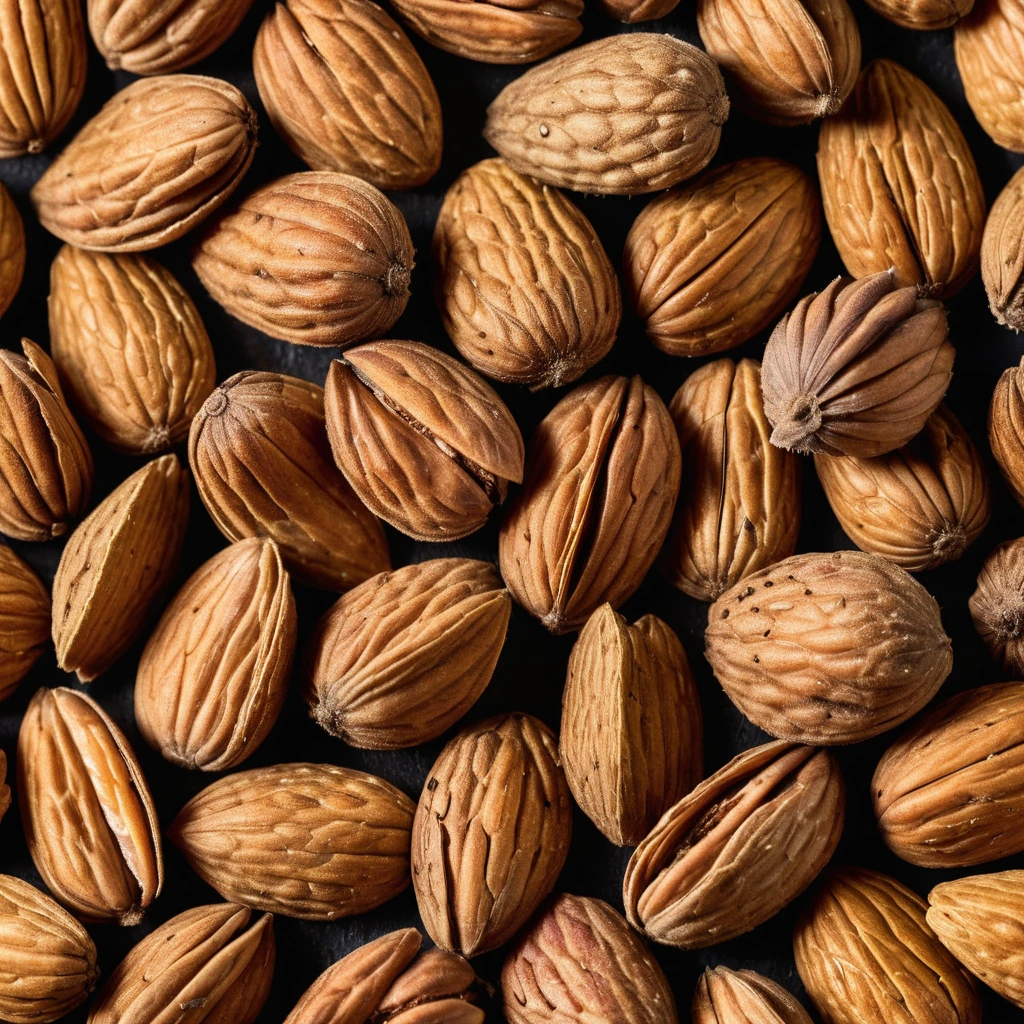
Almonds
With their golden-brown hue and delicate, edible skin, almonds are a crunchy delight. These versatile nuts boast a rich, buttery flavor that adds depth to both sweet and savory dishes.

Andouille Sausage
Andouille sausage is a coarse-grained, smoked pork sausage with a rich history rooted in French cuisine, particularly from the Alsace region. It was adapted in Louisiana, where it became a staple in Cajun and Creole cooking. The sausage is known for its robust, smoky flavor with hints of garlic, pepper, and other spices, creating a spicy and savory profile. Its texture is firm yet slightly chewy, making it a hearty addition to dishes. When cooked, andouille sausage maintains its shape well and infuses dishes with its distinctive smoky essence, enhancing stews, soups, and rice dishes.
Recipes to try
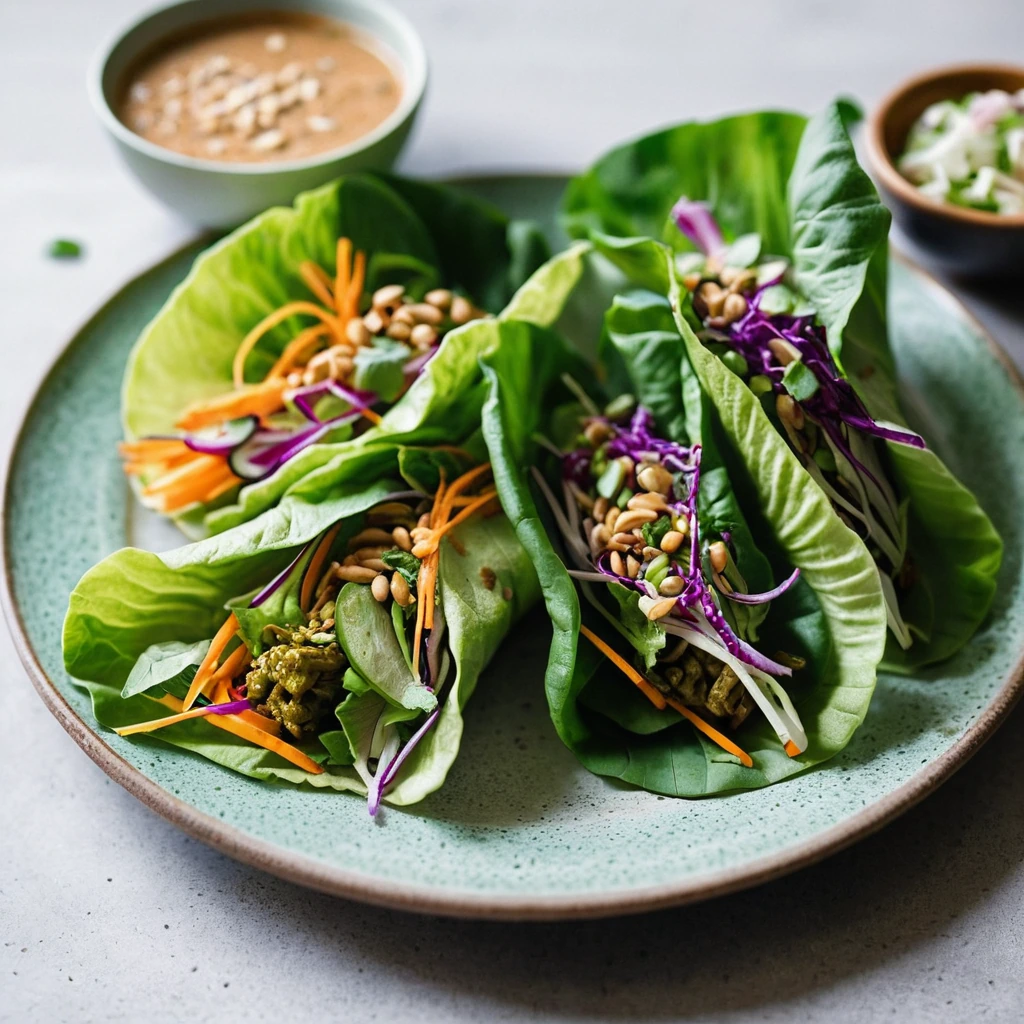
Thai Peanut Veggie Lettuce Wraps
Crispy, fresh veggies hugged by buttery lettuce leaves, drizzled with a creamy, tangy peanut sauce that'll make your taste buds do the tango.
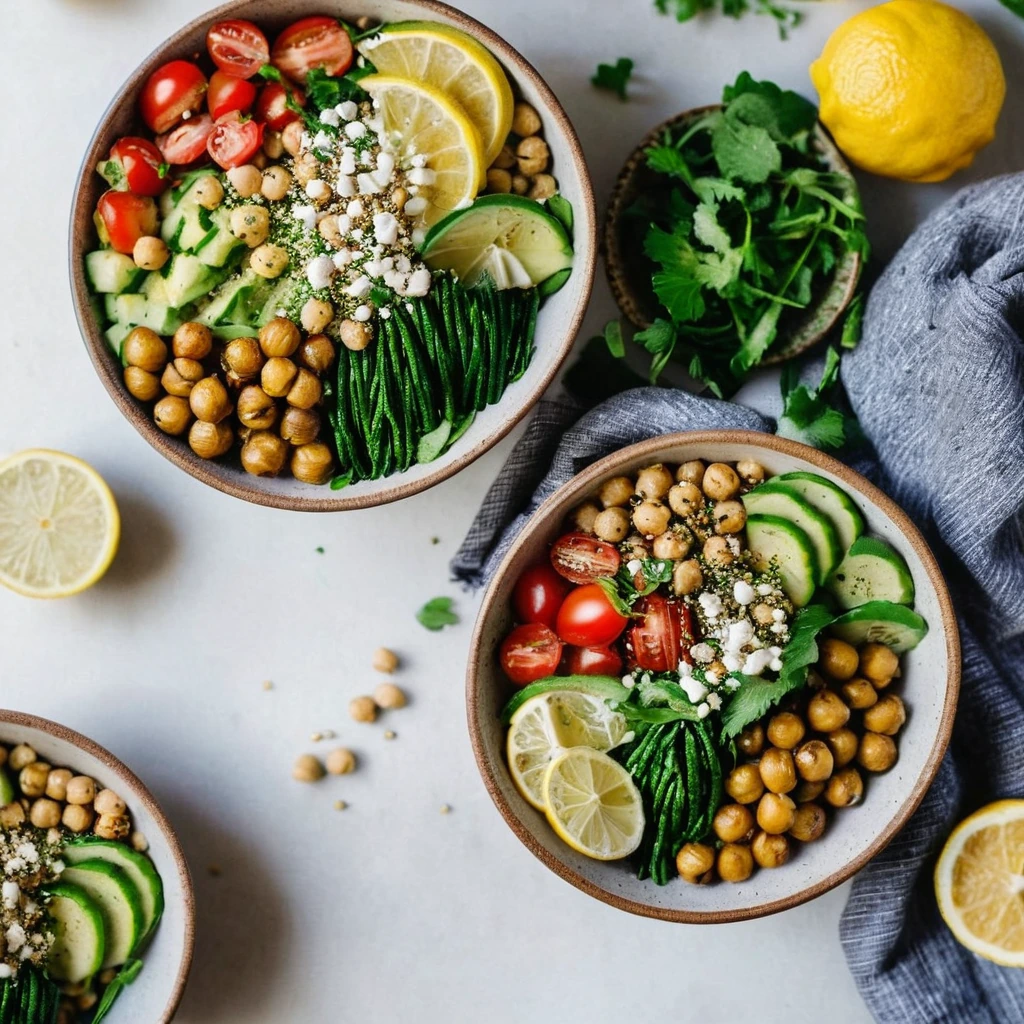
Mediterranean Chickpea Bowls with Lemon Tahini
A vibrant medley of textures and flavors, these bowls are packed with lemony tahini drizzle and fresh Mediterranean herbs.