Stock and Stew Technique: Turning Leftover Roasts into Hearty Soups
Creating a rich, flavorful soup from leftover roasts is both economical and delicious. This technique harnesses the natural juices and flavors that remain in your roast after cooking, transforming them into a comforting meal. The essence of this method lies in extracting every last drop of goodness from your leftovers. Begin by making a stock from the bones and trimmings of your roast. This foundational step is crucial, as it provides the base for your soup. Next, you'll incorporate vegetables, herbs, and spices to build layers of flavor. The key is to sauté these ingredients first to unlock their aromatic potential. Then, simmer everything together to allow the flavors to meld harmoniously. This technique not only stretches your meal budget but also minimizes food waste. It celebrates the art of turning yesterday's dinner into today's heartwarming soup. Understanding the balance of ingredients is essential—too much liquid can dilute the flavors, while too little can result in a stew rather than a soup. This method encourages creativity, allowing you to adapt the recipe to your available ingredients and personal taste preferences. Whether you're working with beef, pork, or lamb, the principles remain the same. The process is straightforward yet rewarding, offering a chance to explore culinary improvisation. Remember, patience is your ally as slow simmering coaxes out the most nuanced flavors. Embrace this technique to elevate your cooking and savor the satisfaction of creating something nourishing from leftovers.
Notes
This technique works because slow simmering allows the collagen in bones and meat to break down into gelatin, enriching the stock. To avoid a cloudy stock, ensure you skim off impurities during the initial boil. A common mistake is over-salting early on, so wait until the end to adjust seasoning. For safety, ensure your stock reaches a simmer promptly to discourage bacterial growth. You can make the stock ahead of time and store it in the fridge for up to 3 days or freeze for longer storage. Thaw it in the fridge before use to maintain quality.
Steps
- 1 Collect bones and trimmings from your leftover roast.
- 2 Place them in a large pot and cover with cold water.
- 3 Bring to a boil, then reduce to a simmer for 2-3 hours, skimming off any foam that rises.
- 4 While the stock simmers, chop vegetables like carrots, celery, and onions.
- 5 Heat oil in another pot and sauté the vegetables until softened.
- 6 Add herbs and spices such as thyme, bay leaves, and pepper.
- 7 Strain the stock and pour enough into the vegetable pot to cover.
- 8 Cut the leftover roast into bite-sized pieces and add to the pot.
- 9 Simmer gently for 30-45 minutes to allow flavors to meld.
- 10 Taste and adjust seasoning with salt and pepper.
- 11 Optional: thicken with a slurry of cornstarch and water if desired.
- 12 Serve hot with crusty bread.
Ingredients to explore
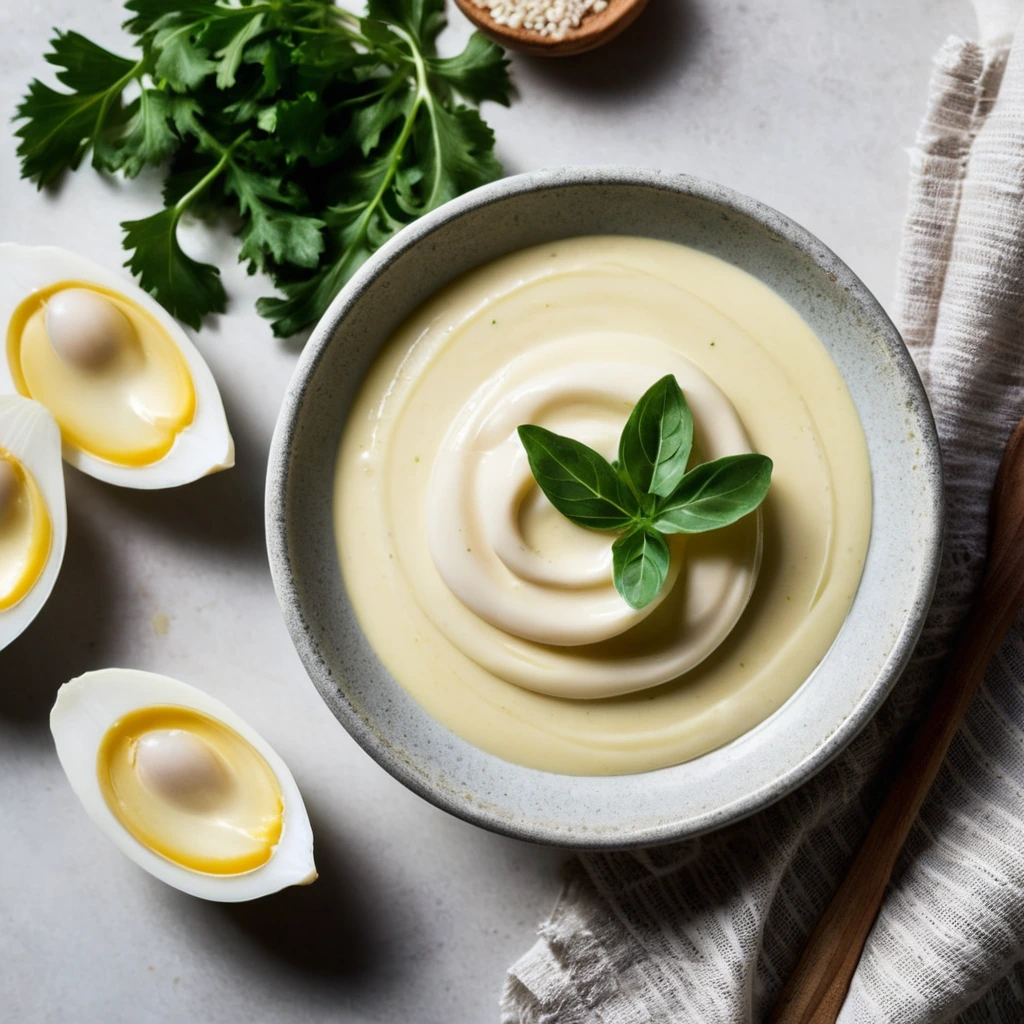
Aioli
A luscious, velvety emulsion of garlic and olive oil, aioli is a rich and aromatic sauce that dances on the palate with its creamy texture and bold, pungent flavor.
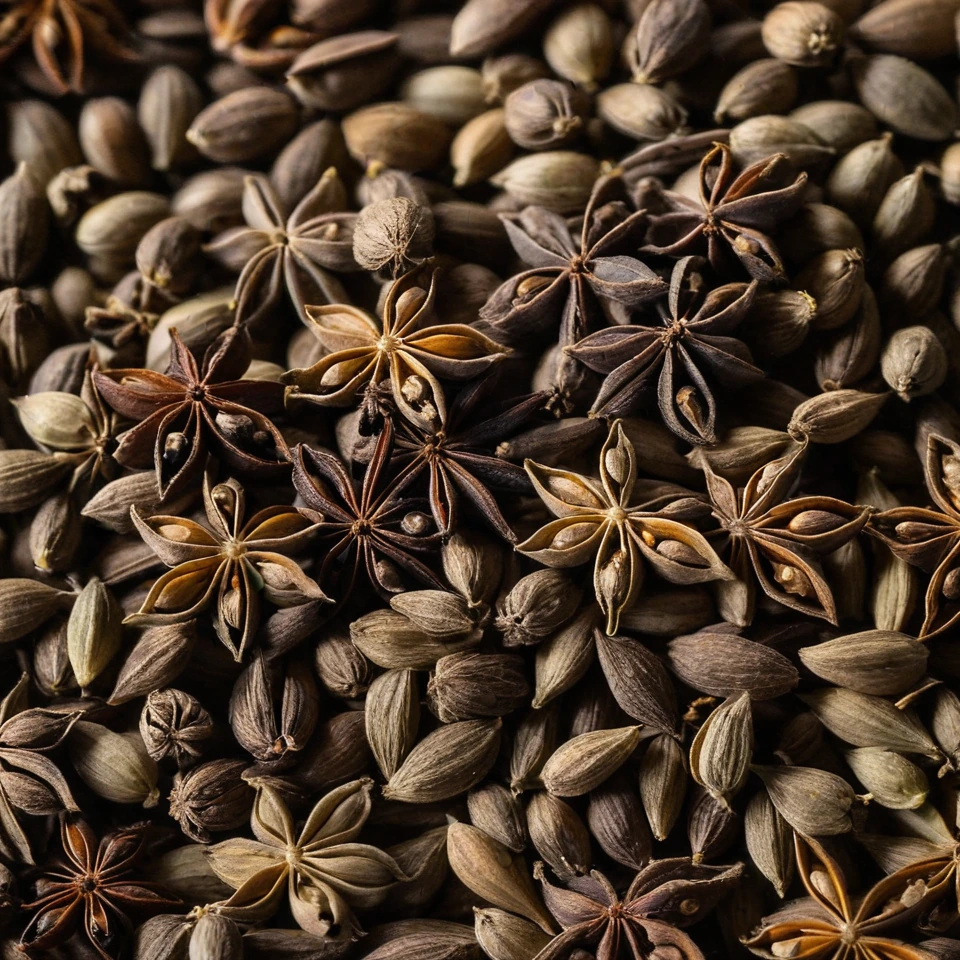
Anise Seeds
Anise seeds are small, oval seeds with a sweet, licorice-like flavor. They are commonly used in both sweet and savory dishes, offering a warm, aromatic taste.
Recipes to try

Pesto Roasted Veggie Sandwiches with Mozzarella
Warm, toasty ciabatta cradles a medley of roasted veggies, vibrant pesto, and melty mozzarella for a sandwich that's as hearty as it is fresh.
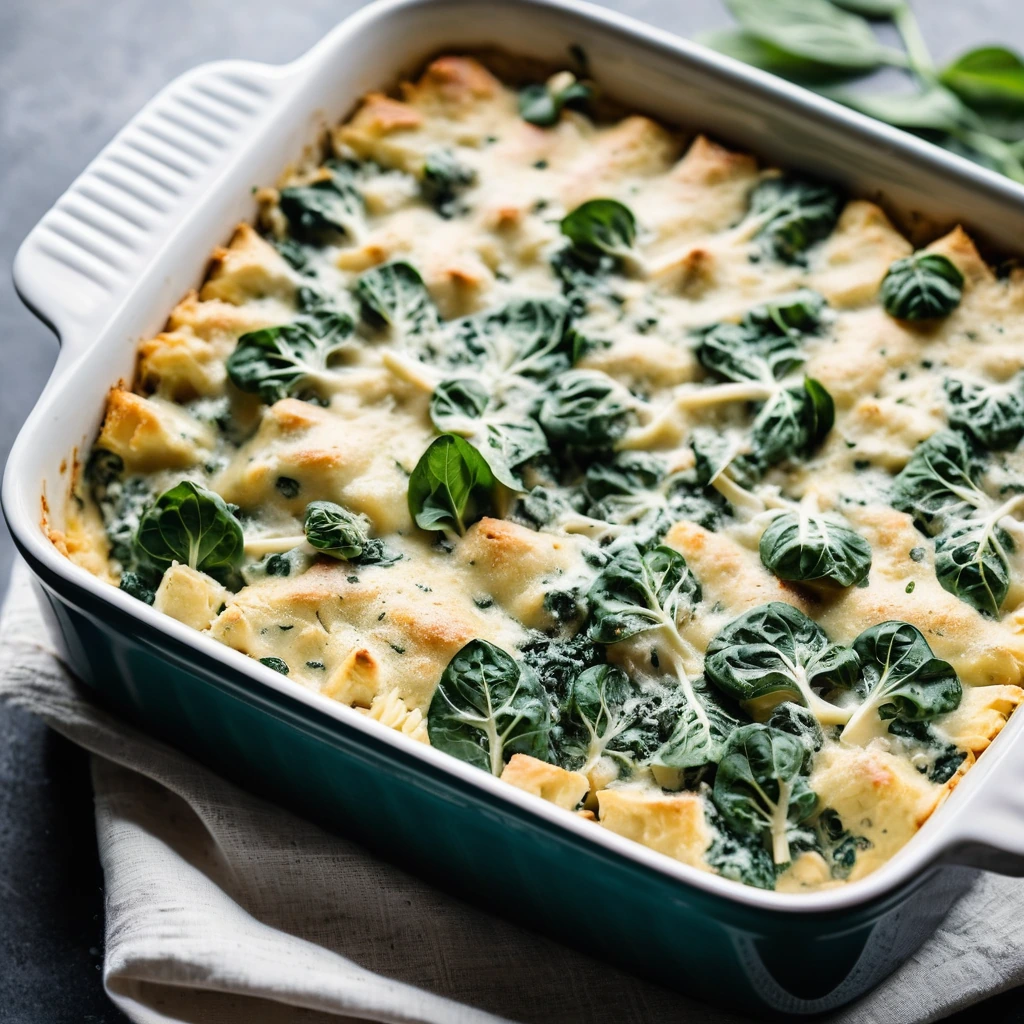
Spinach and Artichoke Chicken Casserole
Creamy, cheesy, and packed with tender chicken, this casserole is a cozy hug in a baking dish.