Stock and Stew Technique: Simmering Without Clouding Stock
Creating a clear, golden stock is an art that elevates soups, stews, and sauces to new heights. The key to achieving this clarity lies in simmering without clouding the stock. Cloudiness is often caused by impurities and proteins coagulating in the liquid, leading to an unappealing appearance. This technique focuses on gentle heat, proper skimming, and precise timing to ensure your stock remains crystal clear. Understanding the delicate balance of heat and timing is crucial. When proteins break down too quickly, they can cloud the stock, so a slow and steady simmer is your best friend. Additionally, impurities rise to the surface during the cooking process, and diligent skimming is essential to maintain clarity. This method also pays attention to the initial preparation, such as blanching certain ingredients to remove impurities before they enter the stockpot. By mastering this technique, you'll produce stocks that are not only clear but also rich in flavor. The visual appeal of a clear stock is undeniable, and with a bit of patience and practice, you can achieve professional results in your home kitchen. Remember, clarity is not just about aesthetics; it often indicates a purer, more refined taste. This guide will walk you through each step to ensure you can create stunning stocks with confidence.
Notes
The science behind clear stock lies in minimizing protein coagulation. High heat causes proteins to break down rapidly, leading to cloudiness. By simmering gently, proteins have time to break down gradually, resulting in a clear liquid. Common mistakes include simmering at too high a temperature or failing to skim impurities regularly. Always maintain a gentle simmer and stay vigilant with skimming. Safety is paramount, so ensure your stockpot is stable and the heat is managed carefully to prevent burns. For make-ahead preparation, store your stock in airtight containers for up to 5 days in the refrigerator or freeze for up to 3 months.
Steps
- 1 Select fresh, high-quality ingredients and trim any excess fat or impurities.
- 2 Blanch aromatic vegetables like onions, carrots, and celery in boiling water for 2 minutes to remove impurities, then rinse under cold water.
- 3 In a large stockpot, add water and bring to a gentle simmer over medium-low heat.
- 4 Add blanched vegetables, herbs, and any bones or meat, ensuring they are submerged.
- 5 Adjust the heat to maintain a gentle simmer; small bubbles should break the surface slowly.
- 6 Skim off any foam or impurities that rise to the surface with a fine-mesh skimmer or slotted spoon.
- 7 Simmer uncovered for 4 to 6 hours, checking occasionally to maintain the simmer and skim impurities.
- 8 After simmering, strain the stock through a fine-mesh sieve lined with cheesecloth into a clean container.
- 9 Allow the stock to cool to room temperature before refrigerating or freezing.
- 10 For added clarity, consider a second straining with a coffee filter if needed.
Ingredients to explore
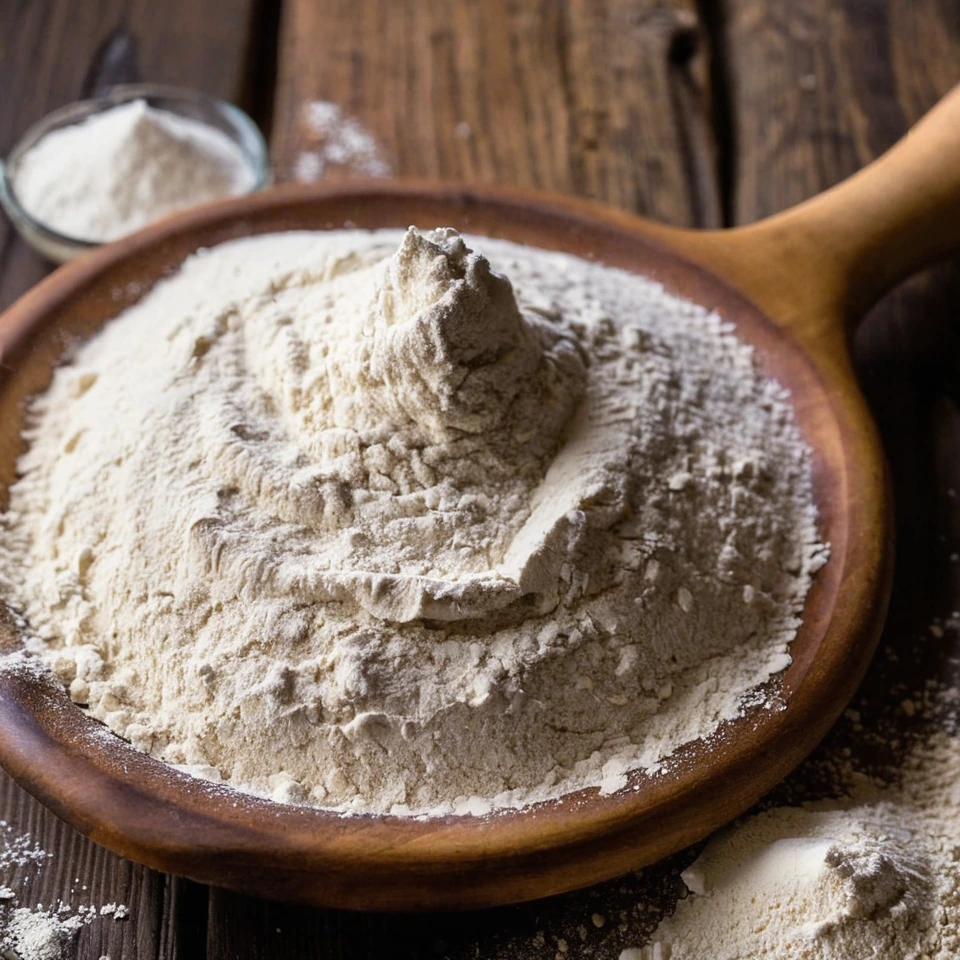
All-Purpose Flour
All-purpose flour is a versatile wheat flour that contains a moderate level of protein and gluten, making it suitable for a wide range of baking and cooking needs.
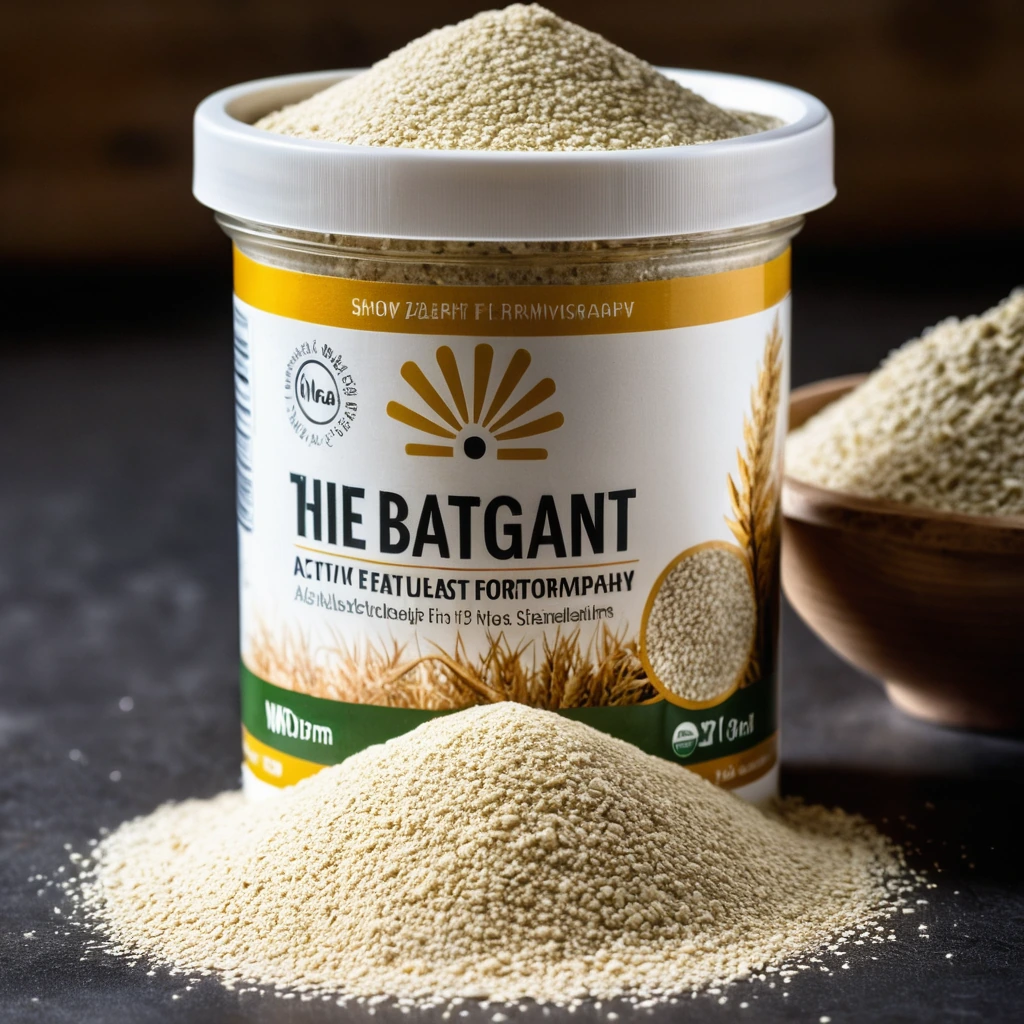
Active Dry Yeast
A fine, granulated leavening agent that brings baked goods to life with its gentle fermentation magic.
Recipes to try
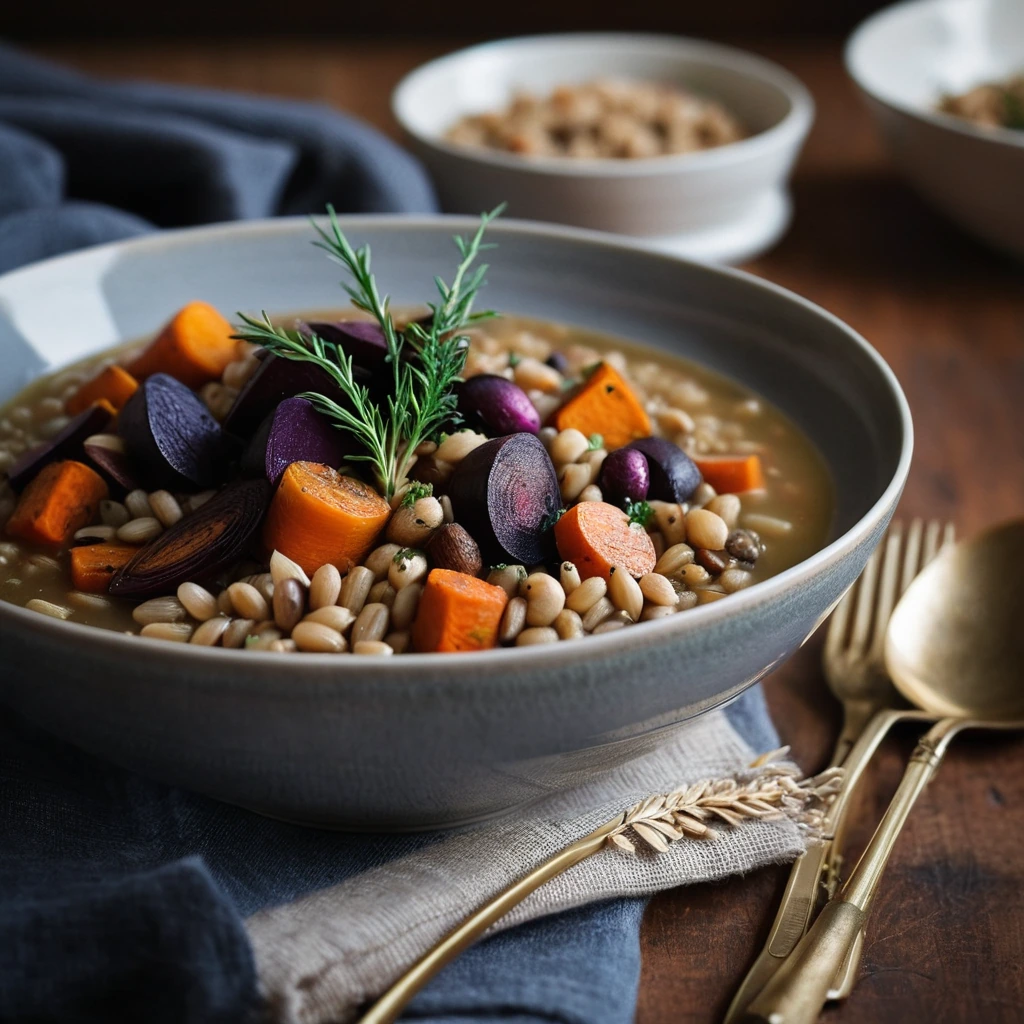
Roasted Root Vegetable and Barley Stew
Hearty and deeply flavorful, this stew marries caramelized root veggies with chewy barley for a comforting bowlful of warmth.
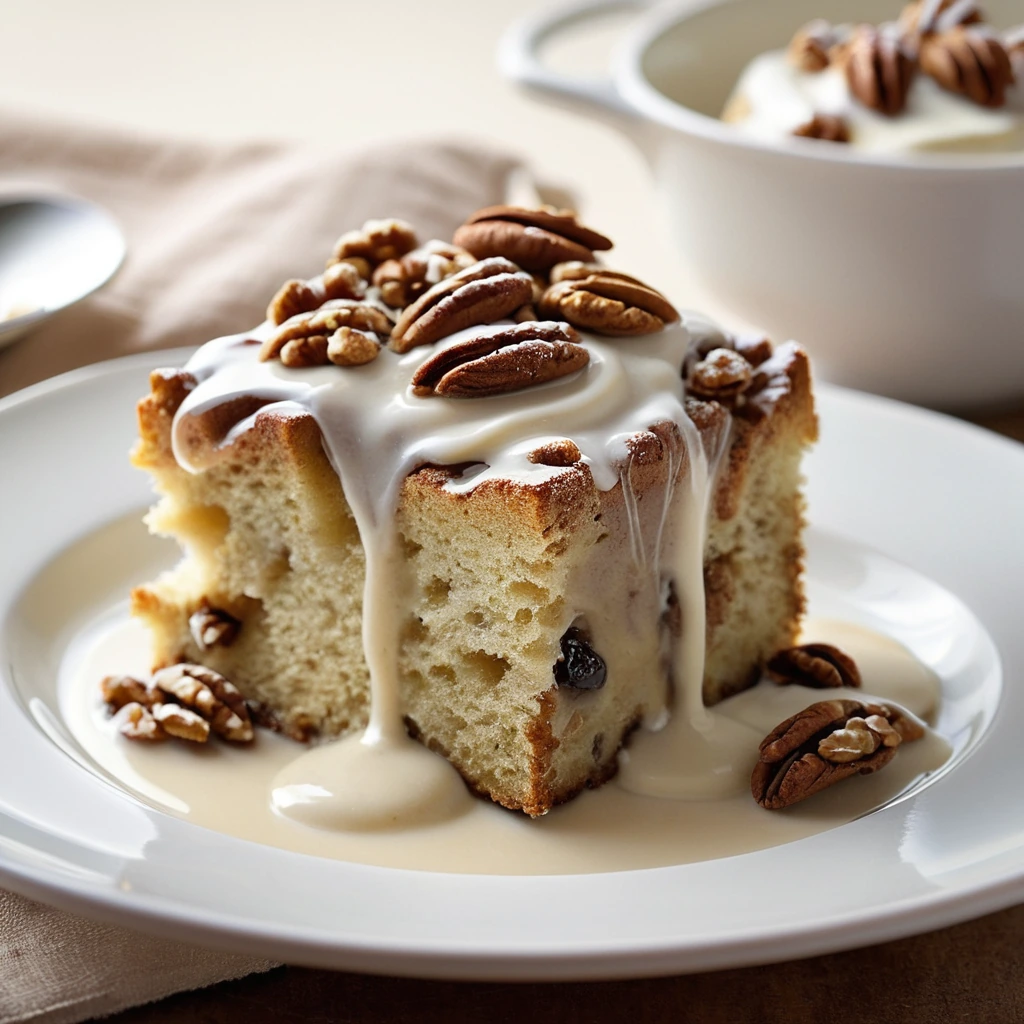
Maple Pecan Bread Pudding with Vanilla Sauce
Warm, spiced bread pudding drizzled with maple syrup and crunchy pecans, served with a silky vanilla sauce.